
- Description and characteristics of plum
- History of selection
- Main characteristics of the variety
- Drought resistance and winter hardiness
- Pollinators
- Mara
- Asaloda
- Vitba
- Flowering period
- Ripening time
- Productivity and fruiting
- Resistance to diseases and pests
- Applications of berries
- How to plant correctly
- Requirements for the location
- Preparing the site and the pit
- How to select and prepare planting material
- Planting diagram
- Recommendations for choosing deadlines
- Acceptable and unacceptable neighbors
- Care instructions
- Watering mode
- Top dressing
- Preparing for winter
- Trimming
- Formative
- Regulatory
- Supportive
- Sanitary
- Caring for the tree trunk circle
- Pros and cons of the variety
- Diseases and pests
- Clusterosporiasis
- Moniliosis
- Verticillium wilt
- Aphid
- Brown fruit mite
- Codling moth
- Harvesting and storage
- Tips from experienced gardeners
- Result
The Lama cherry plum is often grown in gardens. It adapts quickly to weather conditions. When properly planted, it produces large yields and makes a beautiful ornamental tree. The fruits contain minerals and vitamins essential for the human body.
Description and characteristics of plum
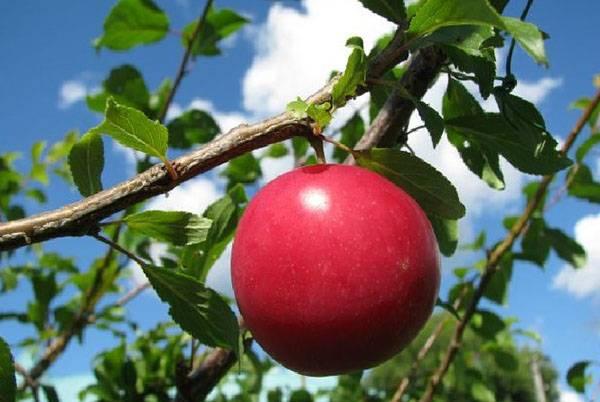
This plum has excellent flavor. It can be grown in all types of soil. It tolerates low temperatures without shelter. It is rarely susceptible to disease and pests. The fruits are juicy and tart. They are suitable for transportation.
History of selection
The crop was first developed by the breeder Matveyev. He based his crossbreeding on plum and cherry plum, resulting in a large-fruited hybrid. The crop became widespread in 2003.
Main characteristics of the variety
To obtain a harvest, it is necessary to take into account the main characteristics of the plant.
Drought resistance and winter hardiness
Produces high yields in dry weather conditions. Tolerates low temperatures and requires no winter cover.
Pollinators
The variety cannot pollinate itself, so it is necessary to additionally plant other crops.
Mara
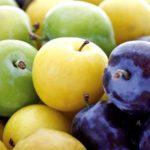
Cherry plums have large fruits and yellow skin. Flowering begins in early May, so the tree is often used as a pollinator.
Asaloda
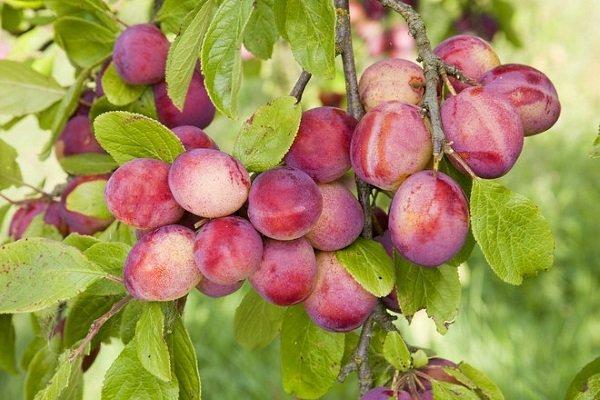
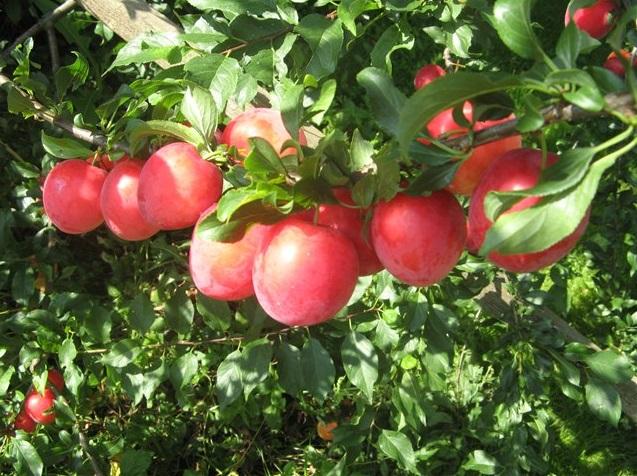
This large-fruited plum grows to a large size. The fruits are round with red skin. It is used for pollination; the plant cannot self-pollinate. The fruits are sweet, and the flesh is juicy.
Vitba
A self-sterile plum variety that requires additional pollination. The tree is small in appearance, but the fruits are large and pink.
Flowering period
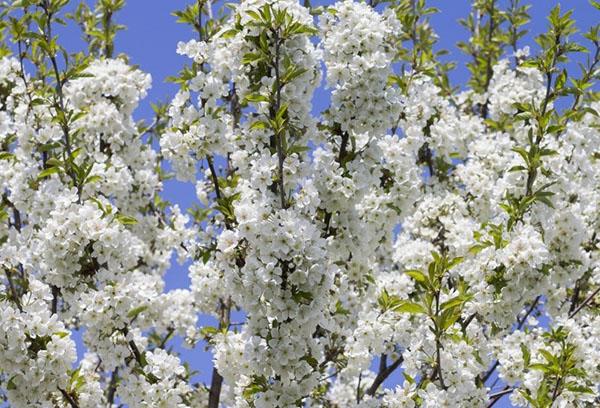
Plum blossoms late, in late April or early May. In cold weather, flowering may be delayed until mid-May.
Ripening time
The crop ripens in late July – early August.
A distinctive feature is the storage period of the harvest, which is up to 3 months if the necessary conditions are met.
Productivity and fruiting
With proper care, the yield is high. The fruits ripen unevenly. The harvest must be picked every two days. If not picked, the fruits will fall off.
Resistance to diseases and pests
The crop is resistant to diseases and pests. However, if care is not followed, it can be affected by the following diseases:
- holey spot;
- monilial burn.
To reduce the risk of the problem occurring, it is necessary to treat the plant with preventative chemicals in the fall and spring.
Applications of berries
The fruits are often used for transportation and marketing. Plums also have a pleasant flavor and are used fresh and for canning.
How to plant correctly
To ensure a successful harvest, it's important to plant the seedling correctly. When planting, follow these basic rules, which determine the plant's immunity.
Requirements for the location
The planting site should be sunny. Otherwise, the plant is undemanding. It can grow in poor soils and in low-lying areas where water accumulates. The tree should be protected from drafts and prolonged winds.
Preparing the site and the pit
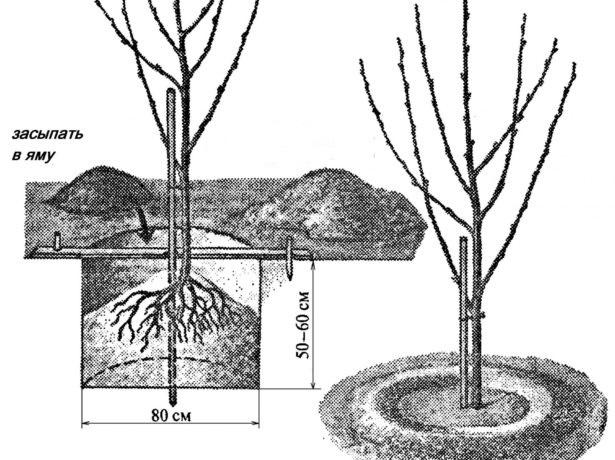
Before planting a seedling, it's important to properly prepare the hole. Dig a 100-cm hole and fill it with a nutrient mixture. To prepare the mixture, mix two parts soil, one part compost, and 200 grams of superphosphate. Fill the hole with the resulting mixture.
Important: If the soil is clayey, a drainage layer should be placed in the planting hole. Use broken brick or large pebbles for this. This will reduce the risk of waterlogging and rot.

How to select and prepare planting material
In order for the planting material to quickly go through the adaptation period, it is necessary to carry out the following procedures:
- carefully inspect the seedling for damage to the roots;
- soak the seedling in a growth activator for 2 hours.
When selecting a seedling, the following criteria are observed:
- the seedling should not have any visible damage;
- the roots should be light brown in color, without damage or compaction;
- There should be at least 2-3 live buds on the stems.
Correctly selected planting material is the key to a good harvest and rapid adaptation to a new growing location.

Planting diagram
During landing, you must perform the following sequence of actions:
- form a mound in the planting hole;
- place the seedling and straighten the roots;
- install the support;
- Sprinkle the seedling with the nutrient mixture and compact it.
After planting, the seedling is watered with at least 2 buckets of water per plant.

Recommendations for choosing deadlines
The crop is planted in April after the soil has warmed up, although planting in the fall, as early as mid-September, is acceptable. This crop adapts quickly and is less susceptible to disease.
Acceptable and unacceptable neighbors
The culture is undemanding to neighbors; in one area you can plant:
- plum;
- apple tree;
- apricot;
- pear.
It's not recommended to plant cherry plums near cherries and junipers. These neighbors can consume all the necessary nutrients, and the cherry plum will reduce its yield.
Care instructions
Proper care is necessary to increase crop yield.
Watering mode
It is recommended to water the plant every 3 days after planting. After the first year, watering is reduced to once a week.
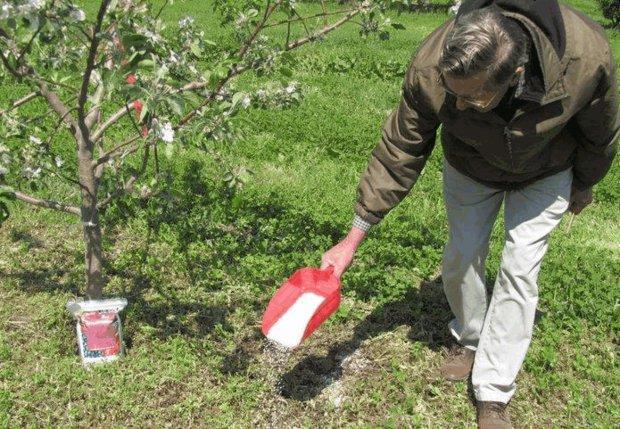
Top dressing
The plant needs to be fed according to the following scheme:
- humus in spring;
- before flowering, potassium and phosphorus fertilizers;
- in summer complex superphosphate;
- in autumn, humus or peat.
If the seedling is planted in poor soil, a solution of chicken manure is additionally used.
Preparing for winter
Cherry plum tolerates low temperatures well, so covering the seedling with burlap is sufficient for the first year. In subsequent years, a layer of spruce branches and humus is used to protect the roots.
Trimming
The tree is small in size, so pruning is necessary to shape the crown and increase yield.
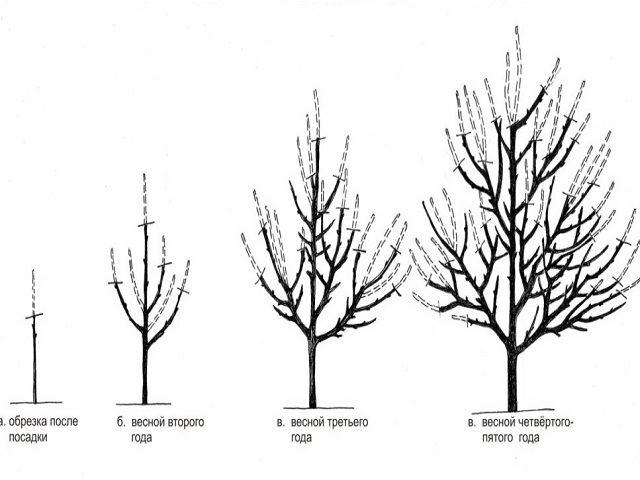
Formative
This type of pruning involves shaping the tree's crown. This procedure is performed annually, as young shoots grow very quickly on the tree, causing it to lose its shape.
Regulatory
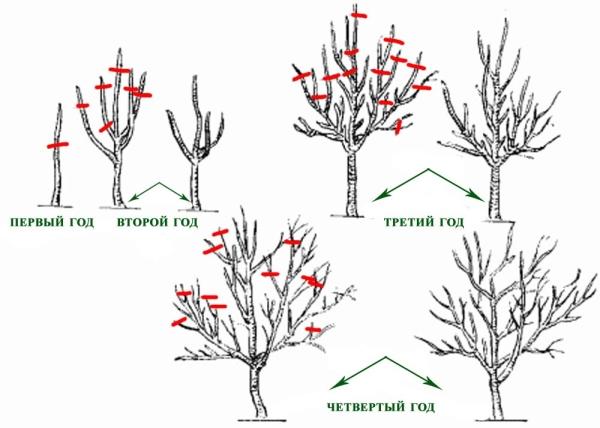
It is used during the fruit formation period. Non-fruit bearing shoots are pruned. This improves light penetration and accelerates ripening.
Supportive
Branches that have grown during the season are pruned. During fruiting, the bark can crack, and branches can break under the weight of the fruit. Pruning reduces this problem.
Sanitary
This is done in spring and fall. All damaged branches must be removed. The crown should also be thinned and internal shoots removed.
 Important: After pruning, treat the cut areas with garden pitch. This will prevent further infection.
Caring for the tree trunk circle
All weeds that could carry diseases should be removed from the roots. The soil should be loosened regularly. The trunk near the roots should be whitewashed with lime.
For plants up to 2 years old, it is necessary to use chalk that does not destroy young bark.
Pros and cons of the variety
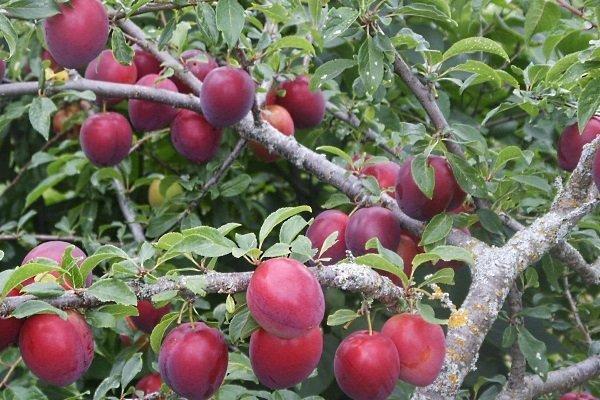
The cherry plum variety is often grown in gardens and has the following advantages:
- tolerates temperature changes;
- the fruits ripen quickly;
- high taste qualities;
- suitable for transportation;
- not susceptible to diseases;
- used to decorate the garden.
The disadvantages include:
- is not a self-pollinating variety;
- Regular pruning is necessary;
- Plums do not stay on the shoots for long; when ripe, the fruits fall off.
With proper care, shortages do not matter when growing cherry plum in the garden.
Diseases and pests
The crop tolerates pest attacks, but a problem still arises.
Clusterosporiasis
The first symptoms appear as white spots on the leaves. Gradually, the spots damage the fruit and young shoots. The infected plant wilts and produces little fruit. Treatment and prevention require the use of Bordeaux mixture and the removal of damaged leaves.
Moniliosis
With this type of disease, the upper parts of branches dry out. To prevent the disease from progressing, chemical treatments should be carried out at the first signs of the disease. The following products are used: "Skor" and "Horus." Damaged areas are pruned and burned.

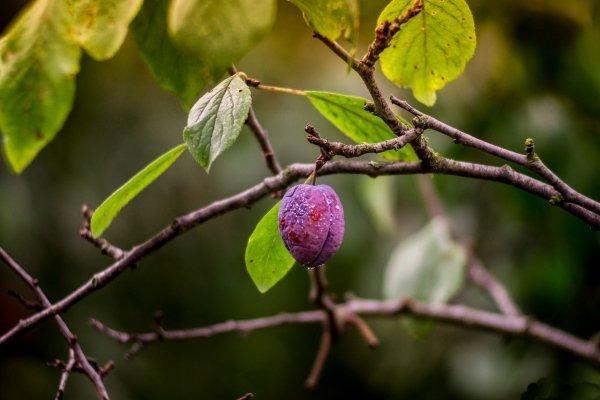
Verticillium wilt
The first symptoms of the disease are the appearance of dark spots on the leaves. Gradually, the plant darkens completely, and the leaves begin to wilt. At the first signs of the disease, treat the plant with copper sulfate.
Aphid
Often attacks young shoots. This small insect feeds on plant sap. It causes wilting and reduced fruiting. To eliminate the insect, use a soap solution, copper sulfate, or specialized chemicals.
Brown fruit mite
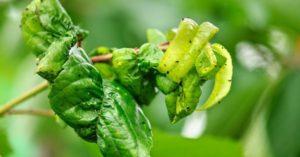
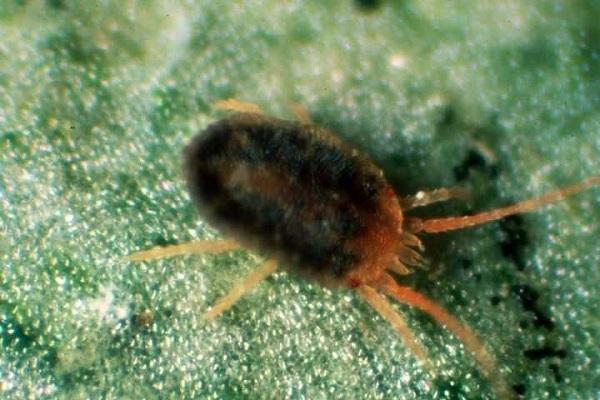
The pest appears on the leaves as small lumps where the mites accumulate. The plant begins to wilt rapidly, and the leaves fall off. The infested plant does not bear fruit and often dies. Treatment involves a solution of copper sulfate or specialized chemicals.
Codling moth
The pest hides in the bark and soil. When it appears, it damages fruit, making it unusable. Special insecticides are required for removal. To prevent the pest, treat the bark with lime and loosen the soil regularly.
Harvesting and storage
The fruits should be harvested after they are ripe. Cherry plums are stored in wooden boxes, no more than two layers deep. Store the harvest in a cool place, out of direct sunlight.
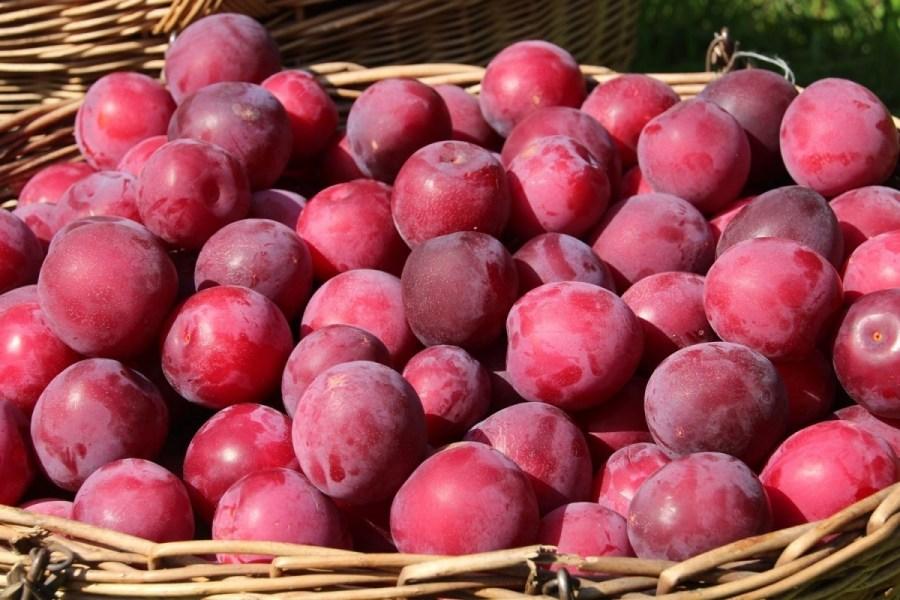 Important: To ensure the fruit lasts 2-3 months, it must be harvested unripe.
Tips from experienced gardeners
To obtain a harvest, it is necessary to follow the advice of experienced gardeners:
- When planting a seedling, add additional peat and complex fertilizers, which will speed up the adaptation process;
- for storage, cherry plums must be placed in boxes with moss;
- Young seedlings can be susceptible to diseases in the spring; to reduce this problem, it is necessary to carry out preventative spraying with Bordeaux mixture in the fall;
- To increase flowering, it is necessary to add potassium and phosphorus; these substances also improve the taste.
Following these tips will help you avoid mistakes that can reduce your yield.
Result
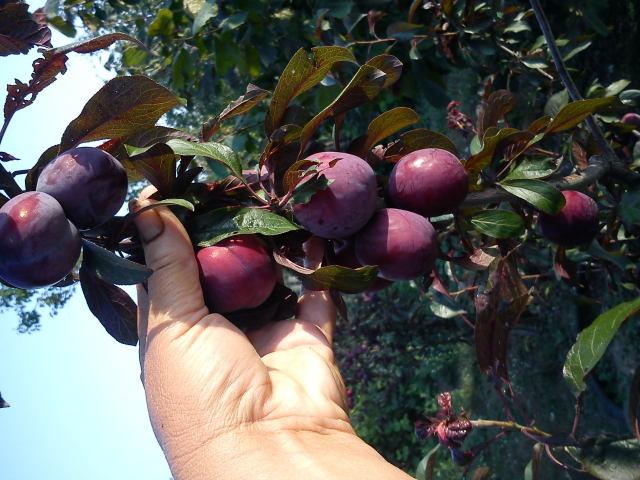
This cherry plum variety is popular among gardeners. The bush can be used as a garden ornament due to its attractive red leaves.
Related posts:
 How to plant grapes step by step, with a description of the process and care
 The best eggplant varieties for growing in a polycarbonate greenhouse: planting and care
 Growing and caring for almonds, planting and pruning rules at home
 How to properly plant peas in a greenhouse and open ground
 How to propagate and grow peas, cultivation technology, and care in open ground
 The best grape varieties for growing in the Urals, planting and care rules in summer
 Description and characteristics of the Svetlyachok plum variety, the intricacies of cultivation
 Description and cultivation of the 15 best cherry plum varieties for the Moscow region, planting and care rules