
- Plum selection Firefly
- Pros and cons of fruit crops
- Description of the tree
- Size and annual growth
- Fruiting
- Is plum self-fertile or not?
- Flowering and pollinators
- Ripening time and harvest
- Tasting evaluation and scope of application of fruits
- Transportability
- Susceptibility to diseases and parasites
- Resistance to low temperatures and drought
- How to plant a tree on a plot
- Required soil composition
- Selecting and preparing a site
- Dimensions and depth of the planting hole
- Timing and rules for planting fruit crops
- Organization of care
- Watering
- Top dressing
- Crown pruning
- Loosening and mulching the tree trunk circle
- Seasonal treatments
- Preparing the plant for winter
- Methods of reproduction
- Gardeners' reviews of the Svetlyachok variety
- Conclusion
The Svetlyachok plum variety is distinguished by its yellow fruit, a characteristic prized by gardeners. This cultivar has advantages and disadvantages that must be considered when planting the tree in the garden.
Plum selection Firefly
The variety was first bred in 2004. Following further refinement in 2012, the plum was recommended for widespread use in gardens. It was recommended for use in the Central Black Earth Region. This plum variety is grown in all regions.
Pros and cons of fruit crops
The culture has a large number of advantages that are taken into account when planting:
- productivity;
- easy to care for;
- taste qualities;
- tolerates drought;
- resistance to low temperatures;
- fruit sizes.
No disadvantages have been identified for this crop. Some gardeners note the need for an additional pollinator.
Description of the tree
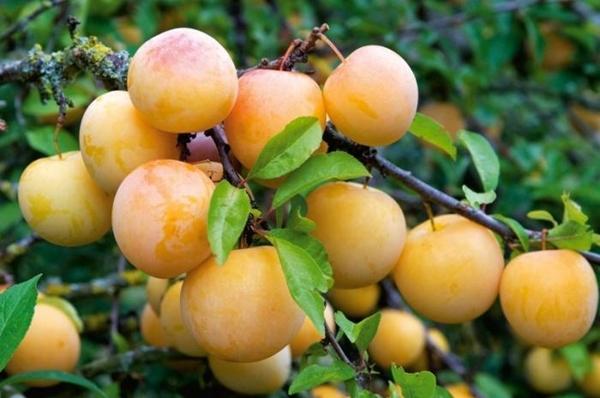
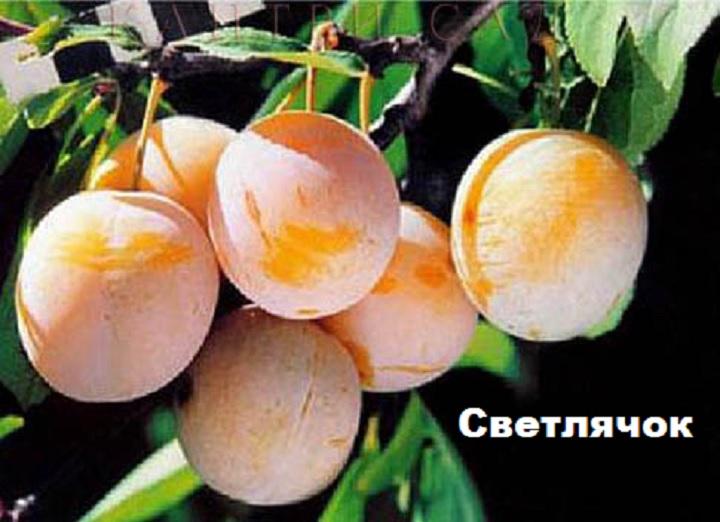
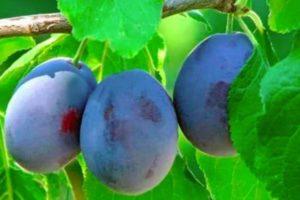
The tree can reach a height of up to 5 meters. The crown is oval, sometimes round, and not too dense. The shoots are not too spreading, and the leaves are medium-sized and oblong. The leaf edges are slightly toothed. The fruits are medium-sized with light yellow skin and juicy flesh.
Size and annual growth
The fruits are round and can weigh up to 40 grams. The flesh is juicy and slightly tart. With proper care, the fruit can grow larger.
Fruiting
This plum variety is known for its high yield. It begins bearing fruit in the 3rd or 4th year after planting, with the number of fruits increasing annually.
With proper watering, plums become juicy.

Is plum self-fertile or not?
Plum trees are not self-pollinating. Therefore, to ensure a productive harvest, additional pollinating crops must be planted in the area.
Flowering and pollinators
Various plum varieties can be used as pollinators. The following plum varieties are recommended for planting in the same plot: Mayak and Urozhainy. This plant blooms early. The inflorescences are fragrant and white.
Ripening time and harvest
The tree has a medium ripening period. The fruits ripen in August and late July. The harvest is abundant. The fruits ripen in all weather conditions. The fruits separate easily from the branches and do not fall off.

Tasting evaluation and scope of application of fruits
Plums have a mild flavor and juicy flesh. They can be used for preserves and eaten fresh. Plums can also be frozen.
Transportability
To transport plums long distances, the fruit must be picked a week early, before they ripen. Ripe plums are often not used for shipping.
Susceptibility to diseases and parasites
Young plants under three years of age are most susceptible to diseases. This variety tolerates diseases such as rust and moniliosis well. Mature plants have thick bark, so pests rarely survive the winter and die.

Resistance to low temperatures and drought
The tree is recommended for growing in regions with low temperatures. This plum variety is rarely damaged by frost and does not reduce yield.
How to plant a tree on a plot
The health of a plant depends on following proper care and planting guidelines. Before planting, it's important to select the right planting material and prepare the hole.
Required soil composition
Before planting, you need to determine the soil type you'll be growing your plum in. The plant prefers sandy soils. To make a nutrient mixture for growing the Svetlyachok variety, mix:
- 2 parts soil;
- 1 part humus or peat;
- 1 part sand.
If the soil type is poor, it is necessary to add an additional 200 grams of complex fertilizer.

Selecting and preparing a site
To ensure regular harvests, it's important to choose the right planting location. Before planting, consider the following criteria:
- there should not be any groundwater close to the planting site;
- plum prefers the sunny side;
- there should not be a large number of other crops near the tree that could shade the plum;
- The place should be protected from drafts and winds.
Once the planting site has been selected, the area must be thoroughly cleared and dug. Once the site is prepared, dig the planting hole.
Dimensions and depth of the planting hole
The planting hole must be prepared before planting to allow the soil to settle. To plant the seedlings, prepare a hole 60 x 60 cm and fill it a quarter full with soil. The planting hole should be at least 40-50 cm deep.

Timing and rules for planting fruit crops
The Svetlyachok variety can be planted in early spring or late fall before frost sets in. In spring, planting occurs in mid-March, and in autumn, in mid-October. The planting process is as follows:
- The planting material must be selected correctly. The seedling must be free of disease or damage. It must be at least one year old. Before planting, place the seedling in a growth activator for two hours.
- The planting hole is watered with warm water.
- The seedling is placed in the hole and the roots are straightened.
- A wooden stake should be placed next to the seedling, which will act as a support for some time.
- Sprinkle the seedling with a nutrient mixture and water it.
If the seedling is planted in the spring, it is necessary to insulate the crop at night to reduce the risk of negative impacts from frost.

Organization of care
Properly organized care promotes rapid adaptation of planting material to a new growth location.
Watering
To water one seedling, use up to 3 buckets of water. After planting, water the plant every 3 days. Once the seedling has established itself, watering can be reduced to once every 5 days. During flowering, the plant requires a lot of moisture. Therefore, moisten the soil every 3 days.
Important: Watering should continue until late autumn. However, gradually reduce the amount to once a week.

Top dressing
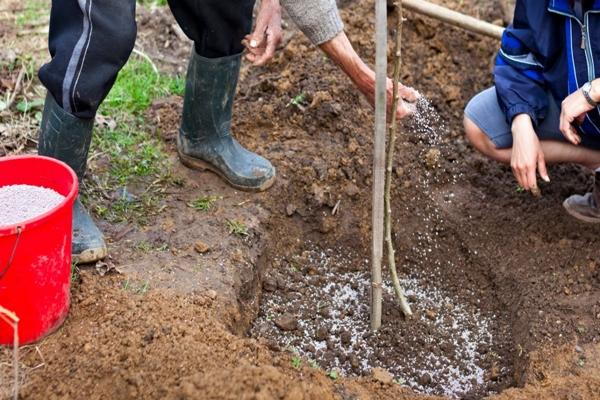
During the first two years after planting, the plant requires no nutrient additions. Fertilizing should begin in the third year. Humus should be added in the spring. Potassium fertilizers should be used during flowering. Complex fertilizers should be applied during fruit ripening. Humus or peat should be added in the fall.
Crown pruning
To achieve a round or oval crown, regular pruning is necessary. The tree's crown is formed in the first four years after planting, and the gardener adjusts the resulting shape during the remainder of the year. Pruning is done in the spring before the buds open. Lateral shoots are shortened. Inward-growing shoots should also be removed. When pruning, carefully monitor the shoots and promptly remove any branches that show visible damage.
Important: Plum tree pruning is essential, as once the crown becomes overgrown, the tree stops producing fruit.

Loosening and mulching the tree trunk circle
Loosening the soil around the tree is essential. Loosening is done weekly before watering. Loosening the soil provides the necessary oxygen. Loosening also removes weeds, which can carry diseases. Mulching helps retain soil moisture. Sawdust mixed with sand or a special fiber that allows oxygen to pass through can be used for mulch.

Seasonal treatments
In early spring, plum trees are treated with insecticides to prevent diseases and pests. These treatments protect mature plants and increase yields. It's also necessary to whitewash the trunk to provide an antibacterial effect on the bark. Whitewashing is done by coating the root zone of the trunk with lime.
In mid-summer, it is necessary to remove damaged shoots that did not survive the winter well and are preventing the fruit from ripening.

Preparing the plant for winter
After It is important to properly prepare the plums before harvesting Prepare for winter. In mid-October, inspect the tree and remove damaged branches. Treat the cut areas with garden pitch.
The root zone should be insulated with humus or peat. Spruce branches are also often used for insulation. If the seedling is young, the branches should be covered with burlap. Mature plants over three years old do not require covering.
When the first snow falls, it's important to ensure the tree's bark isn't damaged by rodents. Therefore, the snow around the tree should be compacted. Alternatively, special fibers can be used to wrap the tree's root zone.

Methods of reproduction
Various methods can be used to propagate plum trees. These include:
- Planting from a seed is considered a simple method; the seed from a ripe fruit is used for planting. The collected seedlings must be washed and dried. Refrigerate and keep cool until spring. The prepared seeds are planted in late April. Once the seedlings emerge, provide regular watering.
- Grafting: This propagation method requires growing a rootstock. Crops that tolerate low temperatures well, or blackthorn seedlings, are used. Grafting should be done in early spring, when the sap begins to flow.
- Using root suckers is a common method. To propagate, dig up the seedling at least 1 meter from the parent root. Replanting can be done in the fall or early spring. Fall replanting occurs in mid-October. After planting the young seedling, it's important to follow proper care. In the spring, nutrients are added to enhance plant growth.
Take a look Also
Gardeners often purchase ready-made seedlings from nurseries. When purchasing such planting material, it's important to carefully examine the roots, ensuring they are free of compaction and blemishes. Using infected material can lead to infection of other trees in the area.
 Important: To speed up the process of seedling emergence, the seedling should be planted in a pot with sand and peat until the sprout emerges. Then, care for it in a greenhouse and transplant it outdoors in the spring.
Gardeners' reviews of the Svetlyachok variety
Mikhail Vladimirovich, 43, Ivanovo Oblast: "I've been growing this variety for seven years now. The fruits are juicy and delicious. They're suitable not only for canning but also for fresh consumption. The advantage of this variety is its ability to tolerate low temperatures and produce a harvest regardless of weather conditions."
Daria, 27, Moscow region: "The Svetlyachok variety has attractive fruit. The unusual yellow color and juicy flesh make this plum stand out from other plums. Another advantage of this variety is its productivity in dry weather conditions. With proper care, it is disease-resistant. A disadvantage is the need to plant additional pollinators. Otherwise, even with abundant blooms, there will be no harvest."
Conclusion
The Svetlyachok variety was recently developed, but has already gained popularity among gardeners. To ensure a successful harvest, pollinators must be planted in the garden. However, the attractive appearance of the fruits and their excellent taste make up for this. This plum is also easy to care for and produces fruit even in adverse weather conditions. It begins bearing fruit four years after planting.
Related posts:
 How to plant grapes step by step, with a description of the process and care
 How to propagate and grow peas, cultivation technology, and care in open ground
 How to properly plant peas in a greenhouse and open ground
 The best eggplant varieties for growing in a polycarbonate greenhouse: planting and care
 Growing and caring for almonds, planting and pruning rules at home
 Description and characteristics of the Veteran apple tree variety, the subtleties of cultivation
 Description of varieties of sowing peas and cultivation, to which family they belong
 How to control onion flies using natural and chemical methods