
- What varieties of plums can be stored?
- Collection rules
- Time and signs of fruit ripening
- Is it possible to pick green fruits?
- Do fruits ripen after picking and how can they be helped to ripen?
- How to skim cream?
- Processing and preparation for storage
- How to preserve at home?
- Tara
- Storage conditions
- How long do fresh plums last?
- What to do
- If there are midges
- Mold damage
- Methods of preparation for winter
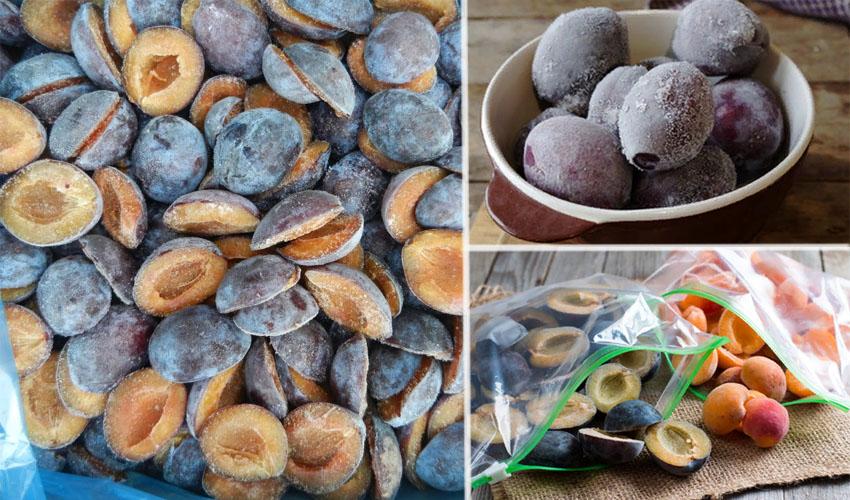
- Freezing
- Dried plums
- Pickled plums
- Plum in its own juice
Growing plum trees is a popular pastime among gardeners. It's hard to imagine an orchard without these crops. But growing a harvest of fragrant fruit isn't enough; it's important to organize a storage system for the harvested plums. It's essential to consider the nuances of harvesting, choose the right variety, and select the right containers. It's crucial to prevent fungal diseases, fruit rot, and wilting.
What varieties of plums can be stored?
The shelf life of ripe plums depends primarily on the plum tree variety and the chemical composition of the berries. Harvested fruits should retain their firmness, have a strong skin, and be resistant to fungal diseases. Through the efforts of breeders, varieties suitable for long-term storage have been developed:
- El Dorado;
- Chachak;
- Empress;
- Grand Duke;
- Khaganta;
- Victoria;
- Hungarian;
- Anna Shpet.
The shelf life of harvested fruit without losing its marketable appearance can be 1.5-2 months. When choosing a tree variety, pay attention to the plant care recommendations, as well as the stated varietal advantages.
Collection rules
To ensure plums last longer, it's important to harvest them properly. Harvesting tips:
- Do not collect plums after rain, dew, or watering.
- The fruits should be firm, without soft sides.
- The berries ripen at different times, so harvesting is carried out in several stages.
- Fruits that have fallen on the ground are not suitable for storage.
- Do not shake fruits from trees.
- It is necessary to preserve the wax coating.
Fruits selected for storage are recommended to be picked from the tree with the stems attached. Fruits can be stacked in two or three layers, no more.
Time and signs of fruit ripening
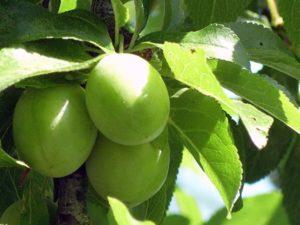
Early-ripening varieties begin to ripen in mid-July, while late-ripening varieties begin to ripen in September. Key signs of maturity include:
- The color of the fruit becomes bright and uniform, and a waxy coating appears.
- Some fruits are starting to fall from the tree.
- The ripening period for plums has arrived, depending on the variety.
- A distinct plum aroma appears.
- The fruits become slightly soft to the touch.
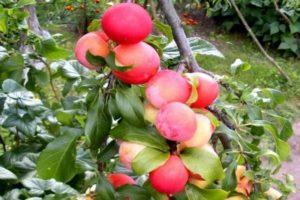
As soon as a gardener notices all of the above signs, it's time to harvest and store the fruit properly. Overripe fruit is unsuitable for storage; it quickly releases juice, the skin splits, and rotting can begin, spreading to nearby fruits.
Is it possible to pick green fruits?
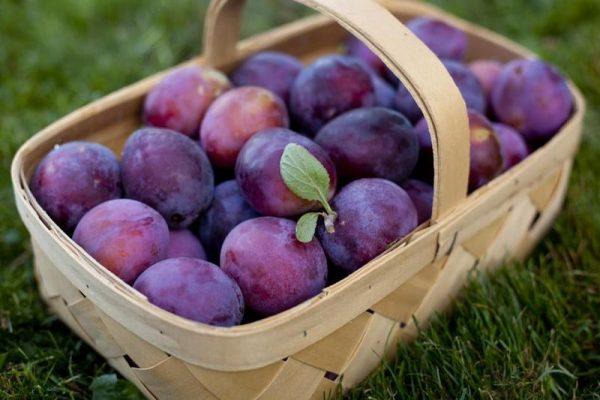
It's possible to harvest plums early; gardeners often do this. The fruits, once picked, can be left to ripen indoors. Green plums are harvested if they are to be transported long distances.
Do fruits ripen after picking and how can they be helped to ripen?
Green fruits can be ripened at home after picking. To ensure rapid ripening, follow these steps:
- The picked berries are placed in a paper bag, where they begin to release ethylene, which accelerates the ripening process.
- Unripe plums should not be placed in the refrigerator.
- Often, the collected plums are laid out on a table and left in room light for a day.
- You can't place fruits on the windowsill, they quickly become soft and release juice.
As soon as a waxy coating appears on the harvested fruits, the fruits can be immediately transferred for long-term storage.
How to skim cream?
The fruits are rich in juice, so when harvesting, it is recommended not to crush them or shake them onto the ground, as this will quickly dent them and cause them to rot. Harvesting is done gradually, in several stages. Harvesting begins with the lower branches, gradually moving toward the top of the tree. Ladders and stepladders can be used. The tree branches are quite fragile, so care must be taken.
Processing and preparation for storage
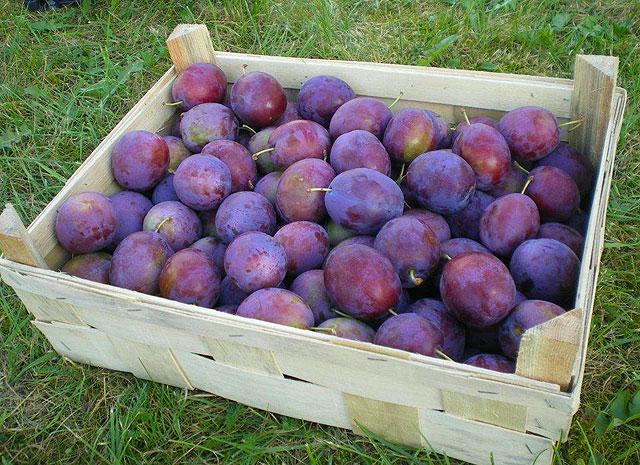
Preparing plums for storage begins with choosing a location and selecting containers. Shallow, well-ventilated boxes are ideal.
Important! Never store plums in plastic bags, as they will rot and release juice quickly.
The boxes are placed in a dark, dry place. The fruit is arranged in layers of no more than three. Special treatment of the fruit during storage after harvest is not recommended. Berries should not be washed.
How to preserve at home?
To keep aromatic fruits fresh for as long as possible, follow these rules:
- You can't store plums in the refrigerator for longer than a month.
- The fruits can be dried, frozen, candied or pickled.
- Avoid storing fresh fruits in multiple layers.
- Do not wash the collected plums and choose the right containers.
At home, plums can be stored fresh for up to two months. Pay attention to the variety when purchasing seedlings for growing in the garden.
The correct choice of variety will significantly simplify further care and solve the problem of harvesting and storing the crop.
Tara
Typically, plums are stored in fruit crates lined with paper. There's no need to layer the fruit with paper.
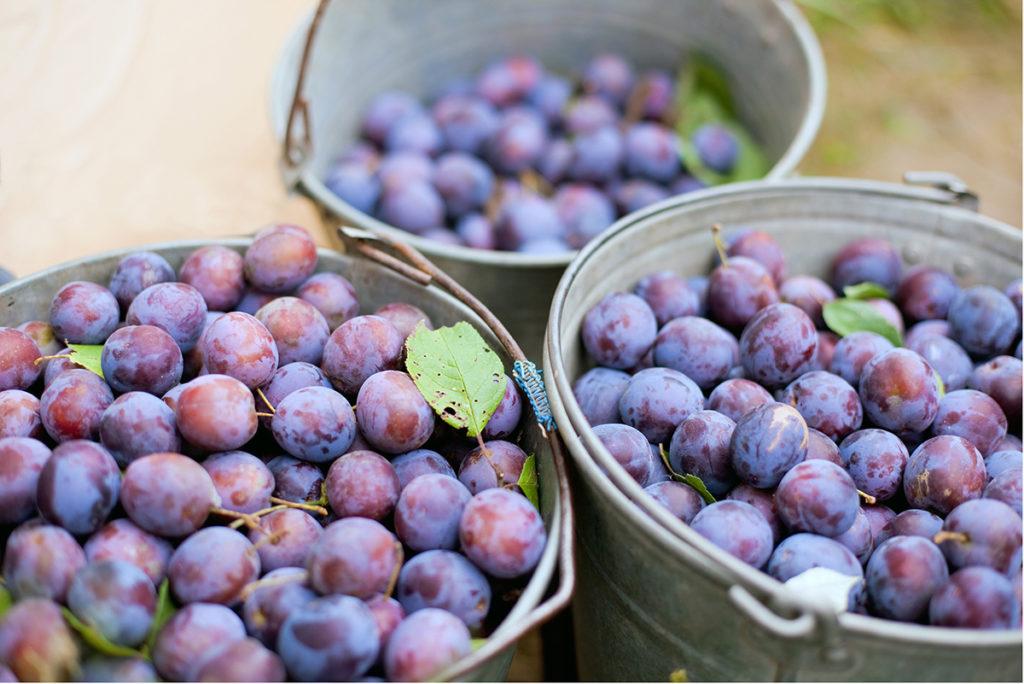
You cannot store fruits in plastic bags or buckets.
Storage conditions
The harvested crop is stored in a dark, dry place at the correct temperature. Excessive moisture during storage encourages the growth of bacteria and fungi, which cause rotting.
Avoid sudden temperature changes, and ventilate the room periodically. Plums can be stored in the refrigerator.
Dried, pickled, and candied plums have a long shelf life. Before storing, dried plums are blanched in a weak solution of baking soda. Canned plums are best stored in a basement or cellar.
How long do fresh plums last?
The shelf life of fresh plums varies from 3 weeks to 2 months depending on the variety and compliance with the rules.
What to do
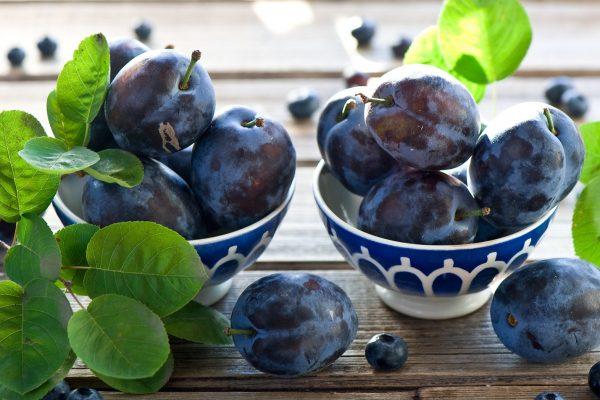
Insects and mold can develop in the boxes. During storage, fresh plums should be inspected periodically, any rotten ones removed, and the storage area ventilated.
If there are midges
Vegetable gnats on harvested crops are an unpleasant sight; they reproduce quickly, feeding on the fruit juices, where they lay their eggs and leave traces of their activity. You can get rid of these uninvited guests with special sticky tape traps hung around the room. Camphor smoke is also a popular folk remedy.
Mold damage
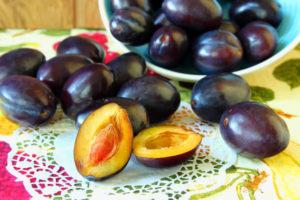
Diseased fruit must be removed immediately and the area ventilated. The appearance of mold indicates improper storage conditions. If the infestation is severe, the entire harvest should be sorted and transferred to other containers.
Methods of preparation for winter
To preserve plums for a long time, they are frozen, dried, or canned. When preserved properly, the fruit retains all its nutritional properties and flavor.
Freezing
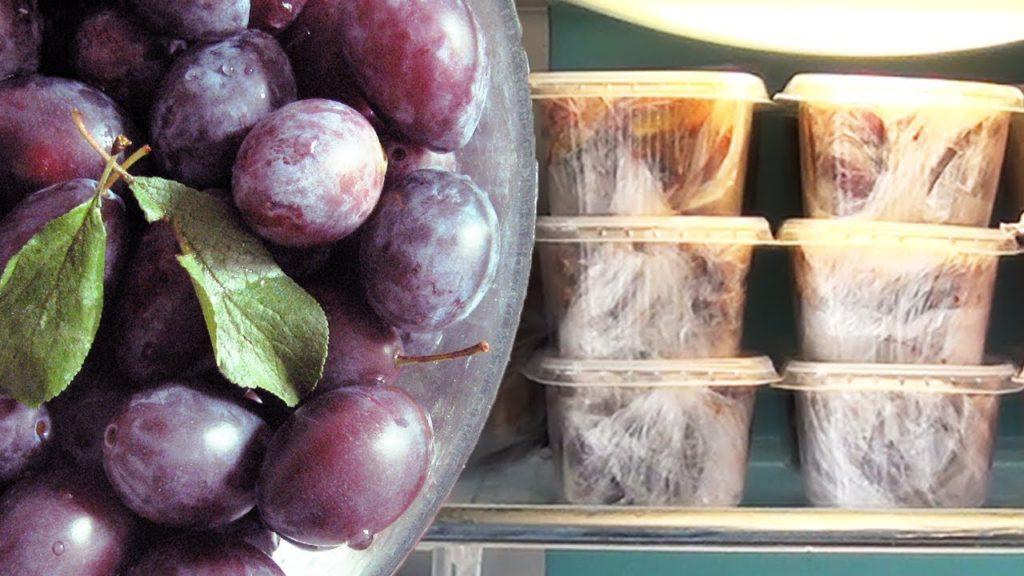
The harvested plums are frozen and stored in the refrigerator. It's important to freeze them only once; repeated freezing will cause the plums to lose their flavor and nutrients. The pits can be removed after washing and drying the plums.
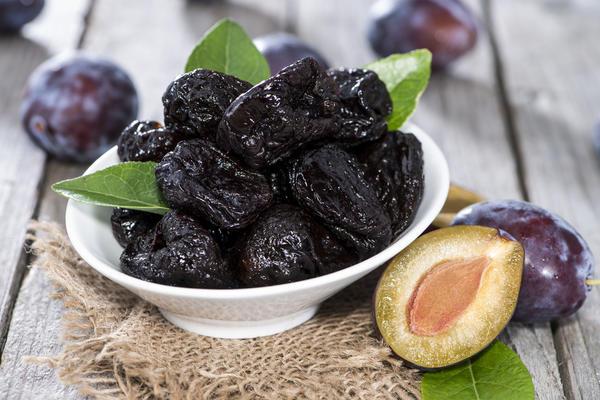
Dried plums
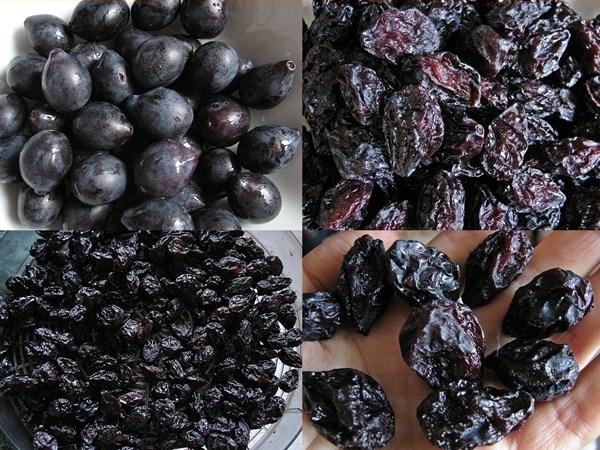
The collected fruit is washed, pitted, blanched, and then placed in an oven for several hours at 40-50°C. The dried fruit is stored in perforated wooden boxes or fabric bags.
Pickled plums
A delicious, aromatic appetizer that pairs perfectly with meat dishes. The fruit can be preserved with or without the pits. Ingredients:
- cognac;
- 9% vinegar or citric acid;
- water;
- plums;
- sugar and salt;
- spices: cinnamon, anise, black pepper.
Place the washed fruit in jars and pour boiling water over them. Once the water has cooled, pour it into a saucepan containing the jars and prepare the marinade. Add salt, sugar, vinegar, and seasonings to the saucepan and simmer for 10 minutes. Add cognac at the end of the cooking time. Serve hot. The plums are poured with marinade jars and roll up the lids.
Plum in its own juice
After sorting, the berries are washed and placed in a colander. Blanch the plums in boiling water and transfer to sterilized jars. A sprig of mint can be added. Pour boiling water over the fruit and seal the jars. The plums are now ready for winter storage.
Related posts:
 Description and characteristics of the Yakhontovaya plum variety, pollinators
 TOP 20 recipes for making homemade pickled plums for the winter
 Description and varieties of plum variety Ternovka, planting and care technology
 Description and characteristics of the 30 best yellow plum varieties, planting and care
 Description of the Renklod plum varieties and cultivation technology
 Description and distinctive features of the best varieties of Ussuri plum
 How to properly store peaches at home for the winter
 Description of the beneficial and harmful properties of plums for human health, contraindications