
- What diseases does cherry plum have: symptoms and treatment
- Coccomycosis
- Marsupial disease
- Moniliosis
- Milky shine
- Hollow spot
- Dwarfism
- Root cancer
- Gum flow
- Sharka
- Plum pockets
- Clusterosporiasis
- Scab
- Plum pests and parasites: signs of parasitism and insect control
- Subcortical leaf roller
- Plum aphid
- Plum codling moth
- Oriental codling moth
- Yellow plum sawfly
- Slimy sawfly
- Brown fruit mite
- Wrinkled bark beetle
- Gall mite
- Ants
- Aphid
- Prevention and protection of orchards
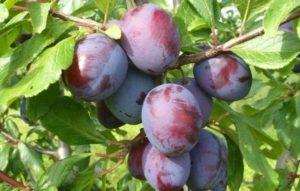
Cherry plum is a tree whose plum-like fruits are incredibly valuable for health and have unique properties. The fruits are tasty and juicy and are used for winter preserves. They are prized in cosmetology, diets, and children's nutrition. The plant is easy to maintain and produces a bountiful harvest. However, cherry plums are susceptible to diseases that negatively impact the overall health of the tree.
What diseases does cherry plum have: symptoms and treatment
Plums and cherry plums are related plants, so they suffer from similar diseases. Dessert cherry plums are often susceptible. If the disease is treated promptly, the harvest can be preserved.
Coccomycosis
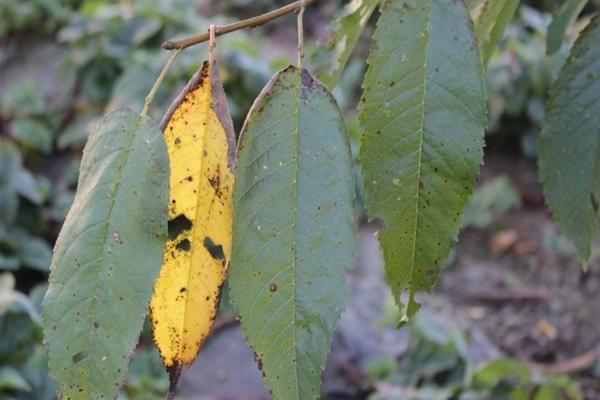
A fungal disease that affects the leaves. Infection begins in mid-July. Small reddish-brown lesions appear on the leaves. Gradually, they spread throughout the entire leaf blade. Eventually, the leaves turn yellow and fall off. A rough white coating is visible on the underside.
In the south, the disease is rare because the fungus has difficulty withstanding elevated temperatures. However, in humid conditions and temperatures between 18 and 23 degrees Celsius, it develops very quickly.
To prevent coccomycosis, apply a lime solution to the trunks. This procedure is performed in the fall and spring. If the condition is severe, use chemicals such as Horus and Topsin-M.
Marsupial disease
This is a fungal disease that can reduce the yield by half. The fruit becomes infected with the fungus, becoming elongated. There are no seeds. The fruit turns green and develops a white coating. The fruit is unfit for consumption. The disease gradually spreads to other parts of the tree.
Diseased fruits should be collected and burned. In the spring, before flowering, the bushes should be sprayed with Bordeaux mixture or the fungicide Horus. This treatment can be performed immediately after flowering.

Moniliosis
This is a fungal disease. It is affected by monilial blight and fruit rot. The spring form of the disease manifests as a burn, manifests quickly, and occurs during bud formation and flowering. Leaves and flowers dry out and turn brown.
The symptoms of moniliosis are similar to those of spring frosts. The difference is that with this fungal disease, flowers and leaves do not fall from the trees.
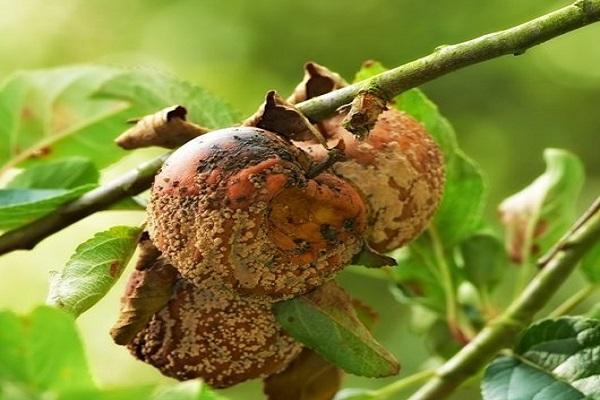
Fruit rot, also known as moniliosis, appears in the fall, just before harvest. The disease affects the fruit itself, causing it to become dry and "burned" in appearance. Gray fungal spores also form.
If left untreated, the cherry plum tree's trunk will become infected, cracking. Growth slows, the plant loses energy, and other diseases can develop.
Gardeners often spray infected trees with mustard powder: 80 grams of mustard added to 10 liters of water. However, a chemical treatment called Fitolavin is also effective. Spraying should be done during flowering.
Milky shine
In spring and fall, with sharp temperature fluctuations and high humidity, cherry plums can become infected with milky shine, a fungal disease.
A milky sheen appears as a change in leaf color, turning the leaves silvery-white. Blisters appear on the leaves. The disease most often occurs in those with moderate to low frost resistance.
A solution of copper or iron sulfate is effective for treatment. Apply it to the trunk and branches, and remove and burn any diseased leaves.

Hollow spot
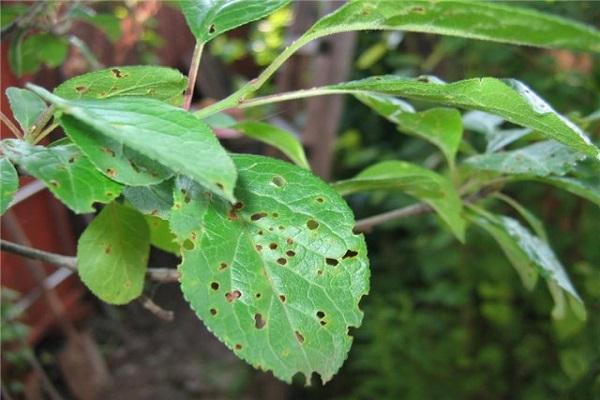
This disease, also known as clasterosporium, often appears on stone fruit trees. It appears in high humidity, develops rapidly, and is spread by wind to other trees within just a few days.
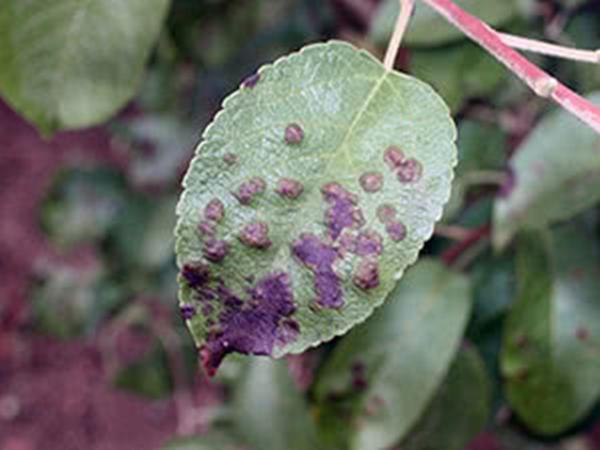
The leaves change color: brown spots appear on them. These then disappear, leaving a small hole in the area. A red border appears on the leaf blades. A thick, sticky substance accumulates on the branches, trunk, and berries.
This disease reduces yield, fruits become deformed, and trees grow poorly. Affected plants are treated with chemicals such as Captan, Zineb, and Phtalan.
Dwarfism
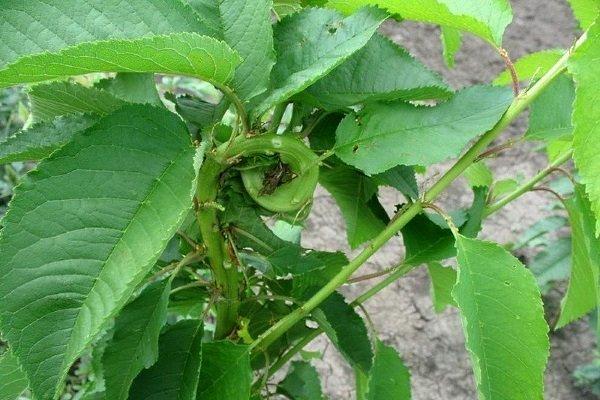
The disease can be recognized by the fruit's appearance. However, this is usually evident when dwarfism is advanced. In this case, treating the tree is more difficult. Therefore, it is important to monitor the plant's growth and any loss of proportions. You should also pay attention to the appearance of small leaves and leaf drop. Signs of dwarfism include underdeveloped flowers and a decrease in the number of ripening fruits.
As the disease progresses, the tree will lose its leaves. If there are any, they are removed, just like the fruit.
As a preventative measure, it is necessary to destroy pests and promptly remove dry and old leaves.
Root cancer
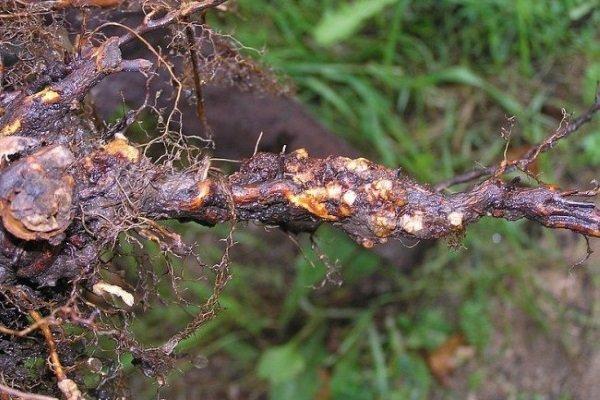
Some diseases are quite serious. Root canker is one such example. It is caused by bacteria that penetrate the roots from the soil. The disease is triggered by unsuitable soil for planting and insufficient watering in hot weather.
Therefore, when planting, it is necessary to inspect the roots and remove weak shoots. If the plant is diseased, it must be destroyed. The infected area of soil should be treated with copper sulfate. Gardening tools that came into contact with the seedling should be disinfected with formalin.
Gum flow
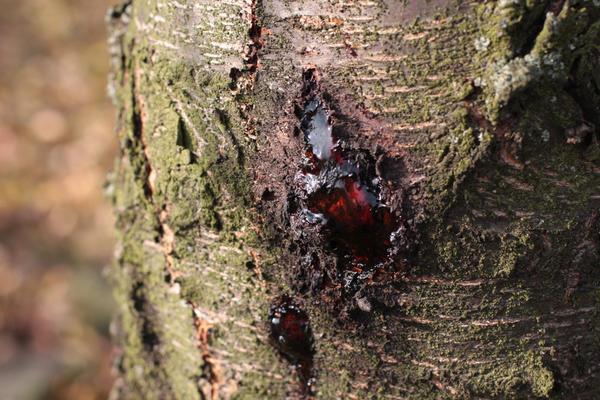
Diseases aren't limited to infectious causes. The main symptom is gummosis. This condition is also known as gummosis. This gummosis is caused by a fungus that spreads with excessive moisture and constant fertilization. Damage to the tree's bark also contributes to the disease's development.
Over time, the gum hardens, and small drops appear on the trunk. If left untreated, gum disease can lead to canker. For large areas of the disease, apply copper sulfate and treat with garden pitch. Infected branches should be completely removed. Prevention is achieved through proper care.
Sharka
The disease is viral. The first signs appear on young leaves, appearing as light-colored spots or stripes. The virus spreads to the fruit, which changes its taste and appearance. These fruits are inedible and die if they ripen prematurely.
Fighting sharka is futile; infected trees must be removed. The disease can be prevented by thoroughly cleaning equipment, clothing, and other items that have come into contact with the tree.

Plum pockets
The disease is caused by a marsupial fungus. It causes the fruit to fail to produce healthy fruit, which becomes discolored and unfit for consumption. Infection most often occurs during rainy seasons, and during cold weather, the fungal spores remain hidden in the buds.
Treatment involves removing diseased plant parts. Before flowering, treat with Bordeaux mixture (3%). Repeat the treatment after flowering, but only with a 1% solution. Fungicides are effective. Prevention involves pruning and using special solutions.

Clusterosporiasis
This is a common disease caused by a fungus that grows in the plant's holes. Brown spots appear on the leaves. Over time, these spots dry out, and holes appear. In severe cases, foliage drop occurs.
Clasterosporium blight often appears on fruits and branches. It progresses rapidly due to the active movement of fungal spores. Treatment is achieved with Bordeaux mixture, applied to both diseased and healthy areas. Prevention involves removing dead leaves and treating the area with copper sulfate.

Scab
The fruit skin will peel, and the leaves, stems, and shoots will develop ulcers, voids, and warts. In severe cases, the leaves will dry out and fall off. Water imbalances will be disrupted, negatively impacting fruiting.
Prevention involves promptly removing dead leaves and spoiled fruit. Copper-based fungicides are recommended. However, folk remedies, such as mustard solution, are also helpful.
Plum pests and parasites: signs of parasitism and insect control
In addition to fungal diseases, trees can also become infested with parasites. This also negatively impacts the harvest, so prompt removal of these insects is important.
Subcortical leaf roller
The pest's caterpillars are dangerous. They create holes in the cherry plum tree wood. Trees will grow slowly, skeletal branches will dry out, and yields will decrease.
Diseased branches are torn off and burned. The butterflies are caught using pheromone traps. Insecticides are used against the larvae.

Plum aphid
This pest robs plants of nutrients. These insects can destroy crops and even the entire garden. The presence of aphids can be detected by the curling of tree leaves. If you examine them closely, you'll see colonies of the black pests.
To prevent aphids from appearing near cherry plums, plants with a strong odor should be planted. These include dill, parsley, mint, and coriander. Effective chemical treatments include Aktara, Fufanon, and Confidor.

Plum codling moth
Pink caterpillars infest cherry plums, feeding on the stems and fruit. The larvae feed on the pulp and damage the pits. Control involves:
- removal of fallen leaves and cleaning of bark;
- the use of trapping belts when insects lay eggs;
- treatment with a solution of baking soda after flowering.
Codling moth can be controlled without chemicals. The pest spreads rapidly, so urgent action is needed.
Oriental codling moth
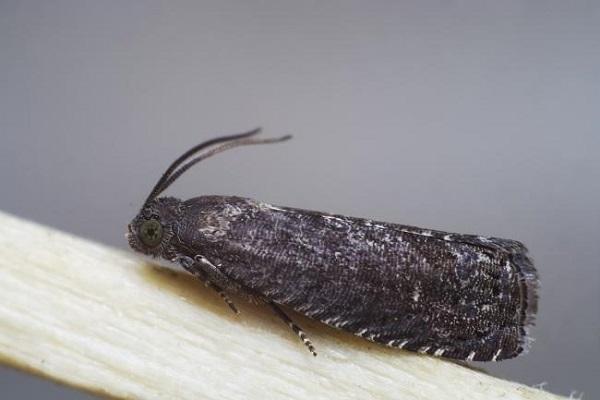
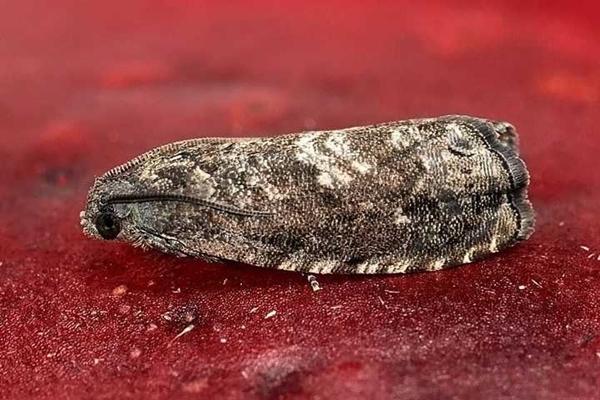
The parasite causes crop destruction. As an adult, it is harmless. The larvae feed on shoots and damage fruit. To eliminate the oriental codling moth, the area around the trunk must be treated. Control methods are the same as for the previous species.
Yellow plum sawfly
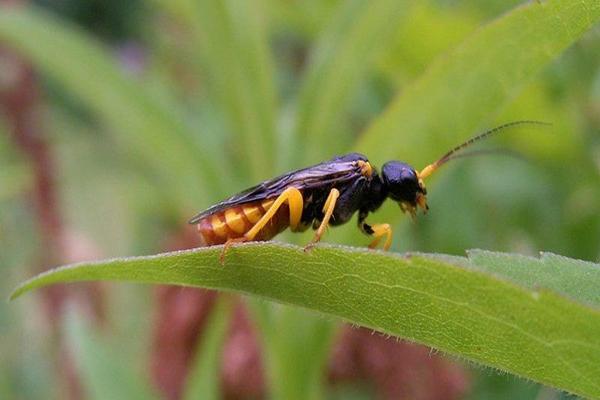
This is a plump caterpillar that feeds on tree fruits. It feeds on the pits and pulp of cherry plums. The presence of this pest reduces the quality and quantity of the harvest. Fufanon and Novaktion are used for control.
Slimy sawfly
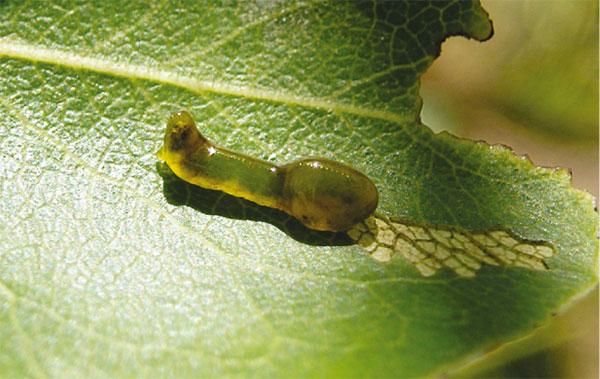
A black leech-like larva feeds on leaves. Cherry plums will dry out, and the foliage will be less dense. For low-level infestations, folk remedies can be used. For example, trees can be sprayed with a chamomile and wormwood infusion for three weeks, seven days apart.
But there are other control methods. These include biological treatments such as Fitoverm and Lepidocide. Eliminating the pest is easy; it's important to regularly inspect the cherry plum.
Brown fruit mite
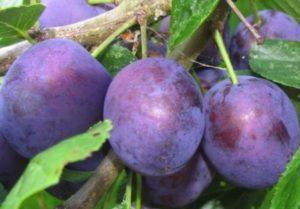
The insect can kill the entire tree. The mite is about 0.5 cm in size. It's best to eliminate it in the spring. The tree bark is cleaned and treated with a lime solution. Spraying with the following preparations is also recommended:
- Fufanon;
- Fitoverm;
- Neoron.
It's best to treat cherry plums when larvae appear. Afterward, fertilize the tree to restore its strength.

Wrinkled bark beetle
This is a small black beetle that overwinters under the bark. The larvae pupate from spring to mid-summer. The beetles consume parts of the tree. They rarely appear on healthy plants. It is important to promptly remove and burn damaged branches.

Gall mite
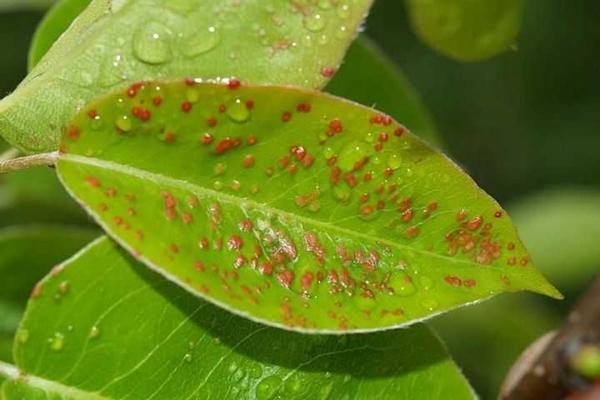
This mite resembles a worm. It attaches itself to the cherry plum tree, resembling warts. In the spring, the insects absorb the sap of the leaves, making them noticeable by their reddish color.
In summer, they resemble tree bark, making them difficult to detect. Diseased parts of the tree must be removed. The diseased plant is treated with sulfur.
Ants
These insects eat sap and buds. Ants promote aphid infestations. They also dig up the soil, damaging roots. Protective barriers are used to combat them. Trunks are coated with tar.
To protect the tree from ants, a belt treated with glue is placed around the trunk. The chemical components are effective in killing the ants.
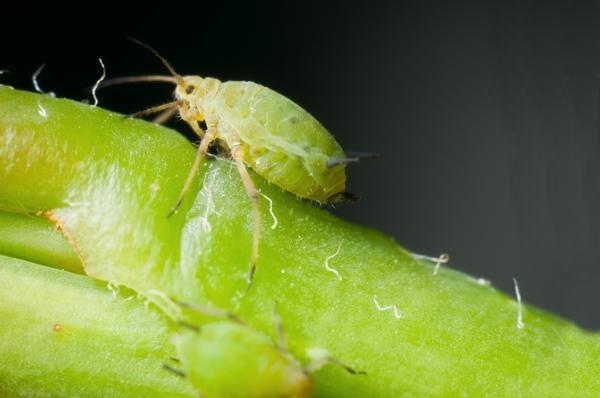
Aphid
Signs of this pest include wilted, curled leaves. They dry out and fall off. Aphids can vary in color, but are usually green.
The tree should be treated before bud formation. It should be watered with a solution of dried marigolds. Ash should be mixed with soap, this mixture should be left to sit for two days, and then sprayed. Solutions based on citrus peel and laundry soap are also helpful.
Prevention and protection of orchards
The list of parasites and diseases that affect cherry plum is extensive. To prevent them, preventative measures are necessary:
- With the arrival of spring, the trunks are whitewashed with lime. This is also done in the fall, after the harvest.
- The plant requires organic and mineral fertilizers. Fertilizing should be done regularly.
- It's best to plant cherry plums with dill, lavender, and mint. These plants have a fragrant aroma that repels many pests.
- Trees are sprayed with a soapy solution. A solution based on table salt is also effective. These treatments are performed during and after flowering.
- Cherry plum needs to be inspected regularly so that the tree can be treated in a timely manner.
Many diseases and pests can be eliminated. It's important to take immediate action and treat them promptly. Healthy trees will reward you with a bountiful, high-quality harvest.
Related posts:
 The best grape varieties for growing in the Urals, planting and care rules in summer
 80 Best Eggplant Varieties for Different Regions with Descriptions and Characteristics
 The best eggplant varieties for growing in a polycarbonate greenhouse: planting and care
 Descriptions of the 20 best cherry varieties for the Moscow region, their planting and care
 Description and characteristics of the 27 best plum varieties for the Urals, planting and care
 Causes and treatment of cherry diseases, methods of pest control
 Description and characteristics of the 45 best types of peaches, growing rules
 Methods for planting and propagating cherries at home