
- Description and life cycle
- Signs of defeat
- Preventive measures
- Digging
- Landing time
- High-quality planting material
- Choosing a location
- Crop rotation rules
- Neighborhood with carrots
- Proper watering
- Methods of control
- Folk remedies
- Saline solution
- Potassium permanganate
- Wood ash
- Infusion of tobacco dust
- Proper disposal of rotten bulbs
- Dandelion root
- Insecticidal plants
- Birch tar
- Ground red pepper
- Kerosene
- Vinegar
- Laundry soap
- Metronidazole
- Ammonia
- Naphthalene
- Deworming tablets
- Iodine and boric acid
- Chemicals
- Fly-eater
- Aktara
- Karate Zeon
- Tabazole
- Sochva
- Ammonium carbonate
- Medvetoks
- Zemlin
- Intavir
- "Immunophytophyte"
- Diazinon
- Creolin
- Bazudin
- Alatar
- "Spark Double Effect"
- The drug "Moveton Nova"
- Agrotechnical methods
- Loosening
- Weeding
- Thinning
- Destruction of affected plants
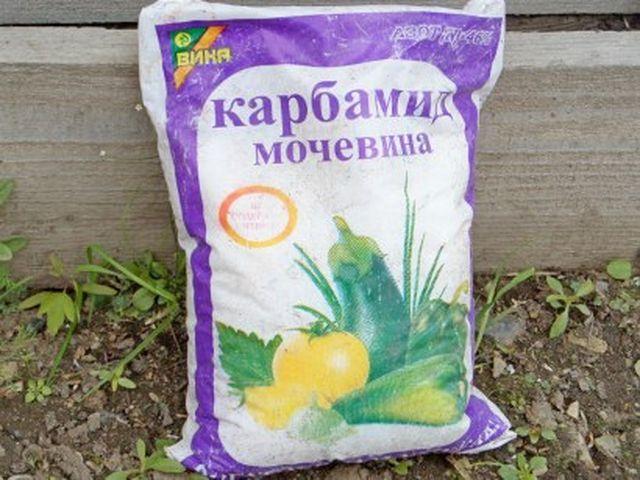
- Urea fertilization in May
- Adviсe
When asked what onion flies are and how to properly control them, gardeners recommend various folk remedies. However, in case of large infestations, insecticides are necessary, as they quickly eliminate not only adult insects but also larvae.
Description and life cycle
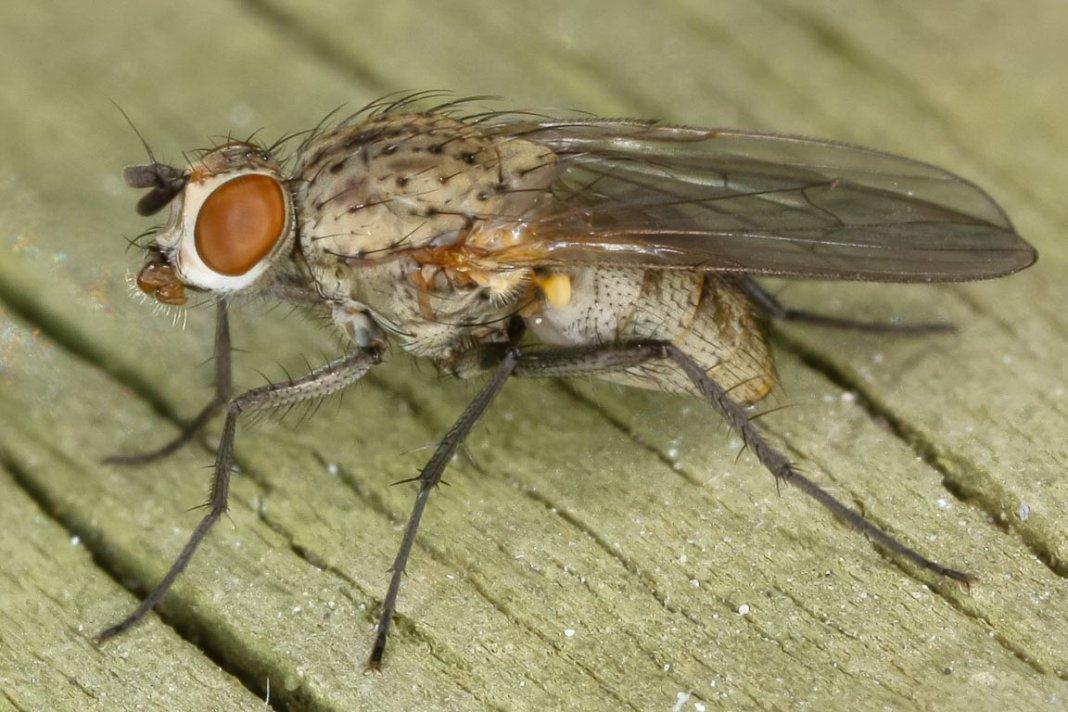
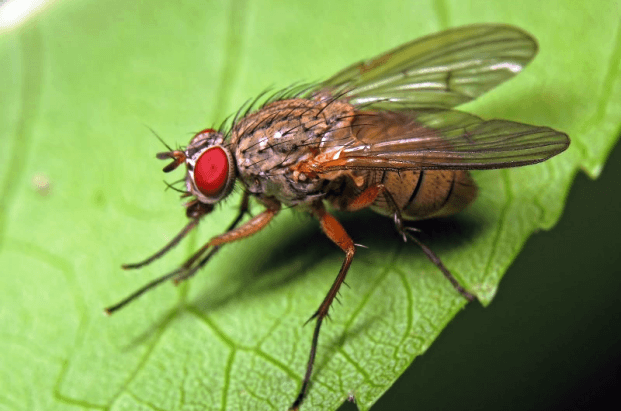
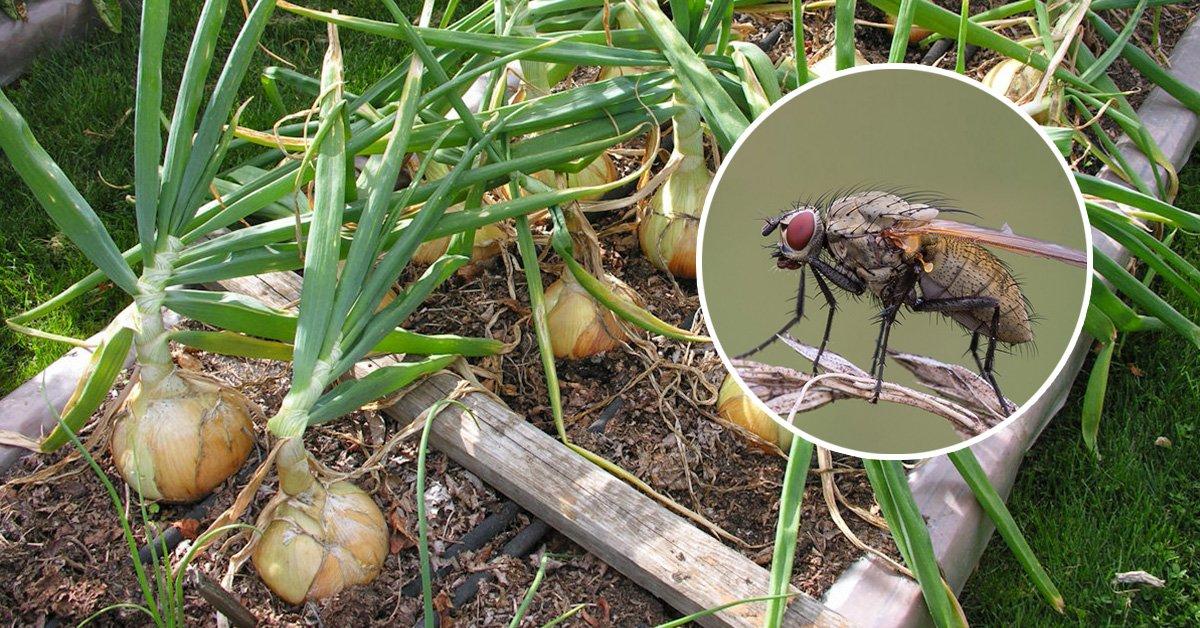
The onion fly is small and very similar in appearance to a common houseplant. Its body length reaches 6 mm, and its color is usually gray with a slight pale green tint. Therefore, it is virtually invisible on the plant. Its eyes are red or burgundy.
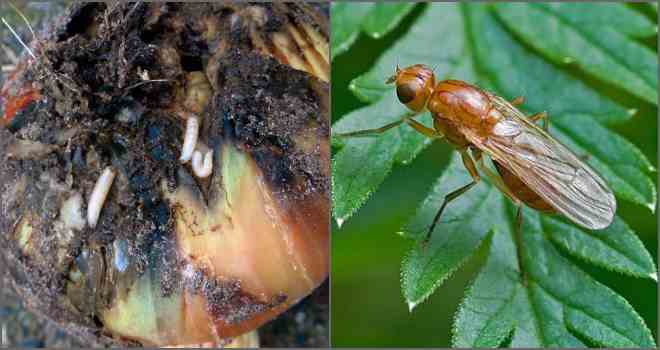
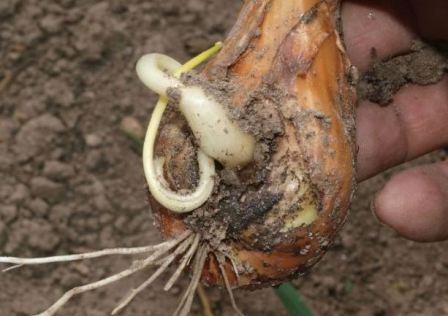
The insect appears in garden beds in late April or mid-May, depending on weather conditions. The female can lay up to 15 eggs at a time, which hatch into larvae within 3-4 days. The larvae are small and white. They feed on young onion shoots and can sometimes accumulate in large numbers within the bulbs. After 10-12 days, they pupate and fall into the soil for several weeks. After this time, new adults emerge and spread throughout the garden.
Signs of defeat
The following types of signs are identified that indicate the appearance of such a pest as the onion fly:
- green shoots of onions begin to turn yellow;
- an unpleasant foul odor is formed;
- onion feathers become broken;
- the onion begins to rot;
- Flying insects can be seen above the beds.
Often, in severe cases of pest infestation, large numbers of larvae can be seen when a damaged bulb is broken.
Preventive measures
To prevent the occurrence of pests, it is necessary to take appropriate measures in a timely manner.
Digging
Digging up the soil will help get rid of the pest. The insect's pupae are most often stored in the soil, and digging up the soil in the fall disinfects it with frost.
Important: Onion flies reproduce quickly. They can lay eggs up to three times during a season.
Landing time
Choose the right time to plant onions. All varieties of onions should be planted in the soil as early as possible, after the soil has warmed to the required temperature. Onions tolerate low temperatures well, and light frosts will provide additional pest control. Autumn is the best time to prepare the plot for planting, so remove all old leaves that may harbor larvae.
High-quality planting material
Onion planting material must be selected very carefully. Avoid purchasing onions from untrusted sources. The planting material may contain pest eggs, which, once in the soil, will begin to develop and, within a few weeks, will manifest as a swarm of onion flies. Before planting, treat the seeds with a solution of potassium permanganate.
Choosing a location
When planting onions, pay close attention to the site's location. The bed should be in a well-ventilated area with adequate sunlight. Also, the planting site should not be located in a humid area, which can lead to diseases and pests.
Crop rotation rules
To reduce the risk of pest occurrence, it is necessary to follow the basic rules of crop rotation. Onions should not be planted in the same area for several years; it is necessary to regularly change the planting locations of crops.
Also, onions are not planted in places where crops with the same pests as onions were previously grown.
Neighborhood with carrots
Planting carrots next to onions can help protect them from fly infestation. Carrots repel the pest and do not affect the onion's growth or yield. It is recommended to alternate onion beds with carrot beds.
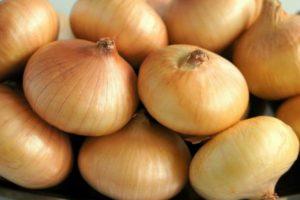
![When should onions be harvested in [year] in the Moscow region from the garden for storage?](https://harvesthub.decorexpro.com/wp-content/uploads/2018/07/uborka-luka-8-300x200.jpg)
Proper watering
Onions need to be watered as the soil dries out; excessive moisture can cause bulb rot. Weakened plants are susceptible to pest attacks.

In order to water the plant properly, it is necessary to use a watering can to distribute the liquid evenly. Watering should also be carried out until the end of June, after which it stops.
Methods of control
Various methods, including folk remedies, can be used to combat the pest.
Folk remedies
The advantage of folk methods is their availability and lack of harm to the crop.
Saline solution
This method eliminates the pest at the early stages of its appearance. To combat it, prepare a salt solution by mixing 200 grams of salt in a bucket of warm water. The resulting mixture is then poured into the onion rows using the root method. Apply the solution once every two months.
Potassium permanganate
Prepare a manganese solution by mixing 5 grams of potassium permanganate in a liter of water. Spray the plant and soil in the beds with the resulting solution. It can be used every 10 days.
Wood ash
The substance can be used in several ways:
- Mix a kilogram of ash in a bucket of water and spray the plants and soil between the beds. Apply once every 10 days.
- Spread a thin layer of ash between the beds and over the plants, after watering the area with onions.

Ash repels insects and acts as a fertilizer.
Infusion of tobacco dust
You can buy tobacco dust at any store that sells fertilizers and pesticides. Sprinkle the tobacco dust between your onion beds; the smell repels the pests. It can be used every two weeks.
Proper disposal of rotten bulbs
The harvest can be saved by removing rotten onions. Carefully remove the bulbs from the soil along with the soil and place them in a container. The beds should be watered beforehand. The growing area should be treated with a potassium permanganate solution to remove any larvae. Damaged onions should be burned immediately after removal from the soil.
Dandelion root
Use the fresh root of the plant, clean it of soil and rinse it with water. To make the solution, add a cup of crushed roots to a liter of water and let it sit for 5 days, then strain and mix with 9 liters of water. Spray every 7 days.
Insecticidal plants
The use of insecticidal plants can repel pests and combat a wide range of diseases. These plants include:
- tobacco;
- potato;
- red pepper;
- yarrow;
- garlic.

Tobacco can be used to control onion flies. Finely chop the plant and add water to it in a 1:5 ratio. The mixture is left to steep for two days and then used as a spray on the crop.
Birch tar
The recipe for a working solution is simple. To use, mix 10 grams of tar in a bucket of water and add 20 grams of liquid soap. The solution is stirred and used to spray onion beds. It can be applied every 15 days.
Ground red pepper
Red pepper has a scent that repels pests. To eliminate pests, sprinkle ground pepper along the garden beds. This method is considered effective at the first sign of onion fly infestation.

Kerosene
The substance has a strong odor, so kerosene can be used to repel onion flies. To use this method, take a bucket of sand and pour kerosene (400 grams) over it. Sprinkle the resulting mixture on the soil between the garden beds.
Vinegar
To use this method, place containers filled with vinegar along the onion beds. When exposed to sunlight, the substance begins to evaporate and repel pests.
Laundry soap
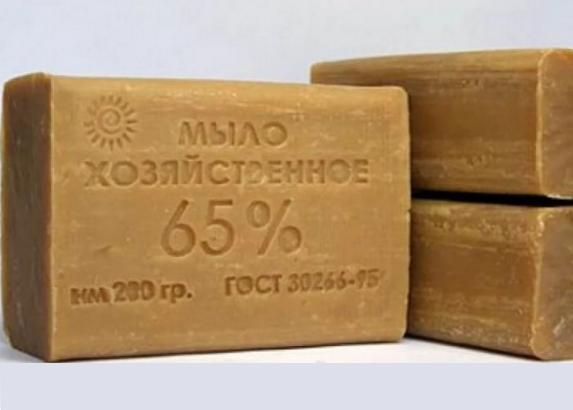
The most common home treatment for onion fly infestations is using laundry soap. To prepare the solution, grate a bar of soap finely and mix it with a liter of warm water. Once the soap has completely dissolved, mix the solution with 9 liters of water. Spray the solution on the onion beds every 15 days.
Metronidazole
This medicinal substance is an antibacterial drug used to combat fungal diseases and pests. To treat onions, crush 5 tablets of the medicinal component into a powder. Mix with 10 liters of water and spray the plant every 10 days.
Ammonia
To use a solution containing ammonia, mix the medicinal substance with water at a ratio of 3 tablespoons per 10 liters of water. Spread the resulting mixture among the beds every 15 days.
Naphthalene
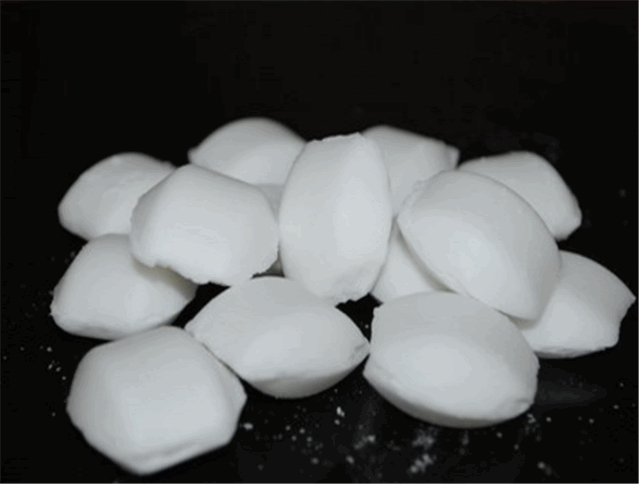
The product is most often produced in pellet form and has a strong odor. To kill onion gnats, crush 10 pellets into a powder and mix them in a bucket of sand. Sprinkle the sand between the beds.
Deworming tablets
Anthelmintics have an antibacterial effect and are most often used to remove larvae. It is also recommended to soak the seed material with the drug; to prepare a solution, mix one tablet of the drug in a liter of water.
Iodine and boric acid
The method has repeatedly proven its effectiveness; to prepare the solution you need:
- mix half a teaspoon of boric alcohol in 10 liters of water;
- add 3 drops of iodine and 5 grams of manganese;
- stir and add a spoonful of ammonia.
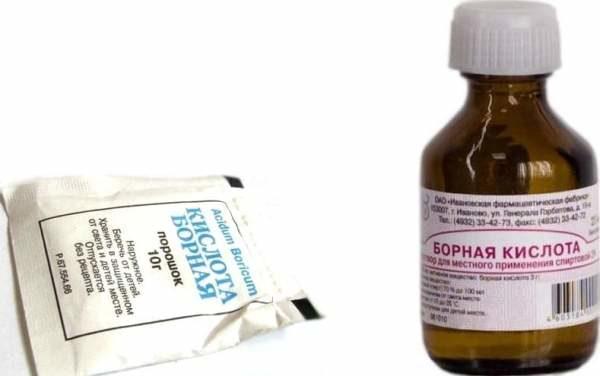
Each onion bush is watered with the solution every 15 days.
Chemicals
The use of chemicals allows you to get rid of the pest in a short time.
Fly-eater
The product contains diazinon. The active ingredient inhibits larvae and attacks adults. It is recommended for use during the planting of bulbs. The product should be applied to the soil and seedlings.
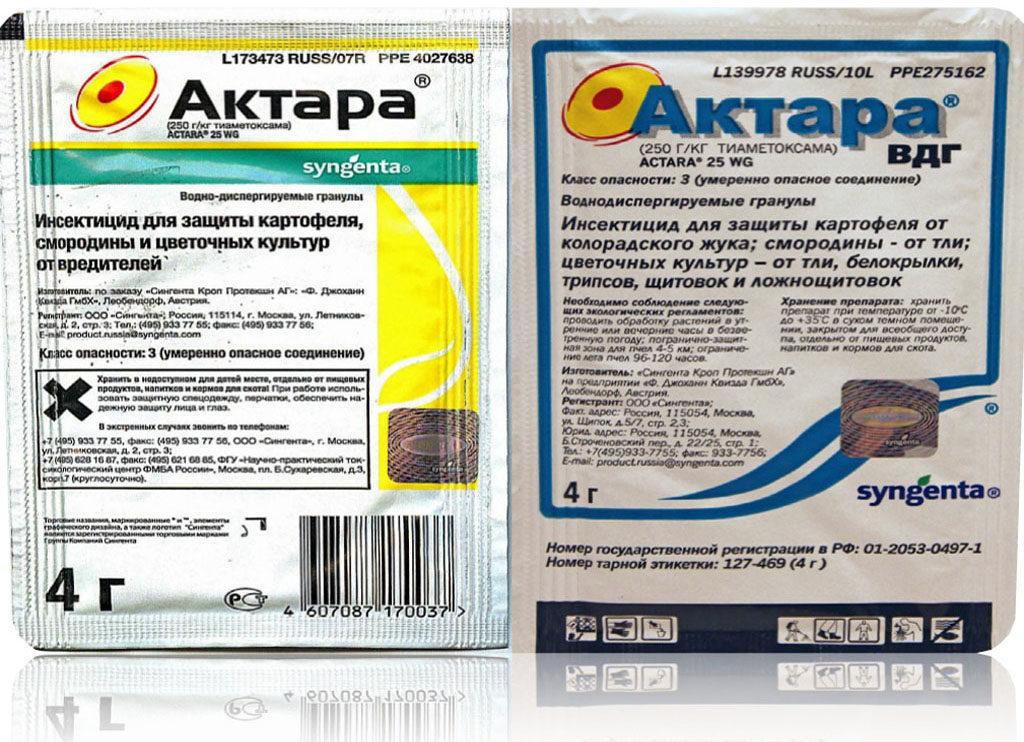
Aktara
To use the insecticide, prepare a solution by mixing 1 gram of the substance in 10 liters of water. Spray twice per season.
Karate Zeon
The product acts on the nervous system of pests, causing their death. It can be used throughout the plant's growth cycle. To prepare a solution, use 1 gram of the product per liter of water. It does not affect the taste of the crop.
Tabazole
Contains tobacco dust. One package of the substance should be diluted in a bucket of water and applied to the onion beds. Repeat the procedure after 10 days.
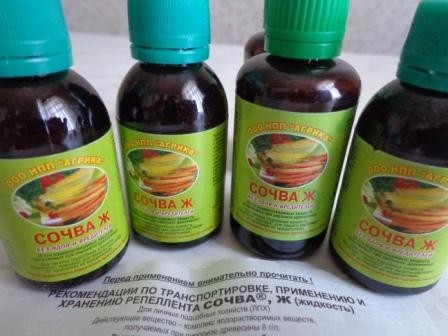
Sochva
It's considered a safe insecticide. To prepare a working solution, mix 5 grams of the substance in two liters of water. Spray every 7 days until the problem disappears.
Ammonium carbonate
It's a fertilizer, but it prevents diseases, including onion fly. To apply, spread the product at a rate of 60 grams per square meter. Water thoroughly afterward.
Medvetoks
The product comes in pea form and has a distinctive odor. To control onion flies, simply sprinkle the insecticide between the beds and loosen the soil. It eliminates the insect in just a few applications.
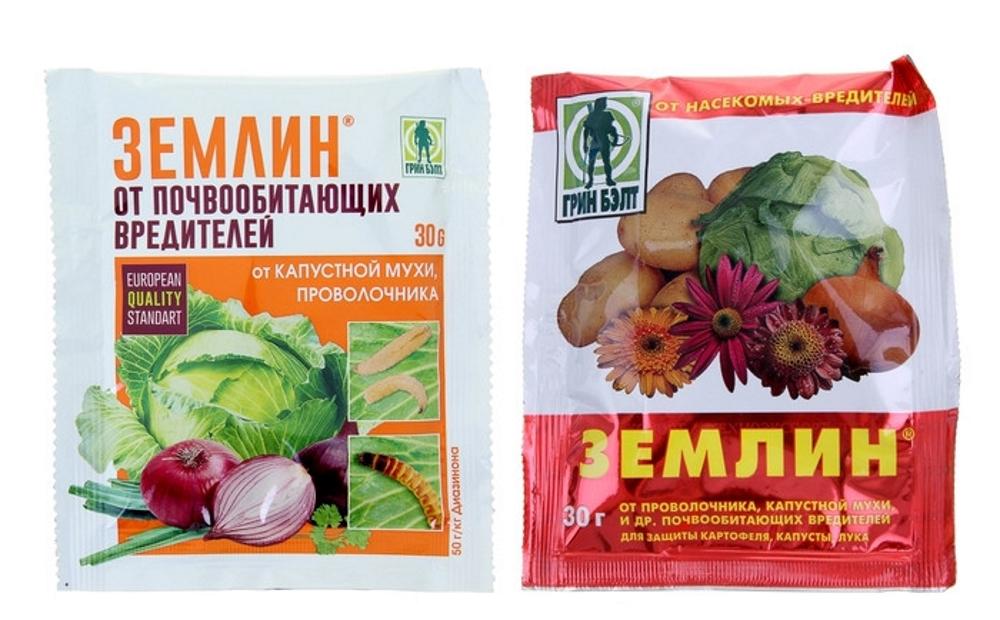
Zemlin
The insecticide's action targets pests that most often reside in the soil. The active particles of the substance, when absorbed by the pest, destroy it from the inside, resulting in its death. The instructions for use contain all the necessary instructions for using the product. The substance is distributed among the beds, after which the soil is loosened. It can be used every 20 days.
Intavir
Quickly destroys pests without harming plants. To use, mix one tablet with 2 liters of water. The effect of the spray is noticeable within 24 hours and can be used several times per season.
"Immunophytophyte"
The product is used once a month to spray onion beds. To prepare the solution, dissolve two tablets in two liters of water and spray the plants. It affects not only insect larvae but also insect eggs.
Important: To achieve visible results, add liquid soap to the insecticide solution to ensure the active ingredients adhere to the onion shoots.
Diazinon
It is used to eliminate all types of harmful insects. Upon contact with the pests, it can penetrate the body and cause death. Follow the instructions for use. This product may negatively impact human health. Therefore, it is necessary to wear personal protective equipment when handling onions.

Creolin
Using Creolin is a very common procedure for preserving onion beds. To apply, prepare a solution by mixing a spoonful of the substance with a bucket of water. Repeat the procedure after 21 days, and wear personal protective equipment during the application.
Bazudin
Use only for normal cultivation. Do not use during the growing season for feathers. Mix 30 grams of the substance with a bucket of sand and spread it over the onion plot.
Alatar
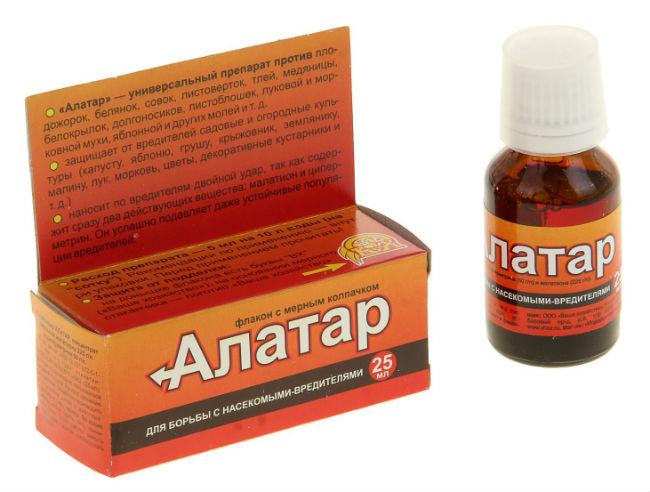
Used for severe cases of onion insect infestation. To prepare a solution, mix 5 ml with 10 liters of water. Spray the resulting mixture over the onion patch. Spraying should be done in the evening.
"Spark Double Effect"
Destroys larvae that have emerged in large numbers. The pesticide is used against all types of pests. For onions, prepare a solution by mixing 10 ml in a bucket of water. Spray the above-ground portion of the onions with the resulting mixture every 15 days.
The drug "Moveton Nova"
It penetrates the insects' bodies and causes death. To use, prepare a solution by mixing 10 ml of the substance with 10 liters of water. Apply the solution twice per season.
Agrotechnical methods
Using proper agricultural care reduces the risk of insect infestation and allows for timely detection of infestation.
Loosening
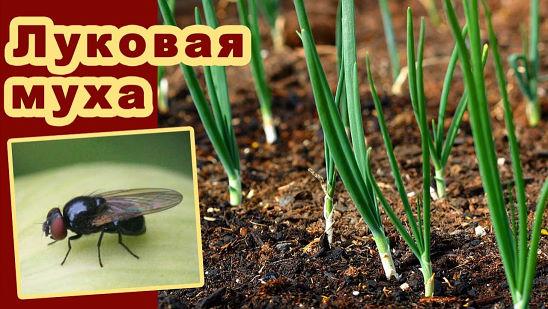
Effective for beds without visible damage. Loosening the soil oxygenates it and reduces moisture levels. These factors negatively impact pest larvae. Loosening is performed weekly.
Weeding
Timely weed removal is a good way to protect your crop from this pest. Weeds can carry onion fly eggs. Weeding should be done every two weeks.
Thinning
In dense plantings, onions are weak and susceptible to disease. To reduce the risk of insect infestations, thin the beds, leaving only the strongest specimens.
Destruction of affected plants
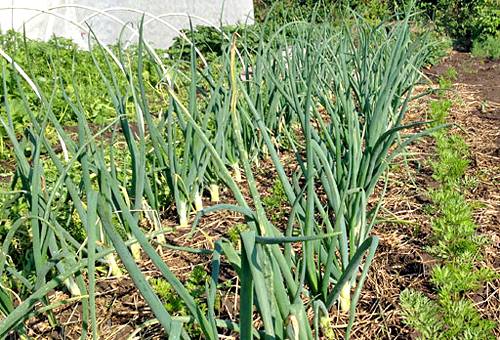
A damaged bush can quickly infect other plantings. The plant should be carefully removed and the growing area treated with an antiseptic. Such bushes exhibit visible symptoms of infestation, and when removed from the soil, a gray coating and larvae are visible.
Urea fertilization in May
Urea contains components that have a negative effect on insects. To use, prepare a solution by mixing one tablespoon each of chalk, urea, and copper sulfate. Dissolve the resulting mixture in 10 liters of water. Apply to onion beds.
Adviсe
To prevent onion fly, follow these tips:
- Planting marigolds will help against onion flies; their scent repels the pest.
- A wormwood infusion can protect crops from pests. You can use freshly cut wormwood or mix the chopped herb with water and let it steep for two days. Then spray the beds.
- The garden should be thoroughly cleaned after harvesting, with all dry leaves and branches destroyed by burning. The soil should be dug to a depth of 20 cm.
Following these tips will help prevent infestation of your garden beds and preserve the taste of your onions.
Onions are resistant to diseases. However, the presence of onion flies can cause damage. Timely use of insecticides will eliminate not only adult insects but also the larvae.
Related posts:
 How to combat powdery mildew on onions using folk and chemical remedies
 Causes of phylloxera in grapes, control measures with drugs and folk remedies
 How to propagate and grow peas, cultivation technology, and care in open ground
 Description of the best varieties of onions, planting and care in open ground
 Control of onion pests using chemical and folk remedies
 How to control carrot flies with medications and folk remedies
 How and when to plant onions to get large bulbs
 How to control aphids on currants using chemicals and folk remedies
I thinned, loosened the soil, and removed individual onion fly-infested specimens. Then, in early July, after a string of torrential rains, a veritable avalanche of yellowing onion leaves occurred. Upon examining the large bulbs I'd already removed, I was stunned by the presence of maggots and rot on the surface of the onions. Before planting, I'd soak the onion sets for half an hour in a strong solution of potassium permanganate. This year, I skipped this procedure. And here's the devastating result. A modified version of the expression "lazy, wicked."
Yes, you're right, often a single overlooked detail can ruin all your painstaking work. The onion fly is famous for its ability to lurk deep in the roots of onions, destroying the harvest. And not just the tops of the onions, but the bulbs themselves. And damp, rainy weather is ideal for the development of rot and fungus. It's good that you know how to properly treat your seeds. Try to put your experience to good use in the future.