
- Rules for conducting the procedure
- Deadlines
- Necessary tools
- How to cut branches
- Types and features of cherry plum pruning
- Sanitary
- Thinning
- Formative
- Rejuvenating
- Plan for pruning cherry plum
- We form seedlings and young trees
- We prune a fruit-bearing tree
- Caring for an old plum tree
- The nuances of forming different varieties
- Bushy
- Arborescent
- Columnar
- Hybrid
- How to care for a plum tree after the procedure
- Beginner mistakes
Summer pruning of cherry plums is considered an important part of plant care. Correct and timely pruning can increase yields and improve fruit quality. Regular pruning ensures uniform branch growth and promotes fruit formation on the main branches. To achieve good results, it's crucial to perform this pruning correctly.
Rules for conducting the procedure
For the procedure to be effective, it must be performed correctly. This requires focusing on the optimal timing and preparing all the necessary tools.
Deadlines
When pruning cherry plums, it's important to first determine the timing of the procedure. Each season has its own characteristics, and therefore the plant reacts to this procedure differently.
The correct time to prune cherry plums is in the spring. This should be done before the buds appear—in March or April. During this period, sap flow is low, so the tree responds more easily to pruning.
Affected areas don't exude much sap, allowing them to dry out and heal more quickly. Don't delay this procedure until late spring, as this will reduce yields.
Summer pruning is performed quite rarely. During the warmer months, the tree accumulates valuable nutrients. Removing branches deprives the tree of these nutrients. Only small amounts of cherry plum pruning are permissible in summer. This is usually done for sanitary purposes. It is important to remove dead branches or shoots that grow inward.
In the fall, pruning is performed only for sanitary purposes. Don't worry about removing too many branches—this won't affect future yields. When pruning, be sure to remove all dead and diseased branches, as they can harbor pests.
You can also safely get rid of shoots that do not bear fruit.
This procedure is not recommended in winter. The cold causes branches to become brittle, making pruning quite difficult. Furthermore, winter can make wound healing more difficult.
Necessary tools
To prune cherry plum, you should take the following:
- grafting knives;
- pruning shears;
- file;
- triangular file.
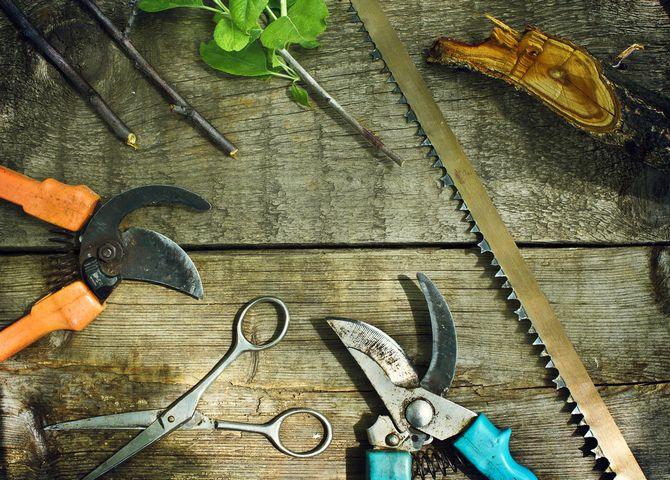
In addition, you'll need a sharpening jig for your tool. You'll also need a belt, rope for securing branches, and a chisel for cleaning wounds. You'll also need materials for treating the affected areas, such as paint or garden varnish. It's recommended to sharpen cutting tools before pruning. It's important to keep them as sharp as possible.
How to cut branches
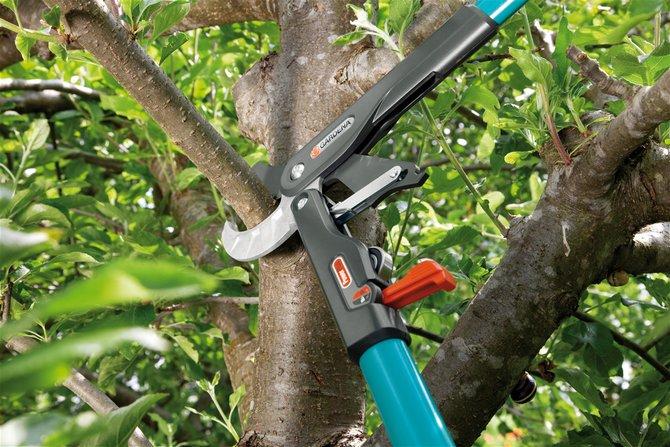
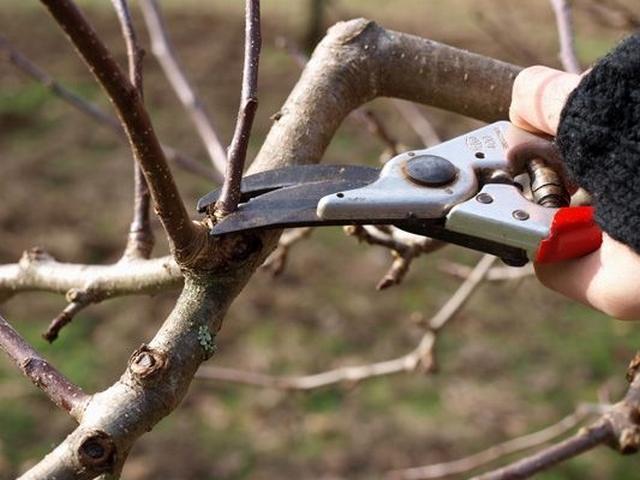
When pruning, be sure to maintain the proper shape of the cut and maintain a proper distance from the bud. Follow these guidelines:
- Prune a portion of the cherry plum branch to avoid creating a stump. The thorn above the bud should not exceed 2 millimeters. Leaving a stump during pruning increases the risk of disease.
- Make a diagonal cut directly above the bud. The bottom of the cut should reach the base.
- The cut for the ring is made along the shoot bud. Other procedures cause serious damage to the plant.
Types and features of cherry plum pruning
There are several different types of crop pruning. They are designed to solve different problems and therefore have specific characteristics.
Sanitary
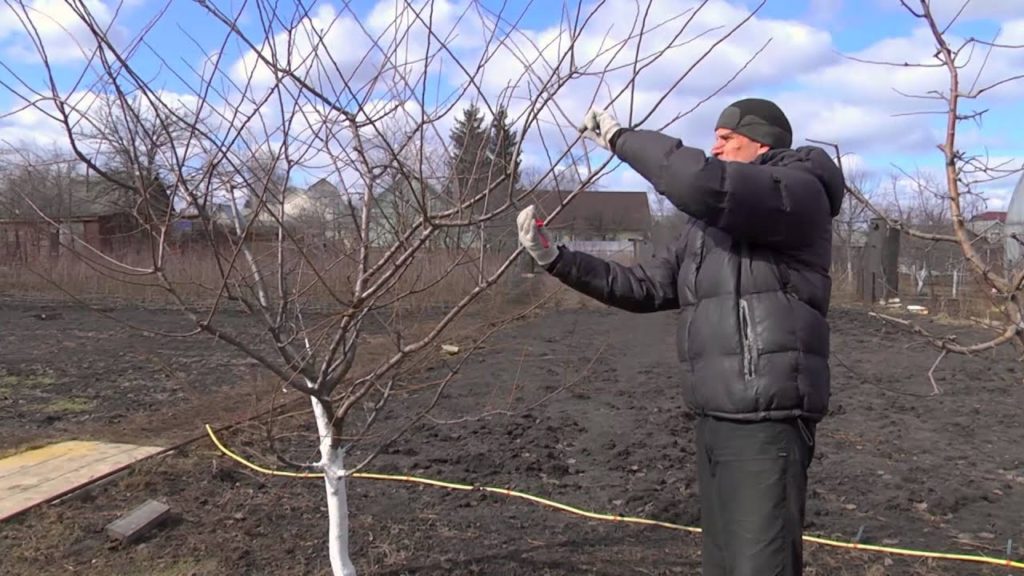
This type of pruning should be performed at least twice during the season. The first time is in the spring, before the buds swell. The second time is in the fall, after the leaves have fallen. Sanitary pruning helps remove dead and broken branches from the tree. It is also recommended to remove shoots infected with fungus and other diseases.
Thinning
The purpose of this type of pruning is clear from its name. It aims to remove excess density from the crown. This involves removing shoots that are growing incorrectly. Branches that grow deep into the crown should also be removed. Furthermore, suckers, which are vertical shoots, are removed.
Formative
This type of pruning is performed in the first years of a plant's life. It helps shape the crown of a young tree. It can be cup-shaped or pyramidal. A sparse, tiered crown shape is also available.
The formative pruning schedule depends on the gardener's discretion. It should be selected based on the climate, cherry plum variety, and personal preference.
Rejuvenating
This type of pruning is performed when cherry plum fruiting significantly declines and growth decreases to 10-15 centimeters. Rejuvenation pruning aims to gradually replace old wood with new. This involves removing a portion of the old branches—no more than a quarter. New shoots emerge in their place, allowing the tree to reshape.
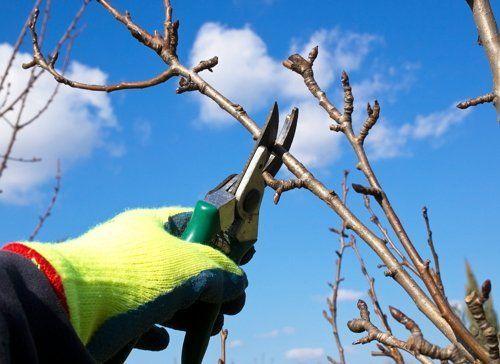
After four seasons, the crown is completely renewed. This procedure helps significantly extend the tree's lifespan and fruiting period.
Plan for pruning cherry plum
When pruning, it's important to consider the tree's age. Depending on this criterion, the rules for performing the procedure differ significantly.
We form seedlings and young trees
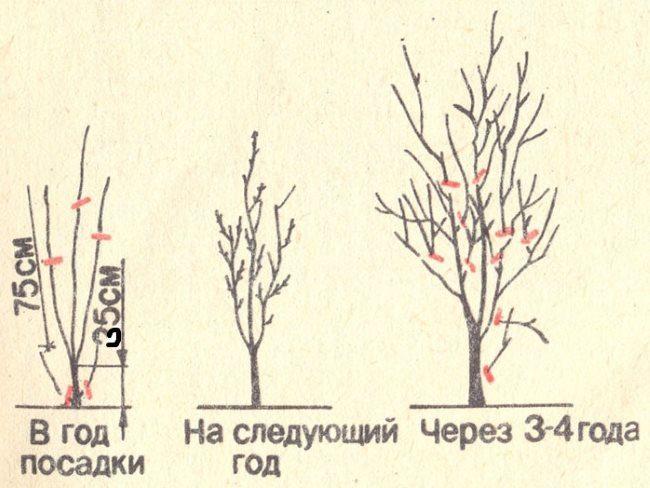
After planting the tree in the ground, it's important to focus on creating the correct crown. After 3-4 years, the plant will develop a skeleton. Young trees are typically shaped into a bowl. This ensures sunlight reaches the central part of the crown.
The bowl shape implies the absence of a single conductor. The skeletal branches, however, point in different directions from the trunk. They are arranged symmetrically. This gives the tree a bowl-shaped appearance.
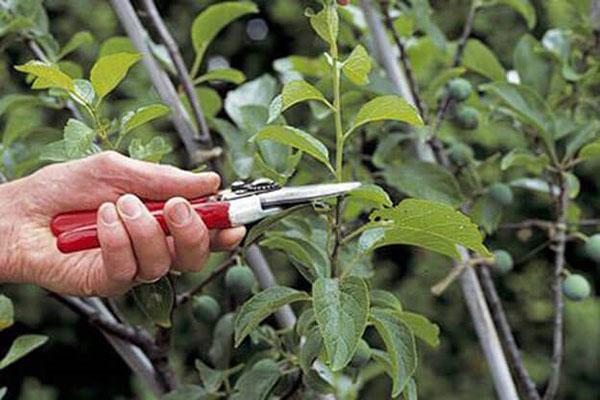
Two branches should be selected from young trees. These will act as scaffold shoots in the first tier. They should be pruned back to 0.5 meters to stimulate the growth of secondary branches. If the main shoots are smaller, they should be pruned back by a third of their length. The remaining pruning is done the following year.
To form a flat crown, the second tree branch, located above the first, is cut at the same level. The main conductor is shortened by at least 30 centimeters. The skeleton will be formed by the third year.
We prune a fruit-bearing tree
A mature plant requires sanitary pruning. This includes removing dead, diseased, and abnormally growing branches. Also, remove shoots that obscure neighboring branches or grow inward.
The finished crown should have 4-5 skeletal branches with multiple shoots growing in the correct direction. There should be at least 45 centimeters of space between tiers.
Rejuvenation pruning should be performed at intervals of 5-6 years. The older the plant, the more severely the branches should be pruned. At 5-6 years old, cherry plums produce a large harvest. However, branch growth decreases. It's important to constantly monitor shoot development and avoid excessive crown density.
Caring for an old plum tree
This type of tree requires sanitary pruning. This involves removing dead and barren branches. Additionally, downward-facing shoots, shoots intertwined with other branches, and shoots growing inward can be removed.
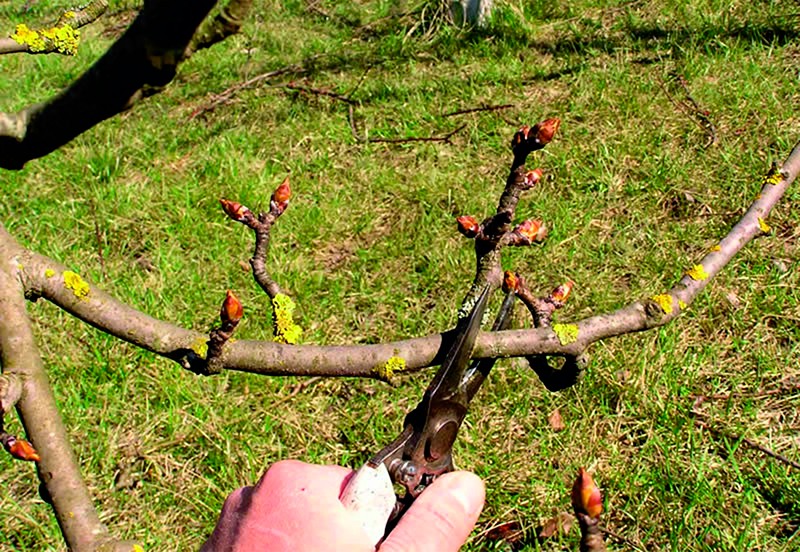
Pruning mature plants is recommended to increase yield and normalize fruit characteristics. It's important to monitor the plant's condition after winter. If a large number of fruit buds are frozen, severe pruning is recommended.
The nuances of forming different varieties
When pruning, it's important to consider the type of cherry plum. This will influence the technique used.
Bushy
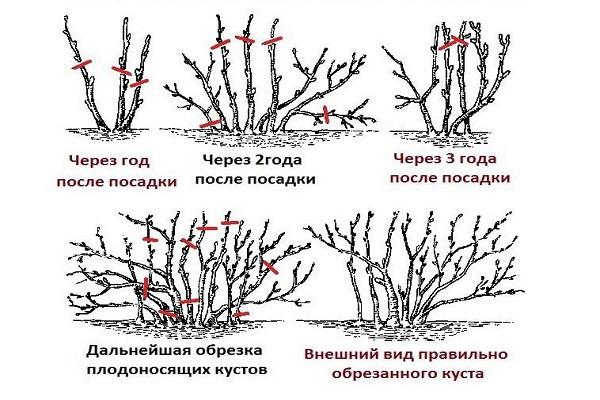
These varieties produce fruit on one-year-old growth. If not pruned thoroughly, mature plants will produce fruit on the periphery within 3-4 years. In severe cases, pruning should be done gradually.
It is recommended to do this every 2-3 years, which will help to avoid a decrease in crop yield.
First, it's recommended to thin the tree. This involves removing bare and hanging branches. Then, guide the growth in the desired direction. Then, shorten the branches. This will help shift fruiting from the periphery to the center.
Arborescent
Depending on size, the following types of crops are distinguished:
- tall – reach 6-9 meters;
- medium-sized – grow to 7 meters;
- low-growing – reach 4-5 meters.
Pruning of these trees aims to remove branches that intertwine and grow downward. If annual growth is less than 50 centimeters, pruning is not recommended. Pruning is performed on weakly branched parts of the tree. Weak shoots are not pruned.
If growth declines, prune branches back to 2-3-year-old wood. If growth stalls, prune back to 5-6-year-old wood. Branches should be removed from 20-year-old trees. This is done when yields are low. This procedure will help rejuvenate the plant.
Columnar
These varieties require thinning of the main stems. This helps reduce the growth of new growth. Removing shoots on mature trees improves the quality of the harvest.
Hybrid
These include dwarf varieties. In these varieties, the main stem bends to the side, and the branches take on a cup-shaped form. Fruit appears on one-year-old shoots and on bouquet branches aged one to two years.
Buds in these varieties awaken with difficulty. They are also characterized by weak branching of shoots. The early-fruiting hybrid produces shoots that grow over 1 meter per season.
Therefore, it's worth pruning the shoots every year. This will help maintain a neat crown, improve light, and enhance the quality of the harvest. Without pruning, the fruit will become small and tasteless.
How to care for a plum tree after the procedure
Cherry plum has certain characteristics. Its wood dries out quickly. Furthermore, the plant is susceptible to a disease called white rot. It develops especially often on frost-damaged trees. Although cherry plum tolerates pruning well, the cut areas must be treated.
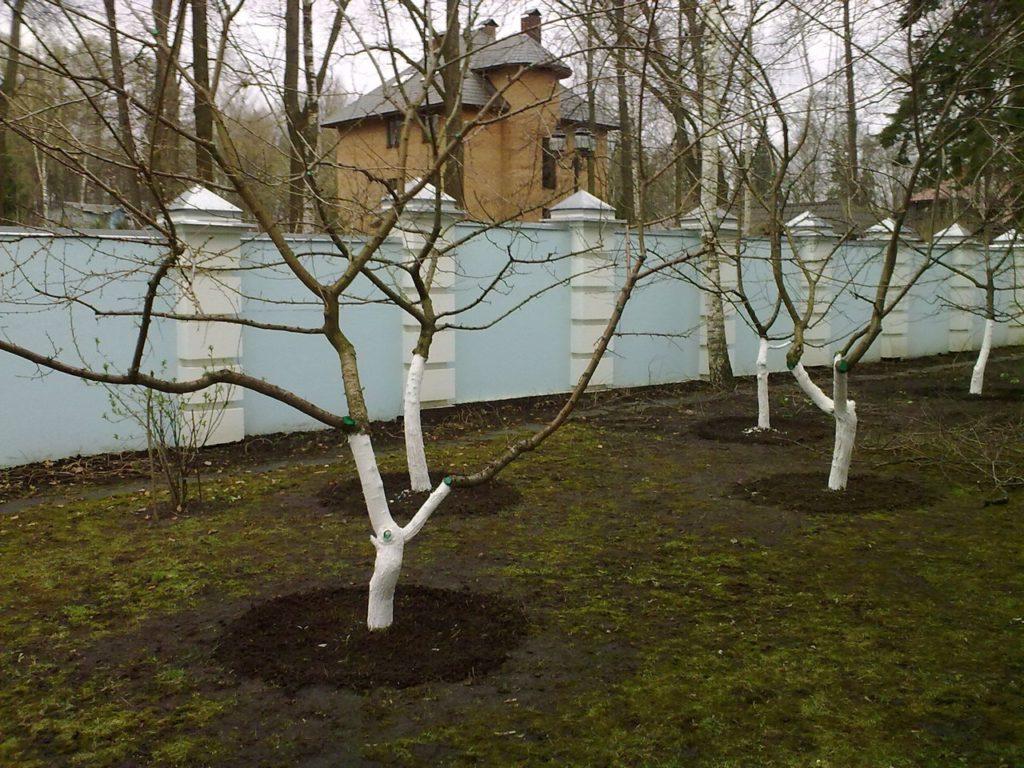
Cherry plums also often experience gummosis. The problem is localized in areas of damaged bark. Other factors include heavy soil, high soil moisture, excessive manure, or nutrient deficiencies. These factors should also be taken into account when shaping the crown.
To prune old cherry plums, use a sharp tool such as a saw or knife. Remove shoots very carefully. This will help avoid creating unnecessary wounds. Afterward, treat the cut areas with asphalt varnish or nigrol putty. Petrolatum can also be used.
Beginner mistakes
Beginner gardeners make common mistakes when pruning trees:
- Many people believe that pruning is prohibited due to gum secretion. However, pruning does not harm a healthy tree. Excessive crown density significantly reduces yield, reduces aeration, and promotes plant diseases.
- Some people don't prune enough in the first few years because they want to get a quick harvest. This results in significantly fewer fruits.
- Sometimes gardeners don't seal the cuts after removing thick branches. The gum released provides an excellent breeding ground for fungi.
Cherry plum pruning is an effective procedure that produces excellent results. It aims to form a proper crown and remove weak and diseased branches. This increases the yield and improves the taste of the fruit.
Related posts:
 Timing and rules for peach pruning, formation scheme after harvesting
 When and how to prune currants, the scheme and timing
 Timing and types of apricot pruning, schemes and methods for crown formation
 When and how to prune an apple tree, and is it possible to shape the crown in summer?
 When and how to prune cherry trees correctly, and tree shaping schemes for a good harvest
 Methods for planting and propagating cherries at home
 Rules for pruning raspberries in summer, in July, and how to harvest a good crop
 How to prune plums correctly, timing and features