
- Objectives and tasks of pruning
- Bush formation
- Increasing crop yields
- Prevention of diseases and parasites
- Tool preparation
- When is the best time to prune raspberries?
- In the spring
- In summer
- In the fall
- Specifics and rules of pruning
- Double
- Triple
- We are developing remontant varieties
- According to Sobolev's method
- Caring for raspberries after the procedure
Proper pruning of raspberries in the summer, in July, can achieve good growing results. It's important to prepare the necessary tools and familiarize yourself with the technique beforehand. For a successful pruning, follow the recommendations of experienced gardeners. Post-pruning care is also crucial.
Objectives and tasks of pruning
Experienced gardeners insist that when growing raspberries, it's essential to remove excess branches. However, this must be done correctly.
Bush formation
Raspberries look more attractive after pruning. This procedure helps reduce the number of branches and accelerate the development of young shoots. These shoots gain strength and can survive the cold season. Proper bush training increases yield.
Increasing crop yields
The shoots that appear on raspberries during the first season do not produce fruit. In almost all raspberry varieties, the buds from which flowers emerge are formed on two-year-old shoots.
After fruiting, they die, but new branches then emerge from the rootstock. If you prune off the dead branches promptly, you can increase the yield next year. This will also result in larger berries.
Prevention of diseases and parasites
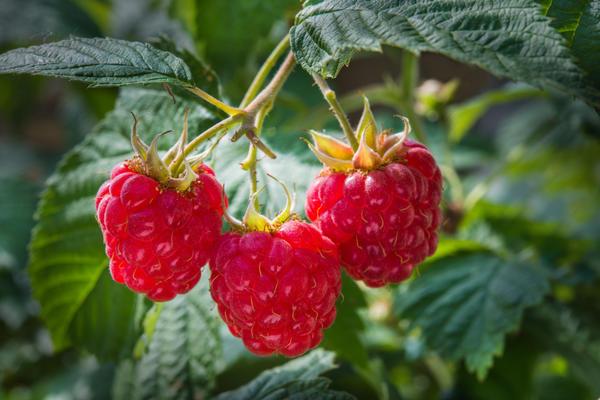
Leaving all young shoots behind risks overcrowding the raspberry bushes. This disrupts ventilation and prevents sunlight from penetrating the thicket. This creates favorable conditions for the growth of fungi and the accumulation of harmful insects.
With timely pruning, it is possible to avoid high bush density and prevent the proliferation of harmful microorganisms that cause mosaic and anthracnose.
They can also cause powdery mildew and leaf curl. Pruning old, two-year-old shoots makes berry picking easier and improves their flavor. Fruit ripened in the sun becomes sweeter. Plants are also less susceptible to disease.

Tool preparation
Raspberry pruning tools must be disinfected beforehand. Otherwise, they can spread infection. To perform the necessary procedures, you will need the following:
- pruning shears or scissors – help remove shoots;
- lopper – used to shorten thick stems;
- knife – allows you to correct unevenness.
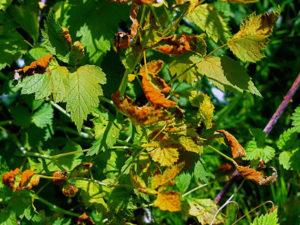
You may also need a rake to collect fallen leaves and dried branches. Kerosene and vodka can be used to disinfect equipment. Potassium permanganate or alcohol can also be used.

When is the best time to prune raspberries?
Pruning times vary. Winter is an exception. The first time the bush should be pruned is at planting time. It is recommended to complete the work one month before the first frost.
In the spring
With the arrival of spring, all shoots appear identical. To determine the ideal time for pruning, it's best to look at the condition of the buds. If they swell and open, you're ready to begin. The tips of the branches should be trimmed back. This helps prolong the fruiting period.
In summer
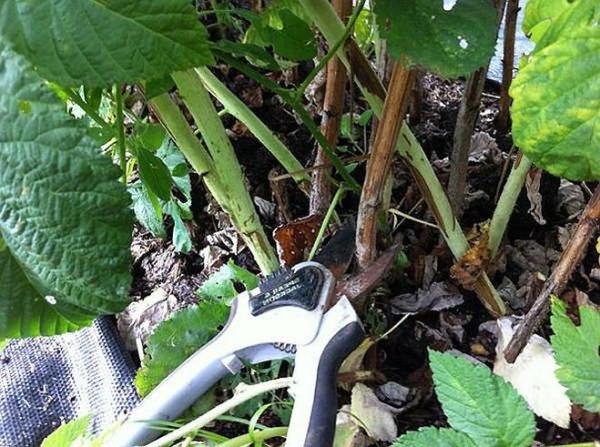
A single pruning isn't enough to ensure a high yield. Summer pruning will help increase the number of berries. Thinning out shoots is recommended in June. Dead branches should be removed in July. In August, it's recommended to limit the number of new shoots.
In the fall
The pruning period depends on the region where the raspberries are grown. After harvest, raspberries are often attacked by pests. Pests accumulate in older branches. Therefore, dry shoots should be burned. To increase yield, raspberries should be pruned in winter, paying attention to the tops.
Specifics and rules of pruning
Raspberry varieties vary in frost resistance, fruiting, and growth rate. Pruning methods for common and black raspberries may vary. To prune raspberries correctly, it's worth familiarizing yourself with the proper pruning procedure for beginners.
Double
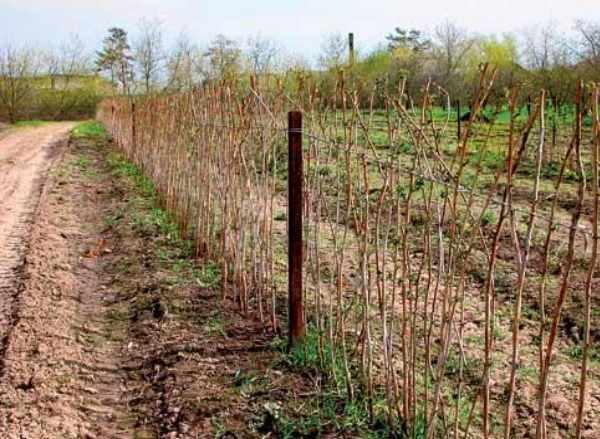
To increase crop yields in the central part of the country, a double pruning method can be used. In late spring, stems that are 80 centimeters tall are shortened by 10 centimeters. This method stimulates the growth of lateral shoots and inhibits the development of the top shoots.
By the last month of autumn, eight branches may be visible on the bush. These should be covered with spruce branches for the winter. By the next spring, the shoots will reach 0.5 meters in height. They should be pruned back to 15 centimeters.
This type of pruning makes raspberries everbearing, allowing harvesting until September.
Triple
Experienced gardeners often use the triple pruning method. However, not everyone knows how to do it correctly. This involves pruning and removing dead shoots in spring, summer, and fall. At the end of the next growing season, two-year-old raspberry shoots are cut back. The remaining shoots are thinned out.
We are developing remontant varieties
Everbearing and semi-everbearing raspberries produce fruit throughout the season. They are characterized by excellent yields. Both young and two-year-old shoots bear fruit. Therefore, proper pruning can help increase yields.
To carry out the procedure, you should adhere to the following rules:
- in autumn, leave the branches uncut;
- In spring, leave 3-6 young shoots on each plant, while weak branches should be removed;
- At the end of spring or the first half of summer, stems that have grown in height should be pinched by 10-15 centimeters - this will increase the number of new shoots;
- In the fall, last year's shoots that produced a harvest are completely cut out - this helps strengthen the young shoots.
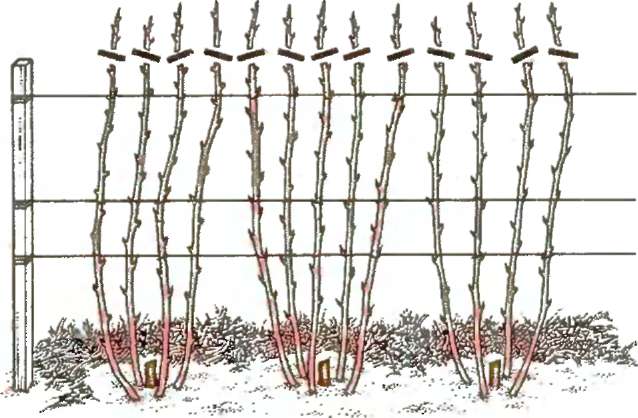
This method allows for nearly constant fruiting throughout the season, which lasts from July to October.
According to Sobolev's method
This is the most popular method of pruning raspberries. It's considered simple and effective. Moreover, the technique is suitable even for novice gardeners. Using this pruning technique, raspberries should be shaped in the spring and fall. The first pruning is performed in late May or early June, when the new stems reach 100 centimeters.
Any further manipulation is prohibited. Otherwise, the shoots will not gain strength and will not survive the winter. At this stage, 15 centimeters of height should be removed. After this, the plant will begin to develop lateral shoots.
Sprouts appear in just a couple of days. By early autumn, a strong stem with 5-6 shoots has formed, each about 50 centimeters long. The following spring, when the first leaves appear on the shoots, the next stage of pruning begins.
The procedure is aimed at shortening shoots that survived the winter well by 10-15 centimeters. This will encourage the growth of many new branches on the main trunk.
This pruning method achieves excellent results. The bush becomes covered with numerous berries, and the fruiting period continues until frost sets in. This method transforms regular raspberries into everbearing raspberries. This type of pruning significantly increases yields.
Take a look Also
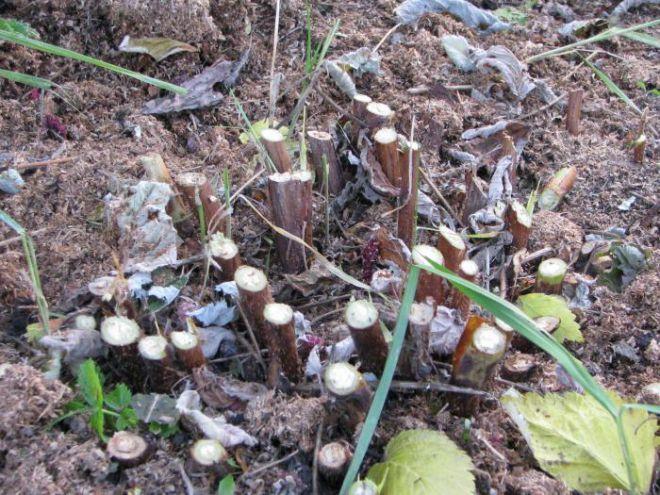
However, Sobolev's pruning method also has certain drawbacks. It can lead to excessive shoot growth, leading to overcrowding of the raspberry bush. Consequently, ventilation is impaired, branches become shaded, and diseases develop. The bush may also be susceptible to pest attacks.
If measures are not taken promptly, there is a risk of reduced yield and even complete plant death. To avoid such problems, the distance between raspberry bushes should be at least 2 meters. The maximum number of shoots per plant is 10.
Caring for raspberries after the procedure
Regardless of the pruning method, raspberries require ample watering. The plant also needs to be fertilized, using organic and mineral fertilizers. To fertilize the soil with bird droppings, mix them with water at a ratio of 1:30. You can also apply manure to the soil. Use 6 kilograms of manure per square meter.
During fall pruning, micronutrient fertilization is required. Bushes require a complex containing potassium and phosphorus. Everbearing varieties should be watered with a solution of Bordeaux mixture. This will help protect raspberries from diseases and pests.
Proper and timely pruning of raspberries allows for good growing results. This procedure significantly increases yields, protects the plant from diseases and pests, and makes it stronger and more resilient.
Related posts:
 Step-by-step instructions for planting and caring for raspberries in summer, tips from gardeners
 Description and characteristics of the Hussar raspberry variety, care and cultivation
 Description of the remontant raspberry variety Orange Miracle, planting and care
 Description of the remontant raspberry variety Atlant, planting technology and care
 Rules and timing for pruning cherry plum in summer, crown formation scheme
 Timing and rules for peach pruning, formation scheme after harvesting
 How and when is it best to transplant raspberries to a new location in the summer?
 Description and characteristics of the 50 best raspberry varieties for Siberia