
- Criteria for selection of varieties
- The best raspberry varieties for Siberia and the Urals
- Varieties by ripening time
- Early varieties
- Mid-season
- Late-ripening varieties
- Remontant varieties
- The Little Humpbacked Horse
- Bow to Kazakov
- Large-fruited crops
- Eurasia
- Out of reach
- Brilliant
- Hercules
- Patricia
- Sweet-fruited varieties
- Diamond
- Early sweet
- Yellow-fruited
- Black chokeberry
- Newly bred varieties
- Winter-hardy species
- Chief
- Out of reach
- Indian summer
- Brilliant
- Barnaul
- Gift of Siberia
- Reward
- Siberian Light
- Eurasia
- Specifics of growing raspberry bushes
- Planting patterns and times
- Further care
- Transfer
- Berries ripening time
To get a bountiful harvest of sweet raspberries in Siberia, it's important to choose the best varieties for the region, ones that produce the largest fruits and easily withstand harsh climates. There are many varieties that will satisfy even the most discerning gardener. Furthermore, breeders continue to develop new crops with increased yields and frost resistance.
Criteria for selection of varieties
When growing raspberries in Siberia, it is important to select crops that will produce a harvest before the onset of autumn frosts. Furthermore, the plant must be able to withstand wintering in subzero temperatures. Resistance to soil desiccation will be an additional advantage for the bush, as will its immunity to diseases and pests.
The best raspberry varieties for Siberia and the Urals
When choosing seedlings, it's best to choose regionalized varieties purchased from local nurseries or specialized stores that partner with leading Siberian nurseries. Many varieties have been developed by Russian scientists with climate conditions in mind. Extensive research and development work to select varieties suitable for Siberia and the Urals is being conducted at the M.A. Lisavenko Siberian Institute of Horticulture.
Varieties by ripening time
Based on ripening time, raspberries are classified as early, mid-season, and late-season. Given the short warm season, it's best to choose crops that will bear fruit before the first frost. Keep in mind that ripening times vary from year to year depending on the weather conditions of the particular season and the microclimate of the site.
Early varieties
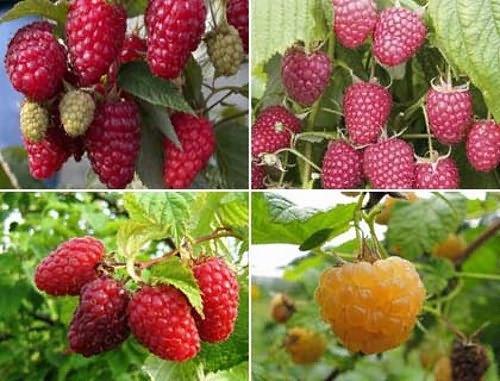
Early varieties are those that ripen in late June or early July. Early-ripening crops typically yield quickly and abundantly. Early-ripening varieties suitable for growing in Siberia include Barnaulskaya, Doch Visluhi, and Blesk.
Mid-season
These varieties begin bearing fruit in mid-July. Examples of mid-season varieties include Akvarel, Blestyashchaya, Zorenka Altaya, Prelest, and Sokolenok.
Late-ripening varieties
Late ripening is considered to be late July to early August. Mid-late ripening varieties include Ogonyok Sibirskiy and Ritm (Sibiryanochka).
Remontant varieties
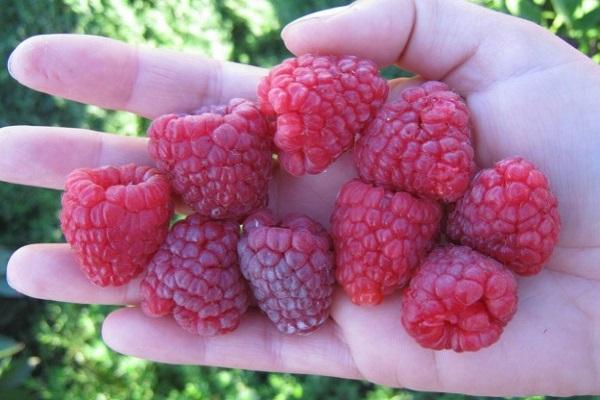
Everbearing varieties are popular because they are easy to care for. If the shoots are mown down in the fall, they don't need to be insulated for the winter. Furthermore, plants treated this way are less susceptible to disease.
A remontant bush can be trained to yield two harvests per summer. To do this, remove two-year-old shoots in the fall and cover annuals for the winter.
The following summer, the overwintered branches will produce early berries, while the fresh shoots will bear fruit later, yielding a second crop. A fully pruned bush produces one crop per summer, but its quality and quantity are comparable to those two.
The Little Humpbacked Horse
The Humpbacked Horse was bred at the Shkolny Sad nursery. This variety won't be commercially available until 2025, but it has already gained a following thanks to its early ripening and large, sweet berries. The Humpbacked Horse is zoned for cultivation in the Kirov and Sverdlovsk regions, as well as the Perm Krai.

The bushes reach a height of one meter. Berries, weighing up to 12 grams and averaging 3 cm in length, ripen in the early second ten days of July. Staking the plant is not necessary, but using a trellis to support the shoots will simplify care. Branches attached to supports make harvesting easier.
Bow to Kazakov
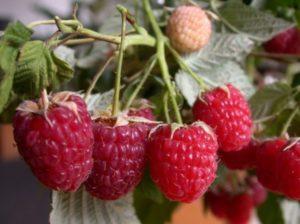
This variety was recently developed at the Bryansk State Agricultural Academy, but is already considered promising for commercial cultivation and cultivation in private gardens. Tall bushes, growing up to 170 cm, tolerate temperatures down to -5°C (-4°F). This easy-to-care-for plant is simple, as, like other everbearing raspberry varieties, Poklon Kazakovu can be completely cut back for the winter. The harvest is abundant. Large berries, weighing up to 6 grams, are richly flavored and juicy.
Large-fruited crops
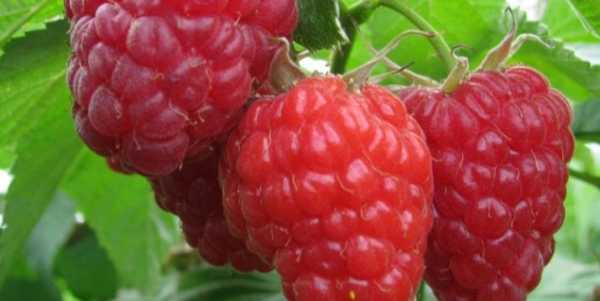
Bushes that produce large berries, reaching 5 cm in length and weighing up to 15 grams, are considered large-fruited. These varieties were developed through the painstaking work of scientists, who selected plants with the heaviest fruits for further breeding.
Eurasia
The Eurasia variety is a mid-season, everbearing variety prized for its low maintenance, drought tolerance, and abundant ripening of large berries, which grow up to 4.5 grams and have a sweet and sour flavor. An additional advantage is its resistance to diseases and pests.
Out of reach
On the short shoots of this early-ripening remontant variety, growing up to a meter in height, large berries, averaging 5 grams, ripen as early as mid-July. When growing this type of raspberry, careful attention must be paid to soil moisture, especially during the fruiting period: insufficient moisture causes a sharp decline in yield.
Brilliant
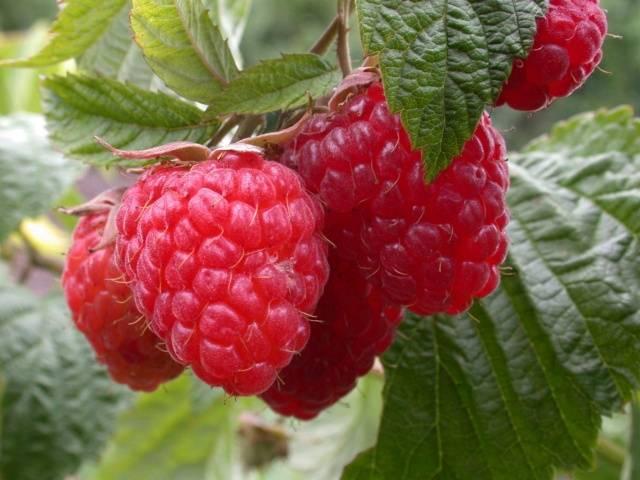
This variety was developed by Siberian breeders specifically for growing in harsh conditions. The bushes tolerate frost, drought, and prolonged rains well. It ripens mid-early. The berries, with an average weight of 2.5 grams, are easy to transport due to their high density.
Hercules
This everbearing variety is prized for its abundant harvest within the year of planting, allowing you to enjoy the fresh berries right up until the first frost. The bushes reach 2 meters in height and are difficult to care for due to their numerous thorns. The cone-shaped berries have a sweet and sour taste and can weigh up to 15 grams.
Patricia
This cultivar was bred specifically for harsh climates, which it easily tolerates. Sweet fruits with a distinct berry aroma weigh up to 14 grams, and a single bush yields an average of 4-5 kg of raspberries. Thornless shoots grow up to 180 cm, but are not particularly strong, so they require staking.
Sweet-fruited varieties
Berries with a distinctly sweet flavor are best eaten fresh. It's worth noting that the taste of the fruit, including sweetness, is greatly influenced by the quality of plant care.
Diamond
This variety is popular due to the attractive appearance of its medium-sized berries (up to 4 grams) and their excellent transportability. It is moderately frost-resistant, easily surviving temperatures down to -24°C (-72°F). The bushes tolerate heat and drought well.
Early sweet
The berries of this remontant crop are small, but very sweet and aromatic. The main drawback of the fruit is that it doesn't handle long-term storage or transportation well. Therefore, immediately after harvesting, raspberries are frozen, mashed with sugar, or served fresh.
Yellow-fruited
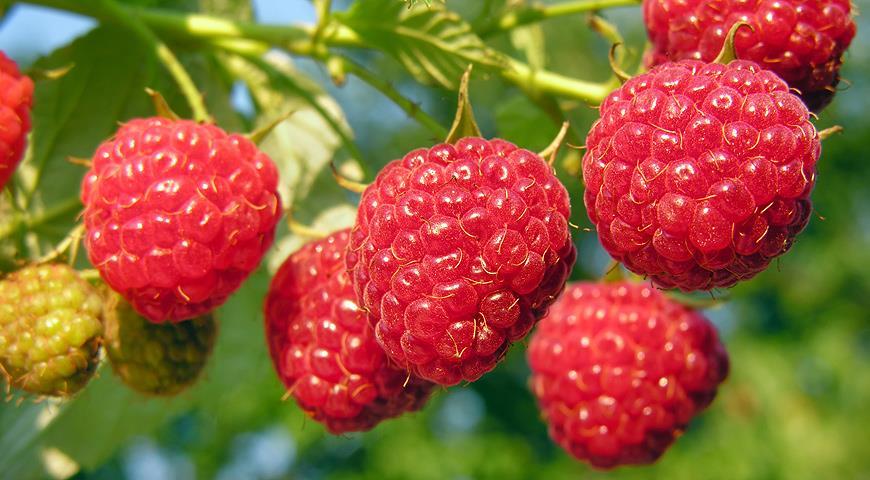
In Siberia, along with red raspberries, yellow-fruited varieties are grown. The varieties differ not only in berry color but also in their biochemical composition.
Yellow raspberries have a higher sugar content, resulting in a sweeter flavor. Furthermore, yellow-fruited varieties are richer in folate and vitamin B9.
The everbearing Orange Miracle variety is ideal for Siberian climate conditions. Large berries grow up to 10 grams, and with proper care, fruiting continues all summer.
Black chokeberry
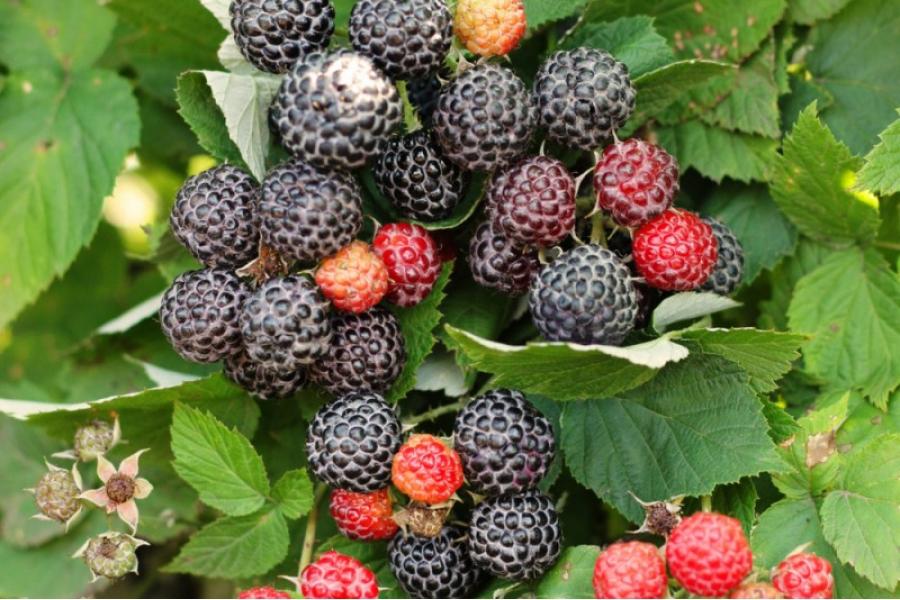
Black raspberries differ from common raspberries in their resemblance to blackberries. The berries can be black or varying shades of yellow. Crops classified as black raspberries develop a deeper root system than red raspberries, produce virtually no suckers, and are demanding of soil and air moisture. Black raspberry varieties such as Ugolek, Povorot, Udacha, and Dar Sibiri are well suited for cultivation in Siberia.
Newly bred varieties
Agronomists are constantly working to improve varietal characteristics. They pay particular attention to increasing yield, ripening time, and frost resistance. While older varieties yielded 1.5-2 kg per bush, modern varieties can yield up to 10 kg per plant per season with proper care. Among the new varieties specially zoned for Siberia are Vera, Blestyashchaya, Za Zdravie, Zorenka Altaya, Kolokolchik, Rubinovaya, and many others.
Winter-hardy species
When choosing raspberries for growing in a Siberian garden, it's important to consider frost resistance. When developing new varieties, domestic breeders place particular emphasis on developing varieties that can withstand harsh Russian winters.

Chief
The advantage of this variety is its low thorniness, making it easy to care for and harvest. Large, dark-colored berries, weighing up to 7 grams each, ripen on the low-growing bushes by mid-August. They have a versatile flavor that appeals to most.
Out of reach
This early variety is highly prized in Siberia, with large, seven-gram berries ripening by the second half of June. Its ease of maintenance, high yield, and high winter hardiness have earned it many fans.
Indian summer
One of the first everbearing varieties, developed by Russian breeders almost 50 years ago. The berries are sweet, virtually odorless, up to 2.5 cm in size, and have very tender flesh. The bushes bear fruit until the autumn frosts and tolerate Siberian winters well.
Brilliant
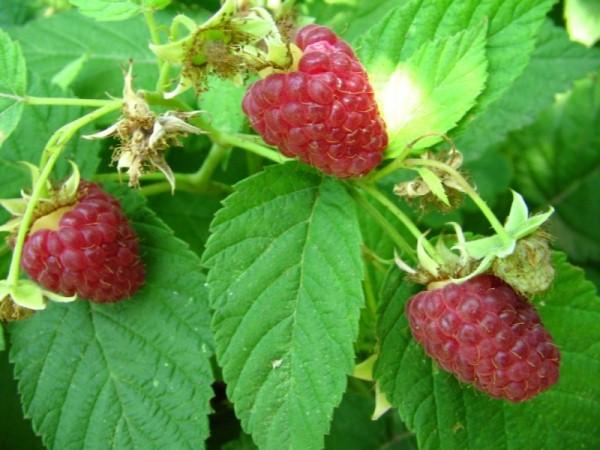
Developed by Siberian breeders, this variety tolerates harsh climates well: it doesn't freeze in freezing winters and is resistant to drying and damping off. The berries range in color from crimson to dark red and even black. The fruits, which grow to nearly 6 grams, are versatile: they can be eaten fresh or used to make jam.
Barnaul
The Barnaul raspberry, bred at the M.A. Lisavenko Siberian Institute of Horticulture, is distinguished by its high winter hardiness and drought tolerance. The small and medium-sized fruits, weighing up to 3 grams, are bright red. Disadvantages include poor transportability and low disease resistance.
Gift of Siberia
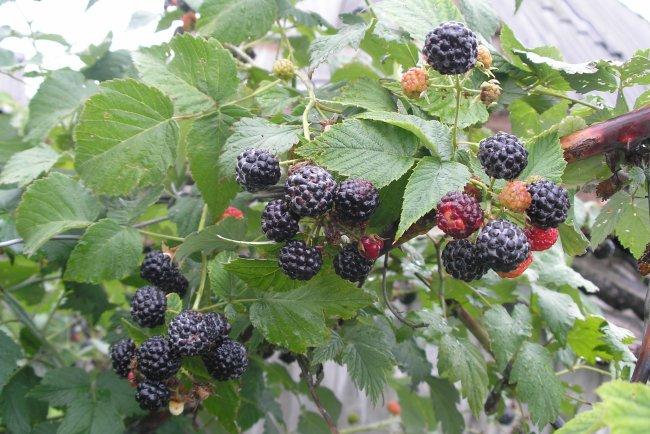
Everbearing black raspberry bushes produce very tall shoots, reaching almost 3 meters in length. The light cream-colored, dessert-flavored berries are medium to small in size, weighing up to 2 grams. This variety is popular due to its ability to easily withstand frost, transport, and its strong immunity.
Reward
This variety, developed by Russian scientists, is characterized by good drought tolerance. Its mid-season, red fruits have a dessert-like flavor and grow up to 3 grams in weight. The bush, semi-spreading in form, can reach a height of two meters.
Siberian Light
This variety was developed 50 years ago by crossing the Biychanka raspberry with a raspberry-blackberry hybrid and is intended for industrial use. The bushes are tall, and the berries, weighing up to 3.5 grams, have a mediocre flavor and weak aroma. They require shelter during winter.
Eurasia
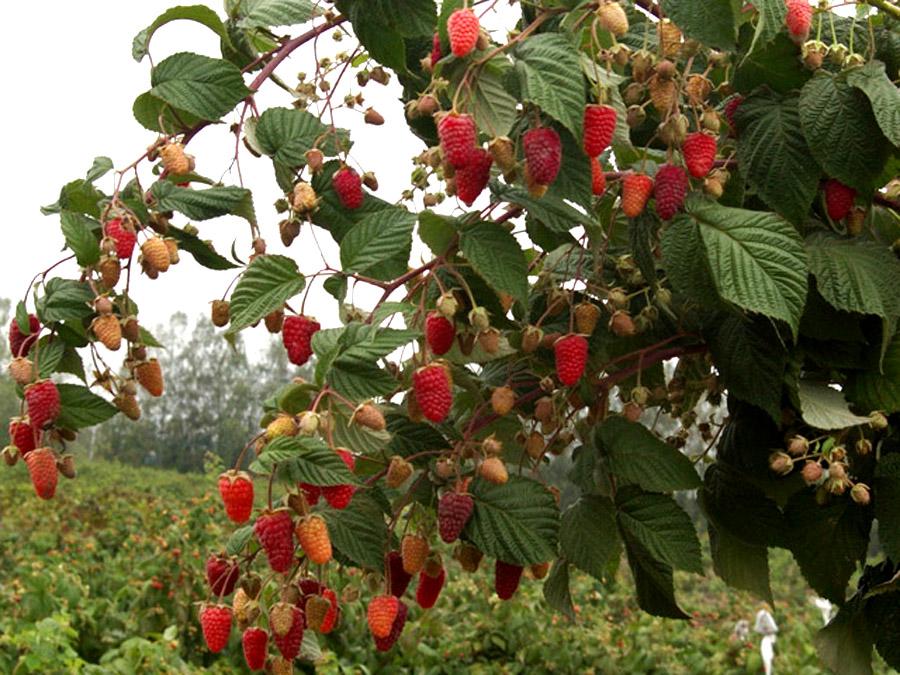
The compact bushes are easy to grow even in a small garden. The berries ripen in August, with the entire crop ripening almost simultaneously, allowing for quick harvesting before frost. Each characteristic raspberry-colored berry weighs up to 4.5 grams.
Specifics of growing raspberry bushes
When caring for raspberries in the Siberian climate, it's also important to pay attention to the individual characteristics of your particular garden plot, such as its location, soil composition, and groundwater depth. It's also important to consider the degree of shade in the bed intended for growing the bushes.
Planting patterns and times
Raspberries are planted in spring and fall. When planting early in the season, wait until the snow melts and the meltwater recedes. Plants are planted in the fall about a month before the onset of frost. This allows the seedlings to gain strength before winter sets in. Fall planting is recommended for everbearing varieties, allowing for harvesting the following summer.

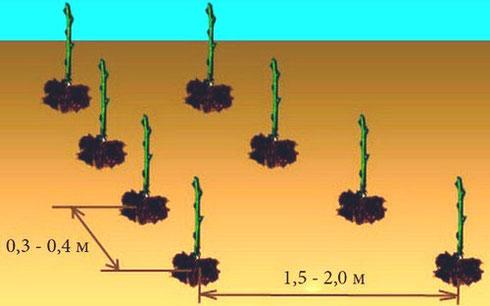
Raspberry bushes are planted in pre-prepared holes measuring 0.5 m x 1.5 m, or in trenches 0.3 m deep and the same width. When choosing a site for planting raspberries in Siberia, consider the following:
- The place intended for bushes should be protected from winds.
- It is best to choose a flat area or one with a slight slope.
- If the groundwater level is shallow, raspberries are planted on elevated areas.
- The northwest side of the plot is best suited for raspberries.
Further care
Raspberry plantation maintenance includes watering, loosening the soil, weeding, pruning, fertilizing, and disease prevention and treatment. Proper care will ensure high yields and excellent fruit flavor.
Watering is required in the spring after the raspberry bush awakens. In rainy Siberian summers, additional soil moisture is not necessary. Mulching the soil with straw is sufficient.
Loosening the soil is essential because raspberries prefer light, breathable soil. Avoid digging the soil too deeply to avoid damaging the root system. Loosening can be combined with weeding. Pruning is done in spring and fall. In preparation for winter, young shoots, old canes, and, for everbearing raspberries, all branches are removed. In spring, sanitary pruning of frost-damaged and damaged canes is performed.

Fertilizing raspberries grown in Siberia is especially important for areas with poor soil. Mineral and organic fertilizers are added to the planting hole, followed by annual feeding in the spring and during the fruiting season.
With proper care, the plant will develop a strong immune system sufficient to prevent disease and pest infestations. However, regular inspection and preventative treatments are still necessary.
Transfer
It is recommended to replant raspberry bushes approximately every 5 years, since long-term cultivation in one place depletes the soil and reduces the quality and quantity of the harvest. As with planting, replanting is done in the spring before the buds open or in the fall a few weeks before frost. In Siberia, spring replanting is done around May, and autumn replanting is done in late August – early September.
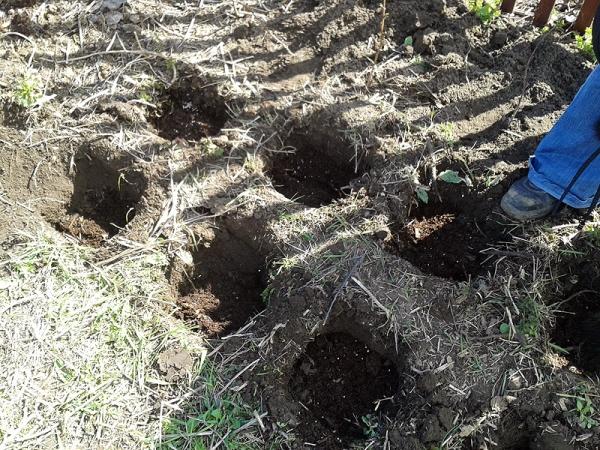
Raspberry replanting is done using root or green cuttings, root suckers, or division. This procedure should be performed in the evening or on a cloudy day; sunny, hot weather is not suitable.
Berries ripening time
Ripening times depend on the variety chosen. An early harvest can be obtained as early as June, and if crops with varying ripening times or everbearing raspberries are available, the berries can be harvested throughout the summer until the autumn frosts.
Many people fear the difficulties of growing raspberries in Siberian conditions, thereby depriving themselves of the opportunity to enjoy fresh berries straight from the bush. In fact, the bushes thrive and produce a bountiful harvest. This is perhaps due to the tireless efforts of breeders to develop varieties adapted to the harsh climate, the best of which have been tested and recommended by experienced gardeners.
Related posts:
 Description of 30 grape varieties for Siberia, planting and care for beginners
 Description of the remontant raspberry variety Atlant, planting technology and care
 Step-by-step instructions for planting and caring for raspberries in summer, tips from gardeners
 What varieties of tomatoes are best to plant in a polycarbonate greenhouse?
 Descriptions of the 20 best cherry varieties for the Moscow region, their planting and care
 Description and characteristics of the Hussar raspberry variety, care and cultivation
 40 of the best varieties and cultivars of red raspberries with descriptions
 Which tomato varieties are best for open ground?