
- History of selection
- Description and characteristics of the variety
- Bush
- Fruit
- Drought resistance, frost resistance
- Productivity and fruiting
- Application of fruits
- Resistance to diseases and pests
- Pros and cons of raspberry Balsam
- The intricacies of growing raspberries
- Recommended timeframes
- Choosing a suitable location
- Selection and preparation of planting material
- Landing algorithm
- Further care of the plant
- Watering and fertilization
- Loosening the soil
- Pruning raspberries
- Garter
- Preparing for the winter period
- Diseases and pests of the variety
- Reproduction
- Collection and storage
Raspberries are a favorite among gardeners. This berry is not only delicious but also provides significant health benefits during the winter, protecting against colds and boosting immunity. Among the many varieties, gardeners favor the Balsam raspberry variety, a detailed description of which will reveal all the advantages and disadvantages of this crop.
History of selection
Credit for developing a productive raspberry variety goes to Russian breeder I.V. Kazakov. This happened over 30 years ago. The raspberry was added to the State Register of the Russian Federation in 1993. It is recommended for cultivation in private gardens throughout virtually all of Russia. The only exception is the northern regions, where raspberries simply don't have time to ripen. And despite the constant emergence of new, improved varieties, the Balsam variety remains as popular as it was last century.
Description and characteristics of the variety
Before purchasing raspberry seedlings, it's worth familiarizing yourself with the description and characteristics of the variety you like to gain an understanding of the plant's strengths and weaknesses.
Bush
The height of this raspberry variety's bush ranges from 1.7 to 1.8 meters. This factor forces gardeners to prune the tops of the seedlings in a timely manner. The bush is wide, spreading, and upright. There are very few thorns on the shoots. The leaves are predominantly large and medium-sized, described as bright green, wrinkled, and covered with a waxy coating on the underside.
Fruit
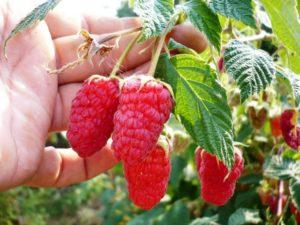
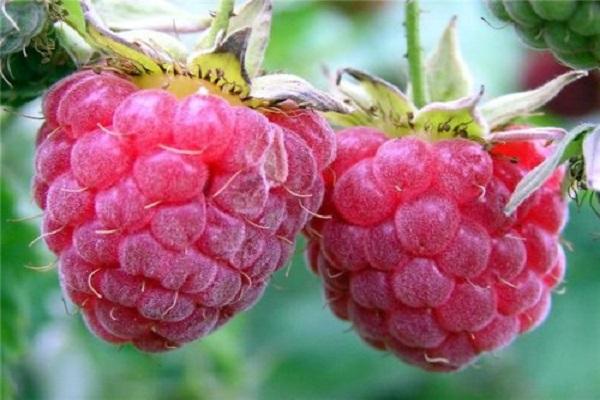
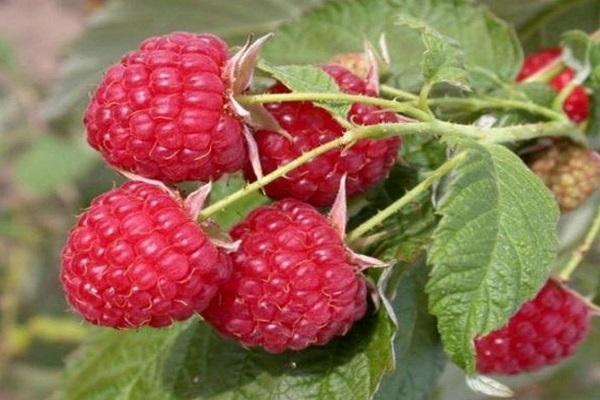
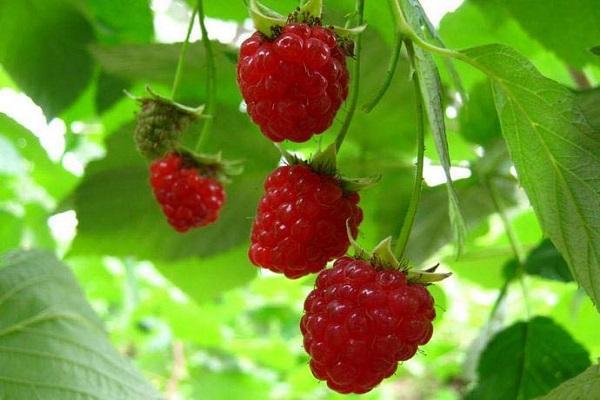
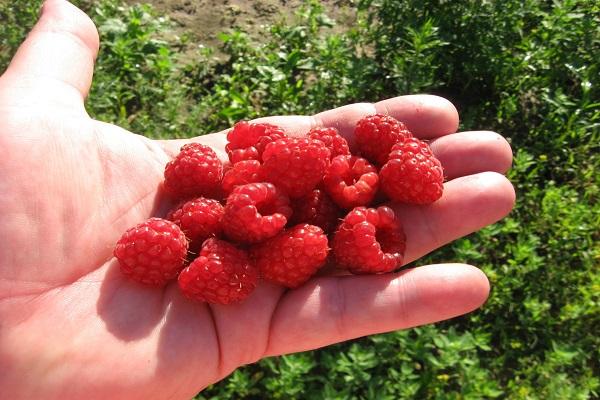
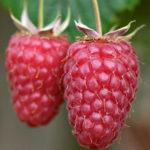
When fully ripe, the ruby-colored fruits have a distinctive sweet-tart flavor. They are characterized by a virtually complete lack of shine. The shape of the Balsam raspberry is cone-shaped.
The maximum weight of one berry reaches 3.5 g, but specimens weighing 2.7-3 grams are more common.
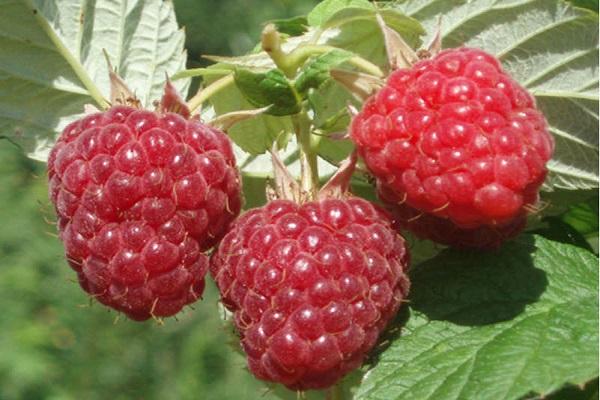
Due to the tightly formed drupe, the berries hold well on the shoots and are not prone to falling off after ripening. The flesh is quite firm, making the variety suitable for transportation; it does not drip with juice immediately after picking. The fruits contain 9.3% sugar, the same amount of dry matter, and 25.5 mg of ascorbic acid.
Drought resistance, frost resistance
Gardeners cite its high winter hardiness as a benefit in favor of choosing this variety. Raspberries withstand recurrent spring frosts, are not prone to bark and bud rot, and tolerate thaws and minor flooding well. In particularly hot weather, it is recommended to water the raspberry bushes more often so that the berries on the shoots do not dry out..
Productivity and fruiting
During a favorable season and with proper agricultural care, gardeners can harvest up to 3 kg of berries from a single bush. Conveniently, the fruits ripen simultaneously, and the Balsam variety finishes bearing fruit by early July. This is not a remontant variety, so there will be no second harvest.
Application of fruits
This variety is versatile. The berries are eaten fresh in season and preserved in compotes, preserves, and jams. They can also be dried and frozen. Due to their excellent transportability, they are suitable for commercial cultivation.
Resistance to diseases and pests
The Balsam raspberry variety exhibits increased resistance to fungal and viral diseases. It is also rarely affected by spider mites. However, this doesn't mean that it won't require agricultural practices and preventative treatments.
Pros and cons of raspberry Balsam
Like every variety, the Balsam raspberry has its strengths and weaknesses. Understanding these will help gardeners properly care for their raspberry patch.
The advantages of this variety include:
- Simultaneous ripening of berries.
- Good shelf life and transportability.
- Resistance to frost and drought.
- Rare cases of damage by pests and diseases.
- Easy to care for.
Among the disadvantages are:
- Average berry flavor.
- The need for constant shortening of the tops.
The intricacies of growing raspberries
If the rules for planting and selecting seedlings are followed, the gardener will certainly be pleased with a bountiful harvest of large berries.
Recommended timeframes
Both spring and early fall are suitable for planting raspberries. The variety has no special requirements for this period. Fall planting is recommended in southern regions. In the Moscow region and central Russia, it's best to postpone this procedure until spring to avoid freezing of young and fragile seedlings.
Choosing a suitable location
Choosing a permanent location for raspberries requires careful consideration, as it can be grown for up to 10 years. Only after this time should the raspberry patch be replanted.

It is important to remember that the bed for placing the variety should be in the sun for most of the day. It's unacceptable to choose sites with close groundwater levels for growing raspberries. This will cause the roots to rot, and the seedling will die..

Selection and preparation of planting material
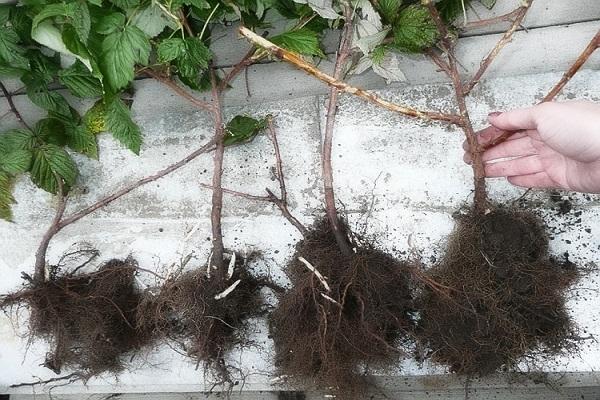
If raspberries of this variety are already growing in the garden, choosing planting material should be straightforward. Otherwise, it's best to turn to reputable specialized nurseries. Buying from untrusted vendors or spontaneous markets will result in disappointing results.
After purchasing a seedling, soak it in water for a few hours to allow the roots to absorb moisture. Afterward, inspect them and remove any dried or damaged roots. It's a good idea to treat them with growth stimulants to ensure better establishment.
Landing algorithm
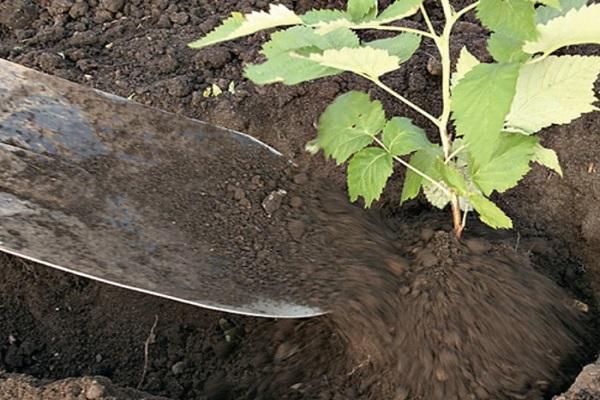
There's nothing special about planting raspberry seedlings. Space the plants 0.7 meters apart, and 1.5 meters between rows. Prepare a hole to accommodate the seedlings. Add peat and humus, mineral fertilizers, ash, and superphosphate to the bottom of the dug hole.
Fill in half the excavated soil, place the seedling, and add the remaining soil, compacting it. If necessary, tie the bushes to a support.
Further care of the plant
The future yield and health of raspberries depend on proper agricultural practices. Therefore, it's essential to consult the recommendations of experienced gardeners.
Watering and fertilization
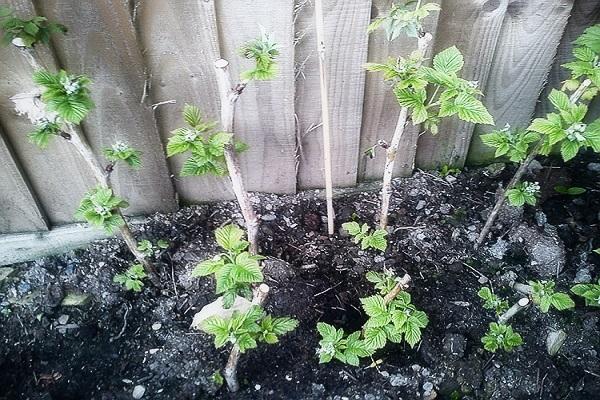
The soil in the raspberry patch is regularly moistened; this will help the young seedlings take root in their new location and subsequently produce high yields of aromatic berries.
But it is important not to overdo it with this procedure, otherwise the roots will begin to rot and the plant will die.
Nitrogen-containing fertilizers are applied in early spring. Then, mineral complexes, ash, mullein, urea, and calcium nitrate are added. Fertilizing raspberry seedlings ceases at the end of June. Experienced farmers advise against applying fertilizer in the fall to avoid triggering a new vegetative process.
Loosening the soil
After each watering and rain, the soil around the seedlings must be loosened. This procedure helps oxygen reach the roots and nourish them for the plant's full development and growth. At the same time, weeds, which rob the raspberries of their beneficial components, are removed. Avoid allowing the raspberry patch to become overgrown with harmful plants, as they will be difficult to remove later.
Pruning raspberries
Pruning includes both top removal and the removal of weak and poorly developing branches. After fruiting has finished, old raspberry bushes are cut back and replaced with young raspberry seedlings in the spring.
Garter
Gardeners make do with a classic trellis for growing the Balsam variety. However, this is essential, as the bushes' considerable height makes them unstable and can be damaged by gusts of wind.
Preparing for the winter period
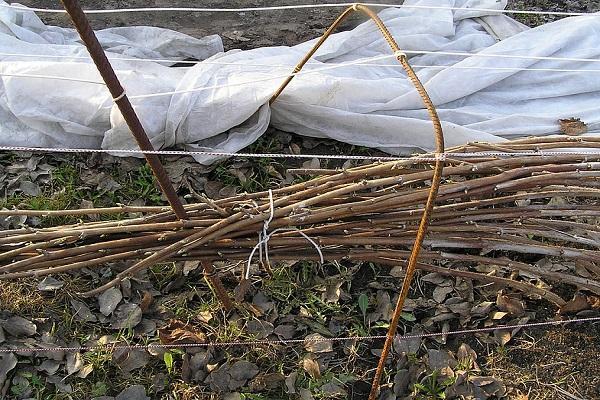
Pre-winter agricultural practices include heavy watering, weed removal, and removal of old bushes. Mulch is applied to the soil around the raspberry seedlings. If the region experiences harsh winters, cover the bushes.
Diseases and pests of the variety
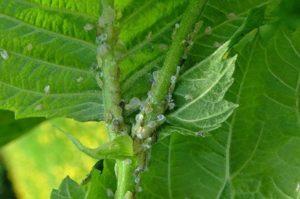
Despite the Balsam raspberry variety's increased resistance to diseases and pests, preventative measures are still beneficial. They should be taken in the spring, before the buds open, to prevent harmful substances from accumulating in the fruit later. If disease cannot be prevented, chemical treatments targeting the specific disease are used.
Reproduction
You can propagate the Balsam raspberry variety in any convenient way:
- green cuttings;
- lignified cuttings;
- dividing the bush;
- rhizome.
Gardeners consider cutting off a young shoot from a mature Balsam raspberry bush to be the most convenient propagation method. This is done at a distance of 20 cm from the ground, preserving the root ball, which is then used to plant the new plant in its permanent location.
Collection and storage
Balsam raspberry harvesting begins in late June or early July, depending on the growing region and its climate. Because the berries ripen almost simultaneously, harvesting is not spread out over time. Harvesting is done early in the morning or evening during dry weather.
Fresh berries can be stored in the refrigerator for up to 3 days. To extend their shelf life, they are processed. The Balsam raspberry variety makes delicious compotes and aromatic jams. To preserve the maximum amount of vitamins in raspberries, they are frozen in small portions or dried.
Related posts:
 Step-by-step instructions for planting and caring for raspberries in summer, tips from gardeners
 Description of the remontant raspberry variety Atlant, planting technology and care
 Description and characteristics of the Hussar raspberry variety, care and cultivation
 The best raspberry varieties for the Moscow region with descriptions and characteristics
 Description and characteristics of the 50 best raspberry varieties for Siberia
 Description and characteristics of the Solnyshko raspberry variety, planting and care
 Description of the Maroseyka raspberry variety, propagation, planting and care
 Description and varieties of the everbearing raspberry variety Penguin, planting and care