
- Criteria for choosing a variety for the Moscow region
- Popular varieties by ripening time
- Early
- Lazarevskaya variety
- Meteor
- Patricia
- Sun
- Mid-season
- Freemen
- Crane
- Balm
- Late-ripening crops
- Brigantine
- Taganka
- With yellow berries
- Orange miracle
- Yellow giant
- Black chokeberries
- The largest-fruited varieties
- Tarusa
- Patricia
- Hercules
- Standard species
- Strongman
- Tarusa
- Everbearing raspberries for the Moscow region
- Hercules
- Yaroslavna
- Sweet-fruited
- Immune varieties
- Newly bred crops
- Thornless varieties
- Growing and caring for crops in central Russia
Different varieties of berries are suitable for growing in specific regions. Many of the best raspberry varieties for the Moscow region are categorized, allowing you to choose one to suit your needs.
Criteria for choosing a variety for the Moscow region
Most of the Moscow region is considered a risk zone for growing raspberries. In most cases, gardeners face the following adverse factors:
- long and frosty winter with temperatures down to -35 degrees;
- the likelihood of recurrent frosts in late spring;
- heavy rains during the summer;
- poor soil.
When choosing a raspberry variety for growing in the Moscow region, it is necessary to consider its ability to withstand the listed negative factors. Frost-resistant varieties, which ripen during the short summer period, thrive best in the Moscow region. You also need to pay attention to the yield and taste characteristics.
Popular varieties by ripening time
Depending on the ripening period, raspberries bear fruit in early, mid, or late summer. Early-ripening varieties are typically planted in the Moscow region, but in some areas, longer-ripening varieties are permitted.
Early
Planting early varieties in spring allows for harvesting in June. Several varieties are common in this category, each with its own unique characteristics.
Lazarevskaya variety
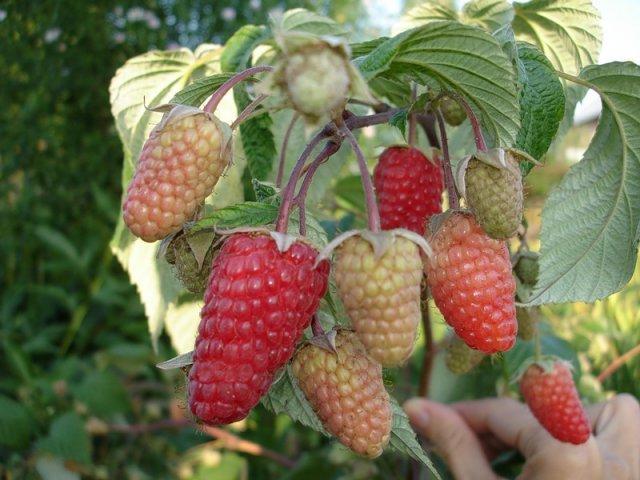
The Lazarevskaya raspberry was bred by crossing the Carnival and Malling Jewel varieties. The bushes are medium-sized, reaching a height of 1.8 m, with a moderately spreading habit and fine spines. A waxy coating develops on the one-year-old shoots.
The fruits weigh 2.5-3 g, are pointed, conical, and bright red. The berries have a sweet flavor and a subtle aroma.
The yield per bush varies between 4-8 kg, depending on the quality of care and environmental conditions. The harvest is difficult to transport, so the berries become crushed and release juice during shipping. The fruits also do not freeze well and are not suitable for long-term storage.
Meteor
The Meteor variety produces deep red and ruby-colored berries around mid-June. The fruits are round and weigh approximately 3 grams. These raspberries are prized for their unique sweet and sour flavor and distinct aroma. Each bush yields 2-3 kg. The harvest can be eaten fresh, frozen, or processed.
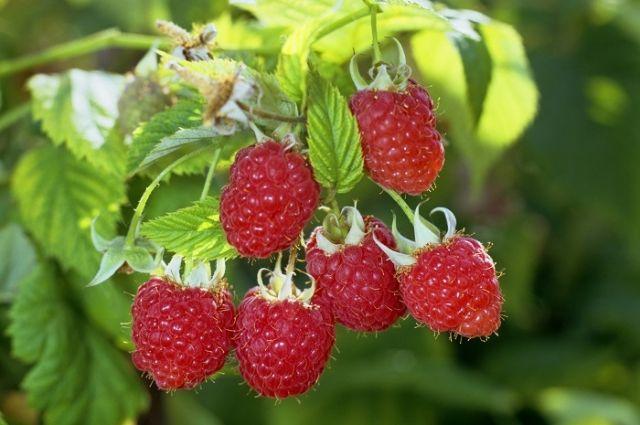
The Meteor variety grows with a low, compact growth habit. The plants form upright, vigorous stems bearing short, thornless spines. An important advantage is the resistance of green plantings to frost.
Patricia
The Patricia variety is a high-yielding variety, producing sweet berries weighing up to 14 g. The raspberry is suitable for cultivation in the Moscow region and is resistant to negative external influences.
Mature plants form semi-spreading, upright shrubs up to 1.8 m tall. The leaves are medium-sized, slightly pubescent, and have a slightly wrinkled surface. After unfurling, the leaves change color from light green to reddish-brown.
Sun
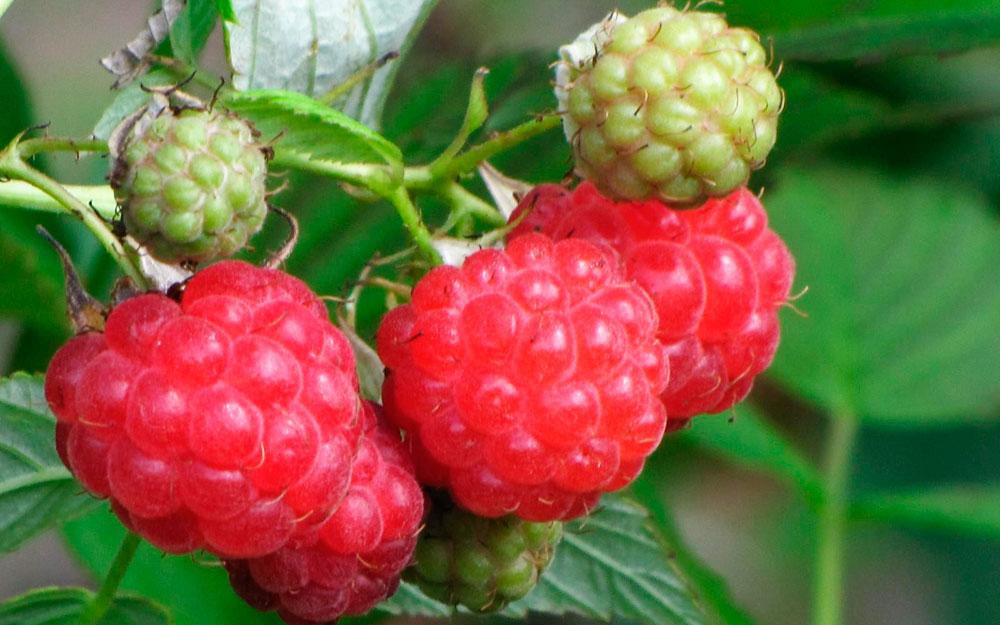
The Solnyshko raspberry was discovered by Russian breeders and is widely grown in the Moscow region. This early variety has average winter hardiness, so it is planted in the spring. The bushes are vigorous, gently spreading, and reach a height of up to 2.2 m. As they develop, the branches take on a woody structure. The stems are straight and thick at the base, while their tips are arched. The shoots have a light waxy coating and a few thorns.
Mid-season
Mid-season summer raspberry varieties begin to yield fruit a little later than early varieties. Typically, most of the berries are fully ripe by mid-summer.
Freemen
Volnitsa raspberry bushes are medium-sized, with moderate shoot formation and a spreading habit. The plants grow without the need for trellises or supports. Two-year-old canes are erect and covered with a small number of medium-sized thorns.
The leaves are dark green, without pubescence, with a wrinkled surface.
The berries are large, weighing 3.5-4 g, and conical in shape. Ripe fruits have a bright red hue, tender flesh, and a pleasant sweet and sour flavor. The berries have a balanced sugar and acid content.
Crane
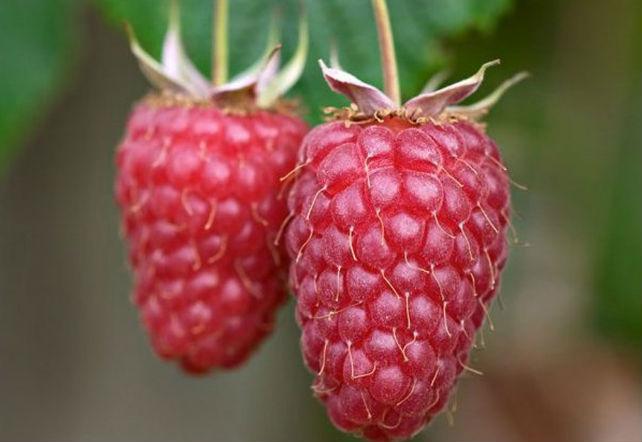
The modern Zhuravlik variety was developed relatively recently and has already gained popularity among gardeners. Each bush yields 2-3 kg of fruit. The berries are obtusely conical in shape and have a slightly tart flavor.
The bushes are medium-spreading, tall, and vigorous. The upright shoots reach a height of 1.8-2 m. Each bush produces 5-7 shoots.
The stems are thornless and have a slight waxy coating. The leaves are slightly wrinkled and have serrated edges. The number of flowers does not exceed the average for the cultivar.
Balm
The Balsam variety's berries have a distinct aroma and a tart flavor. The bushes grow upright, reaching a height of up to 1.8 m. Top pruning is required during cultivation. The fruits are conical in shape, firm in texture, and weigh approximately 3 g. The shoots are medium-sized, with a few sharp thorns.
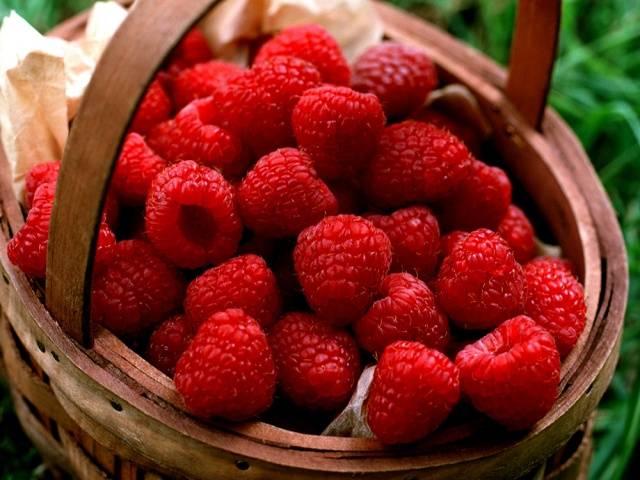
The crop is suitable for transportation, tolerates low temperatures well, and does not rot during thaws. Harvesting can begin in late June or early July. Thanks to its consistent fruiting, harvesting does not take a long time.
Late-ripening crops
Late-ripening crops yield their harvest in the fall. It's best to grow varieties in this category in areas with a low risk of early frost.
Brigantine
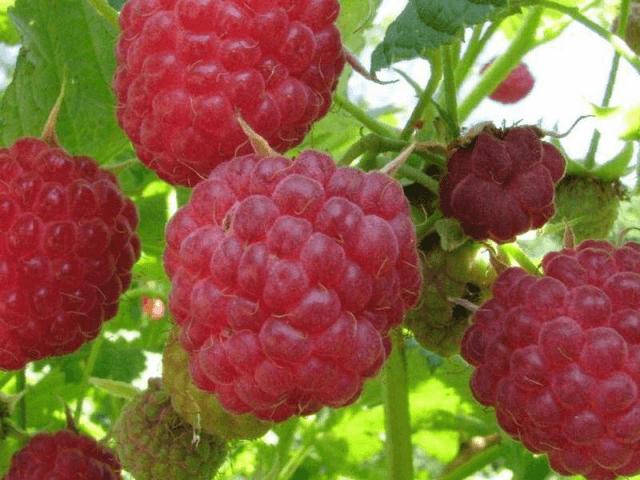
The late-ripening Brigantina raspberry forms bushes up to 2 m tall. The plants are gently spreading and consist of 10-12 shoots. Two-year-old shoots are erect, strong, brown, and woody in texture. New shoots have a slight waxy coating. The leaf blades are rich green and have serrated, pubescent edges.
Taganka
The Taganka variety grows large, spreading bushes, reaching up to 2 m in height. Each bush produces 7-9 thick, dark-brown shoots. Four to five root suckers also emerge during the growing season. The stems are covered with soft, small, purple spines. Berries form on the fruiting branches, numbering 20-30, which sometimes leads to branch breakage. Each berry weighs 8-10 g. Ripe fruits are easily removed from the stems.
With yellow berries
This yellow-fruited crop differs from the common red varieties in its unusual appearance. The taste and aroma of yellow varieties are equal to, and sometimes even superior to, other varieties.
Orange miracle
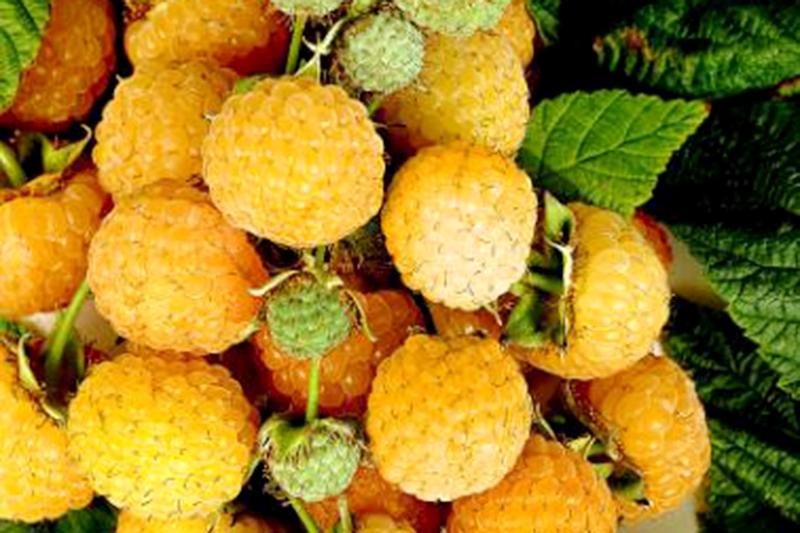
Orange Miracle plants are considered medium-sized, reaching a height of approximately 1.8 m. The upright, vigorous shoots are covered in numerous thorns, making harvesting challenging. The berries form in large numbers on the branches, so the bushes must be tied to prevent them from breaking. Each berry averages 6-8 g in weight. The fruit is cone-shaped and oblong.
Yellow giant
The Yellow Giant variety was developed as a result of hybridization. raspberries Maroseyka The Ivanovskaya variety. The bushes are vigorous and spreading, reaching a height of 2 m. During the growing season, roots develop well, and shoots and root suckers form. The stems are thick, strong, and resilient. The leaf blades are dark green with corrugated edges. The berries are conical, yellow, and weigh up to 8 g. The drupes are inconspicuous and compact.
Black chokeberries
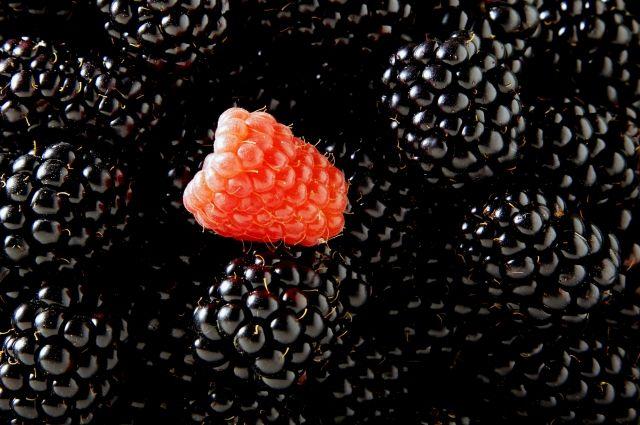
In appearance, black raspberries resemble blackberries. The main difference is that raspberries are hollow inside, and the receptacle remains attached to the vine when harvested. The first varieties of black raspberries were discovered in the 19th century. The following varieties have become particularly popular:
- Cumberland. A common variety created by crossing raspberries and blackberries. Its key characteristics include high yields, early ripening, and large berries. The bushes produce strong, elongated shoots that take on an arched shape.
- Boysenberry. This early-ripening variety is prized for its abundant harvest and sweet berries. Its long stems are thornless, making harvesting easier.
- New Logan. Plants of this variety do not exceed 2 meters in height and produce fruit early. Before frost, New Logan raspberries should be protected with a covering material.
The largest-fruited varieties
Among the fruitful varieties, several stand out as producing the largest berries. Proper care and favorable environmental conditions are essential for large fruit growth.
Tarusa
Tarusa raspberry shoots have a woody structure and are dense, thick, and resilient. There are no thorns on the surface. The yield per bush reaches 4 kg. Harvesting can begin in the second half of July. When growing the Tarusa variety, keep in mind that excessive rainfall can damage the crop.
Patricia
The Patricia variety produces a large harvest with a sweet flavor. The fruits are truncated-conical in shape. The small drupes are tightly clinging to each other. The berries are red in color, have a velvety surface, and a distinct aroma. The harvested fruit can be eaten fresh, processed, or used to make jams and preserves.
Hercules
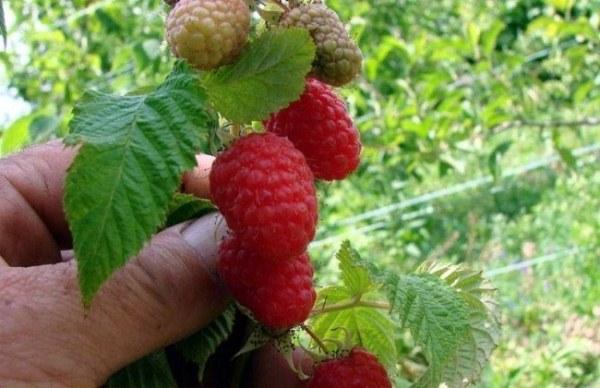
The everbearing Gerakl variety produces a large harvest and is suitable for all-purpose use. The bushes are spreading, 1.5-2 m tall, with abundant branching. The shoots bear stiff, downward-curving, medium-sized thorns. The fruiting area occupies about half the bush.
Standard species
A distinctive feature of standard varieties is their woody structure. The bushes resemble trees in appearance and reach 2 meters in height. To ensure vigorous growth, standard raspberries require ample space and adequate spacing between plants.
Strongman
The Krepysh raspberry was bred by Russian scientists. This variety lives up to its name, producing strong, thick shoots. Despite its great height, the plants don't require support. The only requirement for bush planting is fencing.
Tarusa
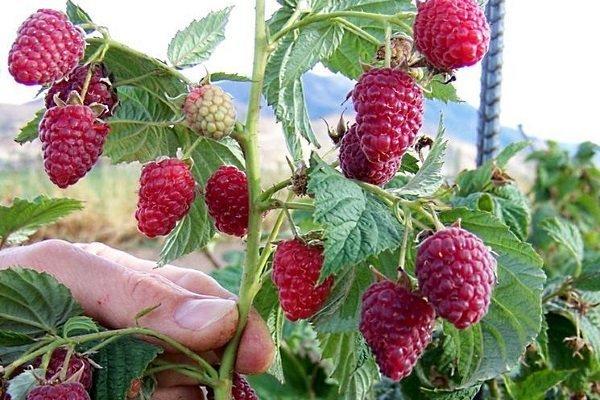
Among standard varieties of raspberries Tarusa This variety is the most popular and stands out for its characteristics. During the growing season, the bushes produce virtually no unwanted shoots and consist of strong, upright stems. Ripe berries have excellent flavor, a bright red hue, are large in size, and weigh 4-12 g.
Everbearing raspberries for the Moscow region
A distinctive feature of everbearing grapes is their ability to bear fruit on both one- and two-year-old shoots. This helps produce larger crops, which is especially important for owners of small garden plots.
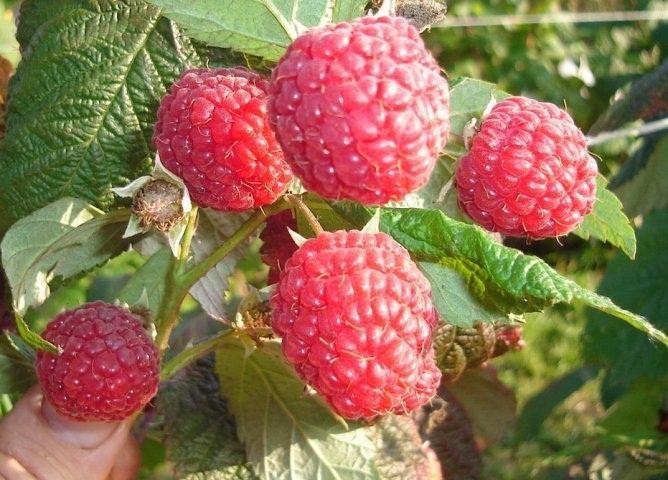
Hercules
The Hercules variety produces ruby-colored berries, a conical shape, a sweet and sour flavor, and a pleasant aroma. The flavor of the harvest is influenced by soil composition and climate conditions. The fruit weighs approximately 6 g. The Hercules variety is resistant to rot, so prolonged rainy weather is not dangerous for the bush.
Yaroslavna
The mid-late everbearing raspberry variety Yaroslavna bears fruit from late August to late October. The berries are large and nestle beneath ribbed leaf blades. Each berry weighs 4-8 g. The harvest has juicy flesh with a rich aroma and a sweet-and-tart flavor. Stored in a cool place, the harvest will last 13-19 days.
Sweet-fruited
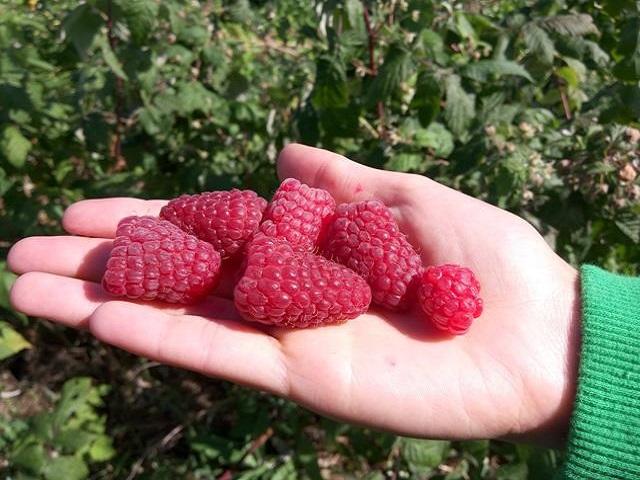
Most varieties of berries have a sweet flavor. These fruits are very tasty and aromatic. The sweetness of the berries depends on the ratio of sugar to ascorbic acid. The most common sweet varieties are the Tree, Apricot, and Sunny raspberries.
Immune varieties
Beginning gardeners are advised to choose low-maintenance varieties to simplify daily care. Raspberry varieties in this category are undemanding and easily tolerate adverse environmental conditions thanks to their strong immunity.
Newly bred crops
Breeders from around the world are constantly experimenting with crossbreeding raspberry species to discover new varieties. Among the most promising newly bred crops are:
- Kwanza. This variety is characterized by a long fruiting period, which begins only in the second half of summer. Harvesting occurs before the onset of cold weather. The breeders who discovered this variety recommend constructing tunnels covered with plastic for cultivation.
- Imara. Developed in Holland, this variety is one of the sweetest in the new selection. Yields reach 3 kg per plant. Mature plants grow up to 1.9 m, forming branched stems and strong shoots. When growing, plants need to be secured to a trellis. The berries develop a bright red hue, a glossy surface, and a rounded-conical shape.
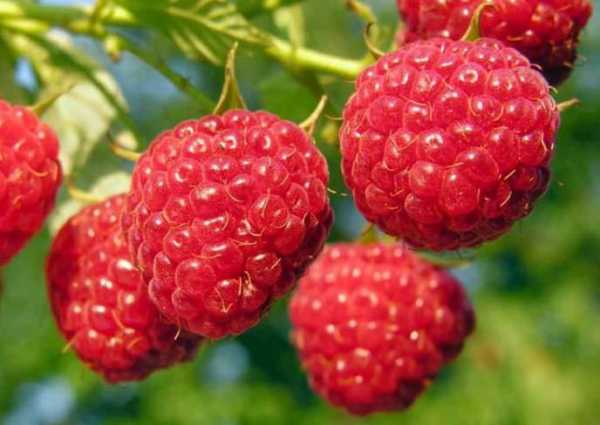
- Kveli. This raspberry variety is everbearing and bears its first fruit in mid-August. The bushes are tall, branched, with small thorns, and are resistant to pests and diseases. The berries are sweet, juicy, and slightly tart. The fruit is round and weighs up to 7 g. If harvested at technical maturity, the fruit has a shelf life of 10 days.
Thornless varieties
The absence of thorns on the shoots of the plants simplifies the harvesting process, as there is no risk of injury from thorny elements. Among the most common thornless varieties are:
- Beglyanka. Plants reach a height of 1.7-2 m, with slightly spreading shoots and upright growth. Seven to nine shoots form per season, which eventually acquire a light brown hue. The berries are medium-sized, weighing up to 3 g, with a sweet flavor. Beglyanka raspberries are frost-resistant and disease-resistant.
- Glen Ample. Plants are vigorous and upright, with shoots up to 3.5 meters long. Each shoot produces 25-30 lateral branches. With proper care and favorable conditions, a single shoot will produce approximately 20 berries. The fruits are round-conical in shape and are easy to transport due to their dense structure.
- Arbat. This new large-fruited variety produces berries weighing over 15 g. The fruit has a sweet flavor with a distinct aroma and few seeds. The bushes are tall, vigorous, and upright. Each bush yields up to 5-6 kg.
Growing and caring for crops in central Russia
When planning to plant berries in the central part of the country, it's important to properly prepare the seedlings for planting and follow proper agricultural practices. Berries should be planted in the spring or early fall to allow them time to adapt to the surrounding conditions. Before winter, cover the plants to protect them from frost.
Related posts:
 Description and characteristics of the 50 best raspberry varieties for Siberia
 The best grape varieties for growing in the Urals, planting and care rules in summer
 Description of the remontant raspberry variety Atlant, planting technology and care
 Descriptions of the 20 best cherry varieties for the Moscow region, their planting and care
 Description of 36 of the best sweet and large varieties of gooseberries
 Step-by-step instructions for planting and caring for raspberries in summer, tips from gardeners
 40 of the best varieties and cultivars of red raspberries with descriptions
 80 Best Eggplant Varieties for Different Regions with Descriptions and Characteristics