
- Tarusa raspberry tree: botanical description
- Habitat and suitable climatic conditions
- Advantages and disadvantages of standard raspberries
- Specifics of planting crops
- Selecting a site
- Illumination
- Favorable and unfavorable neighbors
- Presence of groundwater
- What kind of soil does a raspberry tree like?
- Timing and schemes for planting seedlings
- How to care for a raspberry tree
- Watering
- Mulching
- Top dressing
- Fertilizer application
- Do I need to cover it for the winter?
- Crown formation
- Diseases characteristic of Tarusa raspberries
- Methods of reproduction
- Cuttings
- Root shoots
- Reviews of the variety from experienced gardeners
Many gardeners are constantly searching for new raspberry varieties to grow in their gardens. One interesting option is the Tarusa raspberry, whose description reveals all its characteristics. When planning to plant this variety, it's worth familiarizing yourself with its characteristics in advance.
Tarusa raspberry tree: botanical description
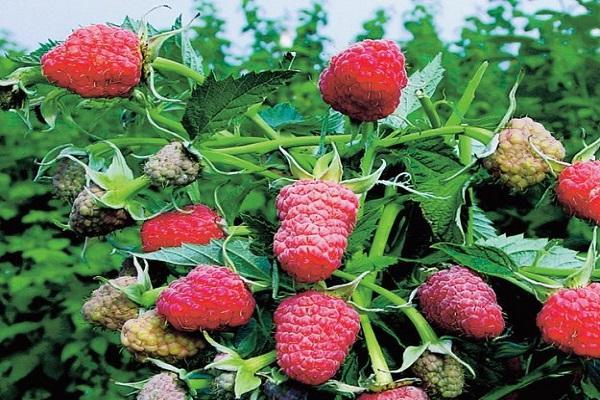
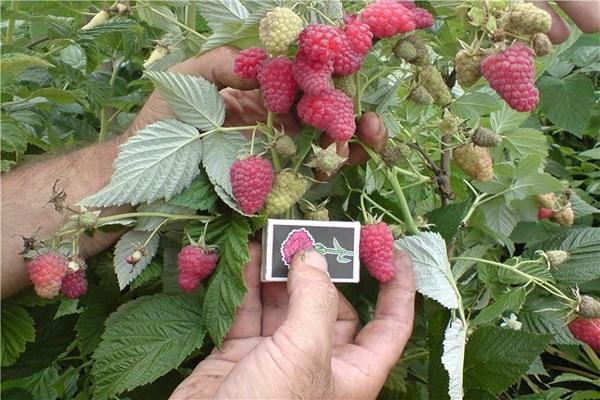
The Tarusa variety was discovered in 1987 by crossing the Stolichnaya variety and the donor Shtambovy-1. A distinctive feature of Tarusa raspberry shoots is their woody structure. The shoots are dense, thickened, upright, and elastic. The shoots are also thornless. A light waxy coating is noticeable on the surface of the woody shoots.
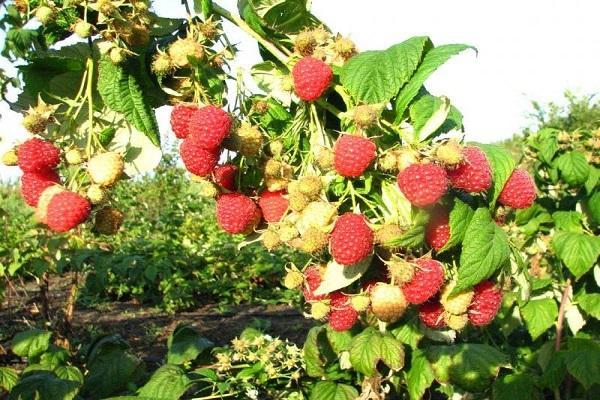
The yield of this variety is approximately 4 kg per bush. Up to 20 tons of berries can be obtained per hectare of planting. Tarusa is a remontant variety, so fruiting occurs on both biennial and annual shoots.
Habitat and suitable climatic conditions
The optimal conditions for growing the Tarusa variety are regions with a predominantly dry climate. Growing the berry in areas with heavy rainfall is not recommended, as this can damage the crop. The tree-like bushes are characterized by robust winter hardiness, so they can thrive even at temperatures as low as -30 degrees Celsius. The berries ripen from the second half of July until the end of summer.
Advantages and disadvantages of standard raspberries
Each raspberry variety has its own advantages and disadvantages. The Tarusa variety's advantages far outweigh its disadvantages. Its key benefits include the following:
- high yield and stable fruiting;
- ease of cultivation and care due to its unpretentiousness;
- the harvest is versatile—for fresh consumption, processing, and adding to desserts;
- large size of berries and weight of one piece up to 16 g;
- resistance to common diseases.
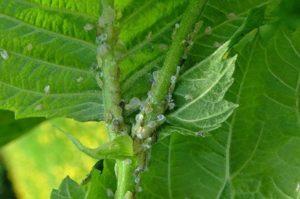
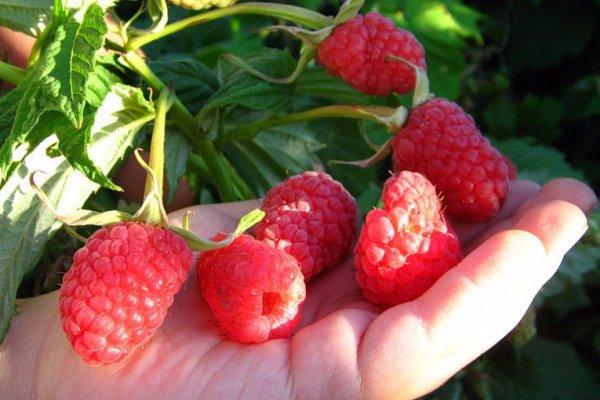
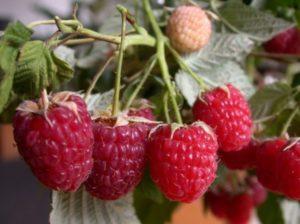
Among the variety's drawbacks is its elongated, obtusely conical shape, which means the berries don't always grow symmetrically and evenly. Crooked and fused specimens are often encountered during harvest. Another drawback is the high risk of aphid infestation, so if pest infestations are frequent, careful monitoring of the plantings will be necessary.
Specifics of planting crops
When planting and subsequently caring for raspberry bushes, a number of nuances must be taken into account.
Compliance with basic agricultural practices will have a positive effect on plant development and crop yield.
Selecting a site
Selecting the right site is crucial for the vigorous growth of Tarusa berry bushes. Properly choosing the right location for your plants will help avoid a number of problems and simplify daily care. In addition to choosing the right site, soil preparation is also crucial.
Illumination
When planning a planting for the Tarusa variety, it's important to select a sunny location for the bushes. The plants should be exposed to sunlight throughout the day. However, they should also be protected from drafts.
Favorable and unfavorable neighbors
It's best to plant raspberry trees separately from other greenery. Potatoes, tomatoes, strawberries, and wild strawberries are particularly undesirable nearby, as these crops share pests with raspberries. Berry bushes should also be avoided between fruit trees, as their spreading crowns will block sunlight.
Presence of groundwater
The area chosen for berry bushes should be free of groundwater seeps. Excessive moisture accumulation after watering will also adversely affect the bushes' development. Raspberries require moisture, but excess moisture is not beneficial.
What kind of soil does a raspberry tree like?
The soil requirements for the Tarusa variety are simple. It should be fertile, loose, and well-drained. Choosing the best spots on the plot will ensure a bountiful harvest. The roots of the bushes need oxygen and dislike stagnant water. If the soil is acidic, lime will be needed before planting.
Timing and schemes for planting seedlings
Tarusa raspberries are planted on the south side of the plot near a fence or house. Planting can be done in spring and fall. Regardless of the season, the bushes have a high chance of survival. It's important to keep in mind that in spring, it's best to plant immediately after the snow melts and the ground thaws, while in fall, you should be guided by the air temperature. In regions with cool climates, fall planting is usually done in late September. When choosing a planting pattern, consider the following:
- The optimal distance between plantings and nearby buildings or fences is 1 m.
- If the groundwater level is high, the bushes are placed on elevated ground and ditches are constructed to drain excess moisture.
- The planting hole for the bushes should be 1.5 m long and 30 cm deep. A layer of peat, sawdust, and compost is placed at the bottom of the hole to provide nutrients.
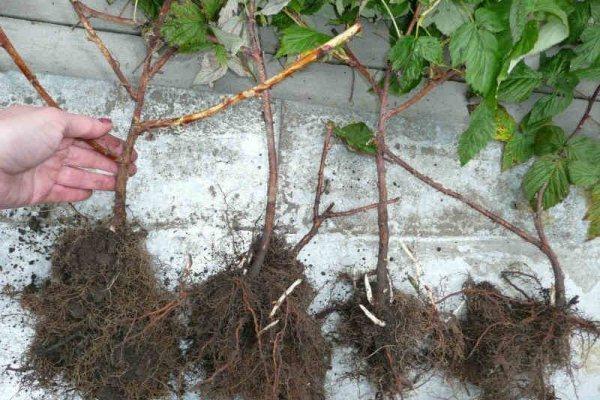
- Before planting, the seedlings are cut to 40 cm and deepened, then covered with a fertile layer of soil and watered.
How to care for a raspberry tree
Raspberry care consists of a number of simple agricultural practices. The Tarusa variety's low maintenance makes it easy to maintain.
Watering
The first watering is done immediately after planting the bushes. Subsequent watering frequency depends on the ambient temperature and precipitation. It is recommended to periodically check the soil to ensure it is not too dry or too waterlogged. Otherwise, there is a risk of damaging the roots.
Mulching
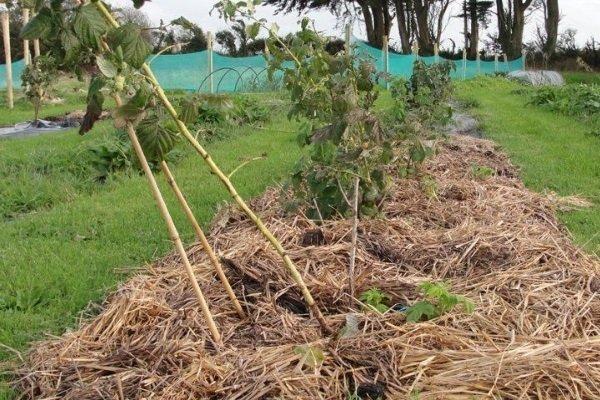
The need for mulching is especially important in regions with hot summers. A layer of mulch helps retain moisture in the soil longer, reducing the need for watering. Mulch also reduces the risk of disease and repels some harmful insects. Onion peels are recommended for mulching.
Top dressing
In the spring, the crop can be fertilized with organic matter, such as mullein or bird droppings. Toward the beginning of autumn, the soil around the bushes is sprinkled with wood ash, which serves as a source of potassium and positively impacts the flavor of the harvest. In the fall, green manure is used as a top dressing, planted between the rows.
Fertilizer application
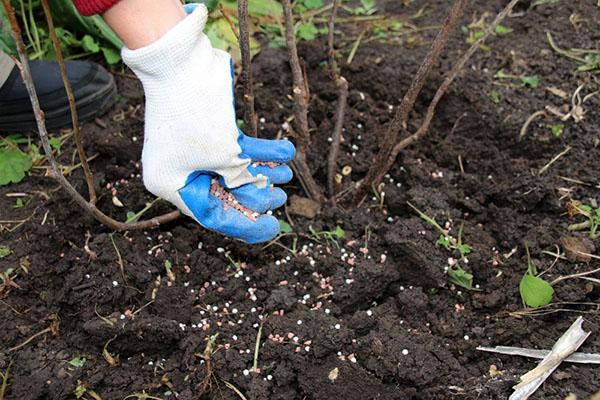
For convenience, you can apply complex fertilizers several times a year, which are enriched with all the necessary nutrients. Most ready-made fertilizers are dissolved in water before use and then poured under the bushes.
Do I need to cover it for the winter?
In cold climates, it's recommended to use a cover to protect the bushes from frost. To do this, tie the bushes into bundles and cover them with plastic or other thick material. Fill the remaining space with straw. Cover the bent shoots with spruce branches or a handful of leaves.
Crown formation
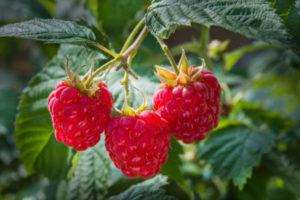
Bush pruning is necessary to remove rotted leaves and old and damaged shoots. Bushes should be pruned in early fall or spring, after the snow melts and temperatures stabilize. Use sharp shears to shape the bushes.
Diseases characteristic of Tarusa raspberries
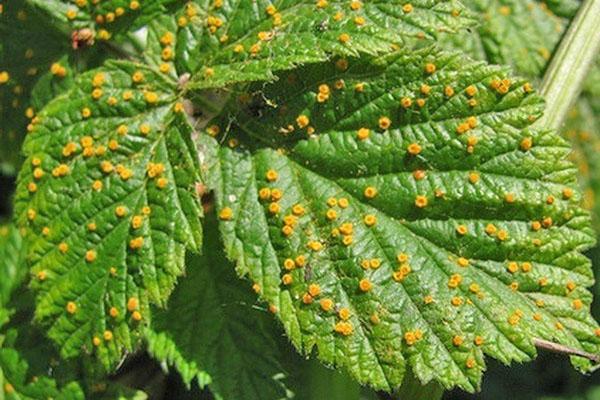
Despite the Tarusa variety's resistance to diseases, unfavorable conditions can provoke the development of infections. A common disease is chlorosis, which manifests itself as the formation of light yellow spots on the leaf blades.
Methods of reproduction
The Tarusa variety can be propagated in several ways. Each method uses a different technology.
Cuttings
The bush is propagated by cuttings, separating shoots with at least two buds. The cuttings are taken and grown in a soil mixture of peat and river sand, after which they are transplanted to a permanent location.
Root shoots
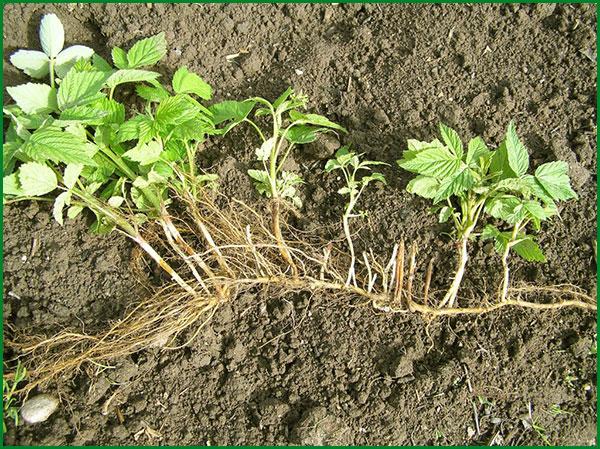
To propagate the plant by root suckers, dig up small shoots that appear near the bushes, along with the soil. Place the shoots in separate holes, water them, and wait for them to root. As the young shoots continue to develop, follow the same standard care as for mature plants.
Reviews of the variety from experienced gardeners
Andrey: "I've been growing the Tarusa variety for several years and am always pleased with the harvest. I've never encountered any problems with care. The berries are sweet, suitable for preserves, and delicious fresh."
Vladimir: "I planted this variety a long time ago and regularly harvest the berries for processing. Aphids occasionally attack, but insecticides help eliminate them. It's an easy-to-grow variety, so I recommend it even to novice gardeners."
Related posts:
 Description and characteristics of the Hussar raspberry variety, care and cultivation
 Step-by-step instructions for planting and caring for raspberries in summer, tips from gardeners
 The best raspberry varieties for the Moscow region with descriptions and characteristics
 Description of the remontant raspberry variety Atlant, planting technology and care
 Description and characteristics of the 50 best raspberry varieties for Siberia
 Description and characteristics of the Solnyshko raspberry variety, planting and care
 Description of the remontant raspberry variety Orange Miracle, planting and care
 Description of the Balsam raspberry variety, the intricacies of growing and caring for it