
- Factors contributing to the appearance of aphids
- Signs of parasitism
- What is dangerous for raspberries?
- Products for processing in greenhouses and open ground
- Chemicals
- Fungicides
- Folk remedies
- Hot pepper infusion
- Garlic infusion
- Onion broth
- Ash solution
- Ammonia
- Chamomile decoction
- Celandine infusion
- Tobacco infusion
- A decoction of tomato or potato tops
- Soap solution
- Rules for spraying raspberry bushes
- In spring – during the flowering period
- In summer – during fruiting
- In the fall
- What mistakes do novice gardeners make?
- Ways to protect raspberries
- Preventive treatments
- Compliance with agricultural practices
- Selecting resistant varieties
- Tarusa
- The beauty of Russia
- Maroseyka
Many people are interested in how to control aphids on raspberries during the fruiting period. To achieve good results, it's important to choose the right product. Today, numerous chemicals and folk remedies are known that can achieve the desired results. The choice of a specific product depends on the severity of the problem. Adherence to proper agricultural practices is also crucial.
Factors contributing to the appearance of aphids
Aphids can be introduced to raspberries via planting material previously grown in commercial fields. Furthermore, the pests often migrate from neighboring garden plots. This affects not only plants grown outdoors but also those in greenhouses. Pests can enter greenhouses through ventilation openings or vents.
The main cause of aphid attacks is considered to be poor agricultural practices. Bushes planted in shade or partial shade are at risk. Lack of preventative treatments or untimely thinning of plantings are also causes.
Signs of parasitism
To identify problems, carefully inspect the crop. To detect pests early, inspect the crop for the first time at the bud break stage. Pay particular attention to the tips of flowers and shoots.
White traps can also help identify the problem. They are placed in the spring, when the leaves are budding. To identify the insects, gently shake the raspberry bush. A large number of ants is often a sign of aphid infestation.

The main symptoms of damage to plantings include the following:
- the leaves turn yellow, curl and become deformed;
- flowers do not bloom or fall off;
- shoots become deformed and shortened;
- The above-ground parts of the plant are covered with a sugary coating.
What is dangerous for raspberries?
Insects pierce the leaves and stems of young bushes and feed on their sap. Aphids can also absorb the sap of fruits. Pests enter the area from infected plants or adjacent areas. Ants are often the cause of the pest infestation. They consume the pests' milk and create entire farms.
When aphids infest the bushes, a sweet, sticky coating called "royalty" appears. This substance attracts other parasites, which absorb the plant's sap and damage its tissue.
Aphids pose a significant threat to raspberries. Their colonies destroy the entire fruit crop and young shoots. These pests also increase the risk of fungal infection. Failure to treat the plants promptly can result in complete crop loss.

Products for processing in greenhouses and open ground
It's recommended to choose aphid control methods based on the season, crop development stage, and the number of pests infested. Chemical treatments should be used before flowering and after harvest. Most traditional methods can be used year-round.
To protect berry bushes from aphids and other pests, it's important to follow proper agricultural practices. Biologically active agents are often used to protect plantings. These include bacteria and fungi that pose a threat to aphids.
Fans of organic farming and pest-free solutions plant special repellent plants around raspberries. Regularly doing this will repel pests.
Chemicals
Chemical treatments can help get rid of aphids quickly. Before applying to shrubs, mix the treatment with water, following the instructions. Systemic insecticides are used to kill the pests.
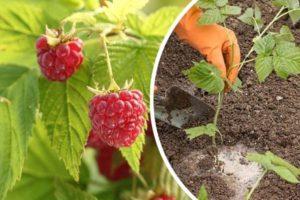
 The solution must be prepared immediately before treating the crop. It's important to ensure the chemical reaches only the area where pests are concentrated.
Before flowering or after harvesting, a solution of Nitrofen can be applied. The recommended dosage is 200 milliliters per 10 liters of water. Similar insecticides can also be used, such as Fufanon, Actellic, and Novaktion.
After bud break, it's acceptable to use a solution of Karbofos. Its concentration should be 10%. To do this, mix 80 milliliters of the solution with 10 liters of water. During flowering, it's acceptable to spray the plants with green soap. Use 200 milliliters of the solution per 10 liters of water.
Chemical treatments should be carried out in the evening. It's best to do this in calm, windless weather. If the aphid infestation is severe, apply two treatments, with two weeks between treatments.
Fungicides
Certain fungicides can help control aphids. It's important to keep in mind that these medications are primarily intended to treat fungal diseases. However, Bordeaux mixture can also be used to kill aphids. It contains lime and copper sulfate.

Mix the powder with water according to the instructions and spray the affected leaves with the resulting solution. For preventative purposes, apply the mixture before bud break.
Fundazol is considered another effective remedy. It helps combat fungi and also has insecticidal properties. It also kills aphids. It is less toxic than chemicals. To make a useful solution, use 5 grams of the product per 1 liter of liquid.
Folk remedies
There are many simple folk remedies that can help combat pest attacks. Plants with insecticidal properties are highly effective. Wood ash, pharmaceutical products, and laundry soap can help control aphids.
Most often, it is recommended to make a solution with a specific product and spray it on raspberry bushes. This is done before or after fruit appears.
Hot pepper infusion
To combat aphids, prepare an infusion. Add 1 liter of boiling water to 25 grams of red pepper and let the solution steep for 4 hours. After the mixture has cooled, it is recommended to filter it. Then add 4 liters of water.

Add a small amount of liquid soap to the mixture. This will facilitate its attachment to the raspberry leaves. The mixture can be used as a spray on crops at two-week intervals.
Garlic infusion
Raspberries can be treated with garlic infusion. To do this, take a cup of the mixture and mix it with 5 liters of cool water. Let it steep for 24 hours. A small amount of soap shavings will help the infusion adhere better.
Onion broth
An onion decoction will help eliminate aphids during the plant's flowering period. The peel of this vegetable has pronounced bactericidal properties and helps combat pathogenic microorganisms. This solution is used when chemicals are not possible.
To make the solution, add 5 liters of boiling water to 1 liter of raw material. Simmer for half an hour. Let it steep for 3 days. Strain the mixture and use it to treat the bushes. It is recommended to treat raspberry bushes twice, 7 days apart.

Ash solution
The ash left after burning branches can be used to combat pests. It can be used to make a solution. For this, it's recommended to take 300 grams of the ash and mix it with 3 liters of boiling water. Boil for half an hour. Cool and strain.
To facilitate adhesion, add 20 grams of finely ground laundry soap. Spray the affected bushes with the resulting solution.
Ammonia
To treat raspberry bushes against insects, use ammonia. This substance provides raspberries with additional nitrogen. Aphids are highly sensitive to ammonia compounds. Use 5 milliliters of the substance per 1 liter of water. Add a small amount of finely ground soap and spray the plants.
Chamomile decoction
A chamomile infusion will help control aphids. It's recommended to add 3 liters of boiling water to 0.5 kilograms of chamomile flowers. Place the mixture on the stove and simmer for half an hour. Let it sit for 5 hours. Before use, strain the mixture and add 20 grams of laundry soap.

Celandine infusion
Celandine juice is poisonous and is excellent for killing aphids. To make a solution, you'll need the plant's leaves, stems, and flowers. Chop the ingredients and pour boiling water over them. Let sit for 1 hour. For every 400 grams of ingredients, use 5 liters of water. Filter the mixture and spray it on the raspberries. This should be repeated several times.
Tobacco infusion
To make this mixture, you'll need 50 grams of tobacco leaf and 1 liter of water. Pour boiling water over the tobacco and let it steep for 2 days. Strain the mixture, add 2 liters of water and 5 grams of crushed soap. You'll need 200 milliliters of the mixture per plant. This remedy eliminates 80% of parasites and prevents new colonies from forming.
A decoction of tomato or potato tops
You can make an effective insect repellent from tomato branches and leaves. You'll need 2 kilograms of tomato tops. Chop them and add 5 liters of warm water. Let it steep for 3 hours. Reduce heat to low and simmer for another half hour. Strain the cooled mixture and add 20 grams of soap.

Soap solution
Take 200 grams of laundry soap and grate it. Add 1 liter of warm water and mix thoroughly. Add another 5 liters of liquid. Spray the raspberry bushes with the resulting solution. You will need 300 milliliters of the solution per plant.
Leaves should be wiped with a damp sponge soaked in the soapy solution. Lower branches should be dipped directly into the solution. Tar soap can be used instead of laundry soap. Many gardeners add a spoonful of baking soda to the solution. A cup of vegetable oil can also be added to the solution. This promotes the formation of a film on the leaves and prevents aphid damage.
Rules for spraying raspberry bushes
Raspberry patches are treated with chemicals against aphids. Irrigate the plants before flowering and fruiting. Sprays with Karbofos, Nitrofen, and Kilzar are suitable. Insecticides are applied in two stages. Chemical compounds can be applied twice. This will completely eliminate eggs and adult aphids.

In spring – during the flowering period
Once flowering begins, avoid using chemicals. Insecticides will kill flowers and beneficial insects. During this period, it's better to use herbal decoctions and infusions against aphids.
In summer – during fruiting
During fruiting, bushes must be treated with extreme care. Once ripe berries appear, the use of chemical compounds and fungicides is strictly prohibited. Home remedies containing insecticidal plants are not recommended.
In this case, it is acceptable to use a soap solution or ammonia. Gently wipe each affected leaf with these solutions.
In the fall
After harvesting, trim back overgrown stems. This will protect the crop from aphids and improve yield.
What mistakes do novice gardeners make?
Many novice gardeners make common mistakes when trying to get rid of aphids. One common mistake is the use of fungicides. While some products can help control aphids, systemic insecticides are better for controlling these insects.
 Another common mistake is treating bushes in rainy weather. The chemicals are immediately washed away by the rain, so the results are ineffective.
Ways to protect raspberries
To prevent aphid attacks, experienced gardeners use simple measures. They prune raspberry bushes and other berry bushes annually. They also need to remove fallen leaves, control weeds, and keep the garden clean. Planting strong-smelling plants near raspberries will repel pests. Onions, tomatoes, potatoes, and garlic can all help.
Attracting beneficial insects is also important. These include ladybugs, lacewings, and hoverflies. You can also place feeders on the bushes for tits, sparrows, and other birds that eat aphids.
Preventive treatments
Prevention involves regular inspection of raspberries. When planting, it's important to avoid overcrowding. After harvesting, regularly prune excess branches.

A complete preventative measure is to treat the plant with Inta-vir. To do this, take one tablet and mix it with 10 liters of water. For every 10 square meters of planting, you'll need 1.5 liters of solution.
Compliance with agricultural practices
To prevent aphids from appearing on raspberries, you need to follow agricultural practices:
- Plant bushes at a certain distance.
- Monitor the condition of the berry bush.
- Eliminate weeds promptly. This will help prevent the spread of aphids from the grass.
- Plant repellent plants near raspberries. These include garlic, wormwood, and chamomile.
- Systematically perform sanitary pruning of damaged shoots.
- Clear the area of fallen leaves, under which parasites overwinter.
- Treat anthills with insecticides.
Selecting resistant varieties
Aphids have a special body structure that prevents them from colonizing plants with hairy foliage. Breeders have developed special raspberry varieties that are resistant to insect attacks.
Tarusa
This standard variety is called the "raspberry tree." This is due to its thick, straight shoots. The plant is resistant to fungal infections and is not susceptible to aphid attacks.

The beauty of Russia
This variety was developed from two other cultivars, Maroseyka and Mirage. This plant is characterized by high yields and large fruits, which have a distinct aroma. The cultivar is highly resistant to aphids and fungi.
Maroseyka
This raspberry variety was bred by Professor Kichin and has been known since the 1970s. Its shoots have a special waxy coating, which reliably protects them from aphids and fungal infections.
Aphids are a dangerous pest that often damage berry bushes, and raspberries are no exception. To control these insects, it is recommended to treat the plantings with chemicals and natural remedies. Adherence to proper agricultural practices is also crucial.
Related posts:
 How to treat raspberries against pests during fruiting and flowering
 Step-by-step instructions for planting and caring for raspberries in summer, tips from gardeners
 How to treat peppers for aphids, how to fight them with folk and chemical remedies
 How to control aphids on beets using folk remedies in open ground, what to treat with
 How to control aphids on cucumbers using folk remedies, what to treat and spray with
 How to control aphids on carrots using medications and folk remedies
 Description of the remontant raspberry variety Orange Miracle, planting and care
 Treatment rules and 20 best remedies for dealing with aphids on apple trees