
- Raspberry diseases: signs and treatment methods
- Didymellosis (didimella)
- Septoria, or white spot
- Anthracnose
- Curly hair
- Mosaic
- Infectious chlorosis
- Rust
- Non-infectious chlorosis
- Verticillium wilt
- Gray rot
- Powdery mildew
- Root cancer
- Late blight, or root rot
- Treating raspberries against pests
- Raspberry glasshouse
- Leafhopper
- Raspberry bud moth
- Leaf roller
- Raspberry and strawberry weevil
- Spider mite
- Raspberry mite
- Stem fly
- Stem gall midge
- Raspberry beetle
- Bedbugs
- A ranking of the best folk and chemical remedies for treating bushes
- Chemicals
- Folk remedies
- Tar
- With ammonia
- With mustard and soda
- Bordeaux mixture
- Urea
- With boiling water
- With iron sulfate
- With copper sulfate
- Features of bush treatment during flowering and fruiting periods
Every gardener who plants raspberries in their garden hopes to reap a bountiful harvest each year. However, these plans don't always materialize. The reasons for poor growth and low yields are simple: severe damage from pests and diseases. Before treating raspberries during flowering, fruiting, and other stages of development to permanently protect them from pests, it's important to familiarize yourself with the diseases and establish an accurate diagnosis.
Raspberry diseases: signs and treatment methods
Garden raspberries are susceptible to a number of common diseases. Each disease has its own specific characteristics and features. They are easily identified by their characteristic signs upon visual inspection. Treatment methods depend on the disease and its stage. Let's look at the most common ones.
Didymellosis (didimella)
Purple leaf spot, also known as didymella, is easily identified by the dark purple spots where the leaf attaches to the branches. If left untreated, the spots quickly spread and spread to the entire shoot. On leaves, the disease appears as spots with a yellow border.
When the disease is recognized, raspberries are treated in the first half of summer with a solution of Bordeaux mixture or Topaz.
Septoria, or white spot
Septoria leaf spot is most noticeable on raspberry leaves. Initially, it appears as pale brown spots, which later grow larger and merge. The leaf tissue dies, causing massive leaf drop. Bordeaux mixture can help control the disease.
Anthracnose
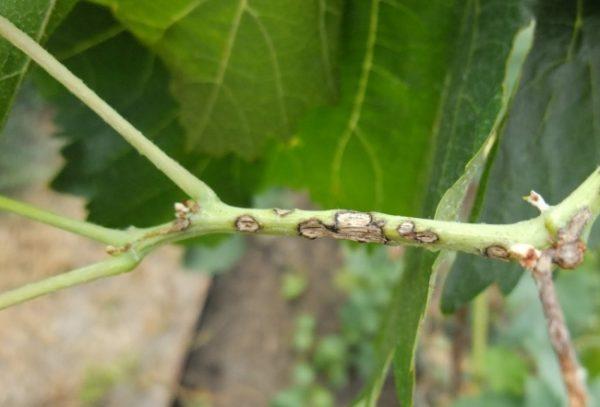
The appearance of unusual gray-white spots on one-year-old shoots should alert any gardener. These spots subsequently grow rapidly and turn gray. A hole appears in the leaf blade at the affected area. This is anthracnose. To treat raspberries, carefully treat the plant with Bordeaux mixture.
Curly hair
Have previously dark green leaves become wrinkled and curled at the edges? Your raspberry has contracted a viral disease called raspberry leaf curl. Subsequently, the berries' flavor changes and they dry out. Within three years, the infected plant dies.
Mosaic
Aphids often infect raspberries with mosaic. The disease spreads especially rapidly during rainy periods and cool weather. The berries' flavor changes, making them unfit for consumption. Fruit production decreases. Dark green leaves become covered with lightened spots. Young shoots are gradually damaged. Affected areas must be removed and burned.
Infectious chlorosis
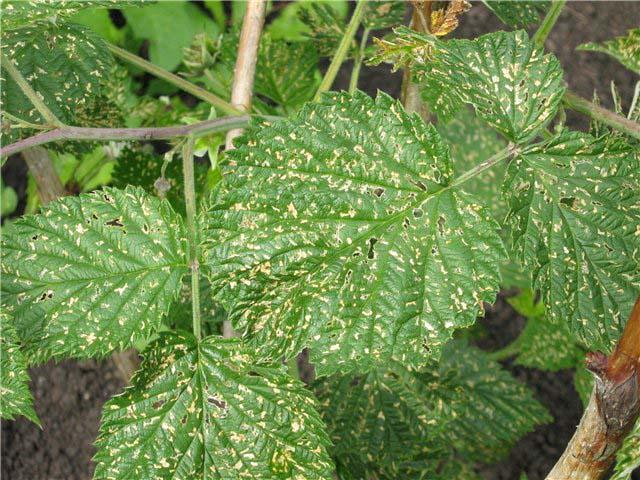
Viral diseases are spread by aphids and other pests in the garden. They enter the plant through open wounds and lesions. This is how infectious chlorosis is transmitted.
The disease can be noticed in early summer. raspberries are turning yellow veins of the leaf blade, and then the leaf itself.
The shoots become very thin and elongated. The berries become smaller and fall off. In subsequent years, the plant bears virtually no fruit. The disease is incurable and requires uprooting and burning the raspberry patch.
Rust
Rust is one of the causes of raspberry stem drying. When infected, distinctive yellow spots appear on the leaves as early as early May. Subsequently, the leaves turn red and dry out completely. Brown ulcers appear on the stems. Rust is incurable and requires complete plant replacement.
Non-infectious chlorosis
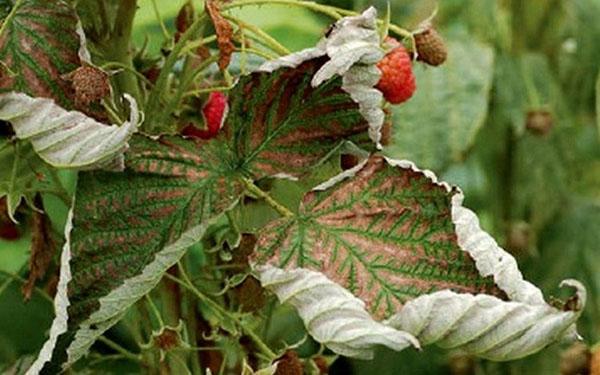
A deficiency of iron and other elements is often the cause of chlorosis. At the onset of the disease, the plant's color changes, with the raspberry turning pale. Later, yellowing of the foliage, stems, and flowers is observed. Weak shoot growth and poor fruiting are also observed. Adding essential micronutrients to the soil will help eliminate this disease and restore fruiting.
Verticillium wilt
Are your raspberry canes dying? This is verticillium wilt. This soil-borne fungus penetrates the root system through open wounds and other injuries, causing it to die. Dark streaks appear on the raspberry stems, the bark cracks, and the stems wilt. This disease is incurable and requires the removal of affected plants and their subsequent burning.
Gray rot
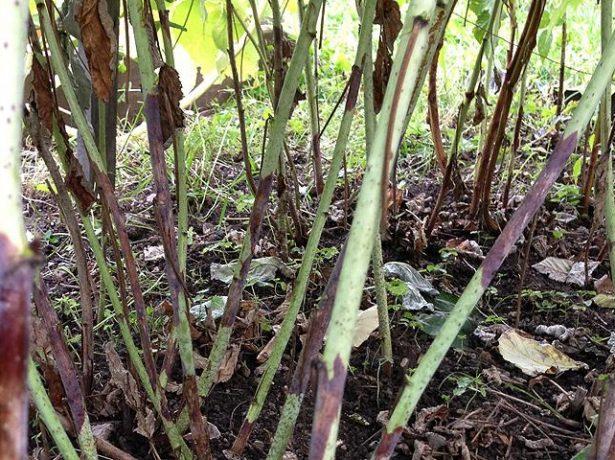
Brown spots on berries indicate a raspberry infection with gray mold. Over time, the berries become completely damaged and fall off. Close inspection reveals gray mold on the berries. The disease also appears on leaves as gray spots. Damaged shoots die during the first winter. If the infection is widespread, treatment is impossible. All raspberry plants are removed from the area, and new seedlings are planted elsewhere.
Powdery mildew
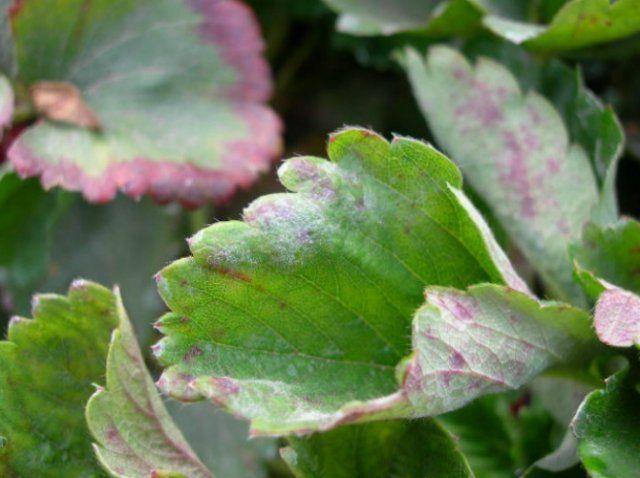
A white coating on raspberry stems indicates powdery mildew. At the very onset of the disease, a gray-white coating appears on the leaves and fruit. It can be easily removed with a finger. After the spores mature, droplets of liquid can be seen on the plant surface. By late summer, the coating thickens, and upon close inspection, sporulation can be seen as black dots on its surface.
Root cancer
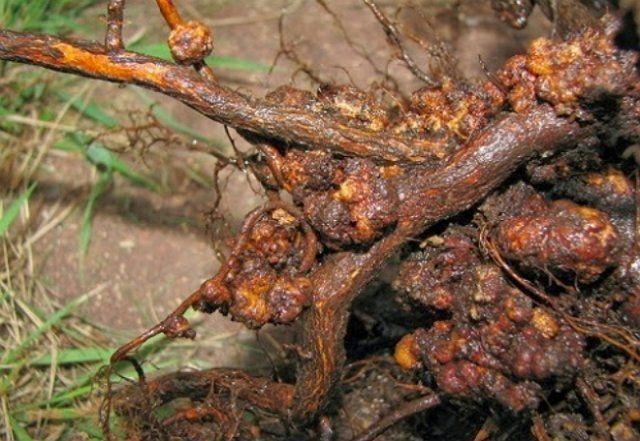
The appearance of characteristic lumpy growths on the root collar and roots indicates a common raspberry disease called root canker. This disease causes stunted plant growth, unseasonable yellowing of leaves, and changes in the taste of the berries. Causes of the disease include:
- infected planting material;
- insufficient fertilization;
- contaminated soil.
Using varieties resistant to root cancer will help prevent this disease.
Late blight, or root rot
With the arrival of warm spring days, raspberry buds are expected to actively swell. But this doesn't always happen. This is late blight. Drying of lateral shoots only confirms the disease. When uprooting such a plant, rotted roots are visible.
Treating raspberries against pests
Raspberries are also not spared by various pests that are widespread in gardens. Annual insecticide treatments will help protect plants and maintain their productivity.
Raspberry glasshouse
It's hard to confuse the raspberry glasswing with any other butterfly. Its long, hairy body is covered in dense hairs. An adult insect measures about 26 mm. It lays white larvae with a yellow-brown head. These larvae damage buds and penetrate shoots, where they pupate for the winter. In the spring, the branch damaged by this cohabitation dies.
Leafhopper
The leafhopper is a chirping insect no more than one centimeter long. It feeds on raspberry sap and lays eggs. The damage it causes causes premature drying of the foliage and stunted plant growth.
Raspberry bud moth
Have dark brown butterflies appeared in your garden? These are the raspberry bud moth. They lay their eggs in the garden, which hatch in the spring into red caterpillars with dark brown heads. They feed on the sap of young shoots and buds, where they pupate.
As a result of the damage caused, the buds dry out.
During the flowering period, moths emerge from their cocoons and lay their eggs on flowers. Caterpillars hatch from the eggs and destroy the harvest. Spring soil treatment with Nitrofen or other pesticides can help prevent moth infestations.
Leaf roller
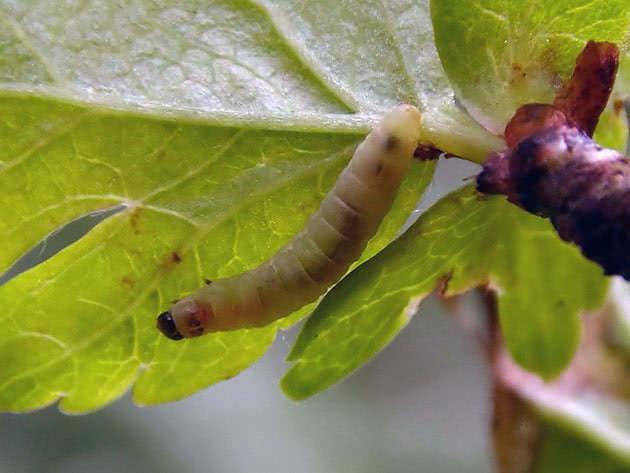
Raspberry leaf roller caterpillars, which grow to no more than two centimeters in size, cause significant damage to raspberries. They feed on leaves and cover them with their dense web. The caterpillar is equally destructive to flowers, buds, flower buds, and berries.
Raspberry and strawberry weevil
Is a black, hard-shelled insect no larger than three millimeters in size infesting your raspberry bush? It's a weevil. It eats young leaves and lays eggs in flowers, damaging the flower stalks in the process. You can easily identify a flower weevil in your garden by the following signs:
- through holes in young foliage;
- wilting of buds;
- the buds fall to the ground.
Planting onions and garlic near raspberries will help prevent weevil infestations. If weevil infestations begin, treat raspberries with Fufanon-Nova before and after flowering. Shortly before flowering and after harvesting, the bushes can be sprayed with Kemifos or Iskra.
Spider mite
A raspberry infestation with spider mites can be identified by dull leaves. They curl, darken, dry out, and fall to the ground. Webbing can be seen on the underside of the affected leaf.
An effective measure to combat spider mites is spraying with one of the following preparations:
- Metaphos;
- "Zolonom";
- "Cidial";
- "Karbofos".
Plants are treated during the period of bud break until the female lays eggs.
Raspberry mite
The raspberry mite, a small yellow insect no larger than 0.5 mm, hides in the axils of leaves during the cold season. It wraps its web around the plant and feeds on leaf sap. When infested with raspberry mites, gardeners often treat the plants with Trichopolum or Nystatin.
Stem fly
Stem fly worms feed on the sap of young shoots. When infected, reddening of leaves and stems and a gray coating on the berries are observed. What steps can be taken to control the fly if the raspberries are infested? Treating the soil with wood ash and copper sulfate can help prevent widespread worm infestation.
Stem gall midge
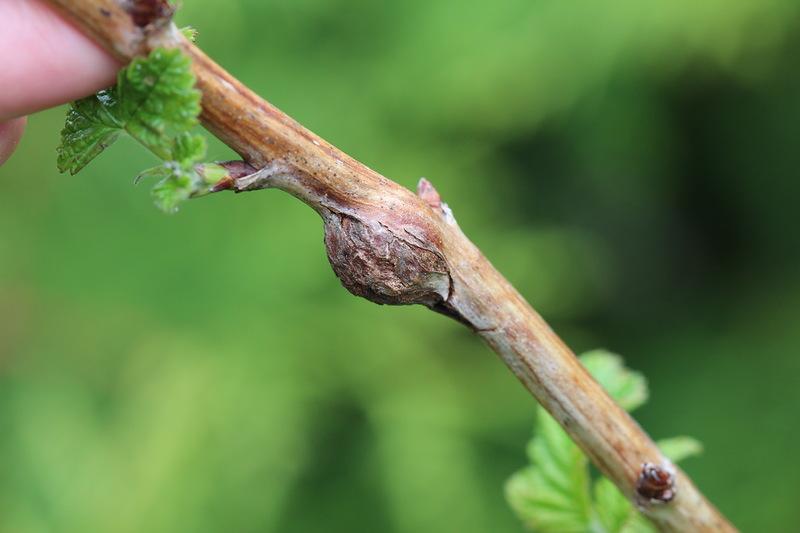
Raspberry stem gall midge is dangerous. It damages young shoots, causing yellowing and leaf drop. It's easily recognized by the characteristic thickenings on the stem, called galls. So what should you do if you spot one? Infusions of walnut, wormwood, bird cherry, or tobacco leaves can help get rid of stem gall midge.
Raspberry beetle
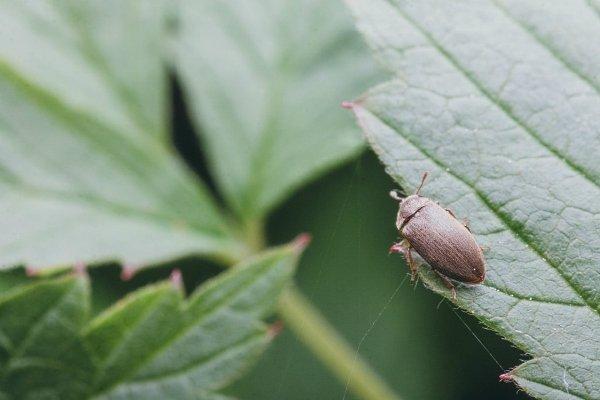
A common insect in our gardens is the raspberry beetle. Its larvae damage berries and reduce the yield. Spraying with a potassium permanganate solution will help prevent a mass infestation of the larvae.
Bedbugs
A triangular, hard shield on its back, reminiscent of a turtle's shell, and an unpleasant odor distinguish the bedbug from other insects. An infusion of tobacco, yarrow, or onion peels will help get rid of this uninvited guest.
A ranking of the best folk and chemical remedies for treating bushes
Using effective pest and disease protection products on raspberries allows you to grow healthy plants and maintain high yields.

Chemicals
To protect raspberries, gardeners often use various chemicals. When worms or obvious signs of disease are detected in ripening berries, gardeners often use:
- Nitrafen;
- Fufanon;
- "Chlorophos";
- Nitrafen;
- Nystatin.
The above-mentioned products are very effective. They will reliably protect raspberries and preserve the harvest.
Folk remedies
There are also gentle methods for combating various diseases. These are folk remedies. They are safe for plants and can be used not only in early spring but also in summer.
Tar
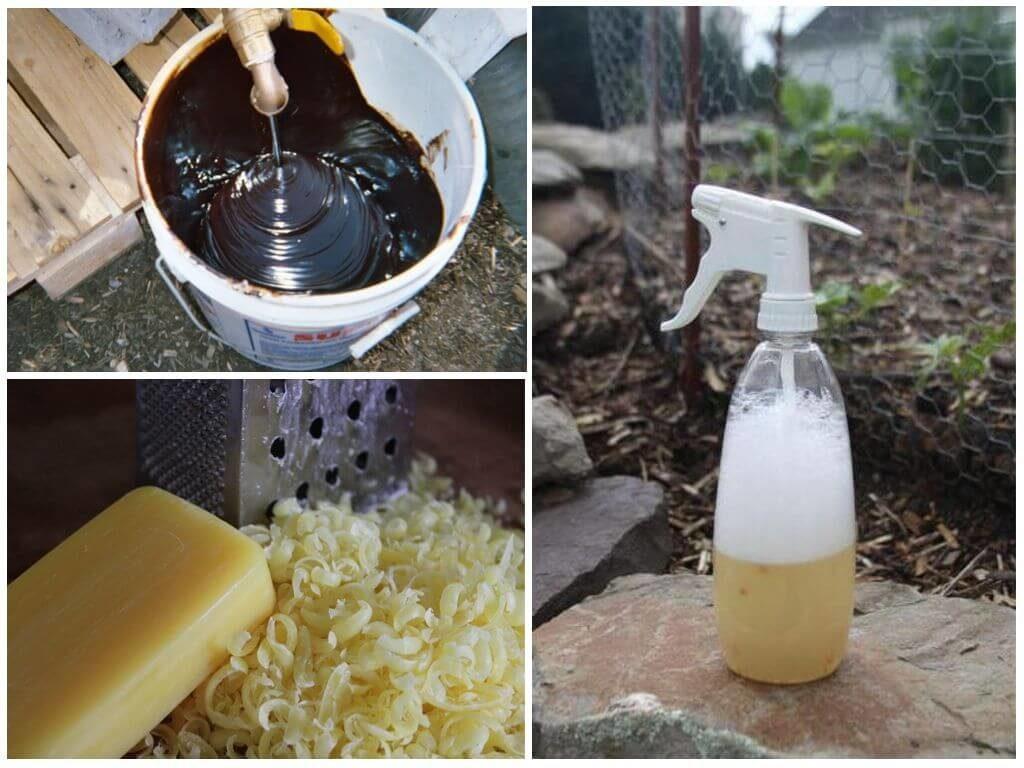
To combat weevils, raspberries can be treated with tar. This will require a solution of one liter of water and 10 grams of birch tar. This treatment is effective in early spring.
With ammonia
Raspberries can be protected from aphids and other insects using ammonia. To do this, dissolve 50 ml of the mixture in 10 liters of water along with grated laundry soap. Spray once or twice a month.
With mustard and soda
Raspberries can be protected from chlorosis, anthracnose, and root rot using a mixture of mustard and baking soda. The solution requires 5 liters of warm water and 10 grams of dry mustard. Apply the resulting solution to the raspberries immediately after flowering. You can replace the mustard with laundry soap and baking soda. You'll need 50 grams of each and a bucket of water.

Bordeaux mixture
A solution of Bordeaux mixture will protect damaged raspberries from most common diseases. For best results, spray the plants in the spring. Do not use Bordeaux mixture during flowering and fruiting, as this can cause browning and cracking of the berries.
Urea
To protect raspberries from anthracnose, spotting, rust, glassworm, and raspberry beetle larvae, you can use urea.
For every 10 liters of water, you'll need 750 grams of urea and 50 grams of copper sulfate. Apply the prepared solution to the plants up to four times per season.
With boiling water
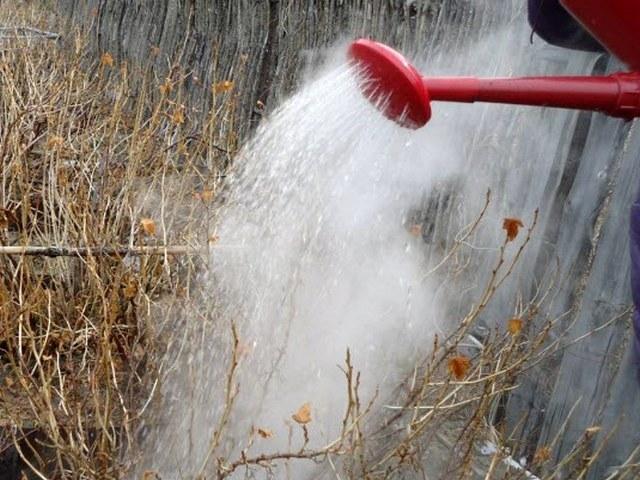
Boiling water is useful for controlling bud mites and aphids. Spray a small amount of boiling water onto the raspberry trunks and leaves from a watering can, being careful not to burn the root system.
With iron sulfate
During the flowering and fruiting periods, ferrous sulfate is used. It helps protect the plant from fungal diseases and insects. Furthermore, it enriches the soil with iron and strengthens the immune system.
With copper sulfate
To treat various diseases during the summer, many gardeners use copper sulfate. To do this, dilute 150 grams of the solution in 9 liters of water. Then, thoroughly spray the plant with the freshly prepared solution.

Features of bush treatment during flowering and fruiting periods
Raspberry treatments are carried out in calm, dry weather. Chemicals are diluted strictly according to the instructions. Wear a respirator and gloves when applying. Depending on the region and variety, raspberries bloom in May or early June. During this period, plants are treated against spider mites, weevils, stem gall midges, and fungal diseases with urea, ammonia, herbal infusions, mustard, or Bordeaux mixture.
Everbearing raspberries are sprayed with biological preparations against powdery mildew and gray rot.
After flowering, preventative measures are taken to prevent shoot and fruit rot. Urea, a decoction of collected herbs, garlic or tobacco tincture, an infusion of onion peels, and wood ash are used for this purpose.
During harvest, to protect the berries from raspberry beetles and weevils, spray the plant with an infusion of wormwood, tobacco, or mustard. Careful attention to raspberries and timely preventative measures promote timely plant development and the ripening of delicious berries.
Related posts:
 Step-by-step instructions for planting and caring for raspberries in summer, tips from gardeners
 Description and characteristics of the Hussar raspberry variety, care and cultivation
 How and when is it best to transplant raspberries to a new location in the summer?
 Description of the Polka raspberry variety, yield, planting and care
 Description of the remontant raspberry variety Atlant, planting technology and care
 Description of the remontant raspberry variety Orange Miracle, planting and care
 Description and characteristics of the Solnyshko raspberry variety, planting and care
 Description and varieties of the everbearing raspberry variety Penguin, planting and care