
- How to identify nutritional deficiencies?
- Copper
- Calcium
- Magnesium
- Potassium
- Phosphorus
- Nitrogen
- What fertilizers are suitable for raspberries?
- Organic preparations
- Mineral fertilizers
- Nitrogen-containing agents
- Folk recipes
- Chicken manure
- Bark
- Yeast
- Ash
- Potato peels
- Mullein
- Timing and rules for applying fertilizers
- In spring - during flowering
- In summer during the fruiting period
- After illness
- Stimulating the yield of everbearing raspberries
- What to apply if the leaves turn yellow
- After harvesting
- After the transplant
- Common mistakes in the spring fertilizing process
Fertilizing raspberries during ripening is essential to increase yields and improve the quality and flavor of the berries. Furthermore, regular fertilization minimizes the risk of infection and ensures the bushes' health. Knowing how to feed raspberries during the ripening process ensures healthy, strong plants and a bountiful harvest.
How to identify nutritional deficiencies?
Nutrient deficiencies in raspberry plantations are caused by improper care and unfavorable weather conditions. To identify the causes of abnormal berry bush development, it's important to correctly determine the minerals the plant requires. To do this, you need to know the signs of deficiency for each element.
Copper
Pale coloration of young leaves and cessation of their growth is a signal of copper deficiency.
Calcium
A calcium deficiency causes chlorotic streaks and spots to appear on young foliage, with edges turning brown and curling upward. Plant growth is stunted.
Magnesium
Signs of magnesium deficiency appear and spread from the lower leaves to the upper ones. They are indicated by the appearance of white or pale yellow spots between the veins, curling and wrinkling of the leaf edges, and gradual death.
Potassium
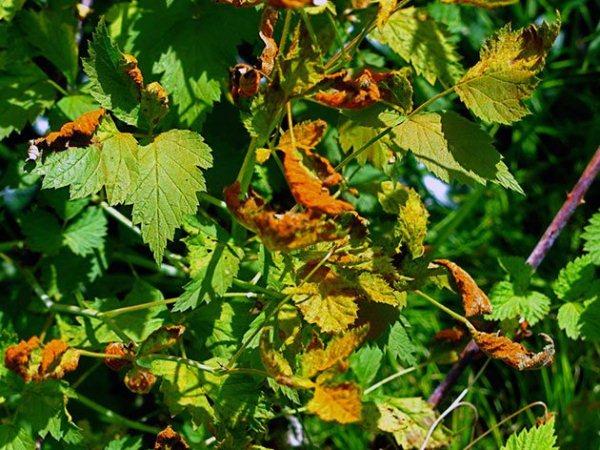
Potassium deficiency leads to stunted shoot growth. On leaves, deficiency manifests itself as browning of the tissue between the veins, followed by necrosis of the leaf blade margin. Berries become small and tasteless. Plant winter hardiness and immunity are reduced.
For all physiological processes to occur normally, and for sufficient fruit density to be ensured, potassium is needed, and its doses must be balanced, since the intake of elements such as calcium and magnesium into the plant depends on this substance.
Phosphorus
Phosphorus deficiency is indicated by weak, thin shoots and a reddish-brown coloration on petioles and leaves. The root system develops poorly and turns brown, while the fruits become soft and unevenly colored.
Nitrogen
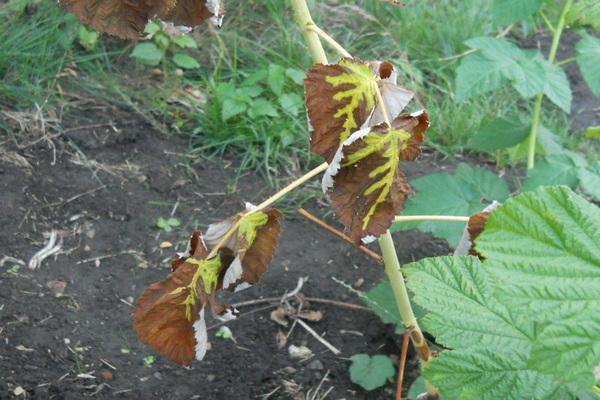
Nitrogen deficiency causes stunted growth. Symptoms also appear on the foliage: it turns light green, which may later curl slightly, and a reddish tint may develop between the veins. The roots become gray.
What fertilizers are suitable for raspberries?
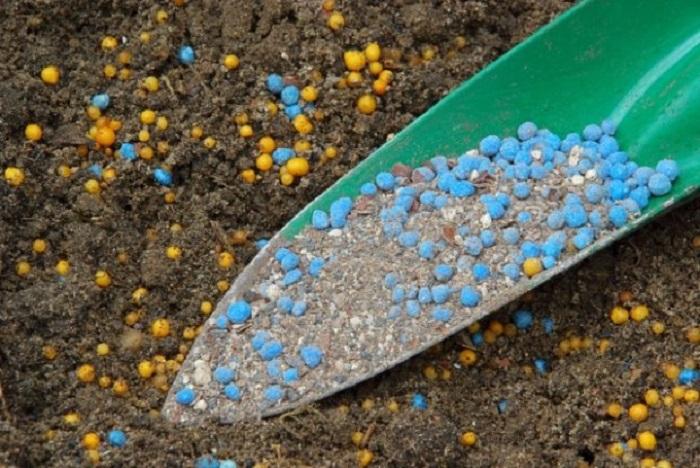
To develop fruiting stems with high productivity potential, the plantation must be enriched annually with the required amount of nutrients. When caring for the plant, it's important to create a proper fertilizing schedule and adhere to it, observing the recommended dosage of nutrients.
Organic preparations
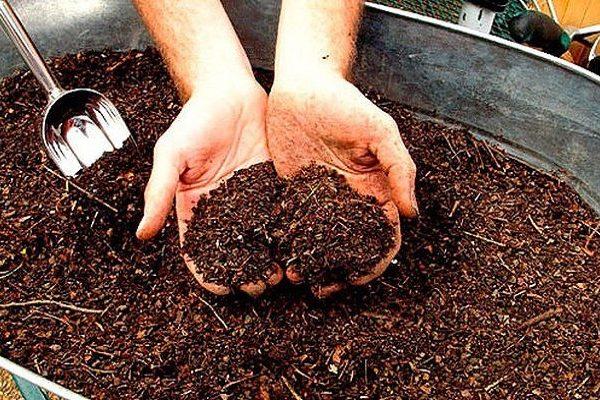
Organic fertilizers, including manure, chicken manure, compost, and wood shavings, are considered the safest and most effective for growing environmentally friendly produce. These substances improve the properties and structure of the soil, its air and water balance, and enrich it with beneficial elements.
Mineral fertilizers
When using minerals, it's best to use a complex fertilizer containing several nutrients. To do this, take:
- 3 tbsp. l. superphosphate;
- 2 tbsp. potassium salt;
- 2 tbsp. ammonium nitrate.
Preparation: Combine all ingredients and dissolve in 10 liters of water.
Application: water the raspberry patch with the resulting mixture.
Nitrogen-containing agents
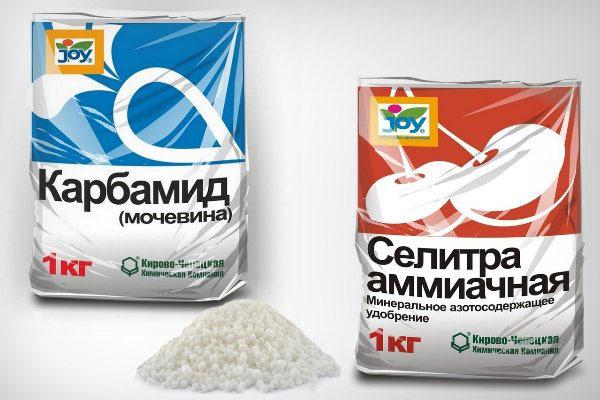
Nitrogen is considered a key element for the healthy growth of berry crops, as it is responsible for the yield and health of berry plantations. Raspberries require especially high levels of nitrogen in the spring. For this, use ammonium nitrate and urea. It's important to strictly adhere to the recommended dosage when using these products.
Folk recipes
Folk remedies have become an excellent alternative to ready-made chemical fertilizers, as they make it possible to grow a good harvest of delicious berries.
Chicken manure
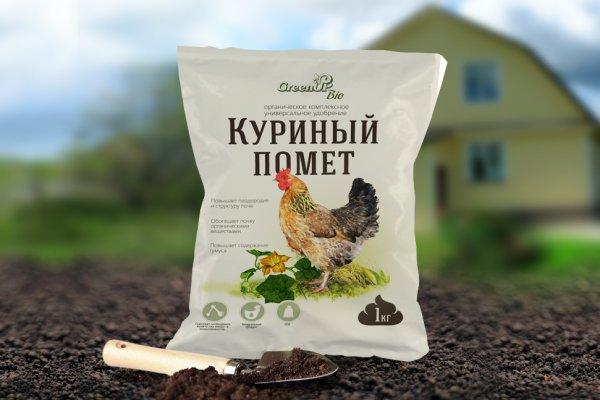
Experienced gardeners recommend using liquid chicken manure for fall fertilization. To do this, dilute the fermented mixture in water (1:20) and water the plant. You can also use the dry substance as a fertilizer by sprinkling the soil around the raspberry patch.
It is important to maintain the proportions, as a large percentage of manure in the fertilizer can burn the plant roots.
Bark
Bark, which contains all the nutrients, is considered a natural and inexpensive fertilizer for raspberries. To do this, take tree bark in the fall, break it into small pieces, and place them under the bushes. Once the pieces rot, the plant will be saturated with nutrients. You can fertilize with sticks, pieces of boards, old tree trunks, and mulching with coniferous bark is also recommended.
Yeast
Yeast, a product containing many beneficial substances that plants love, is often used as a fertilizer, as it stimulates vegetative growth, strengthens the plant's immune system, increases yield, and positively impacts the quality of berries.
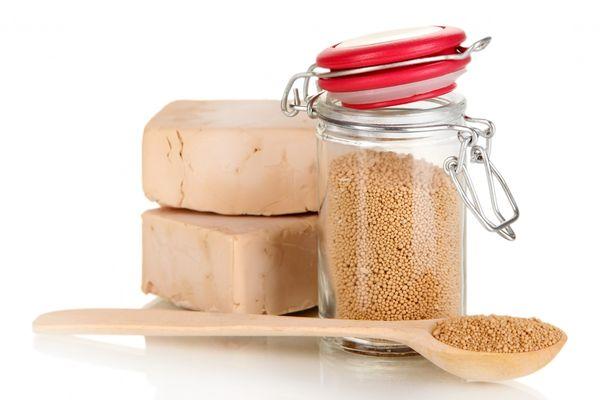
To prepare the yeast solution you will need:
- 10 g dry yeast;
- 10 liters of warm water;
- 5 tbsp. sugar.
Preparation: Mix all ingredients and let steep for 2 hours. Then dilute the infusion with more water in a ratio of 1:5.
Usage: You need to feed the raspberries with the resulting solution immediately, otherwise the microorganisms in the infusion will die.
Ash
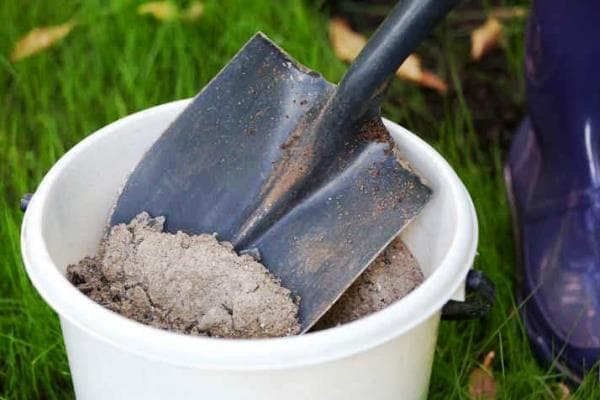
For better fruit ripening, it's best to feed the raspberries with ash—a natural potassium fertilizer that can be used in both dry and dissolved form. For dry feeding, sprinkle 1 cup of ash per 1 square meter of raspberry bush. For liquid feeding, dilute 1 cup of the solution in 10 liters of water, then let it sit for 7 days and water at a rate of half a bucket per bush.
Potato peels
Potato peelings are used as fertilizer for raspberries. The crop will thank you for their application with abundant blooms and sweet-tasting berries. Potato peelings can be added to compost piles, dried and added to planting holes, or used as mulch in raspberry patches. You can also make an infusion by steeping the peelings in boiling water and letting them sit for several days, then watering. This remedy is effective during the flowering period. It's important to remember that potato peelings are a supplemental fertilizer, so foliar fertilizer should also be applied.
Mullein
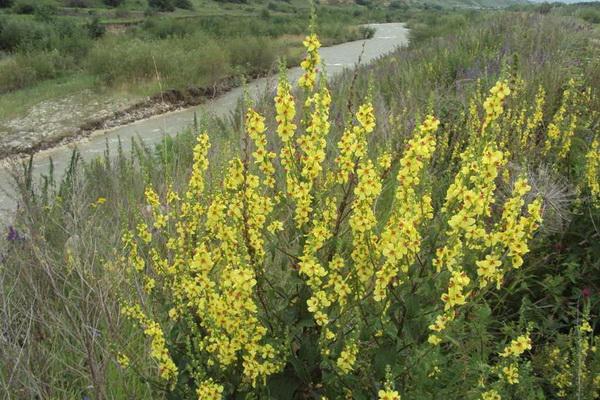
This natural and highly effective fertilizer is easily absorbed by plants and not only nourishes but also helps fight diseases. To use, dilute the mullein with water at a ratio of 1:10.
Timing and rules for applying fertilizers
To help determine when to apply fertilizer, a gardener can develop a fertilizer application schedule based on the region's climate, weather conditions, soil structure, and raspberry variety.
In spring - during flowering
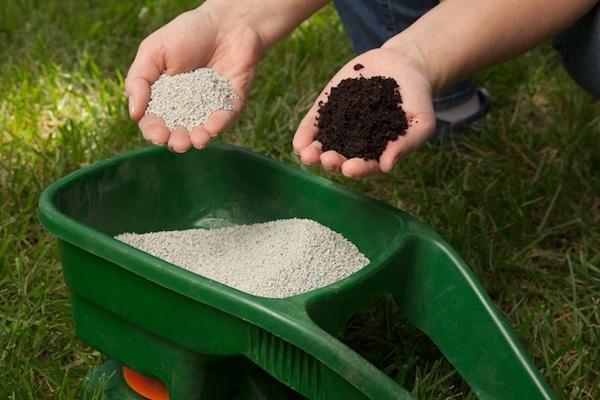
In spring, raspberries should be fed with mineral fertilizers, including superphosphate, which contains nitrogen, potassium, magnesium, phosphorus, and sulfur, essential for vigorous shoot growth and increased yield, and potassium salt, which provides excellent nutrition for the plant. These nutrients enhance the plant's resistance to various diseases. Nitrogen fertilizers such as ammonium nitrate and urea are also important during this period; they should be applied in late April and May. This will promote good growth of foliage.
In summer during the fruiting period
During the summer months, sweet raspberries begin actively fruiting, and at the end of the season, ovaries are set on the bushes and fruit buds are formed, which will begin to grow the following spring. Therefore, it is recommended to fertilize the plant twice during the summer.
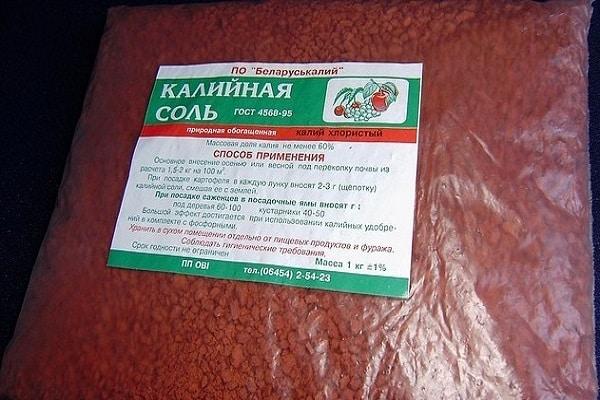
The first feeding should be done in late June or early July, when the berries are ripening, using mullein, manure, or chicken manure. The second application should be done in August, digging 20 cm-deep furrows along the raspberry rows, at least 30 cm from the bushes, and adding 40 g of potassium salt and 60 g of superphosphate per bush.
After illness
When raspberries are affected by diseases and pests, they grow poorly and bear little fruit. Fungicides and insecticides can help solve the problem. Those bushes that survive should be fertilized according to the fertilizer schedule.
Advice! For preventative purposes, treatment with copper-containing preparations will be necessary.
Stimulating the yield of everbearing raspberries
Everbearing raspberry varieties are gaining popularity every year. They differ from regular raspberries in that they produce fruit throughout the season. These varieties require more nutrients. However, it's not recommended to overdo the fertilizer application to plump up the fruit. To achieve larger berries, it's best to apply additional fertilizer in the summer, using mineral fertilizers. This will prevent the bushes from producing small fruit.
What to apply if the leaves turn yellow
The main cause of yellowing leaves is a lack of nutrients. Therefore, it's important to fertilize the soil annually, focusing on nitrogen, but in reasonable quantities.
After harvesting
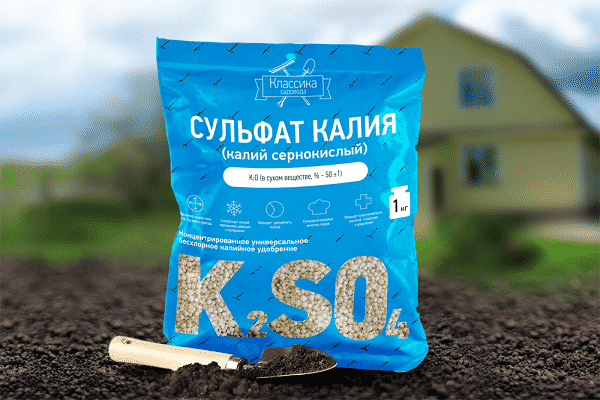
In the fall, after harvesting, sprinkle the soil with ash or water it with a solution of potassium sulfate (2 tablespoons of dry matter per 10 liters of water) to ensure that more fruits form next year.
After the transplant
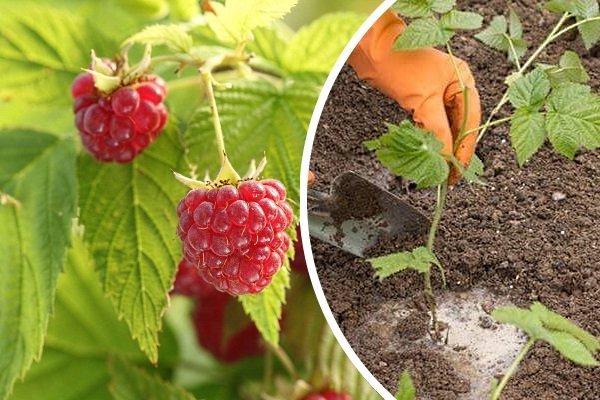
Without replanting, the bush begins to produce fewer new shoots each year. When replanting raspberries, follow all the rules of agricultural technology, and remember to add organic and mineral fertilizers mixed with fertile soil to the hole.
The first fertilizer for a transplanted raspberry bush should be applied no sooner than 2-4 weeks later, using wood ash or manure. You can also treat the plant with root growth stimulants.
Common mistakes in the spring fertilizing process
The most common mistakes made by novice gardeners include:
- failure to meet deadlines;
- incorrect dosage of fertilizers;
- uneven backlog;
- use of low-quality or expired complexes.
Before growing raspberries, you need to familiarize yourself with all the advice of agronomists and specialists and follow their recommendations, and then there will be no problems with fertilizing.
Related posts:
 Step-by-step instructions for planting and caring for raspberries in summer, tips from gardeners
 How to treat raspberries against pests during fruiting and flowering
 Description and characteristics of the Hussar raspberry variety, care and cultivation
 How and when is it best to transplant raspberries to a new location in the summer?
 Description of the remontant raspberry variety Atlant, planting technology and care
 Planting and caring for Tibetan raspberries, variety description and propagation methods
 Description and characteristics of the 50 best raspberry varieties for Siberia
 Description of the Balsam raspberry variety, the intricacies of growing and caring for it