
- Features of black-fruited varieties
- Botanical description of the plant and fruits
- Susceptibility to pests and diseases
- Resistance to sub-zero temperatures
- Main differences from red-fruited crops
- How to propagate black raspberries
- Apical layering
- Horizontal layering
- Green cuttings
- Landing specifics
- Preparing the planting hole and seedlings
- Timing and planting patterns for bushes
- Step-by-step algorithm for planting operations
- Specifics of caring for black chokeberry varieties
- Watering
- Loosening and mulching the soil
- Fertilization
- Seasonal treatments
- Shelter for the winter
- Garter and shaping
- The best varieties of black raspberries
- Boysenberry
- Bristol
- Gift of Siberia
- Early Cumberland
- Litach
- New Logan
- Turn
- Coal
- Luck
- Black Jewel
- Kimberly
Black raspberry varieties differ from red ones in a number of ways. When growing and caring for black raspberries, it's important to consider all these characteristics to ensure a large harvest with excellent flavor.
Features of black-fruited varieties
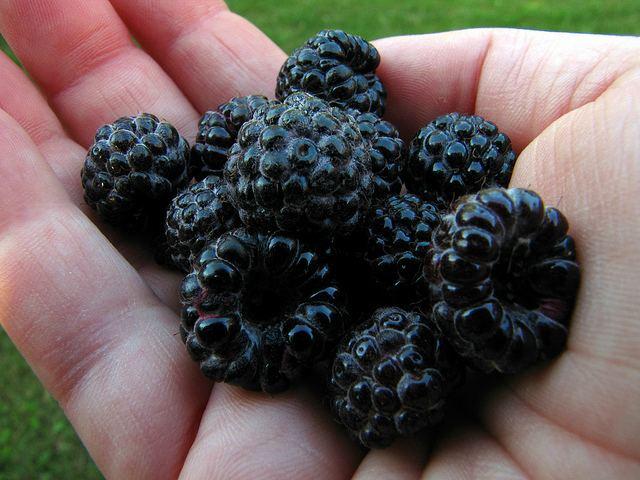
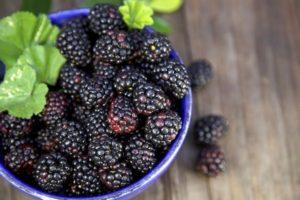
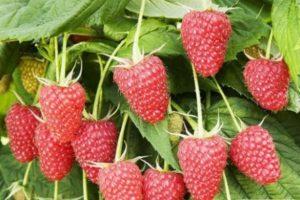
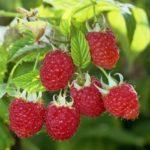
Black raspberries resemble blackberries in appearance. To determine the type of berry growing on the bush, you need to pick them. The raspberry's interior will always be hollow, and the receptacle will remain attached to the branch. The berry's unusual appearance is its main characteristic, which is why many gardeners consider it an exotic variety and try to grow it in their gardens.
Botanical description of the plant and fruits
Black raspberry varieties produce hemispherical shaped fruits. The bushes of this crop are loose, with pale stems with a slight bluish tint, and branches 1.5-2.5 meters long. The popularity of black raspberries is due to their beneficial properties. The fruits contain vitamins, fiber, polysaccharides, tannins, and a number of other beneficial elements. When weighing the benefits and harms of eating berries, it's important to consider that, compared to red raspberries, black raspberries are higher in calories (72 kcal per 100 g). They are often included in low-protein diets due to their low protein and fat content.
Susceptibility to pests and diseases
Black raspberries have the advantage of being highly resistant to infections. They are also rarely attacked by harmful insects. Despite their immunity, improper care and unfavorable environmental conditions can trigger the development of diseases. Verticillium wilt is a common ailment of black raspberries. Affected bushes are pruned and destroyed, as this viral disease is incurable.
Resistance to sub-zero temperatures
The crop is resistant to low temperatures and does not slow down when exposed to frost. When growing in regions with extremely low temperatures, covering material can be used to protect the bushes from freezing.
Main differences from red-fruited crops
The main difference between the crops is in their appearance, including the color and shape of the fruit.Most black-fruited varieties have a sweeter flavor and are considered dessert varieties. Black raspberry bushes can yield up to 10 kg, exceeding the yield of red berries. Another distinctive feature is their more robust root system, located at a depth of approximately 1.5 m, allowing them to withstand periods of drought.
How to propagate black raspberries
There are several ways to increase the number of black raspberry bushes. Depending on the condition of the plant, your own capabilities, and your preferences, you should choose the appropriate propagation method.
Apical layering
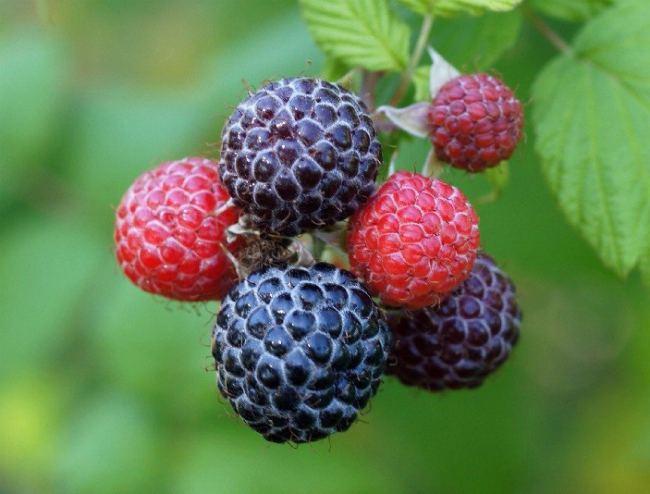
The optimal method for propagating the plant is by burying the apical cuttings. At the end of August, healthy, strong stems are bent toward the ground and covered with soil.
For convenience, you can lower the cuttings into small trenches and secure them firmly. It's important that the growing point is above the surface.
By early winter, the cuttings are covered with a layer of sawdust, peat, or straw for insulation. Many gardeners limit themselves to hilling the cuttings and then cover them with a layer of snow in winter. After the snow melts, the rooted cuttings are separated from the mother plant and grown in their permanent location.
Horizontal layering
In case propagation of raspberries by horizontal layering New bushes begin to bear fruit as early as the second year. The propagation process involves the following steps:
- In May, dig 10 cm deep furrows away from the mother plant. Cover the bottom of the furrows with a layer of sand.
- Green stems are placed at the bottom of the furrows, cutting off the lower and lateral branches with pruning shears.
- The shoots are covered with soil and the tops of the shoots are cut off.
- The cuttings are watered with a growth stimulator.
- In early autumn, new plants are separated and transplanted to their permanent location. To replant the cuttings, dig them up along with the root ball.
Green cuttings
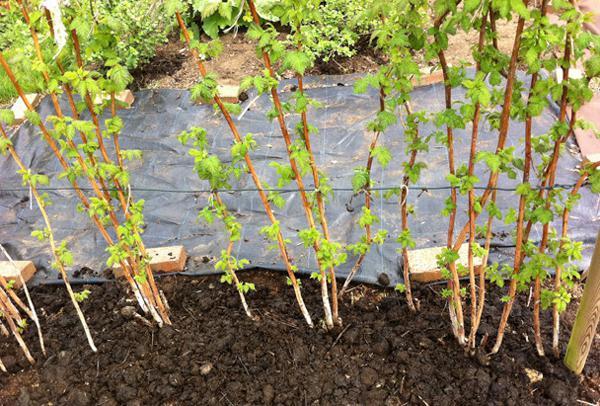
Propagating the plant by cuttings is best done in a protected environment for easier moisture control. Woody shoots are divided into cuttings with several healthy buds.
The cuttings are immersed in a growth stimulator solution for 10 hours, after which they are planted in fertile soil.
It's important to understand that not all cuttings will root. The best time to propagate raspberries by cuttings is early spring. If the recommended timing is followed, by early fall it will be clear which plants will continue to grow.
Landing specifics
When planting a crop, there are a number of nuances to consider. Following basic rules will help avoid complications and improve yields.
Preparing the planting hole and seedlings
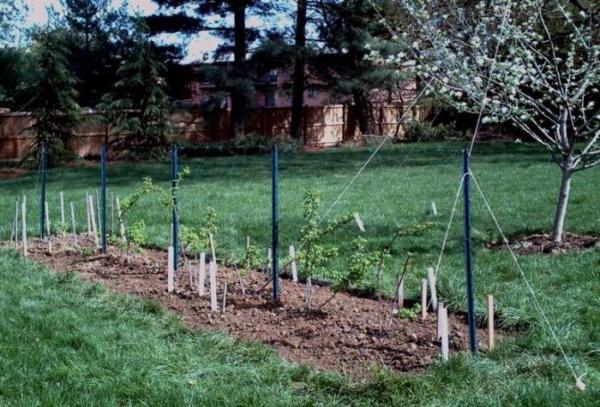
To plant seedlings in a garden plot, dig holes 1.5 meters deep. Add a mixture of mineral fertilizers to the bottom of the holes. The seedlings are pre-soaked in a growth stimulator for 10 hours.
Timing and planting patterns for bushes
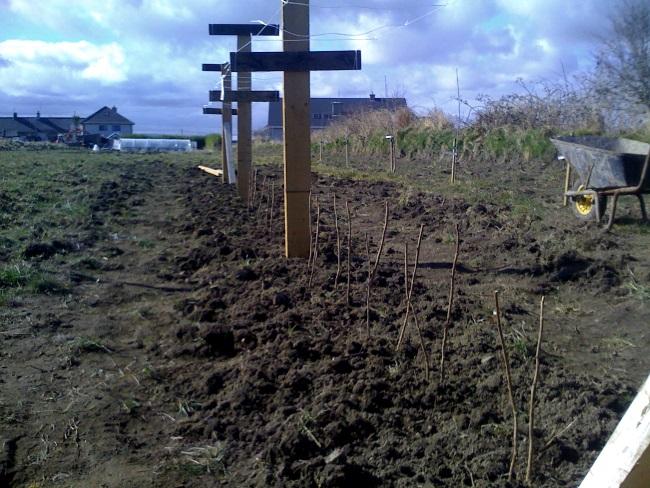
Raspberry planting can begin in the second half of April. If done correctly, the berries will be ready by July. Planting can also be done in the fall, before frost sets in. When planting several raspberry bushes, leave 1-1.2 meters between them. The space between rows should be 1.5-1.8 meters.
Step-by-step algorithm for planting operations
Planting is carried out according to a standard procedure. To properly plant black raspberries, you need to:
- place the seedling in the prepared hole;
- spread the roots at the bottom of the hole, trying not to damage them;
- Fill the hole with soil and compact it lightly.
Specifics of caring for black chokeberry varieties
Routine care of black raspberry bushes involves a number of agricultural practices. To properly care for this crop, it's important to understand the nuances of these techniques.
Watering
Black raspberries don't require regular watering, as their roots can store and gradually release water. If the bushes have a large number of berries, watering them once a week is sufficient.
Loosening and mulching the soil
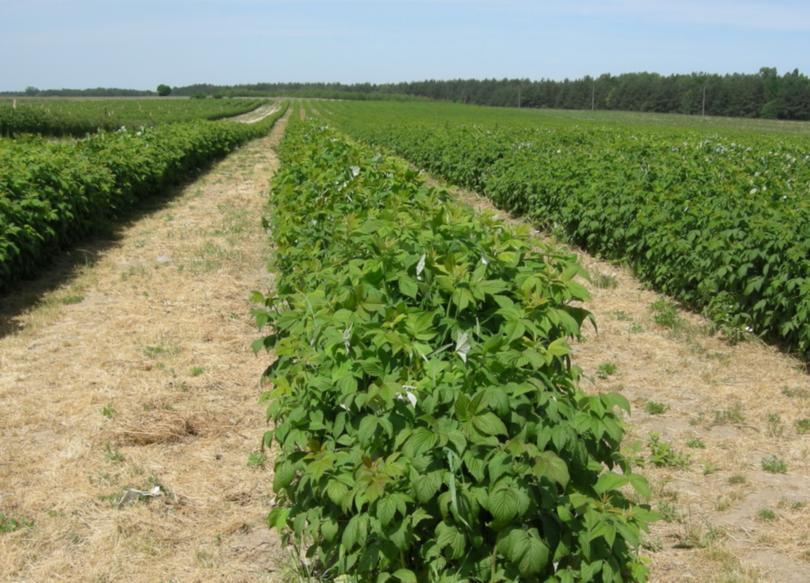
The soil around the bushes should be loosened periodically to allow moisture to penetrate to the lower layers. To avoid loosening the soil, you can cover it with mulch. Mulch materials such as leaves, straw, peat, and hay are all good options.
Fertilization
Fertilizers can be applied in spring and fall. For convenience, it's recommended to use complex fertilizers that contain all the necessary nutrients.
Seasonal treatments
For preventative purposes, protective treatments for bushes should be included in agricultural practices. Typically, plants are sprayed with insecticides and fungicides in the summer and early fall.
Shelter for the winter
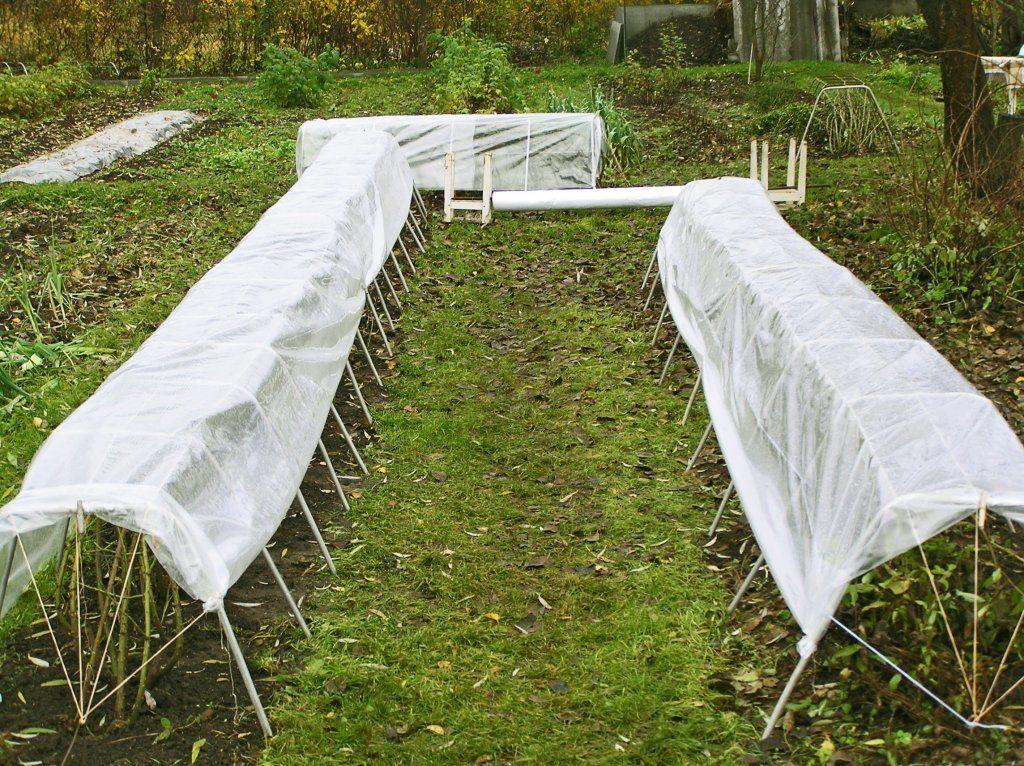
Special covering materials help protect bushes from severe frosts. Thick polyethylene and burlap can also be used as covering. The material is draped over the bushes and secured with rope.
Garter and shaping
Regular pruning is intended to remove old shoots and dried leaves. Staking is only necessary for tall varieties that tend to bend under their own weight and in gusts of wind.
The best varieties of black raspberries
When choosing a variety of chokeberry, it's important to familiarize yourself with the best cultivars. Each type has its own unique characteristics.
Boysenberry
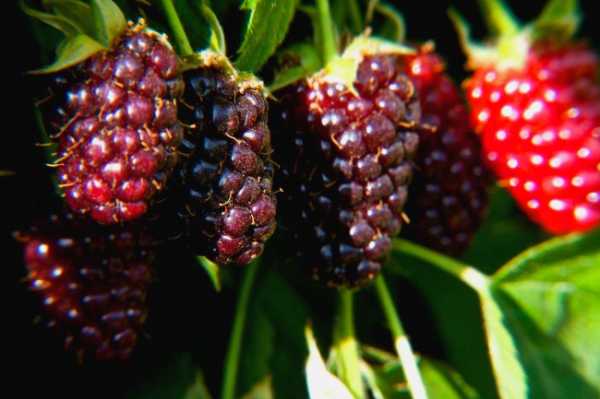
The main characteristic of the Boysenberry variety is its sweet, slightly tart flavor. The berry has an intense aroma and is considered a dessert fruit.
Bristol
The Bristol variety is characterized by medium vigor. The bushes reach a height of 2.5-3 m. The stems are covered with large thorns.
Gift of Siberia
The Dar Sibiri black raspberry is prized for its high yield and resistance to adverse environmental conditions. This mid-late variety is harvested in 2-3 stages.
Early Cumberland
The Early Cumberland variety is resistant to extremely low temperatures and various diseases. It is considered an early variety, producing fruit earlier than most other varieties. Each branch produces 15-17 medium-sized berries.
Litach
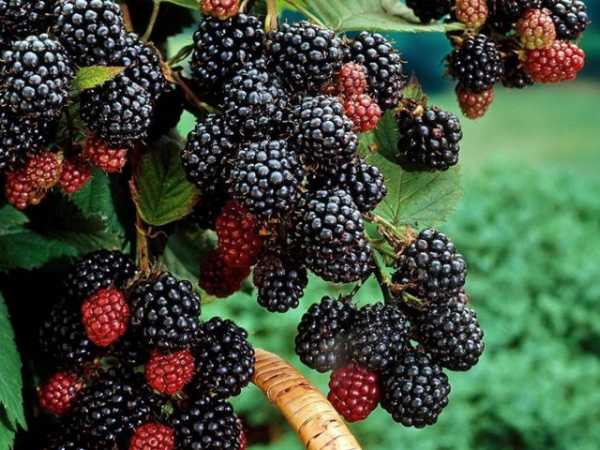
The Litach raspberry bears fruit on two-year-old canes and is distinguished by curved shoots with large thorns. The bushes are vigorous, producing small, spherical berries.
New Logan
The early-ripening New Logan variety is similar to the Cumberland variety. Plants reach 2 meters in height, with stiff stems and medium-sized berries with a glossy surface.
Turn
The Povorot berry variety has become popular due to its high resistance to frost, drought, and pests. Plants reach a height of 2.6 meters, with spreading, vigorous bushes.
Coal
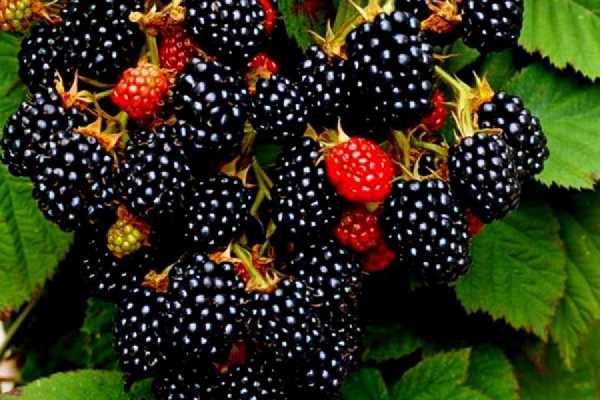
The Ugolok variety has moderately spreading bushes, producing 10-12 shoots. The fruits are juicy, large, richly dark in color, and sweet and sour. Each bush yields 5-8 kg.
Luck
The early-ripening Udacha raspberry is distinguished by its low thorn count—the spines are small and single. The berries are spherical and weigh 2.2 g. They do not fall off when ripe.
Black Jewel
Black Jewel perennial shrubs are considered mid-season. The bushes form strong shoots up to 2.5 m tall.
Kimberly
The hybrid variety Kimberly produces black-purple raspberries with a slight bloom and a shiny surface. The crop is suitable for all-purpose use.
Related posts:
 Step-by-step instructions for planting and caring for raspberries in summer, tips from gardeners
 Description and characteristics of the Hussar raspberry variety, care and cultivation
 Description of the remontant raspberry variety Atlant, planting technology and care
 Planting and caring for Tibetan raspberries, variety description and propagation methods
 Description of the remontant raspberry variety Orange Miracle, planting and care
 How to treat raspberries against pests during fruiting and flowering
 Description and characteristics of the 50 best raspberry varieties for Siberia
 How and when is it best to transplant raspberries to a new location in the summer?