
- Raspberry harvesting times
- Depending on the growing area
- Depending on the variety
- Black chokeberries
- Red and yellow crops
- Ripening period
- Early
- Medium-fruited
- Late-ripening
- Remontant
- Caring for raspberries after harvesting
- Trimming
- Removing root shoots
- Top dressing after fruiting
- Watering and mulching
- Pests and diseases: autumn treatment of raspberries
Raspberries are a popular plant grown by many gardeners. To ensure a consistently bountiful harvest, they require proper care. Experts recommend a comprehensive set of procedures. Proper care after the July harvest helps prevent dangerous diseases, strengthen the plant's immune system, and ensure a bountiful harvest next year.
Raspberry harvesting times
The ripening time of raspberries varies significantly depending on the varieties and climatic conditions of the region.
Depending on the growing area
Raspberries begin to ripen in the summer. Regardless of the region, the berries ripen when the temperature reaches a stable 23 degrees Celsius. In the southern regions, this process usually begins in late June, and in the north, in August.
Depending on the variety
Each raspberry species has specific cultivars that differ in ripening time. There are many varieties of this berry. Some ripen in June, others in August and even September.
Black chokeberries
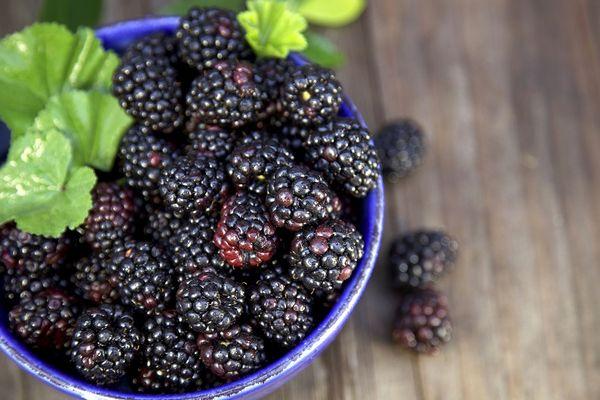
Blackcurrant varieties vary widely. They can have different ripening times. For example, the Cumberland variety is considered early ripening, with the bushes ready to harvest as early as June. The Bristol variety is characterized by a late ripening period. The Ugolek raspberry ripens quite early.
Red and yellow crops
The period of ripening of yellow and red raspberries also depend on the varietyFor example, Slastena Zheltaya is considered a mid-early variety. The berries ripen in the second half of June. The garden raspberry variety Zolotaya Osen is considered mid-late. This crop produces a harvest in late July or early August.
Ripening period
The ripening time of the fruit depends on the category to which a given variety belongs. This allows gardeners to choose the best option.
Early
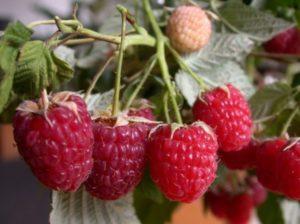
The growing season for early raspberry varieties begins in April. These plants bloom for about two weeks, after which fruit begins to form. The fruit ripens in late June or the first half of July. Harvesting can take approximately one to one and a half months, continuing until the end of July.
Medium-fruited
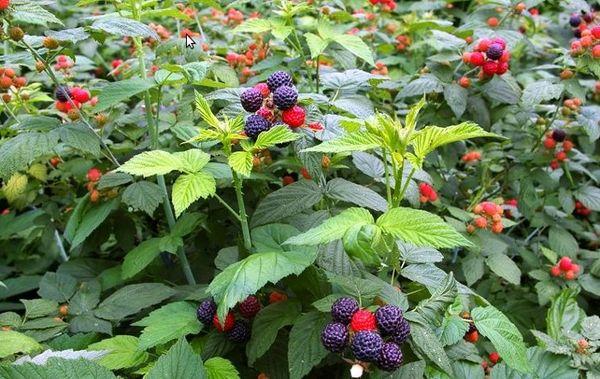
Raspberries, which have a mid-season ripening period, begin their growing season in May. The first flowers can be expected in the second or third ten days of June. Harvesting begins in early July.
Late-ripening
The growing season for these varieties begins in late June. Flowers appear in late July or early August. Depending on the variety, the fruits ripen in early August or September.
Remontant
These raspberry varieties are characterized by specific ripening times. They bear fruit twice during the season. After the first harvest, pruning is recommended. This is when young shoots begin to form. Flowers appear on these shoots, and then fruit appears. Fruit can be harvested from these raspberries until the first frost.
Caring for raspberries after harvesting
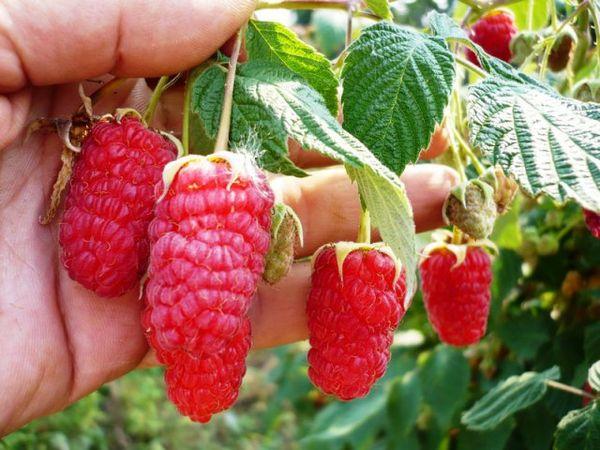
To ensure raspberry bushes thrive and produce fruit properly, they require proper care after harvest. After harvesting, the bushes should be thoroughly watered, pruned, and fertilized. Protecting the plants from diseases and pests is also crucial.
Trimming
After harvesting, the bush should be pruned. First, it's recommended to remove any diseased, weakened, or damaged branches. Then, remove any fruit-bearing shoots. It's best to leave only young, not overly large branches. Ultimately, each bush should have 8-10 high-quality, healthy shoots.
Any remaining pruning material should be immediately removed from the area and burned. Otherwise, there is a high risk of disease spread and pest infestation.
It's recommended to prune raspberries before applying fertilizer. This allows the remaining young branches to fully absorb nutrients. All shoots should be cut back to ground level.
After the work is completed, there should be no stumps left.
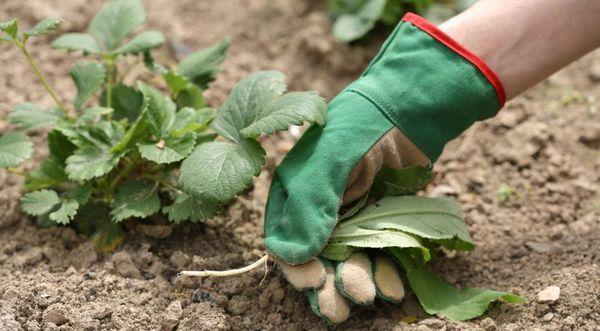
It's important to keep in mind that pruning everbearing varieties has certain peculiarities. If you plan to harvest twice, the shoots should be pruned in the same way as regular raspberries. If the first harvest isn't required, you can remove all the branches. This will ensure abundant fruiting during the second flush.
Removing root shoots
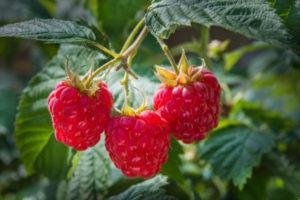
Raspberry bushes often develop shoots. Many gardeners wonder what to do in this situation. Experts advise promptly removing these shoots, as they encourage excessive growth.
For this purpose, it is recommended to inspect raspberry patches 2-3 times a month. If any extra shoots appear, they should be trimmed with a shovel. Young shoots do not have roots of their own. If you cut off such branches from food, they will dry out.
Top dressing after fruiting
Raspberries need to be fed in the fall. Timely fertilization is essential for the growth of the bushes. Since the plants have been actively fruiting and growing, the soil has provided them with many beneficial elements. Fertilizers are used to replenish depleted soil with nutrients.
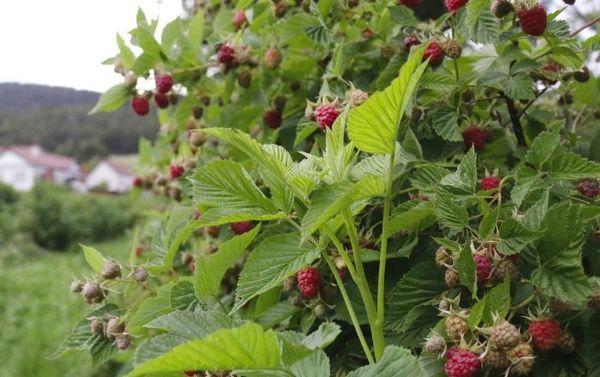
To choose the optimal fertilizer composition, it's worth carefully examining the plants. If there's a nitrogen deficiency, currant leaves are turning yellowGradually, they stop growing and curl up, leaving the bush looking unhealthy.
However, experts advise against applying nitrogen fertilizers in the fall. These substances will stimulate the growth of new shoots, which will not survive the winter. Therefore, it is recommended to apply nitrogen in the spring.
A phosphorus deficiency causes the leaves at the base of the shrub to change color, turning crimson or purple. To replenish this deficiency, apply phosphorus-containing fertilizers.
Without potassium, currants develop marginal necrosis. This disease causes the edges of the leaves to turn brown and die. Applying potassium will not restore the damaged areas, but the plant will become stronger and able to survive the winter. To prevent the disease, you can apply potassium to the soil.
Watering and mulching
Many gardeners wonder whether they need to water the soil after harvesting. In the fall, bushes require adequate soil moisture. This is when the buds that will bear fruit next year are formed.
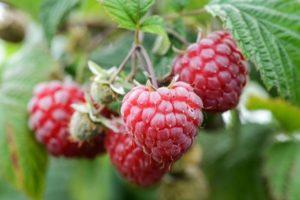
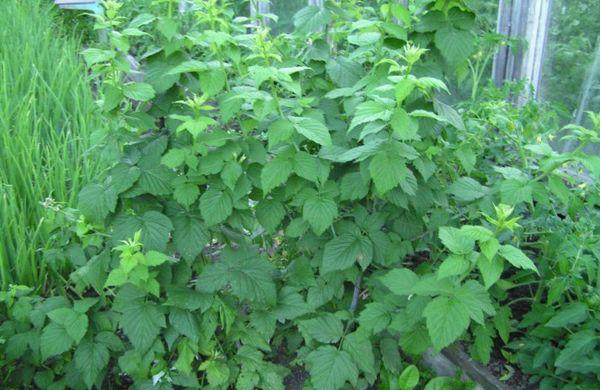
The final watering is done when the weather gets colder. It should be quite generous. Each plant should receive at least 35 liters of water. After pruning, watering, and fertilizing, mulch the soil. Use straw, peat, or grass for this. This will help retain moisture in the soil.
Pests and diseases: autumn treatment of raspberries
Raspberry bushes and the surrounding soil can harbor harmful insects, fungi, and bacteria. Therefore, it is recommended to treat the plants with special products.
After harvesting, the bushes should be treated with a 1% solution of Bordeaux mixture. This spraying should be carried out twice, with a two-week interval.
To prevent diseases, it's important not only to spray the soil but also remove all fallen leaves. It's recommended to mulch the raspberry roots. Use mown grass, peat, or straw for this purpose. The mulch layer should be 10-15 centimeters deep. Before mulching, loosen the soil.
Caring for raspberries after harvest is crucial for the proper and healthy development of the plant. To ensure abundant fruiting next year, the bush must be well watered. It's also a good idea to fertilize and apply a layer of mulch.
Related posts:
 Step-by-step instructions for planting and caring for raspberries in summer, tips from gardeners
 Description and characteristics of the Hussar raspberry variety, care and cultivation
 Description of the remontant raspberry variety Orange Miracle, planting and care
 Description of the remontant raspberry variety Atlant, planting technology and care
 How to treat raspberries against pests during fruiting and flowering
 How and when is it best to transplant raspberries to a new location in the summer?
 Planting and caring for Tibetan raspberries, variety description and propagation methods
 Description and characteristics of the 50 best raspberry varieties for Siberia