
- Signs of appearance and damage caused
- Potential risks
- Methods of control
- Good neighbors
- Onion
- Calendula
- Marigold
- Parsley
- Peppermint
- Garlic
- Folk remedies
- Ammonia
- Wood ash
- Vinegar and soap base
- Garlic
- Cinnamon, mustard, red pepper, black pepper, baking soda and salt
- Potato, tomato and wormwood tops
- Milk and iodine
- Birch tar
- Tobacco
- Vodka
- Green soap
- Camomile tea
- Celandine infusion
- Insecticidal preparations
- Actellic
- The drug Aktara
- Spark remedy
- Tanrek
- Karbofos
- Actofit
- Fitoverm
- Intavir
- Arrow
- Iskra Bio
- Jaguar
- Commander
- Confidant
- Prestige
- Biotlin
- Kinmix
- Arrivo
- Prevention
- Cleaning up the tops
- Processing
- Correct crop rotation
- Fertilizer
- Ants
- Watering mode
Carrots are one of the most popular root vegetables grown in gardens and backyards. This vegetable is sought after for its flavor, variety of cooking methods, and ease of cultivation. During the growing season, carrots require little additional care. In the spring, many gardeners and summer residents worry about insect control, as aphids on carrots can threaten harvests.
Signs of appearance and damage caused
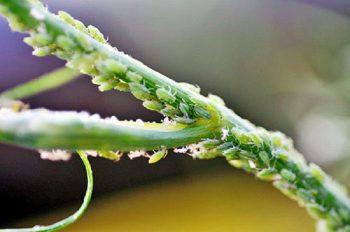
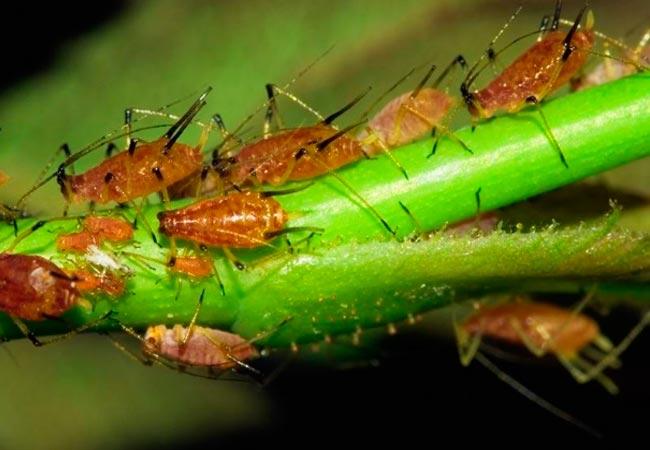
Aphids are a group of parasitic insects comprising over 4,000 species. Their bodies reach a maximum size of 5 millimeters. These parasites have a specialized proboscis-like device, which they use to pierce leaf blades or fruit surfaces to feed on the cellular sap. Aphids come in both wingless and winged varieties. Their functions are strictly defined: some are responsible for active reproduction, while others select the plant for their survival.
The danger of an aphid infestation lies in their ability to secrete honeydew. This secretion attracts other insects, so aphid proliferation signifies not only the emergence of a single species but also the attraction of other parasites.
In addition to the usual insects that feed on the above-ground parts, carrots are threatened by the proliferation of root aphids. This species feeds on the sap of the root crop, attacks the underground parts, and is not immediately detectable upon inspection.
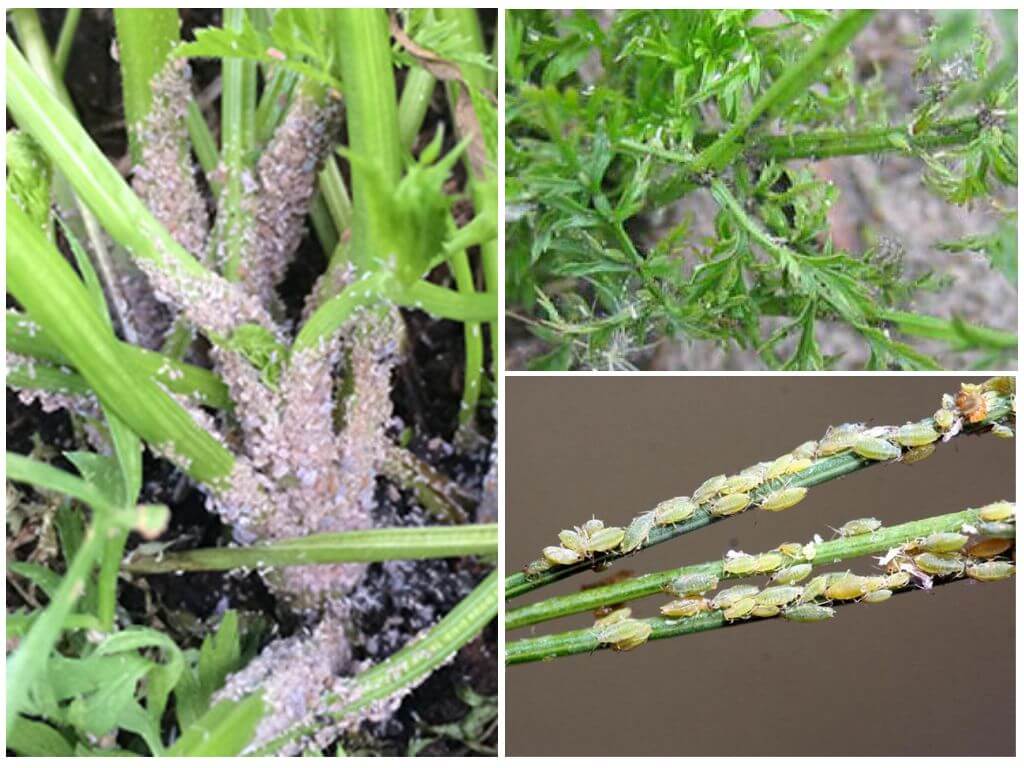
To begin combating the pest, you need to detect its presence. What does aphid-infested carrot look like?
- the tops begin to dry out and turn yellow;
- leaves curl;
- traces of punctures are visible on the leaf blades and root crop;
- small insects accumulate on the underside of the tops, where you can also find a clutch of eggs;
- a sticky coating may appear on parts of the crop;
- Swarms of ants begin to gather near the beds (they are attracted by the honeydew secreted by aphids).
Potential risks
The spread of parasites can lead to crop losses. These are the potential consequences of an aphid colony remaining on vegetables without additional treatment. Gardeners often don't immediately detect the insects, but during their stay on carrots, aphids can cause significant damage:
- At one stage, the carrot tops curl up and dry out, as the aphids drink up the necessary juices and deprive the plant of nutrients;
- Aphids are carriers of diseases and can cause harm by spreading diseases on their limbs;
- the secretion that insects produce clogs the pores of plants, which affects their development;
- The honeydew secreted by individuals promotes the development of fungal infections.
Take a look Also

When dealing with aphids, it's important to remember that simply eliminating the insects isn't enough. The goal is to completely destroy the egg clutches.
Methods of control
There are several approaches to aphid control. Some measures are considered preventative. They help prevent the parasites from multiplying. Others are used after the insects and their egg clutches are discovered.
Good neighbors
One of the preventative methods is to plant the most suitable crops next to carrots.
Onion
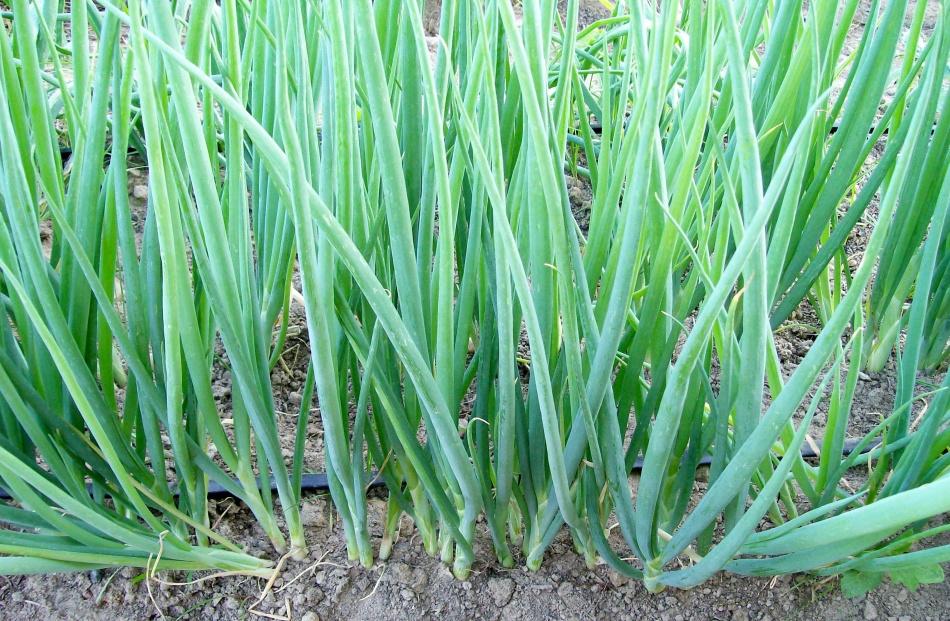
Onions are always planted next to carrots; this is a classic planting option. Onions protect carrots from root mites and carrot flies. All varieties are suitable for planting. types of onionsCarrots are often sown along the edges of onion beds.
Calendula
The flowers repel flying insects with their memorable scent. The bright color deters small mites. Calendula is planted on one side of the carrots. The other side is protected by another suitable crop.
Marigold
Marigold bushes can protect vegetables from attacks by many insects:
- Colorado potato beetle;
- scoops;
- mole crickets;
- wireworm;
- weevil.
In addition, marigolds have become a good barrier to the spread of aphids.

Parsley
This crop is able to protect carrot plantings from aphids with its smell. Parsley roots have a specific aroma that many insects do not like.
Peppermint
The scent of mint repels ants and aphids. Mint is planted around the perimeter of carrot beds.
Garlic
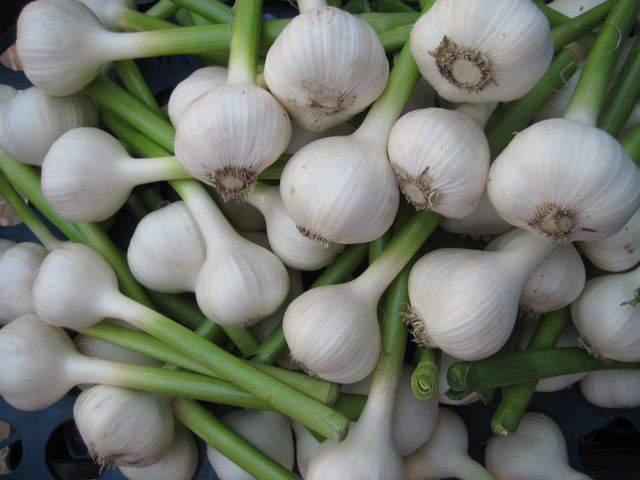
Onions and garlic not only repel parasites but also improve the flavor of carrots. Carrots are planted around the perimeter of the garlic beds.
Folk remedies
When aphids appear on carrots, the stage comes when it is necessary to treat the plants.
To avoid exposure to chemicals, improvised means can be used, which can be quite effective in eliminating egg clutches and adult insects.
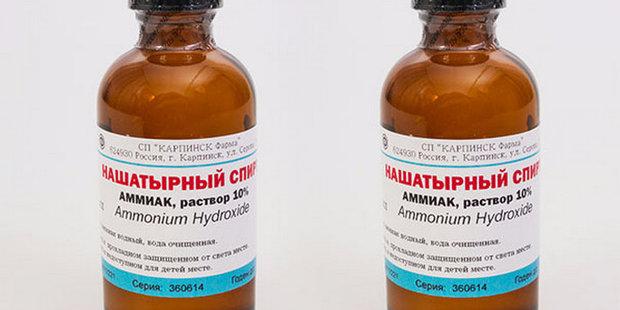
Ammonia
Ammonia not only eliminates aphids, but also promotes the growth of green mass, enriches the soil, and prevents the development of fungal diseases.
For treatment, use a solution of 50 milliliters of ammonia and 10 liters of water. Spray the plants with this solution, and repeat the procedure after two weeks.
Wood ash
Ash is sprinkled on the top layer of soil. This method is effective for eliminating root aphids and also fertilizes depleted soils.
Vinegar and soap base
This treatment method involves two steps. First, the plants are sprayed with a soapy solution, then with a vinegar solution. Many gardeners recommend using apple cider vinegar. This method eliminates the risk of burning the tops. For the soapy solution, use laundry soap. Grate it, add hot water, and stir until the pieces are completely dissolved.
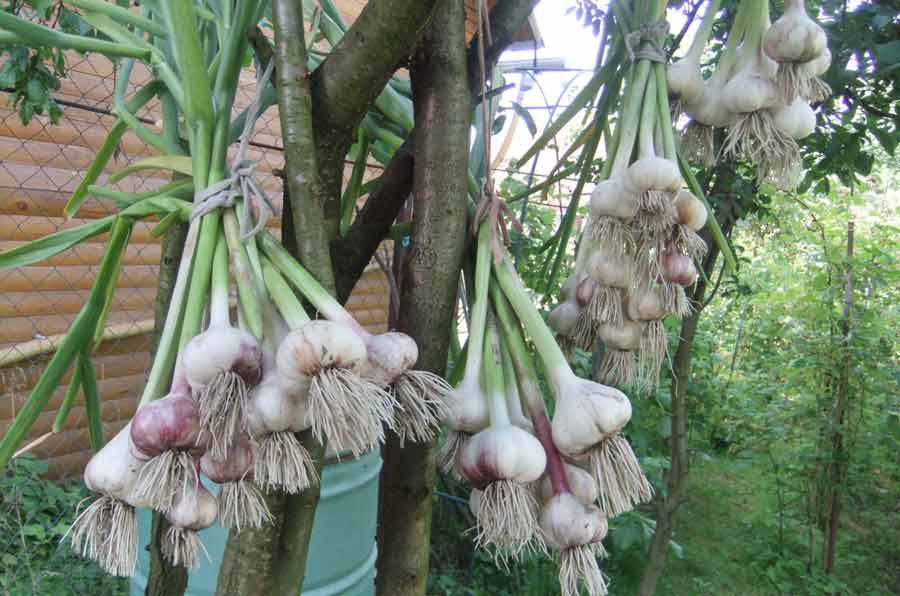
Garlic
Garlic contains substances that can completely rid plants of adult aphids. Chop 200 grams of peeled garlic and steep it in 1 liter of water for 5 days. Spray the carrots with this solution and water them at the roots.
Cinnamon, mustard, red pepper, black pepper, baking soda and salt
The powders are sprinkled onto the soil where the above-ground part of the soil extends underground. The soil is spread in a dense layer, 3-5 centimeters thick. The difficulty of this method lies in the individual application and the need for a sufficient quantity of the powder.
Take a look Also

Potato, tomato and wormwood tops
The tops are poured with an equal amount of water and left to steep for several days. The solution is then poured onto the carrot seedlings at the roots. This helps eliminate root aphids and prevents winged insects from invading the above-ground parts.
Milk and iodine
For every 250 milliliters of milk, add 1 tablespoon of iodine. Dilute the solution with water until it's translucent, then spray it on the carrots.
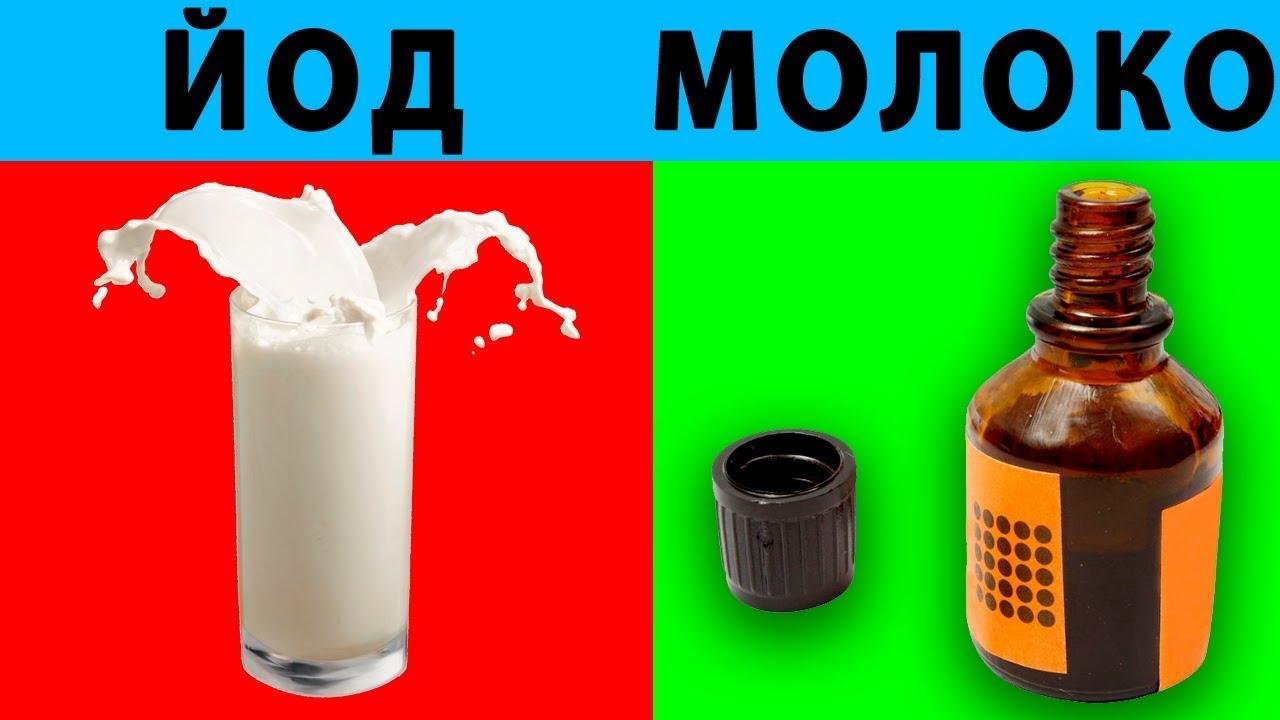
This composition repels aphids, but is not able to get rid of the larval clutches that have appeared on the leaf blades.
Birch tar
Concentrated solutions are used for treatment. They are sprayed from a spray bottle. Tar soap is an effective solution. A soap solution is prepared from it for treatment.
Tobacco
Tobacco leaves are crushed, covered with water, and left to steep for 2-4 days. The solution is then sprayed onto the leaves.
Vodka
Dissolve 1 tablespoon of vodka in 1 liter of water. Spray the beds with a spray bottle.
Green soap
This product contains vegetable oils and potassium salts. It coats plants with a protective film and prevents insects from spreading throughout the plant.
Camomile tea
A natural antiseptic helps get rid of aphids. A solution of 100 grams and 1 liter of water is sprayed evenly.
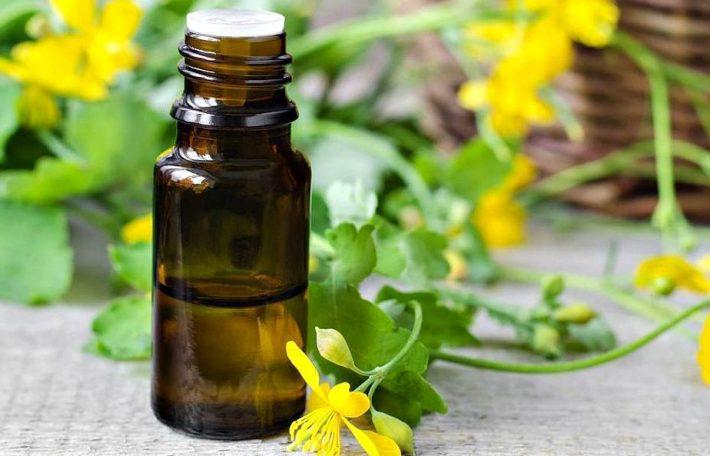
Celandine infusion
Celandine has the ability to inhibit aphid reproduction. Celandine is infused in warm water for 2-3 days.
Insecticidal preparations
When preventative measures fail and folk remedies have been exhausted, carrot beds are often treated with chemicals. The drawback of these methods is the exposure of concentrated solutions with high chemical concentrations to edible vegetables.
Warning: After harvesting, carrots should be thoroughly washed with warm water and a short-bristled brush.
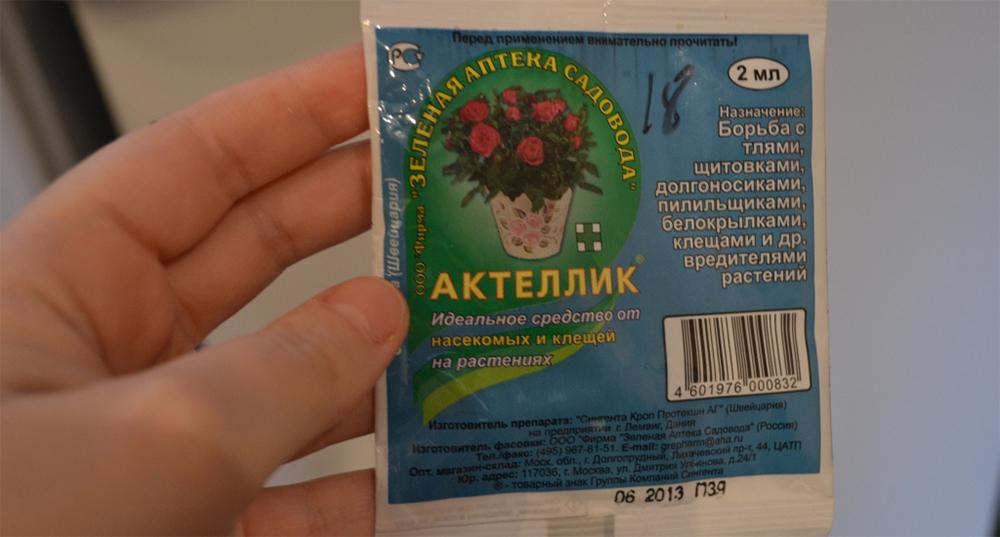
Actellic
The insecticide helps to completely get rid of insects within 20-30 minutes after treatment.
The drug Aktara
It is used to protect against aphids and is also able to reduce soil acidity when the base ingredients decompose.
Spark remedy
The product is available in tablet form. To spray one medium-sized garden bed, dissolve one tablet in 10 liters of water.
Tanrek
A solution helps get rid of beetles and aphids. The solution is applied to the tops of the plants, and the procedure is repeated after a week.
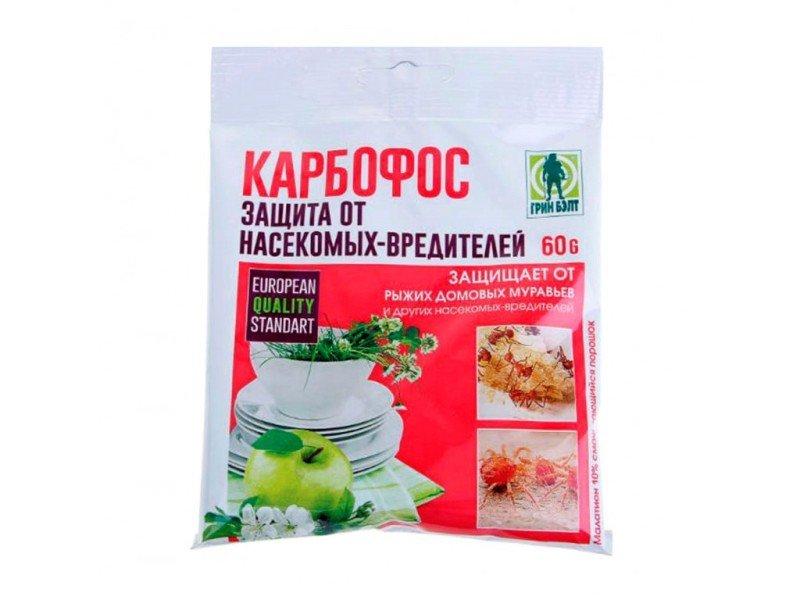
Karbofos
The toxin decomposes when exposed to sunlight. Treatment helps eliminate egg clutches and adult flies.
Actofit
Available in ampoules, it acts as a paralytic and affects insects within 8 hours of ingestion.
Fitoverm
This is a product available in ampoules. Aphids die 4-5 days after ingesting the substance.
Intavir
A universal remedy that helps get rid of various types of parasites. Available in many forms. Tablets are suitable for dissolving.
Arrow
A versatile product available in small sachets. This makes it convenient for single use. Spraying is done every 5 days.

Iskra Bio
Made from natural toxins. Tablets are used to prepare solutions. Processing is carried out in several sequential stages.

Jaguar
The product is available in plastic canisters. All parts of the plant, both aboveground and underground, can be treated.
Commander
A chemical product produced as a water-soluble concentrate. It is effective against adult insects and also destroys clutches.
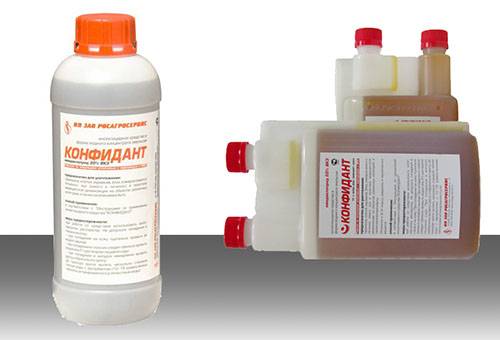
Confidant
The product is called a new-generation insecticide. It is suitable for eliminating many types of pests. It treats not only the root crop but also the soil in which it grows.
Prestige
After consuming the tops treated with this product, the aphids stop feeding. Adults die within 6-8 hours.
Biotlin
After spraying the tops, aphids die within 1-2 hours. This occurs by blocking the parasites' nervous system.
Kinmix
The drug affects the insects' nervous system. After this, they become unable to move and fall from the bush.
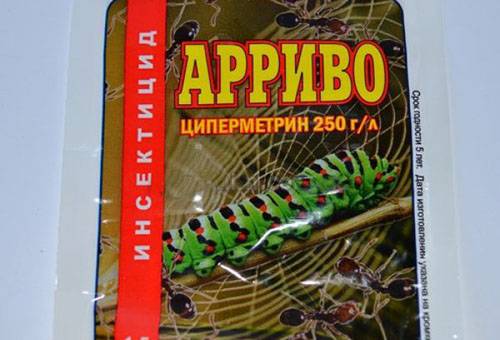
Arrivo
Concentrated solutions are used for treatment. Treatments are repeated every 3-5 days.
Prevention
To prevent the spread of aphids, gardeners use available methods. With the right preventative approach, aphid infestation can be avoided.
Cleaning up the tops
To deprive aphids of a place to overwinter, it is necessary to remove and destroy old tops that remain after harvesting.
Processing
Carrying out measures to treat neighboring fruit and berry bushes and vegetables in the beds helps prevent the spread of parasites from one plant to another.
Correct crop rotation
Crop rotation prevents the spread of pests in the soil. Carrots are planted in their original location after 3-5 years.
Fertilizer
Fertilizing the soil with organic plants helps prevent soil acidification, which leads to the development of fungi and the appearance of parasites.
Ants
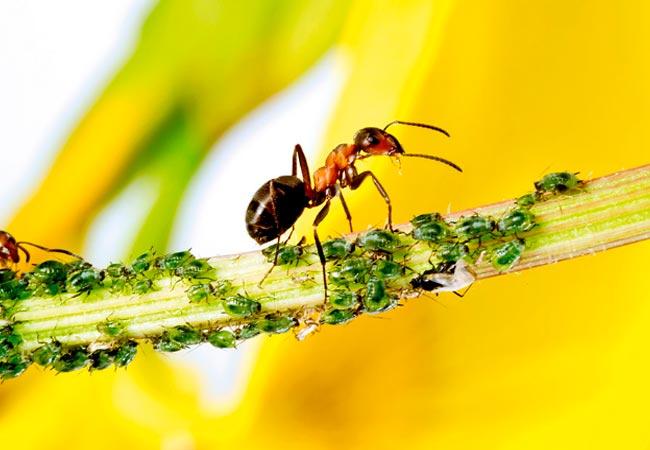
Getting rid of ants is another preventative measure. Ants are common neighbors with aphids. They form colonies near plants susceptible to aphid attack. Ant control is one step in preventative measures.
Watering mode
Irrigation is an important step in carrot care. It's important to follow a consistent pattern: don't let the soil dry out and avoid overwatering.
Over the course of a drought-stressed period, root vegetables gradually lose their ability to defend themselves against external influences, weakening their defenses. Excess moisture and waterlogged soil are the most common breeding grounds for insects and fungal diseases.
Early detection of aphids and treatment with the right products can help eliminate the effects of the pests and preserve the carrot harvest.
Related posts:
 How to control carrot flies with medications and folk remedies
 Is it possible to plant carrots in July or at the end of June? What are the best days and care instructions?
 Description of carrot pests and diseases and methods of control
 What is the best way to feed carrots? Fertilizers and preparations, using folk remedies.
 Timing and rules for planting carrots in winter, which variety is best to choose
 How to treat peppers for aphids, how to fight them with folk and chemical remedies
 How to control aphids on raspberries during flowering and fruiting, what to treat them with
 How and when to thin carrots in open ground