
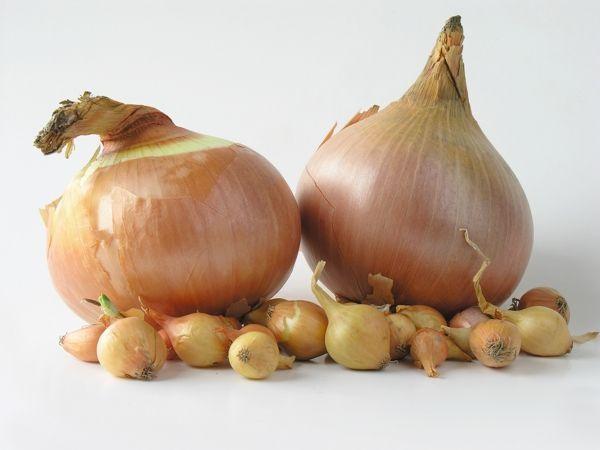
Many gardeners are engaged in gardening on their plots growing onionsThis vegetable is grown to produce roots, which are often used in cooking. Before planting, it's important to identify the main onion varieties and their characteristics.
From the history of onions
Before we figure out what types of onions there are, we should familiarize ourselves a little with their history.
Some types of onions have been known to humanity for several millennia. Around two thousand years ago, people cultivated various varieties of this vegetable, including the Cretan, Sardinian, and Ascalonian varieties. However, the plant only arrived in modern-day Europe in the Middle Ages, when agriculture and vegetable cultivation began to rapidly develop.
In European countries, onion varieties were valued not only for their taste. Many cultivated them as protective talismans to protect warriors on the battlefield.
Most onions were grown in Spain. Local breeders actively developed new varieties, resulting in the famous Spanish variety.
For hundreds of years, onions have been used for medicinal purposes. The people of India refused to eat them raw, using them only to prepare medicinal potions. They claimed that this drink improved vision, normalized heart function, and cleansed the kidneys.
Nowadays, many people grow onions to add to various meat and vegetable dishes. However, even today, traditional medicine practitioners use them to prepare medicines.

Types of onions
It's no secret that there are different varieties of onions that can be grown in the garden. It's recommended to familiarize yourself with their names and descriptions beforehand.
Onions
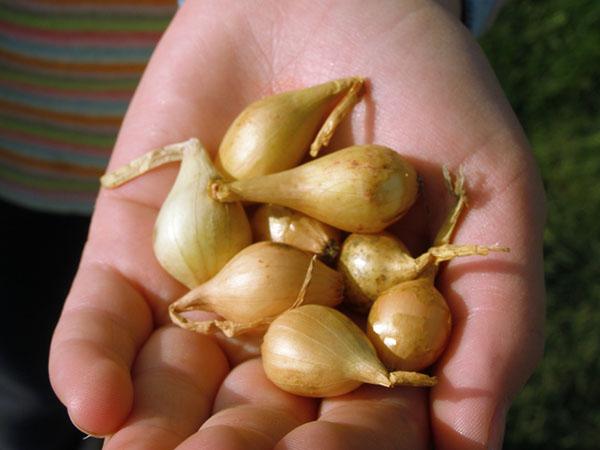
Onion seeds are popular among annual crop enthusiasts because they mature early. A harvest can be obtained within six weeks of planting. To harvest onions earlier, seed them before winter.
The onion variety gets its name from its appearance, resembling a small turnip. The plant's distinctive flavor and beneficial properties make it suitable for medicinal use. In cooking, it is used in vegetable preserves to enhance their flavor and aroma.
Leek
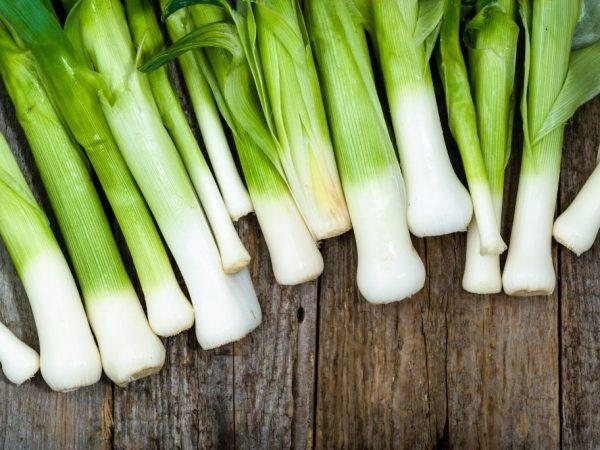
There are varieties of onions that can be grown from seed in virtually any climate. Leeks are one such variety. Their advantages include an unforgettable aroma and pleasant taste. Another advantage is their ease of cultivation, as caring for them requires leeks does not cause difficulties.
This variety is most often used in vegetable dishes to enhance their flavor. Only the white part of the stem is used, as it is the most flavorful. However, the rest of the plant can also be added to side dishes and salads.
Shallots
The main difference between this onion and other varieties is its resemblance to garlic, as the bulb of shallots consists of several cloves. Among the variety's advantages is its high yield, allowing for a harvest of 4-6 kg per square meter.
Early-ripening shallots are rich in minerals and vitamin C. Because of this, they are often used to boost the immune system and treat vitamin deficiencies. Because the bulbs are quite large and consist of 2-3 cloves, they are rarely used in cooking. More often, chopped green sprouts are added to dishes; their flavor pairs well with most vegetables.
Chives
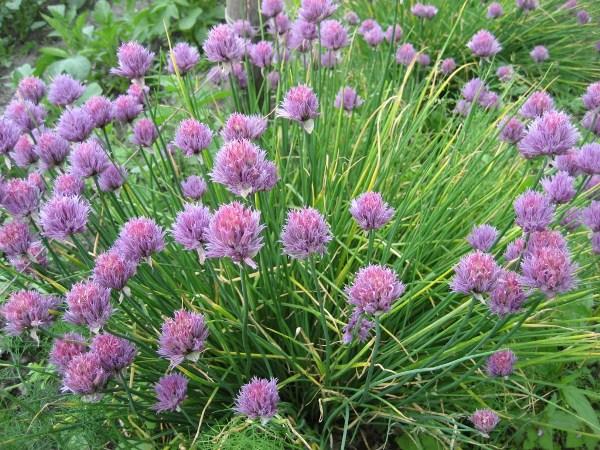
A description of this variety will help you understand its key characteristics. Chives are considered a versatile onion, used both in cooking and in folk medicine to create medicinal tinctures and potions. The plant's shoots are used decoratively to garnish side dishes.
Among the distinctive features of chives is the elongated shape of their bulbs, which can reach 4-5 cm in length. Many compare their taste to that of ripe garlic, as chives have a pungent and bitter flavor.
Fragrant onion
Hybrid chives grow to a height of 10-12 cm. They produce fleshy green leaves, which are often eaten as food. Regardless of growing conditions, this variety can be grown in the same location for 2-3 years without sacrificing yield. Over time, inflorescences form at the top of the plants, which begin to bloom by mid-summer.
In cooking, it's not the onion roots that are used, but the fresh, aromatic greens. They're added to side dishes, fresh vegetable salads, and winter preserves. Housewives finely chop these leaves to add to the filling of dumplings or pies.
Multi-tiered onion
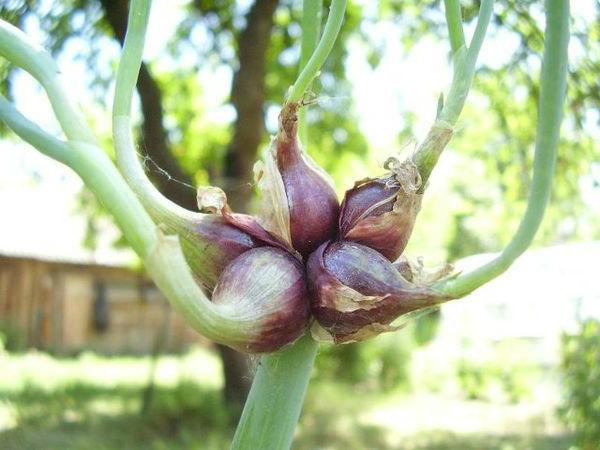
Some gardeners prefer to grow multi-tiered onion varietyIt's propagated by using large aerial bulblets, which form on mature plants. If all the proper growing practices are followed, the onion will continue to grow until the first frost. Among the main advantages of this onion are:
- high level of fruiting;
- resistance to sudden drops in temperature, thanks to which the bushes can withstand severe frosts;
- immunity to dangerous insects and pathogenic microorganisms;
- easy care.
Welsh onion
This type of salad onion is popular among vegetable lovers because it can be used in a variety of ways. Onion plants produce beautiful, unusually shaped greens that can be used to decorate a garden plot. Its high vitamin content allows the leaves to be used in medicinal preparations.
Among the advantages of Welsh onions is their high frost resistance. This allows them to be grown even in regions with unfavorable climates. When using the plant in cooking, care must be taken to avoid any seeds or flowers, which can impair the flavor.
Aging puchu onion
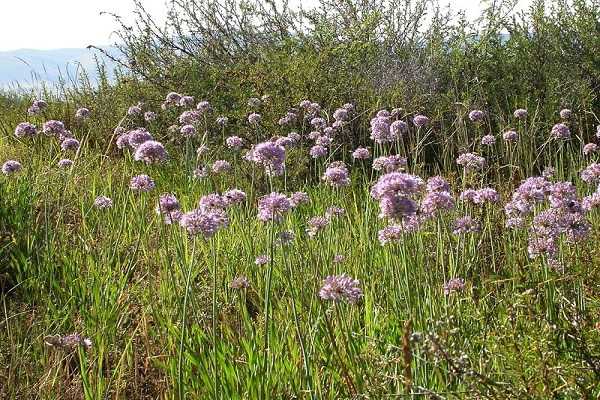
The senescent onion is a wild plant most commonly found in China, the Caucasus, Siberia, and Korea. It grows in meadows, plains, mountains, and slopes. However, some gardeners also plant it in other regions.
The bulbs don't mature for very long, taking only 1-2 months. A distinctive feature of puchkhu is its leaves, which are much thinner than those of other varieties. In cooking, the juicy part of the ripe bulbs is used, as are the leaves, which are considered an excellent addition to many vegetable salads.
Strigunovsky
To learn more about the characteristics of the Stigunovsky onion, study the variety description and reviews from gardeners who plant it annually in their gardens.
This variety of vegetable was bred specifically for cultivation in the Kursk region, which is where the optimal climate conditions are for Strigunovsky. It takes at least 100 days for the harvest to mature. Each ripe bulb weighs 25-30 grams. All the roots are covered in yellow scales, with a pinkish tint visible on the surface. The advantages of Strigunovsky include long shelf life of the harvest, which does not spoil for 3-4 months.
Tenaza
Some prefer to plant Tenaza onion seeds in their gardens. This variety's distinctive feature is the early ripening of its roots, which mature within 85 days.
Onion seedlings are suitable for northern regions because they tolerate low temperatures and other adverse climatic conditions. The plant is also resistant to common diseases, so planted plants rarely die from disease.
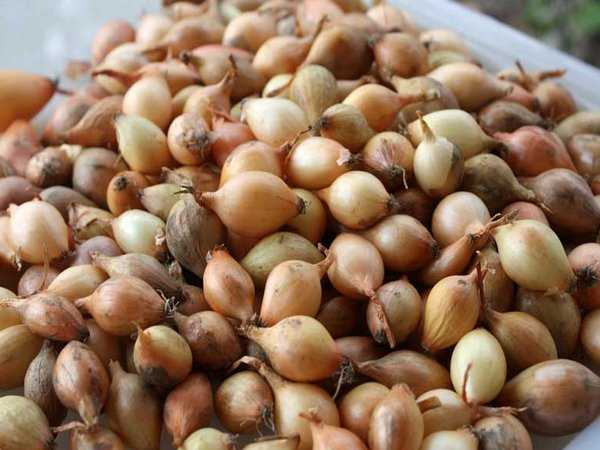
Ripe bulbs are distinguished by their oval shape and golden-colored scales covering their surface. The harvest is used for canning and salads.
Valentino
Hybrid vegetable lovers grow the Valentino onion variety. It was developed by Spanish breeders for cultivation in Spain. However, this onion is now also grown by vegetable growers in other countries. This variety has attracted farmers' attention because it almost never rots. This allows the harvested Valentino onion to be stored in the cellar for up to a year.
The bulbs are rich in vitamins, which provide them with numerous beneficial properties. Doctors recommend eating Valentino root vegetables periodically to strengthen the immune system.

Bessonovsky
Fans of early-ripening vegetables should familiarize themselves with the description of the Bessonovsky onion variety, which has a growing season of one and a half months. This onion variety was developed by Russian breeders for cultivation in regions with harsh climates. Its distinctive features include the bulbs' tangy flavor.
Gardeners who plant Bessonovsky every year claim that it has a high yield and excellent shelf life.
To plant, use sets or seeds collected from existing bushes. Bessonovsky loves sunlight and is therefore planted in well-lit areas.

Manas
Gardeners who prefer high-yielding onions should consider Manas. This variety's description will help you understand its distinctive features compared to other onion varieties. Manas was developed by Dutch breeders who aimed to create a high-yielding variety with disease resistance. Within a few years, they fully achieved their goal.
Hybrid onions are large and quite heavy, reaching 70-80 grams. They are covered with a thin, light yellow skin with a golden hue. Manas has a piquant flavor that is unmistakable from other onion varieties.
Green banner
Another popular variety, developed in Holland, is Green Banner. It was developed for gardeners living in regions with unstable weather conditions and constant temperature fluctuations. Growers' reviews of Green Banner onions indicate that they thrive even when temperatures drop below freezing.
The plant's advantages include its developed roots, which are resistant to rot and thrive even in poor soil. A well-developed root system makes onion seedlings resistant to fungal diseases and insect attacks.

Golden
Reviews and descriptions of the Zolotisty Semko onion variety indicate that this domestic hybrid fully matures within two and a half months. During this time, the root bulbs, weighing over 150 grams, have time to form in the ground. Mature bulbs don't necessarily need to be used immediately after harvesting, as they can be stored for 5-6 months without losing their marketable qualities.
Golden Semko has an excellent taste and pleasant aroma, so it is often added to meat, vegetable dishes or salads.
Danilovsky
This onion variety was developed by breeders based on the Gribovsky variety. The variety description and reviews will help you understand the distinctive features of the Danilovsky onion.
It is considered a salad onion variety, used in fresh vegetable salads. Danilovsky bulbs are oval-shaped and covered with purple scales. Each plant produces 2-3 bulbs. However, sometimes a single large bulb weighing 150-200 grams ripens on the plant. The ripe harvest is harvested 12 days after sowing.

Yellow dragonfly
It's recommended to familiarize yourself with the characteristics of the Yellow Dragonfly onion variety before growing it. This early-maturing onion ripens within three months. It has a medium yield, yielding 2-3 kg of roots per square meter. The bulbs are not very large, weighing 50-70 grams. They have juicy flesh with a slightly bitter taste. Ripe Yellow Dragonfly onions can be added to salads and preserves.

Stirling F1
Sterling F1 onions are best grown in Ukraine, Russia, or Moldova, as these countries have a more suitable climate for the variety. Sterling's distinctive features include its firm fruit, flavor, and resistance to rot. These onions are also rarely susceptible to root rot and powdery mildew.

Housewives use this hybrid when preparing meat dishes and side dishes. The bulbs have excellent flavor, enhancing the flavor of many dishes.
Siberia F1
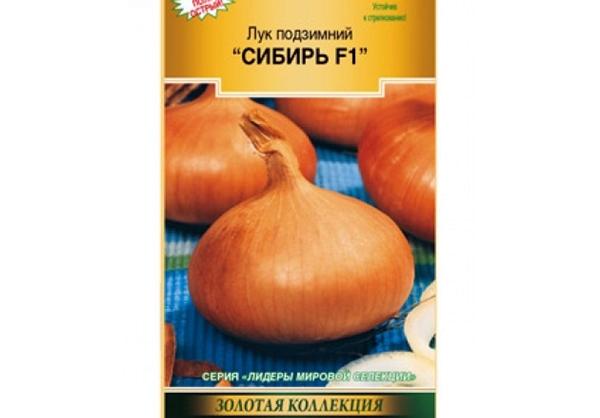
Despite its name, the Siberia F1 onion is used for planting not only in northern but also southern regions. Experienced gardeners recommend planting it in the first half of October, as this onion is considered a winter variety. Among the main advantages of the Siberia onion is its ability to grow in frozen soil.
If you plant the seeds in the fall, the harvest won't be ready until mid-May. So, you'll be able to enjoy juicy onions as early as early summer.
Elan
Elan onions are most often grown by people who prefer to plant early-ripening vegetables. The onion was developed by breeders from Kuban.
It takes about 70 days for the crop to fully mature. Therefore, if Elan was planted in the second half of March, the bulbs can be dug up as early as June. The roots ripen early because they develop in the upper layers of the soil.
The harvested crop is used for fresh consumption or added to boiled or fried dishes.
Senshui
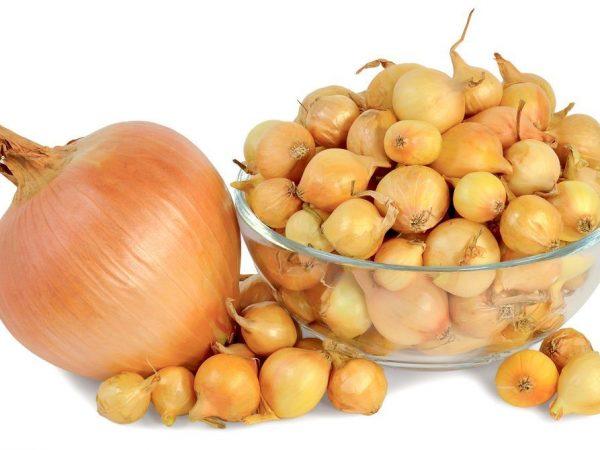
Senshui was developed by Japanese breeders quite a while ago. Reviews and descriptions of the Senshui onion variety indicate it is high-quality and reliable. Planted onion seedlings rarely suffer from fungal diseases and easily tolerate frost. Other advantages include the fruit's flavor and ease of cultivation.
The greens from the planted onions can be harvested 3-4 weeks after planting, and the ripe roots can be harvested in 2-3 months. The yield per square meter is four kilograms.
Hybrid Kaoba
The Kaoba hybrid onion takes 150 days to ripen, making it a mid-season variety. Among the Kaoba's key advantages are the following:
- ideal round shape of onion roots;
- juiciness and pleasant aroma of ripe onions;
- resistance to winter frosts;
- shelf life of the harvested crop.
Salad
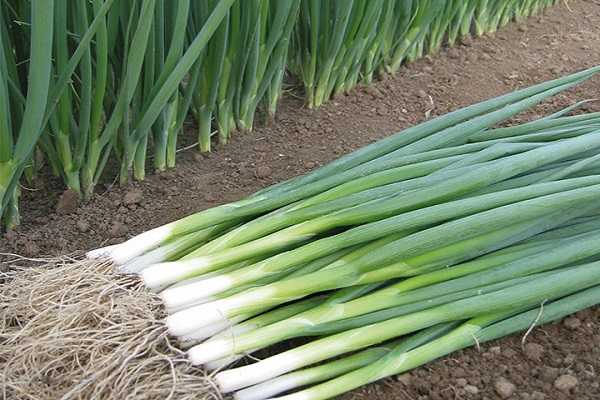
Salad onions are considered a plant that even inexperienced gardeners can grow. They are easy to care for and rarely suffer from insect attacks. Therefore, problems with growing salad onions are relatively rare.
Harvested root vegetables store well in cellars for more than three months. After that, they gradually begin to rot and spoil. Therefore, the entire harvest should be used during the winter.
Choose to your taste
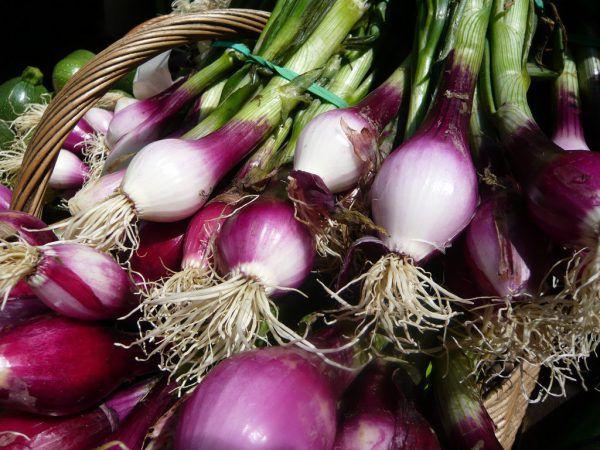
Now that you've become familiar with the main types and varieties of onions, you need to figure out how to choose one. When choosing a vegetable for planting, pay attention to:
- Size. The seed diameter should be approximately 10 mm. Strigunovsky onion, a popular variety among Russian gardeners, has an ideal size.
- Surface. All bulbs for planting should have a perfectly smooth, yellowish surface with no signs of rot. Golden onion 'Semko' is a good choice for planting, as it rarely rots.
Conclusion
Gardeners all over the world grow onions. Before planting, it's important to familiarize yourself with popular varieties and their distinctive characteristics.
Related posts:
 50 types and varieties of perennial onions with descriptions, cultivation, and care
 Description of the best varieties of onions, planting and care in open ground
 When to harvest leeks from the garden for storage, ripening times
 The beneficial properties of white onions, description of varieties, cultivation and care
 How and when to plant onions to get large bulbs
 Description of the Exhibition onion variety, growing from seedlings, planting and care
 Description of varieties and cultivars of wild onions, the subtleties of cultivation
 Description of shallot varieties, cultivation and care, when to harvest
Be sure to try growing leeks in your garden. I planted them in a greenhouse, so I can harvest them year-round. They don't require any special conditions; simply adding a bioactivator to the soil is enough.BioGrow»,