
- What types of aphids affect peppers?
- Causes of aphid infestation
- Signs and symptoms of insect infestation
- What is dangerous?
- Methods of combating sap-sucking insects
- Advantages of chemicals
- Safety of biological agents
- The best pest control products
- Chemicals
- Intavir
- Karbofos
- Aktara
- Fufanon
- Organic preparations
- Akarin
- Fitoverm M
- Folk remedies for killing aphids
- Spruce needles
- Hydrogen peroxide
- Soda
- Dried chamomile
- Mustard
- Ash
- Dandelion
- Ammonia
- Laundry soap
- Celandine
- Yarrow
- Tomato tops
- Which products should you choose for open ground and which for greenhouses?
- Preventive measures to protect the garden
In summer, you might notice aphids on your pepper plants. Deciding how to treat the bushes against these pests is crucial. Within a few days, the insect colony can increase hundreds of times. At the initial stage of infestation, folk remedies can be effective.
What types of aphids affect peppers?
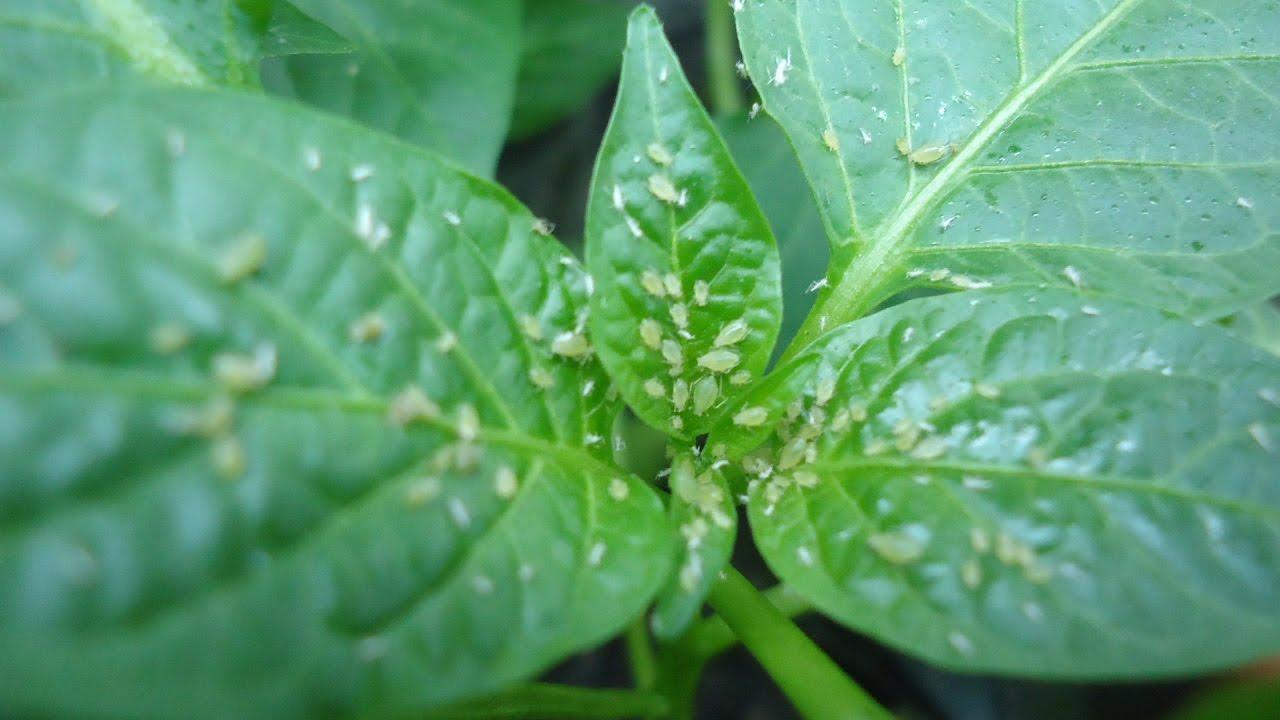
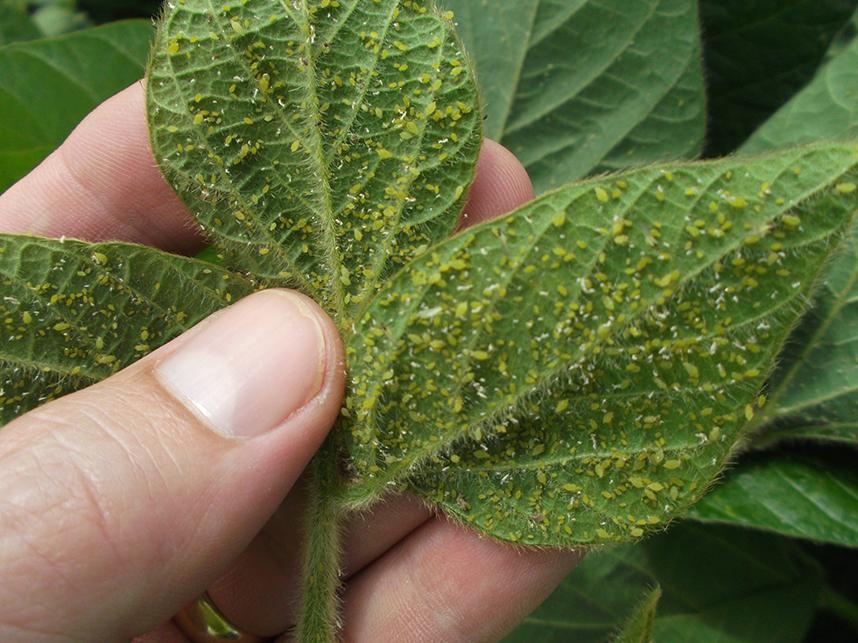
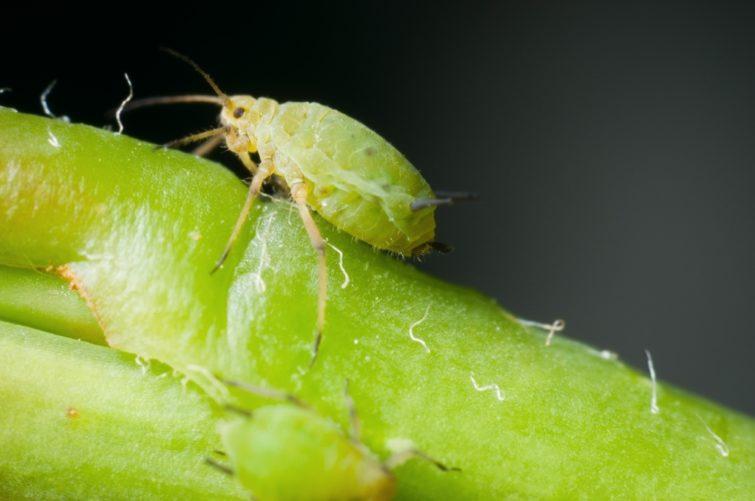
Two species of aphids infest bell peppers. One is smaller, a housefly. The body of an adult aphid is no larger than 0.3 mm. Despite their small size, the insects are easily visible due to their dark coloration. They cling to the petioles of young leaves and sit on the undersides of leaf blades.
The second variety is larger (0.5 mm), green or transparent. In the garden, this species aphids live on zucchini leaves, pumpkins, garden strawberries, and cucumbers. Aphids dislike hot peppers. They are used to make solutions to combat them and other garden pests (coppers, caterpillars, slugs, and thrips). The recipe for a decoction is simple:
- take 1 kg of pods, cut them lengthwise;
- pour into a container, add 10 liters of water, boil for 1 hour;
- After 2 days, strain, squeeze out the pulp, pour into bottles, and store in the dark.
Causes of aphid infestation
Fertilized aphid eggs hatch during the winter. In the fall, the females lay them in the folds of bark on trees and shrubs, in the root shoots. The ants hide some of the eggs in their nests for the winter. In the spring, winged females emerge from these eggs.
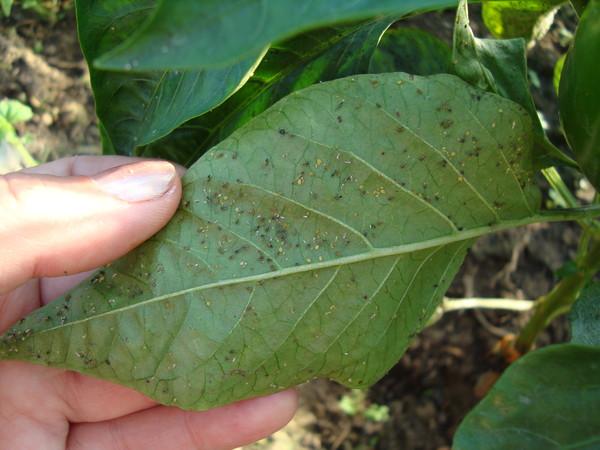
Virgin females do not require a male for mating. Each produces 50-100 larvae. After two weeks, these are no longer larvae, but adult beetles, capable of migrating to other plants and reproducing asexually.
Closer to autumn, males and females appear, which can lay eggs for the winter.
Reasons why aphids appear in a pepper bed:
- a vegetable garden overgrown with weeds;
- an anthill located nearby;
- proximity to a flower bed;
- soil contaminated with eggs;
- extreme weather conditions.
Signs and symptoms of insect infestation
Drooping leaves on seedlings are a cause for concern. You might think the plant isn't getting enough moisture. In reality, the soil may be damp, and the leaves are wilting due to small green insects infesting them. Aphids suck the sap from the tender leaves and stems of the pepper.
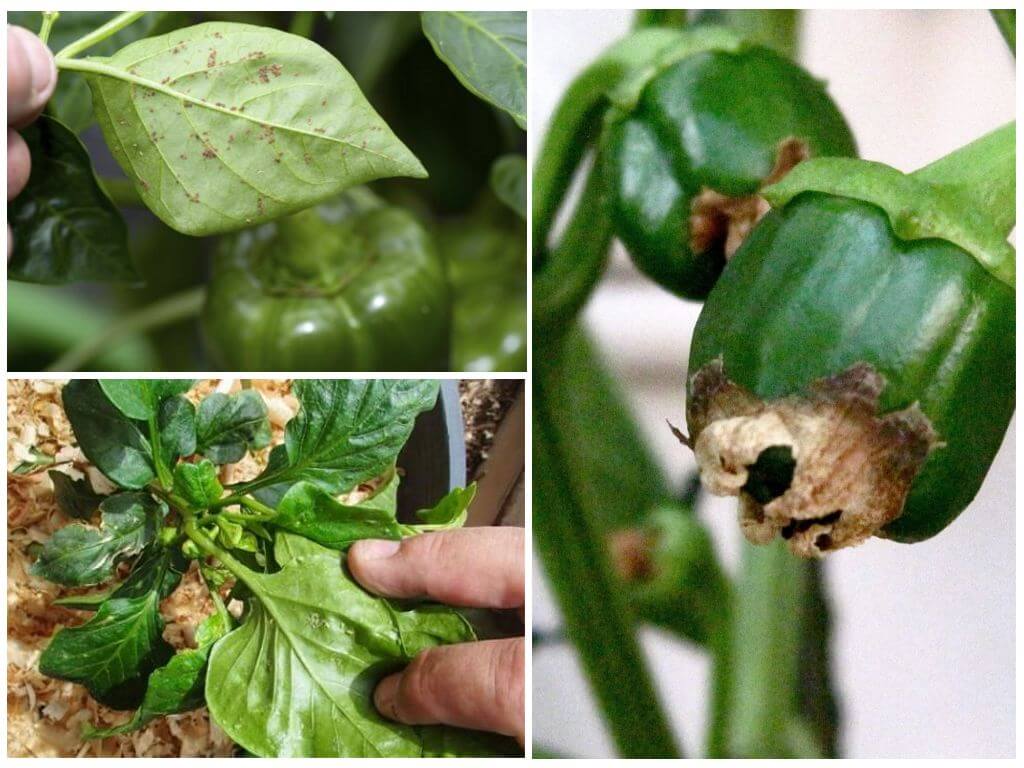 In the garden, the leaves of mature bushes curl first at the top. They're more delicate there. You can recognize an infested plant by the ants scurrying along the stem. They feed on the honeydew secreted by the adults. It's sweet and sticky.
When there are a lot of aphids, the underside of the leaves is completely covered with a thin film.
What is dangerous?
During fruiting, aphids damage buds, causing them to fall off. Adults and their larvae weaken the peppers by sucking out sap. The sticky honeydew that covers the leaves hinders photosynthesis and creates a breeding ground for pathogenic fungi.
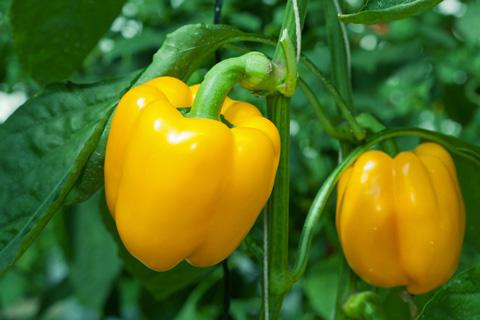
A large aphid colony can leave a gardener without a harvest. Pepper development stops. Some ovaries fall off. The fruits fail to ripen, are few in number, and are misshapen. Any change in weather can trigger the disease. Without prompt treatment, a pepper plant infested with aphids can die.
Take a look Also

Methods of combating sap-sucking insects
A gardener must know what to do if aphids appear. There are a wide range of treatments available. It's important to properly assess the extent of the infestation and choose the best option.
Advantages of chemicals
Any chemical is effective. The insecticides included in the formula have a broad spectrum of action and can quickly remove insects from peppers. The advantages of modern chemical aphid control products on peppers:
- begin to act on pests within a few minutes after treatment;
- To completely destroy a colony of pests, 2 treatments are sufficient;
- the recipe for preparing solutions is simple and is given in the instructions for the drug;
- 3 weeks after spraying the fruits can be eaten.
Safety of biological agents
Biopreparations are based on organic substances. They kill aphids but are not harmful to humans, pets, or bees. Chemical preparations cannot be used during flowering, but biological ones can.
Biological pesticides can be used to control aphids at home. They're very convenient. They can quickly eliminate aphids from pepper seedlings. These products can be sprayed on the plants during the fruiting period. The fruits are ready to eat within 5 days.
The best pest control products
Every summer gardener should have a first aid kit stocked with chemical and biological protection products for vegetable crops. Emergency treatment for pepper aphid infestations produces good results.
Chemicals
You can get rid of pests using chemicals. Those containing organophosphorus compounds (pesticides) or insecticides are effective:
- neonicotinoids;
- pyrethroids.
All chemical pest control products are toxic to humans and pets. When working with them, gardeners must protect themselves from contact with the solution. Wear a mask, goggles, and gloves. Wear a hat and work clothes that cover the skin of your legs and arms.
Intavir
To eliminate all aphids, peppers are treated with Intavir twice, 7 days apart. The product is toxic to humans and soil microflora. It is available in tablet form. Peppers in both open and protected soil are sprayed with a solution of Intavir once.

Dissolve 1 tablet in 10 liters of water. Apply 2 liters of the working solution per 10 m² bed. Control aphids in dry weather. The product's effectiveness lasts for 2-4 weeks. In hot weather, the product's effectiveness decreases. The threshold temperature is 25°C.
Karbofos
Aphids can be killed with two treatments. The second one should be carried out no later than 10 days later. The active ingredient in Karbofos is malathion. It is a contact insecticide. Only those insects exposed to the solution are killed.
Karbofos's effectiveness lasts 8-10 days in open ground and up to 7 days in a greenhouse. Weather conditions affect this duration. Frequent use can cause insects to develop a tolerance, which reduces the insecticide's effectiveness.
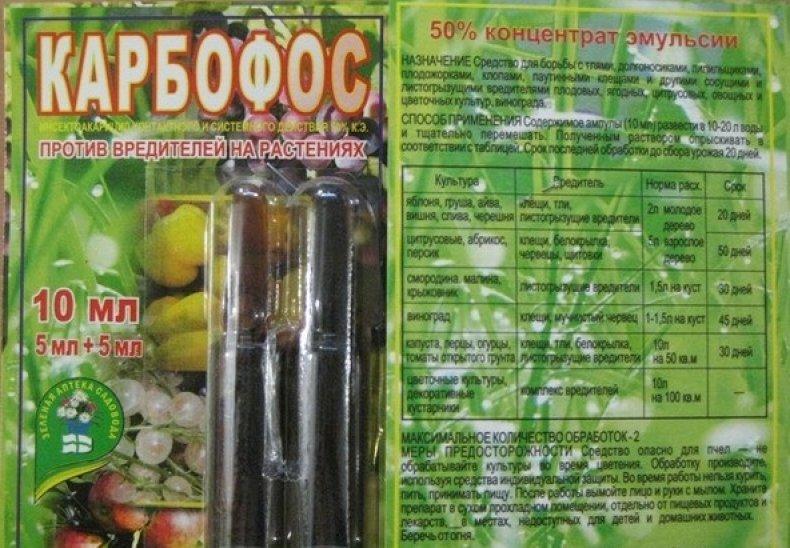
Prepare a solution to treat peppers against aphids according to the instructions:
- water - 10 l;
- "Karbofos" - 1 tbsp. l.
Aktara
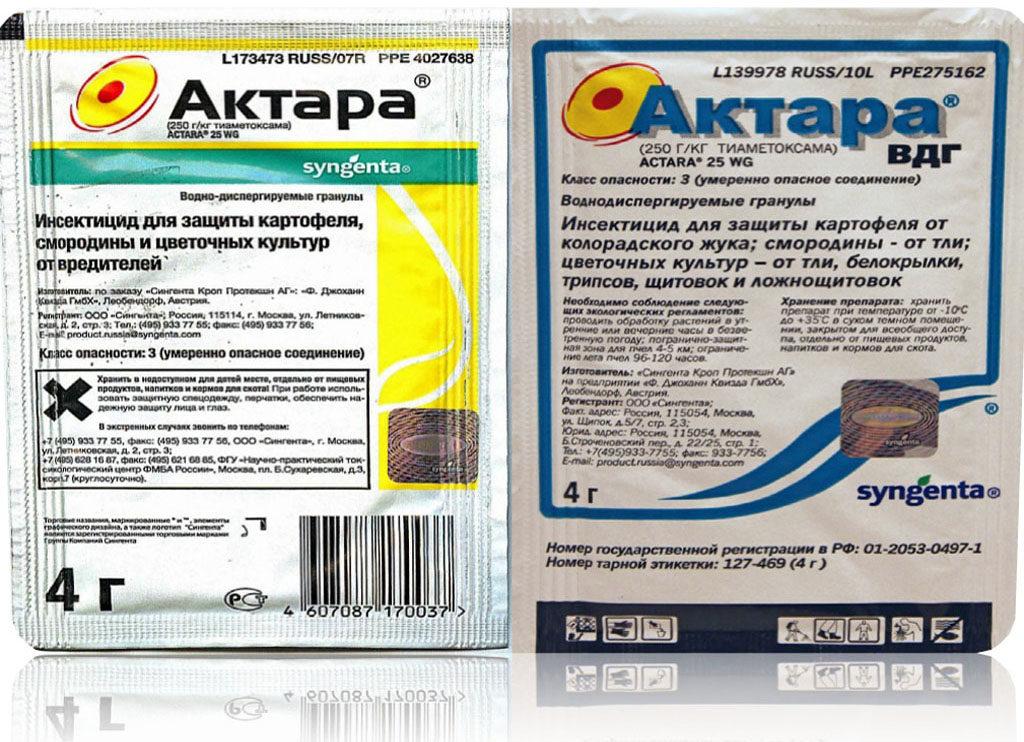
This contact and stomach pesticide is sold in 5 ml ampoules. This amount is sufficient for 10 liters of water. The Aktara solution can be used to spray seedlings and mature peppers. Plants should be treated twice, 7 days apart, against aphids.
The solution begins to work within 30 minutes. Initially, the aphids stop feeding. Death occurs within 24 hours. The solution can be used in any weather. The active ingredient is thiamethoxam. It is a Group III insecticide belonging to the neonicotinoid class.
Advantages of the drug:
- thiamethoxam degrades in soil;
- pepper fruits do not accumulate harmful substances;
- If the standards are observed, insects do not develop tolerance.
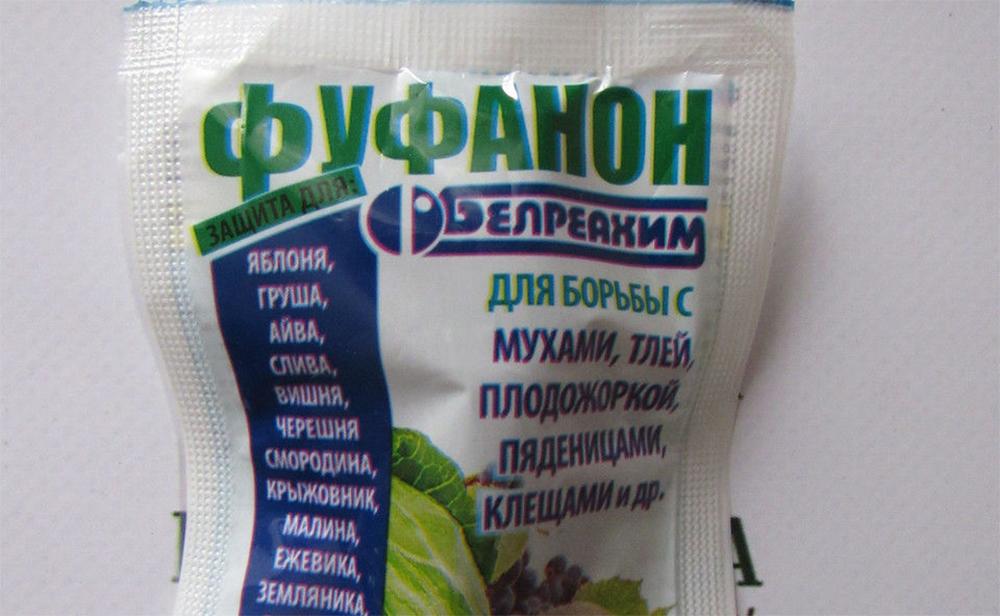
Fufanon
This product is effective against sucking insects. The active ingredient is malathion (an organophosphorus compound). When aphids come into contact with the Fufanon solution, the insects stop producing enzymes. After an hour, they stop sucking the sap, and within 24 hours, paralysis and death occur.
Fufanon can be used to spray peppers grown in the garden and greenhouse. Use one 5 ml ampoule to prepare 5 liters of working solution. Vegetables can be eaten after 3 weeks. A repeat spraying of infected plants is required if rain falls within 1-1.5 hours after treatment.
Organic preparations
Treating peppers with biological products is a priority for gardeners. They are less toxic than insecticides and do not harm soil microflora.
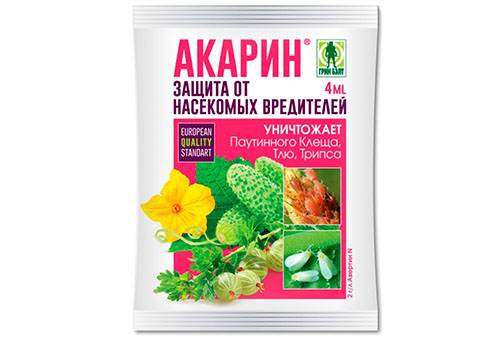
Akarin
The fruits are ready for consumption 24 hours after treatment. This is especially important if you need to treat fruiting pepper plants. The product does not lose its effectiveness in hot weather. Its effectiveness decreases when the temperature drops below 18°C.
To treat a 10 m² ridge, prepare 1 liter of solution:
- water - 1 l;
- "Akarin" emulsion - 8 ml.
Fitoverm M
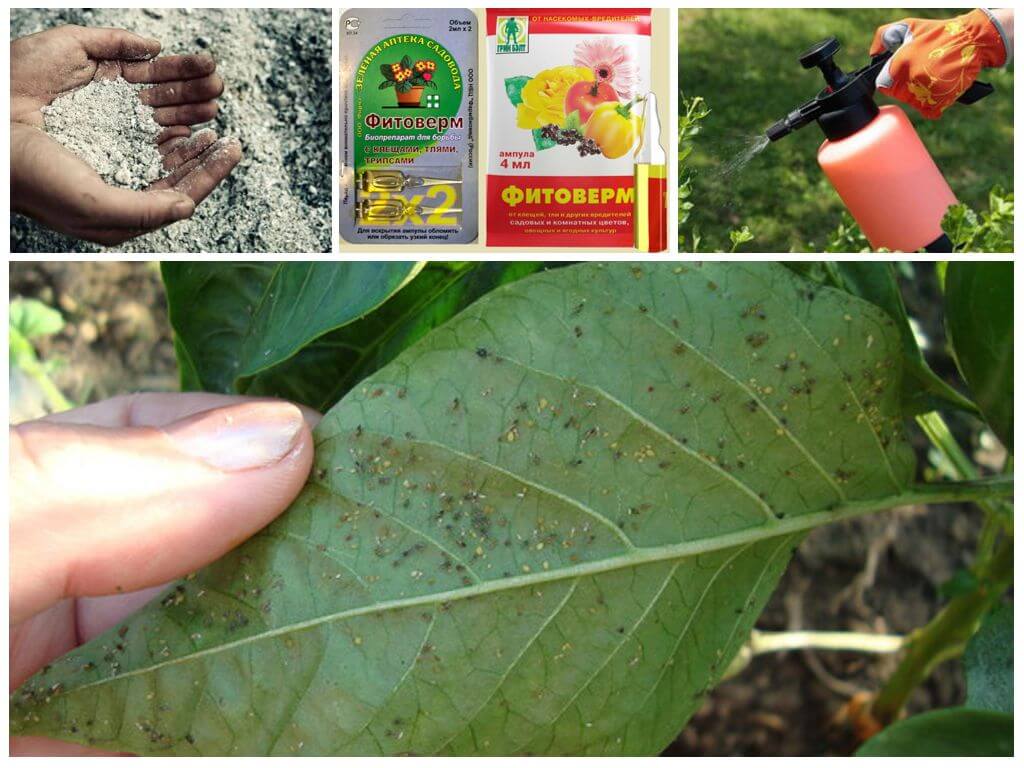
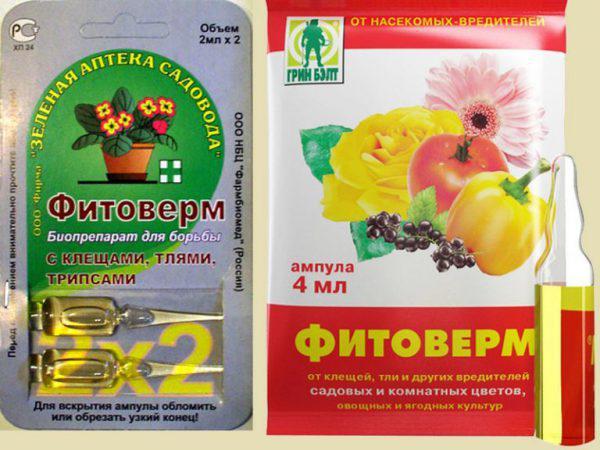
This product is very popular. It's used to combat fungal infections and insects. For large-scale projects, it's available in paste form. For localized treatments, 2 ml ampoules are sufficient. One ampoule is enough to prepare 4 liters of solution.
The active ingredient from the treated leaves enters the aphid's stomach. The effect becomes apparent within 12 hours. The insects stop feeding and die within 72 hours. Fitoverm has no effect on the larvae, so peppers need to be treated at least 3-4 times.
Folk remedies for killing aphids
Completely safe for humans. This describes all folk remedies for aphids on peppers. Below are proven recipes for pest control.
Spruce needles
The infusion is prepared over the course of 7 days. Pine or spruce needles are used. Add 2 liters of water to 500 g of needles. After a week, the infusion is strained. For spraying peppers, dilute it with water in a ratio of 1:7.
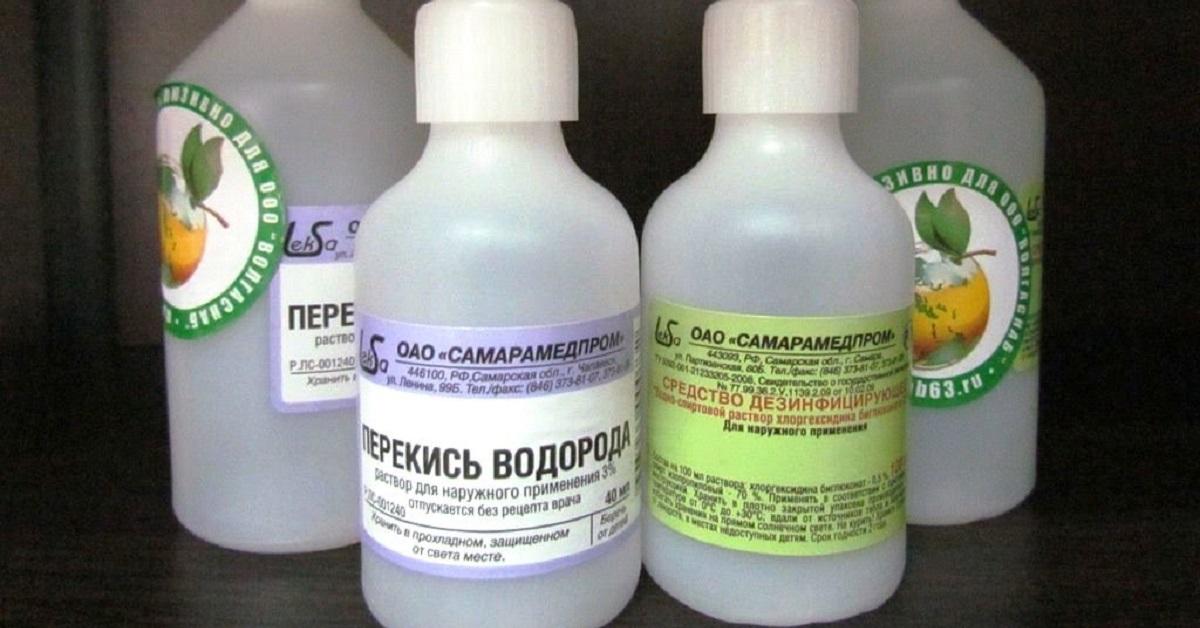
Hydrogen peroxide
In 1 liter of water dissolve 50 ml of hydrogen peroxide, 2 tbsp of medical alcohol, and ½ tsp of liquid soap.
Soda
For 1 liter of water, take 1 tablespoon of baking soda and 30 g of grated soap. Heat the water and stir until dissolved.
Dried chamomile
Take one 100g packet of dried chamomile. Pour 1 liter of water over the mixture. Place in a dark place for 12 hours. Before use, strain the solution and dilute it with water (1:3). Add grated soap as an adhesive.
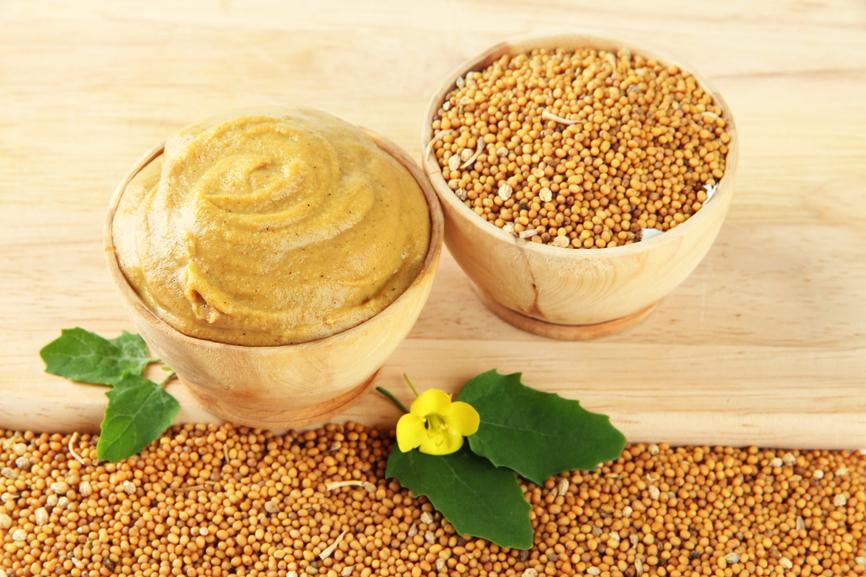
Mustard
Prepare the infusion over two days. Take 1 liter of water and 10 grams of dry mustard. Dilute with water (1:4) before spraying. To repel ants, scatter the dry powder around the bushes.
Ash
Ash serves as an aphid repellent and a fertilizer, providing a dual benefit. It can be dusted on the soil around bushes and the lower leaves, or used to make an infusion:
- ash - 2 tbsp.;
- water - 10 l;
- liquid soap - 100 ml.
Let it steep for 24 hours. Treat the peppers with the ash infusion once every 7 days.
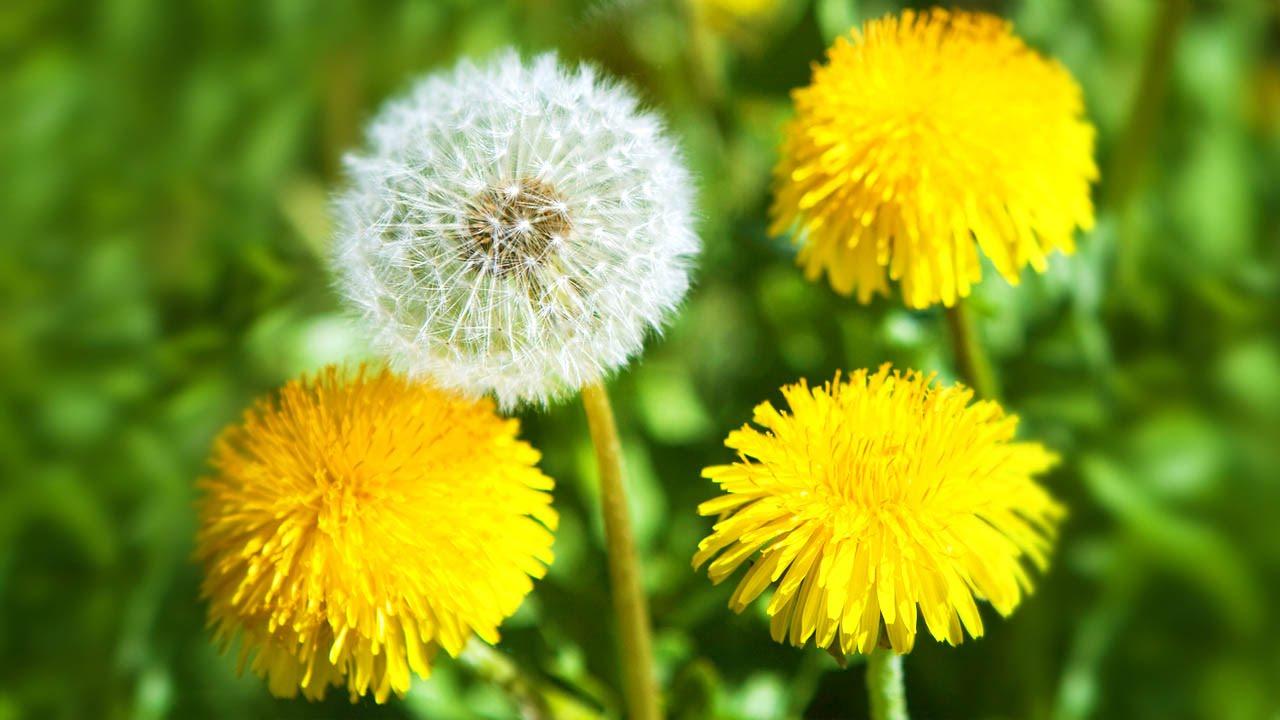
Dandelion
Dandelion flowers harvested during flowering have insecticidal properties. The roots and aerial parts are used. They are crushed, steeped in warm water, and left for three hours. For every 500 grams of dandelion, use 10 liters of water.
Ammonia
Peppers are sprayed with ammonia twice a week. Its scent repels pests. To avoid burning the leaves, follow these instructions: add 20 ml of ammonia to a 10-liter bucket of water.
Laundry soap
Grate 300 g of laundry soap on a coarse grater. Pour 2 liters of hot water over the shavings. Once the soap has dissolved, add water to bring the volume up to 10 liters. Stir the soap solution before use.
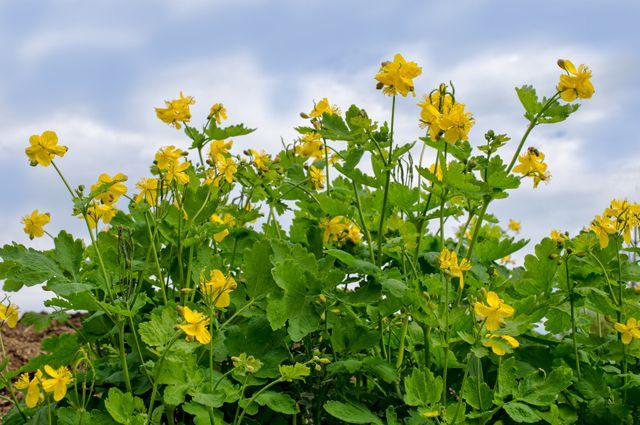
Celandine
Take 10 kg of dry, crushed herbs. Heat 10 liters of water and pour over the herbs. Let it steep for 2 days.
Yarrow
Take 500 g of dried leaves. Boil 2 liters of water. Pour in the yarrow. Strain after an hour. Bring the volume to 10 liters with water.
Tomato tops
Don't throw away tomato side shoots. They can be used to make an effective aphid repellent. Take 400 g of tomato tops, add 1 liter of water, and heat for 30 minutes. Use after 3 hours. Dilute with water at a 1:2 ratio before use.
Which products should you choose for open ground and which for greenhouses?
The risk of aphids appearing in a greenhouse is high, just as high as in open ground. Winged females enter the greenhouse during ventilation and begin laying eggs on greenhouse plants. Another way peppers can become infected is through ants, which carry the pest eggs to an anthill located in the greenhouse.
Chemical pesticides are used against aphids in exceptional cases, when all other methods have failed. Typically, control proceeds as follows:
- mechanical destruction of pests during inspection of bushes;
- every 2-3 days wash the leaves with water, spray with a folk remedy;
- spraying the bushes with a solution of Fitosporin-M or Akarin.
Chemical preparations such as Karbofos, Intavir, and Fufanon are used if more than 25% of plants are infected and all other methods do not help. Chemical treatments are carried out once every 7 days. The products are alternated to prevent addiction.
Outdoor aphid control follows the same plan. There are more aphid insecticides available for gardens than for greenhouses. Read the instructions before using any product. Folk remedies for aphid control can be used without restrictions in gardens and greenhouses.
Preventive measures to protect the garden
The soil for pepper seedlings is disinfected. It is warmed or watered before planting. A pink solution of potassium permanganate or garlic infusion is used for disinfection. The planting containers are disinfected. Pepper seeds are soaked in a potassium permanganate solution for 20 minutes.
Indoor plants that haven't undergone quarantine after purchase are removed from the room where pepper seedlings are growing. Bouquets of flowers should not be placed in the room. Greenhouse flowers are the main source of aphid infestation for seedlings. Fertilize the seedlings regularly.
In the greenhouse, the topsoil is renewed. All supporting structures and the polycarbonate (glass) are washed. In the garden, crop rotation is observed and weeds are removed. Pest-repellent plants, such as marigolds, basil, and dill, are planted near the pepper beds.
Related posts:
 How to treat peach trees for aphids and the best methods for pest control
 How to control aphids on carrots using medications and folk remedies
 How to control aphids on raspberries during flowering and fruiting, what to treat them with
 How to control aphids on currants using chemicals and folk remedies
 How to control aphids on cucumbers using folk remedies, what to treat and spray with
 How to control aphids on beets using folk remedies in open ground, what to treat with
 How to get rid of aphids on cherry trees and what is the best treatment after flowering?
 Planting, growing, and caring for bell peppers in open ground