
Aphids on zucchini are often an unpleasant surprise for novice gardeners, as they don't know how to treat the pests. In reality, successfully controlling these insects is quite simple. Chemicals or folk remedies can be used against aphids. Preventative measures will further improve the effectiveness of the pest control.
Reasons for occurrence
Zucchini aphid larvae spend the winter in weeds. In the spring, when the average daily temperature rises to 12 degrees Celsius, they begin to reproduce. At the beginning of the season, the aphids feed on plant debris, and when the vegetable crops emerge and begin to grow, they eagerly leave their wintering site and move onto their young, succulent leaves.
Ideal weather conditions for aphids are warm and moist. They pose a threat to plants both in open ground and in greenhouses.
What do aphids look like on zucchini?
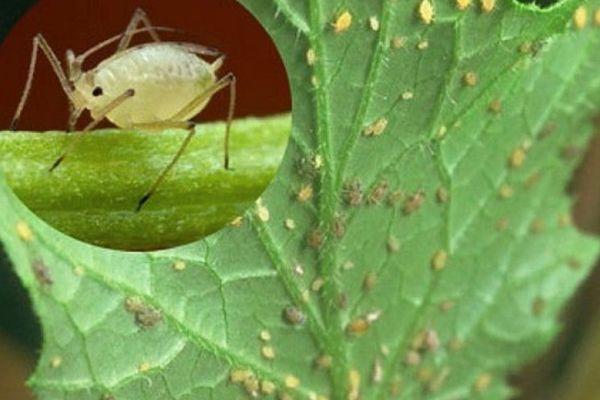
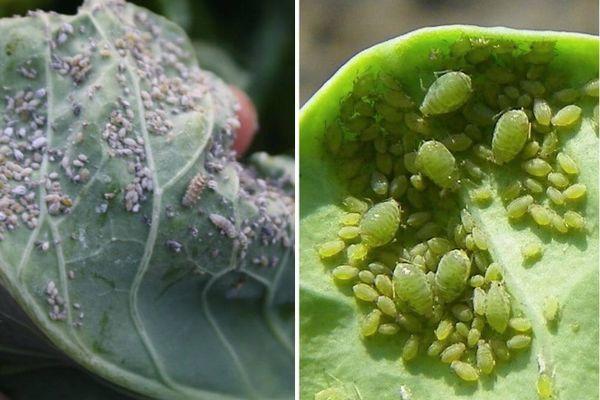
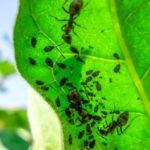
Aphids are common on delicate plant leaves. Zucchini is no exception. Each insect grows no larger than 3 millimeters. They settle in numerous colonies on the undersides of leaves and suck the plant's sap. Aphids can be green, yellow, or black. Up to 20 generations of these pests can develop before the end of the growing season.
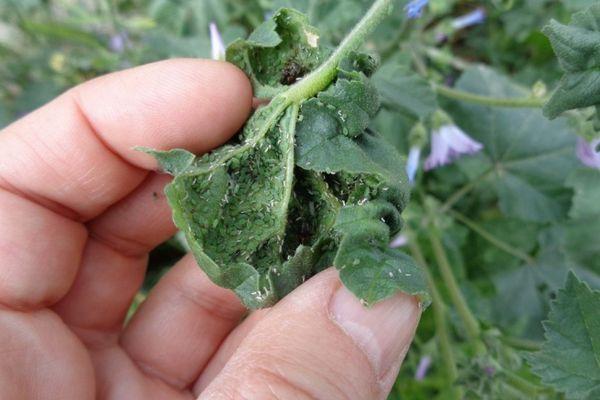
You can determine whether there are aphids on your zucchini by the following plant characteristics:
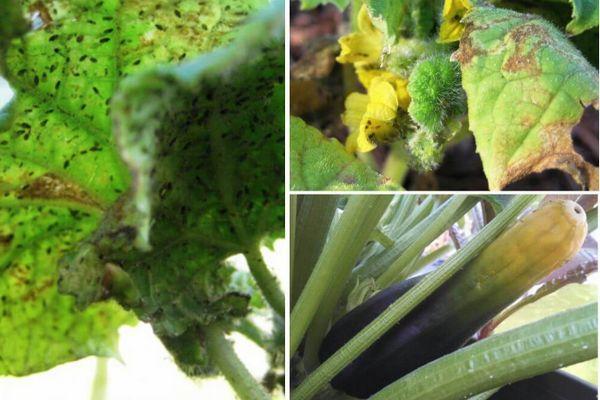
- the edges of the leaves are twisted, yellow with dark spots;
- there is mucus on the plants and the tender stems are dying off;
- flowers fall off and stop growing;
- There are ants on and around the zucchini crop.
Aphids contaminate plant leaves and disrupt their normal development.
The damage caused by aphids consists not only in sucking the sap from plants, but also in carrying pathogenic microorganisms that cause diseases in vegetable crops.
Processing methods
Pest control should begin as soon as gardeners notice the first signs of infestation. At the initial stage, the problem can be easily resolved by spraying the plants with chemicals or natural remedies.
In open ground
A few simple steps against aphids will help to significantly reduce their population:
- cleaning up plant debris from the garden bed at the end of the growing season, especially where it has affected garden crops;
- Rotating plants across the field every year will ensure a high probability of squash growth in an area where there was no such pest, and the aphids will no longer find “their” crop in the previous area;
- scatter strongly scented plants such as marigolds, mint, mustard, fennel, calendula, and coriander;
- washing off larvae from affected leaves;
- using glue traps;
- increasing the number of ladybugs in the garden plot.
- use of chemical and folk remedies.
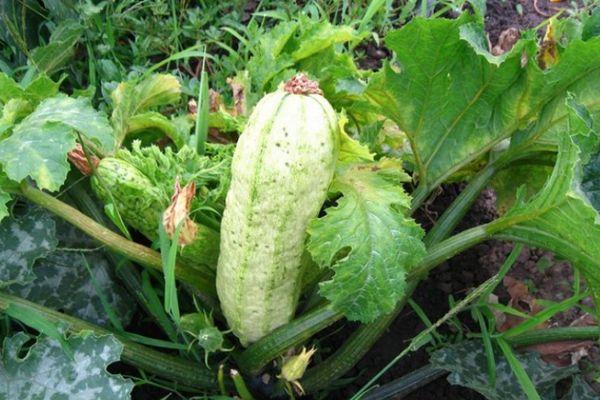
Gardeners today plant pest-resistant varieties that have dense vegetative parts and are less susceptible to aphids.
In the greenhouse
A mandatory preventative measure against aphid infestations in a greenhouse is removing the top layer of soil, which is completely replaced every five years. Preparatory work is carried out as follows:
- carefully collect plant residues after fruiting of crops;
- the structure is treated with copper sulfate;
- wooden supports are whitewashed with lime solution;
- a sulfur candle is lit inside;
- ants must be removed from the greenhouse;
- comply with the standards for applying fertilizers.
Additionally, they ensure there are no weeds and maintain the correct temperature and humidity levels.
Medicines
Today, there are many companies on the market producing effective plant protection products against diseases and pests. However, it's important to remember that spraying should be done in calm and dry weather.
Chemicals
There are various ways to treat zucchini in your garden: treat both the plant itself and its seeds before sowing. Vegetative parts of the crop are often sprayed with a 1% copper sulfate solution.
If the plant damage is severe, you can treat it with Aktara, Karbofos, or Tantek. Since all these solutions are toxic, at least 20 days must pass after applying them to the bushes.
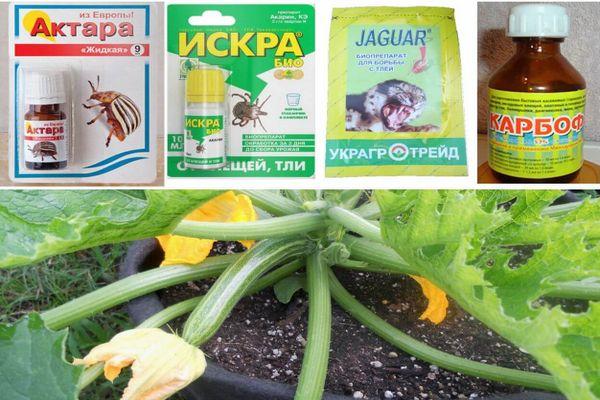
Young gardeners often don't know how to treat zucchini for aphids to ensure they're harvested organically. There are such products, including Strela, Fitoverm, Bitoksibacillin, Iskra Bio, and Jaguar. These are especially often used to control aphids on squash.
Folk remedies
There are many folk remedies for getting rid of aphids. The common ingredients for all of them are an adhesive (soap) and water. Below are some of these recipes:
- For a bucket of water add a glass of 9% vinegar solution and 100 grams of laundry soap.
- Take a bucket of water, put in it a tablespoon of baking soda, the same amount of salt and 200 grams of laundry soap.
- Place a glass of wood ash or shredded tobacco in a bucket, add 10 liters of water, and add a sticky substance. Add ash and tobacco between the rows.
- Take equal amounts of black and red pepper, cinnamon, and mustard powder. Pour a bucket of water over the mixture and add 100 grams of soap.
- Take a cup of garlic, peel it, and crush it. Then, before using the mixture as a spray, let this strongly scented mixture steep in water for three days and strain.
They are treated with folk remedies, as well as chemical ones, in suitable weather.
Will fertilizer help against aphids?
If the crop has the correct ratio of various nutrients in sufficient quantities, then the resistance of such plants will be higher, compared to unfertilized bushes.
Therefore, complex fertilizers help young zucchini plants grow stronger. Here is a list of effective fertilizers:
- Zdraven Turbo. It's highly digestible and contains a wide range of nutrients. Water your plants every 14 days.
- Clean Leaf. Activates vegetative growth of zucchini plants, increasing resistance to diseases and pests. This fertilizer is applied in two forms: dry and in solution. Spray the foliage or water the roots. It combines well with organic matter.
- Multiflor. Enhances plant immunity, promotes development, and promotes root growth. Suitable for both root and foliar irrigation and spraying. Economical. Its components are highly digestible.
- Agricola-5. Increases plant resistance to adverse factors. Zucchini can be treated up to five times during the growing season. An environmentally friendly product.
Precautionary measures
Mandatory conditions for the safe use of chemicals and folk methods for aphid control include adherence to the following rules:
- presence on a person during the processing of protective equipment;
- It is important not to exceed the dose;
- Vegetables should be collected after the period specified in the instructions.
Common mistakes when fighting aphids
Inexperienced gardeners sometimes begin to fight the pest, but they do the following incorrect actions:
- weeds are not removed in time, this creates dense plantings and favorable conditions for the active reproduction of aphids;
- When purchasing seedlings, they forget to check them for pests;
- overuse of nitrogen fertilizers, which causes the foliage to become too juicy and attractive to insects;
- The squash crop is planted near plants that are also affected by aphids.
An enemy like aphids is difficult to defeat, but it is possible. Therefore, gardeners use all means to stop their reproduction and get rid of them. And with careful preventative measures every year, the situation can be brought under control.
Related posts:
 How to treat peach trees for aphids and the best methods for pest control
 How to treat peppers for aphids, how to fight them with folk and chemical remedies
 How to control aphids on carrots using medications and folk remedies
 Treatment rules and 20 best remedies for dealing with aphids on apple trees
 How to control aphids on raspberries during flowering and fruiting, what to treat them with
 How to control aphids on grapes using chemicals and folk remedies
 Description of medications and folk remedies for treating pears to get rid of aphids
 How to get rid of aphids on cherry trees and what is the best treatment after flowering?