
- Description
- Chemical composition
- Varieties
- Ball
- Watermelon
- Mother-in-law
- Boatswain
- Sailor
- Orange F1
- Kolobok
- F1 Festival
- Tondo di Piacenza
- Rondo de Nice
- Cook
- Tintoretto
- Choosing a location
- Sunshine
- Selecting and preparing soil
- Planting dates
- Open ground planting scheme
- Care
- Watering
- Loosening and weeding
- Hilling
- Top dressing
- Features of growing from seedlings
- Reviews
The round squash is a member of the Cucurbitaceae family. This perennial plant is grown by gardeners even in moderate climates. The fruits have excellent flavor and contain beneficial micronutrients. They can be used to prepare hearty dishes and preserves for the winter.
Description
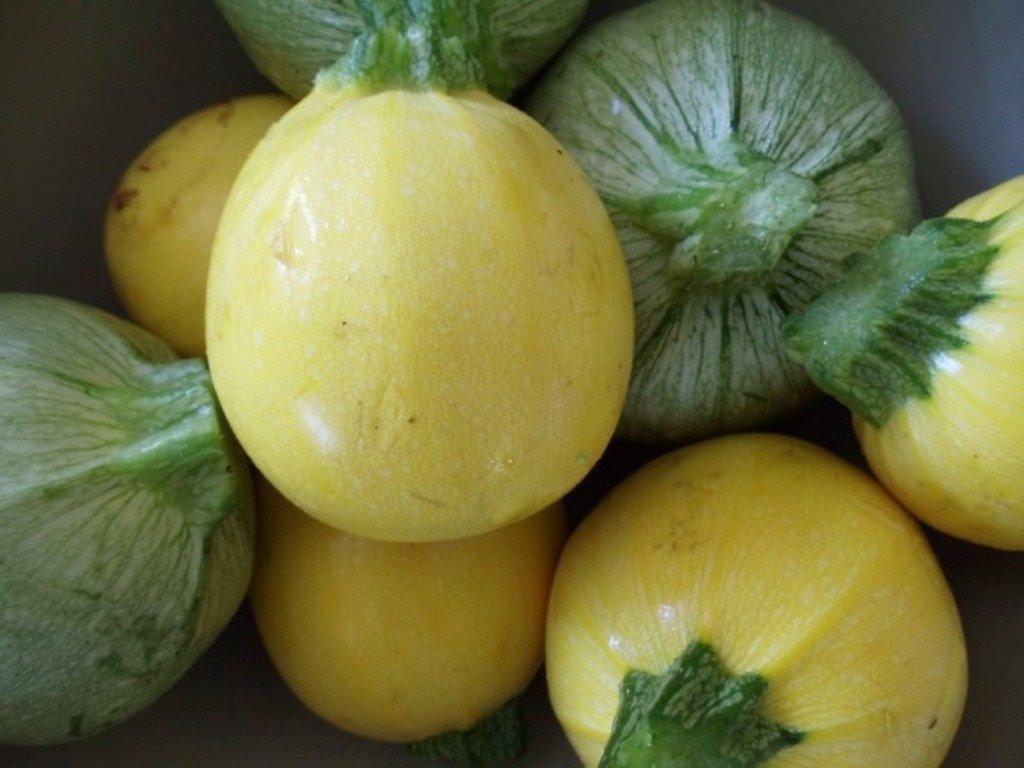
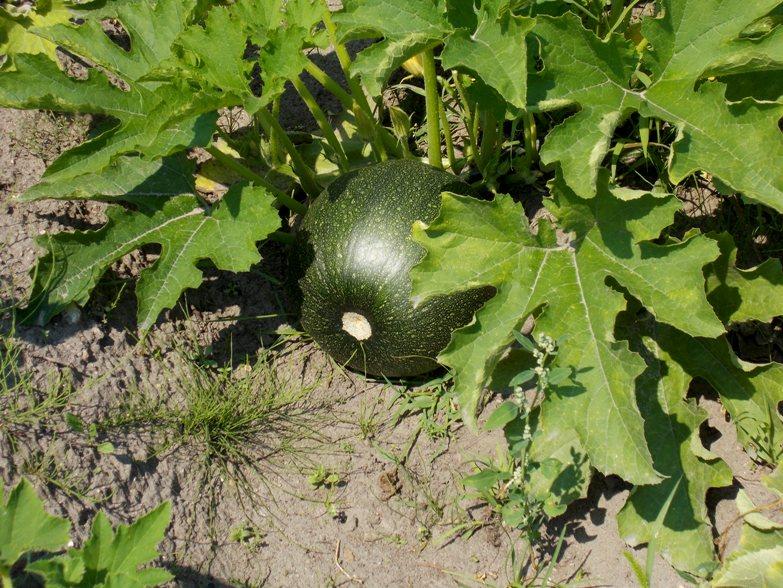
The fruits are large, greenish-yellow, and elongated. The average weight of one zucchini is 1,000 grams. The skin is thick, allowing for storage of the harvested crop over the winter.
Chemical composition
Zucchini fruits contain the following elements:
- Thiamine compounds. They help improve digestion, immunity, and normalize the cardiovascular system and brain.
- Riboflavin substances improve the breakdown of fats, carbohydrates, and proteins.
- Ascorbic acid. Improves the body's resistance to toxic substances, accelerates wound healing, and helps absorb iron.
- Folic acid. Improves immunity.
- Malic acid. Promotes normal cellular metabolism and improves appetite.
- Nicotinic acid. Promotes normal gastrointestinal function.
Varieties
Round zucchini comes in many varieties, each with its own unique characteristics.
Ball
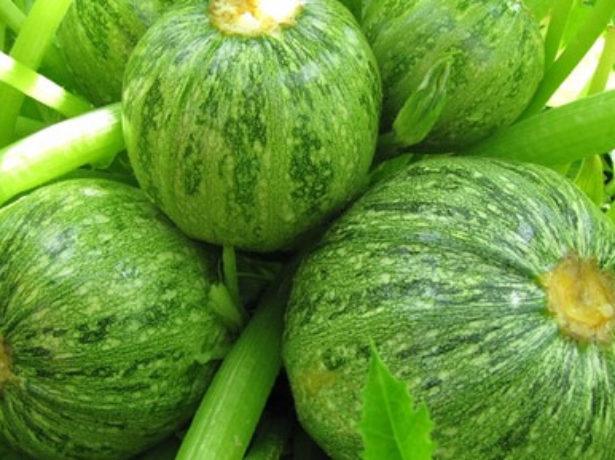
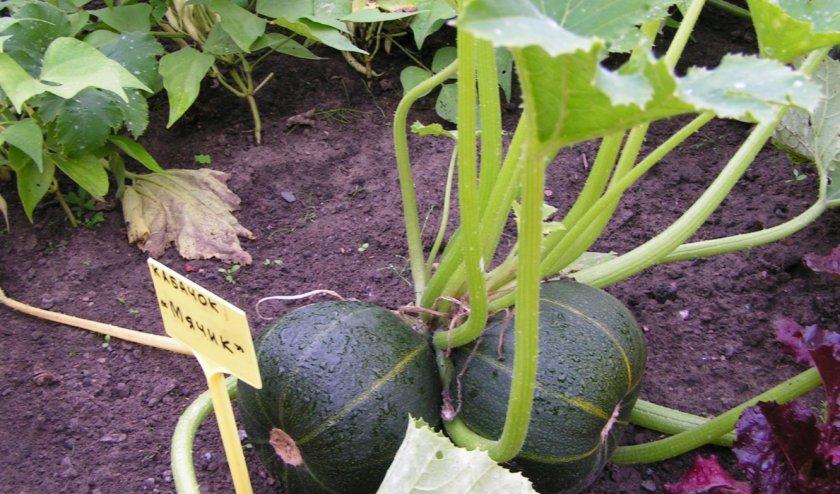
The average squash fruit weighs 1,500 grams. Fruits up to 2,000 grams can be produced. The bush is compact and vine-free. The leaves are serrated, green, with a few light spots.
Watermelon
The squash fruits weigh 4,000-6,000 grams. The vines are long and bear numerous leaves. A single plant can produce up to ten fruits.
Mother-in-law
The fruits are light-colored, uniform, and weigh up to 2,500 grams. They can be canned or used for cooking hot foods.
Boatswain
Zucchini ripens in 1.5 months. They weigh 2,000-3,000 grams. The flesh is green and has a distinct flavor. The fruits can be stewed, fried, or frozen.
Sailor
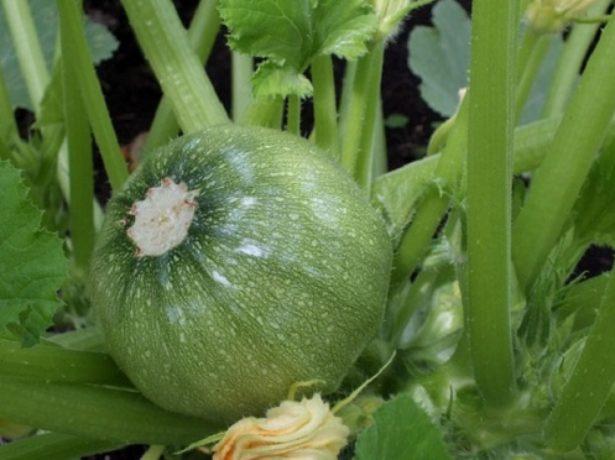
The squashes weigh up to 3,500 grams. The bush is compact, without vines. Ovaries are formed very rapidly, and the squashes ripen in 36-40 days.
Orange F1
Small, yellow zucchini are rich in vitamin A and can be eaten raw. They ripen in 38-40 days.
Kolobok
An early-ripening variety. The zucchini has thin, light, speckled skin. Ripe fruits weigh approximately 600 grams. This variety is characterized by compact bushes and high yields.
F1 Festival
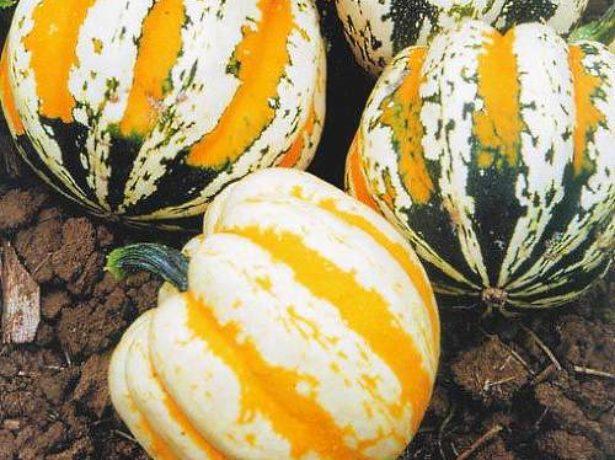
This is a pumpkin-zucchini hybrid. A late-ripening variety, the zucchini matures in 50-60 days. The flesh is sweet and orange.
Tondo di Piacenza
There are almost no seeds, and the skin is thin. This variety is characterized by excellent taste. The squash ripens in 50-55 days. The bushes bear fruit until the onset of cold weather.
Rondo de Nice
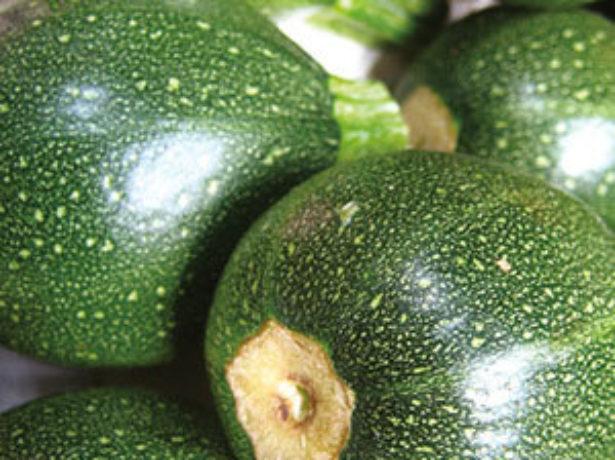
Intended for outdoor cultivation. The fruits ripen in 50 days and are dark green. The tastiest zucchini is not fully ripened and is 90-100 millimeters in diameter.
Cook
One square meter can yield up to 10 kilograms of zucchini. They ripen in 40 days. The plants are large, with short stems. The seeds can be planted in open ground.
Tintoretto
Characterized by early maturity (41-46 days). The zucchini is small, weighing about 600 grams. The flesh is distinguished by its juiciness and sweetness.
Choosing a location
Zucchini shouldn't be planted where members of the Cucurbitaceae family previously grew. The soil should be allowed to rest for at least 36 months.
Sunshine
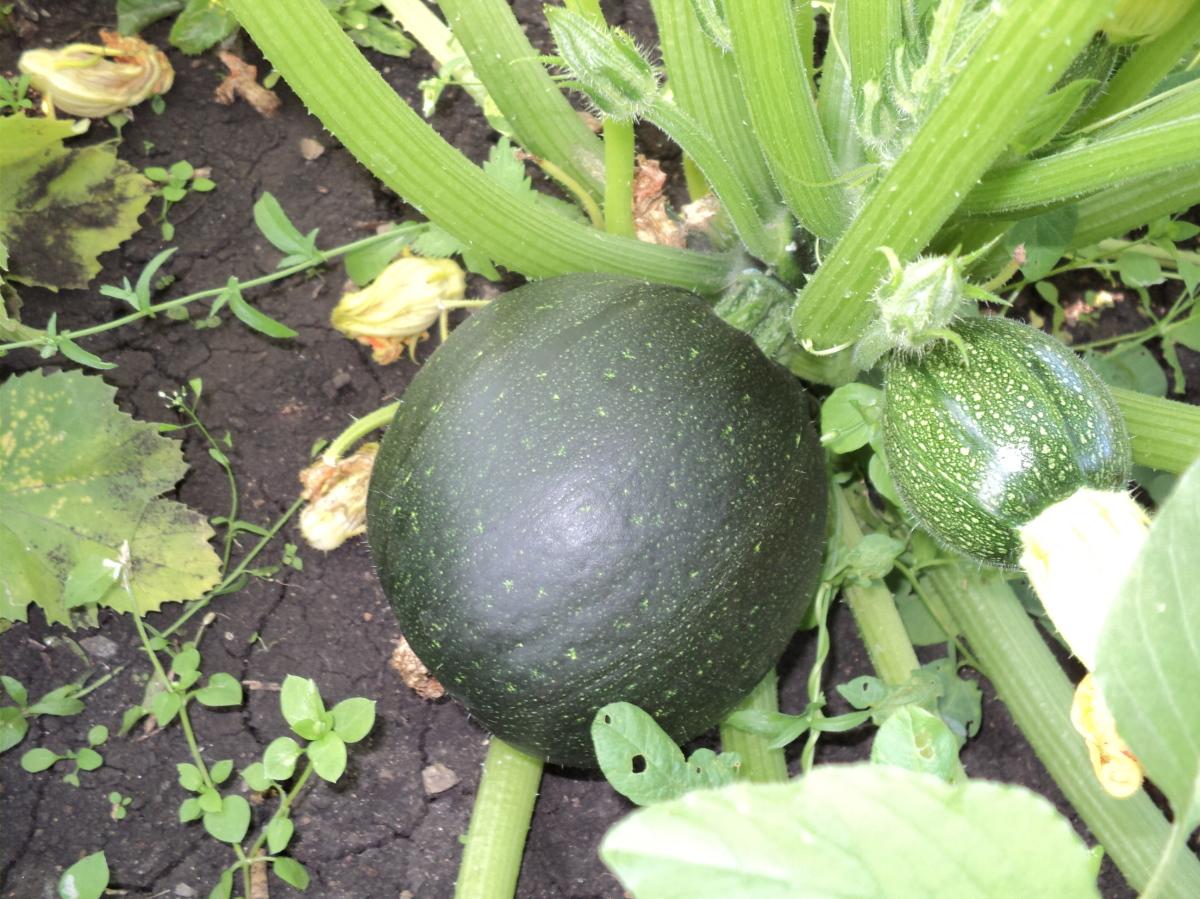
Remember that zucchini thrives on light, so they should be planted in sunny locations. The more sun the plants receive, the sooner you'll be able to harvest. Zucchini are fairly frost-resistant, but it's still recommended to plant them in areas protected from strong winds.
Selecting and preparing soil
Zucchini can be planted in the following types of soil:
- clayey;
- loamy;
- peat;
- sandy;
- black earth.
Before planting, the soil is prepared. Humus, sawdust, or peat moss, along with minerals, are added. The soil is dug over and cleared of weeds and insect larvae.
Planting dates
Zucchini seedlings are transplanted to the garden when frost is no longer expected. May is the best time to plant. If the zucchini will be grown in a greenhouse, the seedlings are planted in early March.


Open ground planting scheme
When planting in the garden, create holes (up to 50 millimeters deep) spaced 0.7 meters apart. Place three seeds in each hole. If the seedlings produce several seeds at once, leave only one shoot.
After placing the seeds in the holes, they are covered with soil and lightly compacted. To accelerate growth, the seeds are soaked in mineral fertilizer or a special solution before planting.
Care
Zucchini are cold-hardy plants. They tolerate temperatures down to -6°C (43°F), but die at sub-zero temperatures. The ideal temperature for the plants is between 20°C (68°F) and 25°C (77°F). To prevent freezing, the plants can be covered with plastic.
Watering
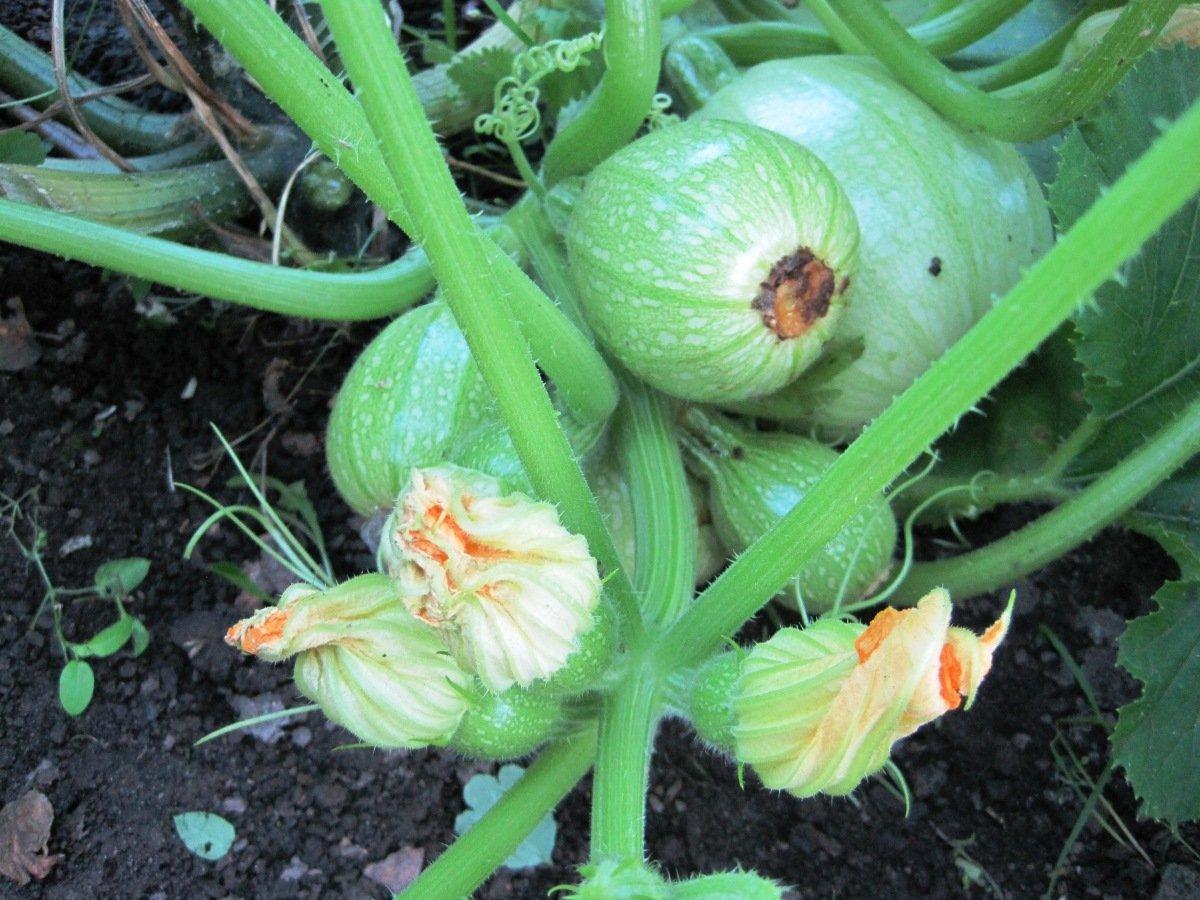
The beds need to be watered infrequently but thoroughly. It's recommended to water the plants every 10 days. The water shouldn't be freezing cold, as this will damage the plants. When the plants begin to bear fruit, the amount of water should be doubled. Stop watering the beds seven days before harvest. This is done to improve the zucchini's flavor.
Loosening and weeding
For zucchini plants, as with other vegetable crops, soil conditions are crucial. Zucchini won't thrive if nearby weeds are robbing them of their nutrients. Gardeners should regularly hoe the areas between rows and remove any unwanted weeds themselves.
It's not advisable to loosen the soil or weed directly under the bushes. The root system is located on the surface, so any careless movement could result in the death of the plant.
Hilling
Too frequent watering can expose plant roots. These roots need to be covered with soil (30-50 millimeters thick). Hilling is necessary to allow the plants to develop rootlets. Hilling should be done using imported soil.
Don't hill zucchini plants like potatoes, raking the soil toward the plant with a hoe. This can cause root deformation.
Top dressing
Plants are typically fertilized immediately after germination, during bud formation, and during flowering and fruit ripening. Some types of fertilizers are applied directly to the soil during tillage, while others are mixed with water for irrigation. Foliar fertilizers, designed for spraying on bushes, are also used. When plants are just beginning to grow and develop, they need to be fed with potassium, phosphorus, and nitrogen supplements.

Features of growing from seedlings
To harvest the fruit earlier, grow zucchini from seedlings. To do this, sow the seeds in pots filled with soil 30 days before planting them in the garden. Fertilize the seedlings with a solution of cow manure or mineral supplements.
If the soil is poor, fertilizer should be applied twice. Seedlings should be planted in the garden with a lump of soil still attached to the roots. This is necessary to prevent damage to the root system.
Reviews
Lyudmila:
"I've been growing zucchini plants in my garden for many years. In 2025, I bought a packet of six large Povarenok seeds. I noticed the zucchini ripened quite early. I harvested the first crop 40 days after planting. The fruits are green, with delicious flesh. I especially enjoy frying them with eggs, making caviar, and preserves. I sow the seeds in April, directly into the ground. I'm very pleased with the Povarenok—a delicious zucchini variety."
Nikolay:
"I used to grow Myachiki zucchini. I grew them the same way as other zucchini, without any special preparation. The zucchini turned out round and medium-sized. I harvested the crop, if I'm not mistaken, a month and a half after planting. Now I want to buy some seeds again and continue what I started then."
Related posts:
 TOP 20 simple recipes for pickled zucchini for the winter
 How to cook fried zucchini with garlic for the winter, finger-licking good recipes and without sterilization
 Step-by-step recipes for pickled zucchini "like milk mushrooms" for the winter in jars
 The best grape varieties for growing in the Urals, planting and care rules in summer
 TOP 13 delicious recipes for spicy zucchini for the winter
 Amazing recipes for zucchini in tomato sauce for the winter, you'll lick your fingers, with and without sterilization
 Description of the best pepper varieties for greenhouses and open ground in 2025
 21 step-by-step recipes for making zucchini jam for the winter