
- Selecting a variety
- Bushy
- Climbing
- Growing in open ground
- Deadlines
- Digging
- Predecessors
- Planting seedlings
- Seed treatment
- Planting diagram
- Planting in open ground
- Care
- Watering
- Top dressing
- First
- Second
- Third
- Topping
- Fighting powdery mildew
- Formation of climbing zucchini
- Planting zucchini
- Harvesting and storage
- Reviews
- Conclusion
Zucchini is a common vegetable crop grown by many gardeners around the world. To improve the yield and taste of your vegetables, it's important to understand how to train zucchini in open ground.
Selecting a variety
Before you begin shaping, it's important to familiarize yourself with the main varieties of zucchini. All varieties are divided into two major groups.
Bushy
Some gardeners prefer to plant their plots with bush zucchini. The main advantage of these varieties is their compact size, which helps save space in the garden. This is why experienced gardeners advise those with small plots to plant bush zucchini.
These plants don't require much care. If the bushes are less than 25 centimeters tall, shaping isn't necessary.
Climbing
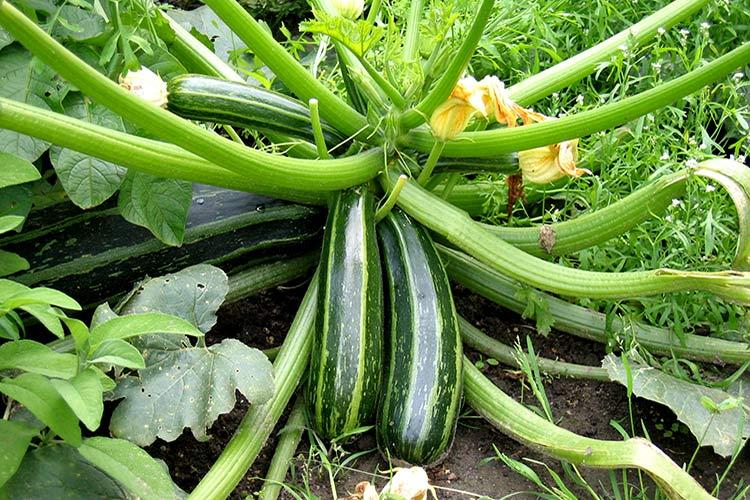
Climbing varieties get their name from the elongated vines they produce, which can reach up to two and a half meters in length. Many gardeners recommend planting these vegetables because they produce tastier and juicier fruits. Common climbing zucchini varieties include Karam, Gribovsky, and Aral.
Growing in open ground
To properly grow planted zucchini seedlings, you need to understand the specifics of cultivating the vegetable in unprotected soil.
Deadlines
It's important to decide on the timing of vegetable planting in advance. When determining the planting time, consider the growing method. Experienced gardeners recommend using seedlings to get a larger harvest. The seeds are sown for seedlings in the twenties of April, and the grown seedlings are transplanted after 25-30 days.
Digging
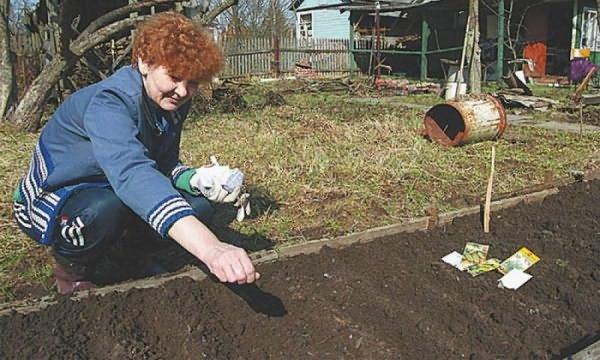
Before planting zucchini seedlings, it's essential to prepare the area where they will grow. During preparation, the garden must be dug and fertilized. Don't dig too deeply—a single spadeful of soil, 15-20 centimeters deep, is sufficient. This should be done in mid-September or 1-2 weeks before planting.

Predecessors
When choosing a site for growing zucchini seedlings, it's important to consider what plants were previously grown there. The best predecessors for zucchini are considered to be beans, cabbage, tomatoes, pumpkin, and potatoes.
Planting seedlings
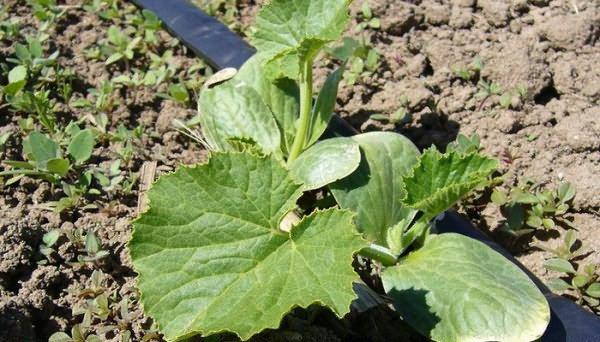
Once the planting site has been selected and the area prepared, transplanting the seedlings begins. To do this, dig rows of holes 8-10 centimeters deep in the area. Place the seedlings in the holes so that their roots are completely underground.
Seed treatment
Seeds for growing seedlings should be pre-treated with a potassium permanganate solution. This is done to eliminate pathogens that may be present on the surface of the seeds. Each seed is also soaked in growth stimulants before planting.
Planting diagram
Zucchini beds should be at least four meters wide and 80-90 centimeters long. The distance between each hole should be 60-65 centimeters.
Planting in open ground
Seedlings are planted outdoors during the day, when the soil has warmed up in the sun. If nighttime temperatures drop below 5°C (41°F), the beds are covered with plastic.

Care
It's no secret that planted zucchini seedlings require proper care, so it's important to familiarize yourself with the vegetable care recommendations in advance.
Watering
Zucchini plants need to be watered regularly to prevent the soil from drying out. Experienced gardeners recommend moistening the soil no more than twice every ten days, with each plant receiving 10-15 liters of warm water. During the summer, when droughts begin, water the plant three times a week.

Top dressing
Planted seedlings need to be fed three times per season.
First
When applying fertilizer for the first time, you can use:
- Manure. Add half a liter of cow manure to a bucket of warm water, then pour the liquid under the zucchini.
- Compost. Experts recommend using last year's compost rather than fresh compost.

Second
A second fertilizing is performed 15-20 days after the previous one. In this case, not only organic matter but also mineral fertilizers are added to the soil. You can also use a solution made from nitrophoska. To make it, add a tablespoon of the substance to a ten-liter container of water.
Third
The third time, fertilizers are added during the active fruiting period of the zucchini.
To help the fruit ripen faster, you need to fertilize the zucchini with a mixture made from boric acid and superphosphate.
Topping
There's no need to pinch zucchini plants, as all their fruit forms on the main stem. The only thing you need to do is regularly remove the leaves. Leaving too many leaves on the plants will delay the zucchini's ripening.

Fighting powdery mildew
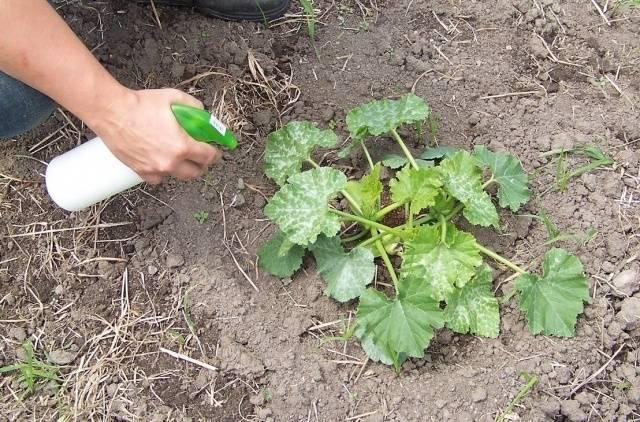
Sometimes zucchini become infected with powdery mildew, which can kill the seedlings. When signs of the disease appear, immediately remove all infected leaves and stems. Then treat the plant with fungicides or Bordeaux mixture.
Formation of climbing zucchini
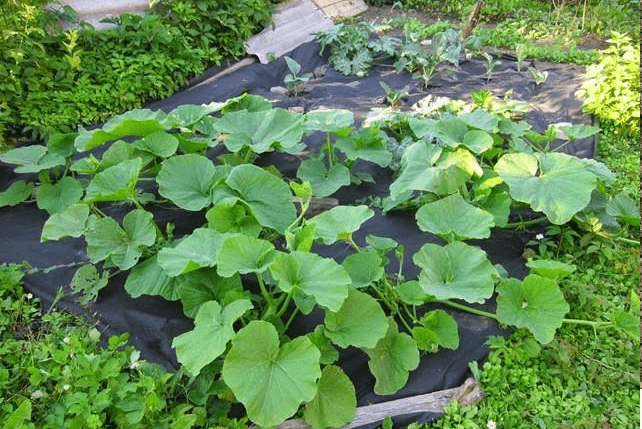
If the bush grows too large, you'll need to remove side shoots. This involves removing part of the main stem and getting rid of any side shoots that don't have zucchini. The bushes should be pruned so that their height is at least 65-75 centimeters.
Planting zucchini
For planting zucchini, choose a well-lit area away from strong winds. Before planting, carefully dig the soil and fertilize it with organic fertilizer. Then, make holes in the prepared area and plant the zucchini seedlings in them.
Harvesting and storage
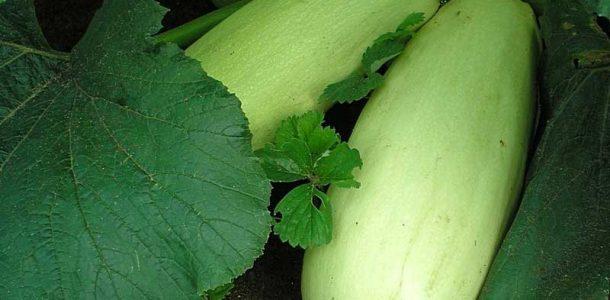
Zucchini harvesting begins in mid-June, when all the fruit is ripe. It's important to use sharp pruning shears or a knife. This will allow you to carefully pick the fruit without damaging the stem. The harvested crop is placed in boxes and stored in the cellar.

Reviews
Irina, 35: "I've been growing zucchini at my dacha for five years now. I never trained the plants before, and I never even thought about it. However, I recently learned that climbing varieties need to be trained. Indeed, training the plants helps improve yields somewhat."
Dmitry, 40: "I planted zucchini at my dacha for the first time two years ago and was surprised by the low yield. I spent a long time wondering why the plants were bearing so little fruit, and only a few months later did I learn that climbing zucchini need to be pruned. Last year, I tried shaping them and was surprised to see that the yield increased dramatically."
Conclusion
Some gardeners grow zucchini plants. Before planting, it's important to understand how to plant the vegetable crop and how to shape the seedlings.
Related posts:
 How to properly plant zucchini in open ground, cultivation technology and care
 TOP 20 simple recipes for pickled zucchini for the winter
 What to do if the leaves of zucchini in open ground turn yellow and how to deal with it
 Proper cultivation and care of zucchini in open ground, how to increase the yield
 How to cook fried zucchini with garlic for the winter, finger-licking good recipes and without sterilization
 What is the best way to feed zucchini in open ground and greenhouses during flowering and fruiting?
 TOP 13 delicious recipes for spicy zucchini for the winter
 A recipe for quickly preparing lightly salted zucchini in a bag, saucepan, or jar, along with storage instructions.