
- Planting dates
- For seedlings
- Into open ground
- Seed preparation
- Soak
- Growth stimulants
- Nitrophoska solution
- Drying
- Choosing a location
- Illumination
- Inadmissible predecessors
- Good neighbors
- Soil requirements and preparation
- Peat
- Black soil
- Light loam
- Sandy
- Open ground planting scheme
- Growing seedlings and planting times
- Care
- Hilling and loosening
- We water correctly
- Top dressing
- Varieties
- Early ripening
- Tsukesha
- Zebra
- Anna
- White swan
- Goldfinch
- White-fruited
- Mid-early
- Kuand
- Nephritis
- Black beauty
- Spaghetti
- Late-ripening
- Walnut
- Long-fruited
- Tivoli F1
- Zucchini
- Reviews
- Answers to questions
Growing healthy vegetables in your garden is a dream for both novice and seasoned gardeners. How can you get a decent zucchini harvest? How do you properly plant seedlings and care for the plants? Zucchini is a finicky plant, craving warmth and reacting poorly to the vagaries of our climate. It's important to choose the right zucchini variety for the region where you plan to grow it. Timing the planting and preparing the seeds are key to a high-quality harvest.
Planting dates
Zucchini was brought to our latitudes from distant Mexico, thrived in the Russian climate, and became beloved for the piquant, delicate flavor of its ripe fruit. This vegetable is native to the south and thrives in warmer climates, so rushing to plant zucchini seedlings outdoors is not recommended. It's best to wait until the threat of the first frost has passed and comfortable, warm weather has set in.
For seedlings
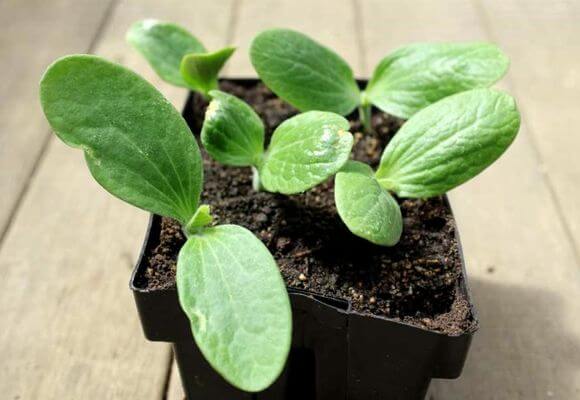
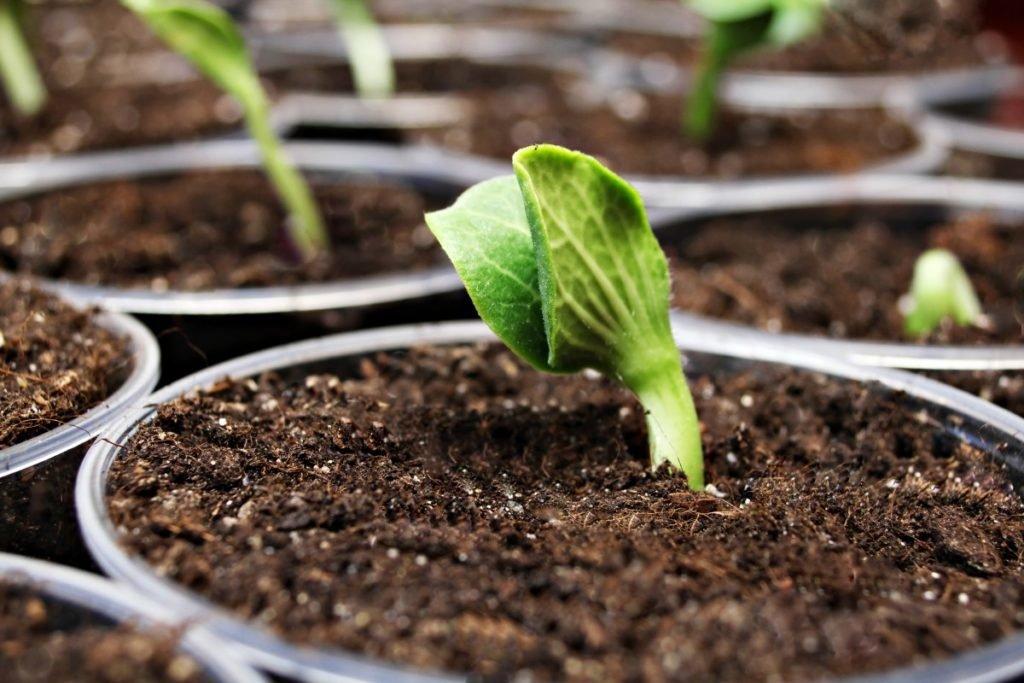
Sow zucchini seedlings in peat pots approximately one month before planting outdoors. This timeframe varies by region. On average, mature zucchini begin to bear fruit in late July.
To ensure that zucchini seeds germinate quickly, it is necessary to create optimal soil moisture and temperature conditions: +15 C is the soil temperature.
Note: The roots of young plants are tender and fragile; seeds must be sown in separate containers so that the seedlings can be planted in the ground along with the root ball.
Into open ground
Zucchini are planted in open ground in two ways:
- seedling-free;
- seedlings in peat pots.

The direct-seeding method is the most popular method of growing zucchini in our country. The soil is prepared in advance: it is dug, fertilized, and loosened. It is necessary to wait until the soil temperature reaches +12°C. In central Russia, this is approximately May 16-20. In southern regions, seeds can be sown earlier, starting on May 6.
Zucchini seedlings are planted in their permanent location after the threat of spring frost has passed. Young seedlings can be placed under temporary plastic covers if cold weather persists for an extended period. Frosts are devastating to zucchini, and the seedlings can be completely destroyed.
Seed preparation
Proper pre-sowing seed preparation determines the germination of zucchini and the health of future plants. To speed up the emergence of the first shoots, avoid diseases, and achieve 100% germination, several tricks are used.

Soak
Disinfection of zucchini seeds is a mandatory part of pre-sowing preparation. The embryos are immersed in a solution of potassium permanganate and brilliant green for several hours. During this time, the seeds swell: viable seeds sink to the bottom of the glass, while the "empty" or non-viable seeds remaining on the surface are removed.
Growth stimulants
Soaking in growth accelerators and stimulants speeds up the emergence of the first shoots and brings seed germination rates closer to 100%. Well-known solutions for soaking zucchini include "Humate" and "Zircon."
Nitrophoska solution
Soaking seeds in a nitrophoska solution creates an additional nutrient reserve for future germination. The seedlings are immersed in a container with the nitrophoska solution for 10 hours. The seeds swell and sink to the bottom.

Drying
Dry hardening of seeds is an excellent way to support the immunity of future plants and increase germination. The seeds are placed in a cloth bag and placed on a radiator at +50°C for 6-7 hours. WITH.

Choosing a location
The more sunlight and warmth the zucchini beds receive, the better for these vegetables. Choose a location free from drafts and shade, preferably on the south side of the plot.
Illumination
Insufficient sun primarily affects the number of zucchini ovaries, and therefore the final yield. Ripening time is prolonged, the fruit appears pale, and the flesh becomes harder. Shade in zucchini beds is avoided.
Inadmissible predecessors
Zucchini is a member of the cucurbitaceae family of vegetables. Crop rotation partners and neighbors must be chosen carefully. It is unacceptable to grow zucchini after members of the same family, such as pumpkins, cucumbers, squash, or zucchini itself, for three years. The best predecessors are beans, peas, broad beans, cabbage, onions, and garlic.
Good neighbors
Choosing the right neighbors for zucchini can increase the yield of both crops and protect the vegetables from pests.
A zucchini-black radish planting is considered ideal. The zucchini's pungent aroma repels zucchini pests. The following are also planted between the zucchini rows:
- clover;
- onion or garlic;
- corn;
- sunflower.

Carrots and peas make excellent companions for zucchini, but they should be planted together, maintaining a distance between plants. Otherwise, the zucchini's lush leaves will shade their neighbors.
Soil requirements and preparation
Zucchini forms thick stems and lush, spreading plants. Plants require nutritious soil with a neutral pH. Poor soils are additionally enriched with organic and mineral fertilizers.
Peat
Organic amendments are essential for peat soil: a mixture of leaf and plant compost or garden compost with wood ash and a small amount of sand. Superphosphate is a mineral fertilizer.

Black soil
The most preferred option for growing zucchini and squash is to loosen the soil and add wood ash with a small amount of potassium sulfate.
Light loam
Zucchini soil is difficult. It requires the addition of compost or well-rotted manure, or a peat-sand mixture can be added. Mineral supplements include superphosphate and wood ash.
Sandy
It is necessary to saturate the soil with nutritious organic matter: compost, humus, manure, peat.
Open ground planting scheme
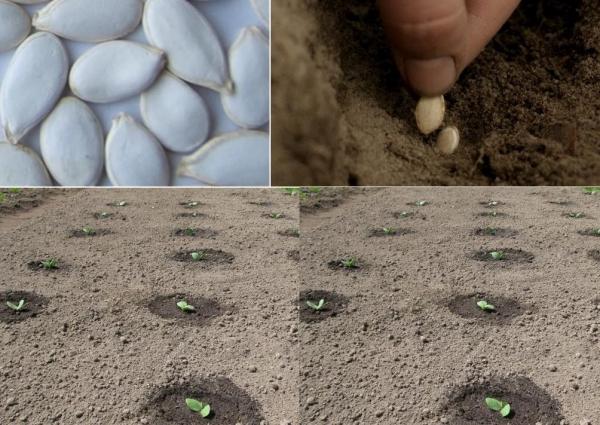
The third ten days of May have arrived, the threat of frost has passed, and it's time to plant zucchini seeds in the ground. It's recommended to sow zucchini in two stages, ten days apart. This method allows you to harvest ripe fruits at different times, making it convenient for processing the finished harvest.
Zucchini bushes are spreading; a distance of 40 centimeters should be maintained between seedlings, and 120 centimeters between zucchini beds.
Note: It is rational to plant zucchini in a checkerboard pattern: the bushes will be evenly illuminated, and it will be easier to carry out loosening and harvesting procedures.The holes for the seeds are dug small, and the zucchini are planted in the same way as cucumbers.
Growing seedlings and planting times
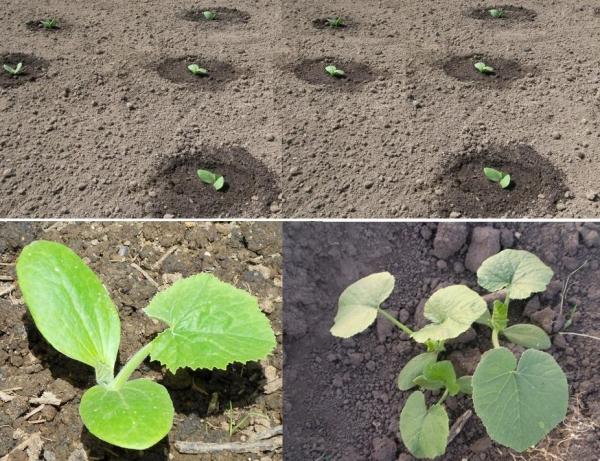
Zucchini grown using traditional seedlings produces fruit longer and is less susceptible to disease. Here's how to plant zucchini correctly and the intricacies of growing healthy seedlings:
- Sow seeds only in individual containers, such as peat pots.
- Pre-sowing treatment of planting material is mandatory: disinfection and hardening.
- Disinfection of the soil with a solution of potassium permanganate or scalding with boiling water.
- Regular watering and optimal lighting for young seedlings.
Planting times vary depending on the growing region. In southern regions, seedlings are planted in early April, while in northern regions, they are planted in early May. Newly planted seedlings require additional cover for the first week after transplanting.
Care
Caring for zucchini should be systematic and not particularly difficult. It's important to remember that zucchini is a moisture-loving plant and does not respond well to temperature fluctuations or prolonged cloudy weather.
Hilling and loosening
To develop the zucchini root system, it's recommended to perform the first hilling approximately two weeks after planting, when the plants have four true leaves. Remove any weeds, and mulch each plant with a small amount of compost mixed with wood ash.
Loosening the soil is done weekly to ensure air circulation to the plant roots and to remove weeds from the soil. It's especially important to loosen the soil in loamy soils, preventing the formation of a crust.

We water correctly
During hot weather, it's recommended to water zucchini roots daily. On cloudy days, watering can be reduced to 1-2 times a week. The average daily water requirement is 5 liters per plant. During budding, flowering, and fruiting, watering should not be stopped, but rather increased.
Top dressing
The main part of the necessary fertilizers for zucchini It is applied during planting. Subsequently, zucchini is fertilized twice: during flowering with nitrogen fertilizers, and during fruit set, superphosphate can be added or the bushes can be watered with a solution of bird droppings or cow manure. The growth of zucchini depends on the correct balance of fertilizers applied and the initial fertility of the soil.

Varieties
From the right choice varieties of zucchini The final result depends on the region and the purposes of growing the crop: easy, problem-free cultivation of zucchini and a high-quality harvest.
If a gardener's goal is to harvest early, early-ripening varieties should be chosen. If delaying the ripening period is important, late-ripening varieties should be selected.
Early ripening
The first fruits ripen 45 days after germination or 30 days after planting seedlings in open ground.
Tsukesha
A high-yielding, early-ripening variety, this zucchini is beloved by gardeners for its ease of cultivation and the excellent taste of its ripe fruits, which can be stored until the New Year. It bears fruit until frost.

The leaves of mature plants are rough with white spots, a phenomenon often mistaken for signs of an incipient fungal disease. This is not the case; the white coating is a characteristic of the Tsukeshi cultivar.
Zebra
A high-yielding zucchini variety with a distinctive fruit color. This cylindrical green zucchini with white stripes is easily tolerated by temperature fluctuations and prolonged cloudy weather. It's easy to grow and suitable for novice gardeners.
Anna
A squash variety bred in Armenia. It tolerates drought and prolonged heat well, and is resistant to fungal and bacterial diseases. The fruits are cylindrical, white, and have a delicious, unsweetened flesh.
White swan
Suitable for growing in the central regions of our country. The fruits ripen large, white, and have a long shelf life. The flesh is juicy and has excellent flavor. The variety is resistant to fungal infections and is suitable for all purposes.
Goldfinch
This variety has been popular since Soviet times. It produces compact squash-like plants. Suitable for canning, it requires good soil fertility and light. The fruits are unique, a golden-yellow color. Zolotinka produces good yields and stores well.
White-fruited
A Kuban selection. Suitable for cultivation throughout our country, except in areas with harsh climates. Resistant to bacterial blight, but susceptible to gray mold. Its ripe fruits are distinguished by excellent flavor.

Mid-early
Traditional varieties of zucchini that ripen in mid- to late July and bear fruit until late autumn.
Kuand
This variety was developed in Kuban almost 50 years ago. The fruits are very tasty, large, store well, and are suitable for canning. Kuand is a cold-hardy variety, resistant to pests and fungal diseases.
Nephritis
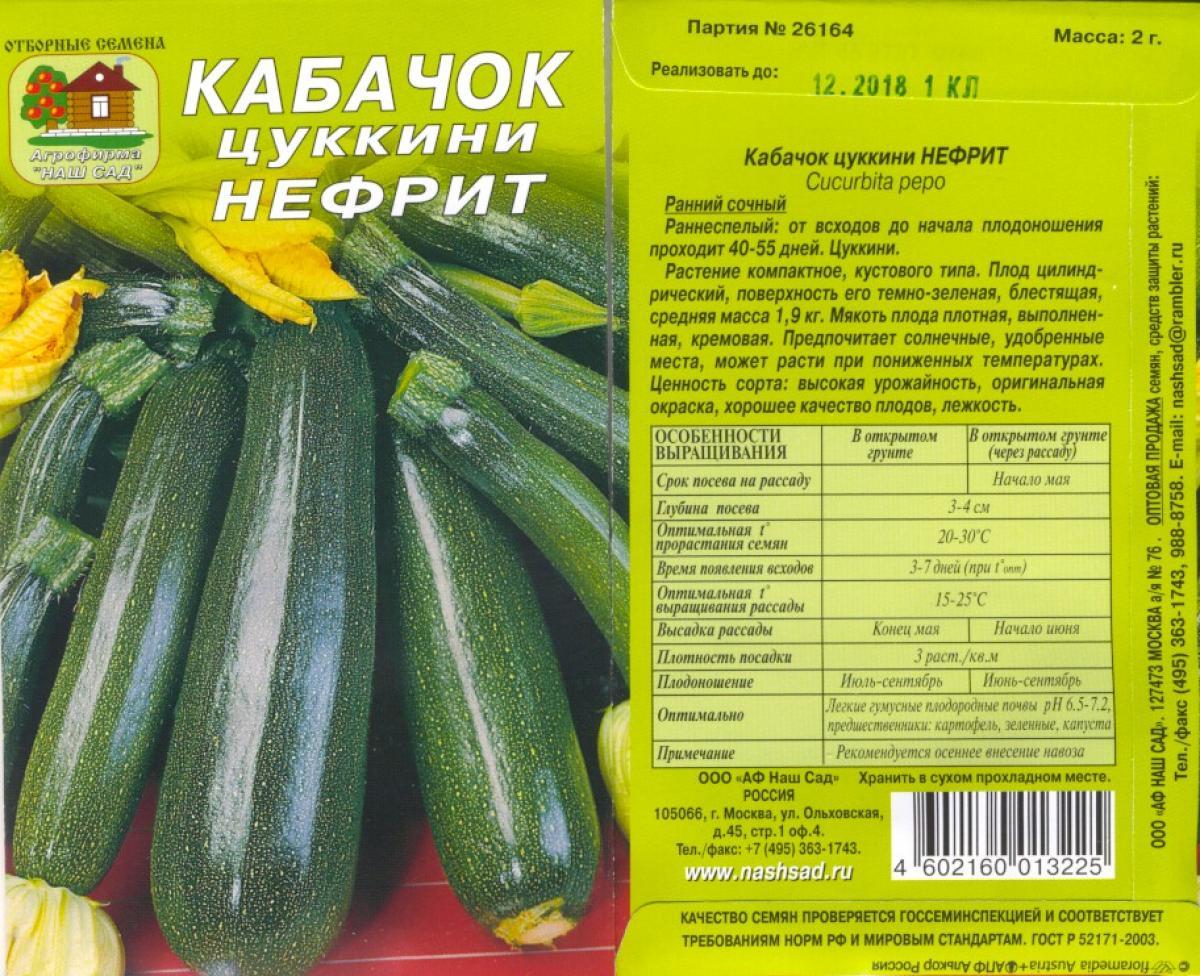
A European selection, it was approved for cultivation in our country in 1997. It's a zucchini cultivar. Ripe fruits are a rich, dark green. Jade is resistant to squash diseases, fruit rot, and bacterial hazards.

Black beauty
A young variety bred domestically. High yield and cold tolerance are combined with resistance to the main squash diseases: powdery mildew and various types of fruit rot. The fruits have excellent flavor and store well.
Spaghetti
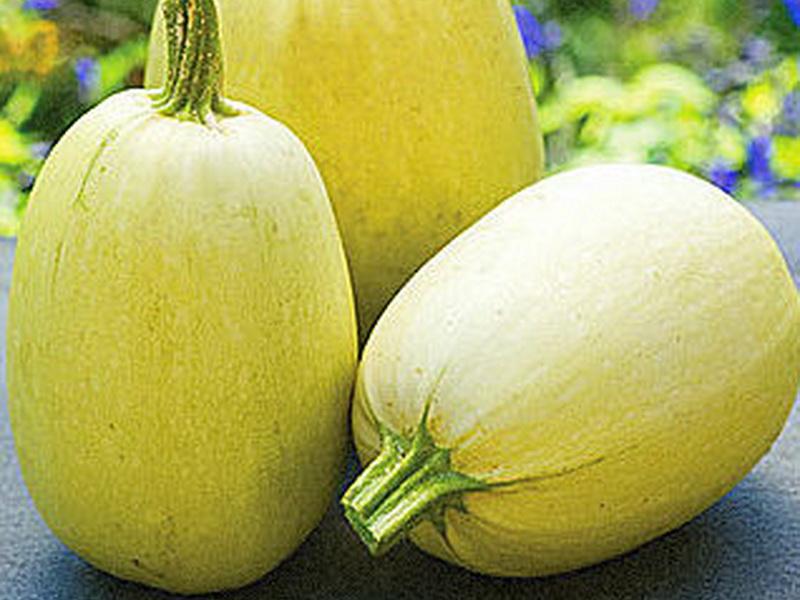
It's distinguished by the unusual appearance of its ripe fruit and flesh, which resembles noodles or spaghetti. It resembles a melon in appearance. It's popular among gardeners due to its ability to withstand drought and prolonged heat. Zucchini has a long shelf life and excellent flavor.

Late-ripening
These varieties of squash ripen late, but bear fruit until frost.
Walnut
A winter yellow-fruited variety, the ripe fruit resembles a pear with bright orange flesh. It ripens after picking, becoming sweet and aromatic by mid-winter.
Long-fruited
It boasts good immunity and resistance to fungal diseases and is a Ukrainian selection. It is versatile in use and has excellent flavor.
Tivoli F1
A hybrid variety of spaghetti squash. The fruits resemble melons. They respond well to fertilizer, have a long shelf life, and have high yield potential. They form vigorous bushes.
Zucchini
Zucchini and squash are closely related crops. The main difference is that zucchini grows only as bushes, while squash is a trailing plant that requires less care. Zucchini doesn't store well; it's ready to eat immediately, fresh or with minimal cooking.
The choice of what to plant, zucchini or squash, depends on the purpose of using the finished fruits.
Reviews
Maria Aleksandrovna Scheglova, Nizhny Novgorod, 37: "I started growing zucchini in my garden after the birth of my second child. At one year old, my little one began experiencing serious health problems and developed food allergies. We resorted to homemade zucchini puree, as ready-made baby food options weren't enough to satisfy our picky eater. I grew the Aeronaut variety. It had excellent flavor, didn't require much care, and even tolerated our poor clay soils in Nizhny Novgorod. The fruit lasted until November without losing its flavor. I highly recommend it."
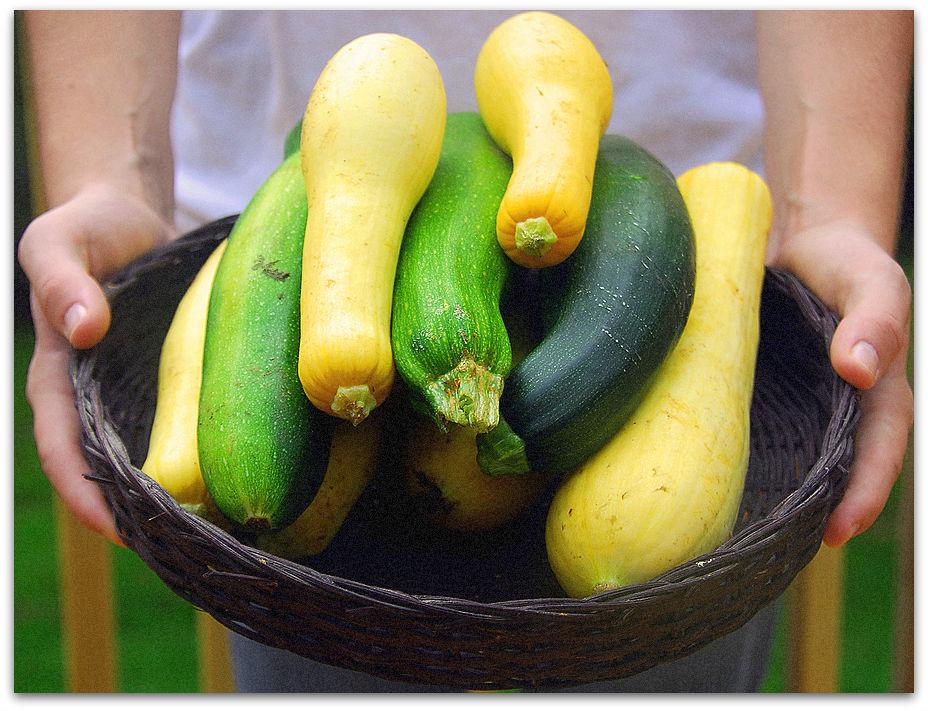
Alexander Yuryevich Ponomarev, Moscow, 57: "I've been growing zucchini at my dacha for over 30 years. I plant no more than 10 plants, always preferring proven domestic varieties. I recently experimented and planted five Spaghetti-type plants. The fruits are indistinguishable from melons. The flesh is delicious; if you separate it from the seeds, it's edible. And these wonders of nature last until New Year's! So I'll surprise my guests with a zucchini miracle for New Year's!"
Answers to questions
Is it possible to plant zucchini in garlic beds?
Garlic is an excellent precursor and companion plant for zucchini and squash. Ideally, garlic beds should be used as a precursor after sowing bulbous vegetables for the winter. In late August or late September (depending on the climate and weather conditions in a particular region), garlic cloves should be buried in the soil and left to overwinter. The following year, in late spring, the garlic is harvested and zucchini is planted in its place. This is an example of successful crop rotation.
Related posts:
 Description of zucchini squash, growing and care instructions
 15 Best Step-by-Step Zucchini Recipes for Winter
 TOP 20 simple recipes for pickled zucchini for the winter
 How to cook fried zucchini with garlic for the winter, finger-licking good recipes and without sterilization
 Delicious step-by-step recipes for zucchini pickled like mushrooms for the winter
 TOP 13 delicious recipes for spicy zucchini for the winter
 Proper cultivation and care of zucchini in open ground, how to increase the yield
 What to do if the leaves of zucchini in open ground turn yellow and how to deal with it