
- History of appearance
- Description
- Distinctive features
- Size
- Taste
- Color
- Productivity
- Caloric content
- Features of cultivation
- Selecting and preparing soil
- Predecessors
- Additional digging and disinfection of the soil
- Planting diagram
- Germination of seeds
- Care
- Weeding and loosening
- Top dressing
- Harvesting and storage
- Varieties
- Aeronaut
- Tsukesha
- Zebra
- Sir
- Goldfinch
- Diamond
- Little black boy
- Yellow-fruited
- Nephritis
- Starling
- Pharaoh
- Banana
- Ronda
- Tiger cub
- Odessa-52
- Black beauty
- Preventive measures
- Advantages and disadvantages
- Reviews
Zucchini squash is a European variety of the vegetable. It is an annual herbaceous plant that is a subspecies of pumpkin. Today, there are many varieties of zucchini, varying in size, flavor, and skin color. This allows every gardener to choose the perfect variety based on their preferences.
History of appearance
Zucchini is a popular squash variety with excellent flavor. Originating in Italy, it means "little pumpkin." Zucchini was originally developed in Mexico.
Description
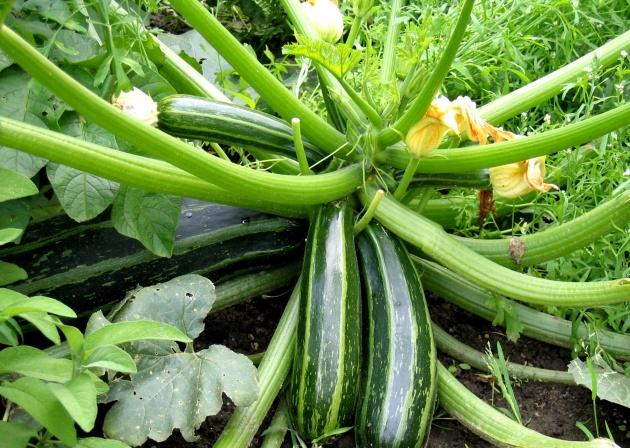
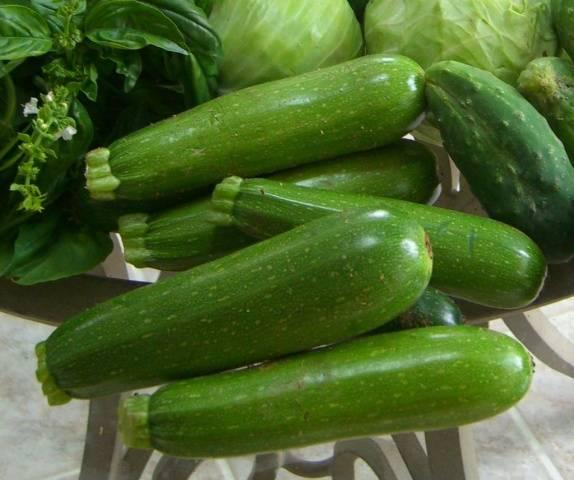
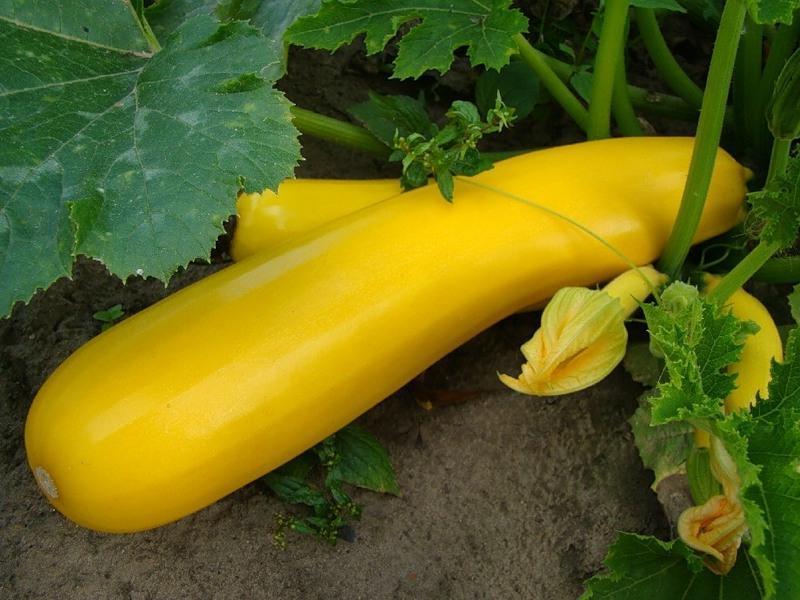
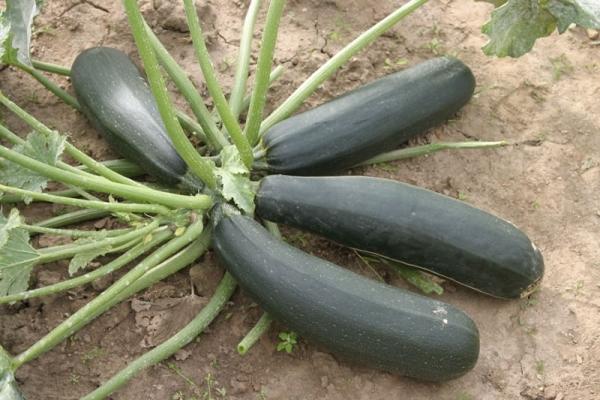
This crop belongs to the pumpkin family. Zucchini is characterized by its round or cylindrical shape and green hue. Sometimes, zucchini is striped and bright golden in color. The average height of a zucchini plant is 110 centimeters.
Distinctive features
Zucchini differs from squash in some features – taste and skin color.
Size
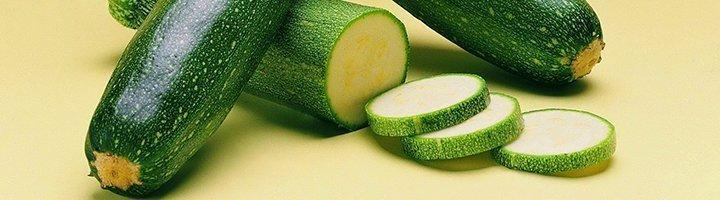
The plant is characterized by a compact size. The fruits are either oblong or round. Depending on the variety, they range in size from 10 to 30 centimeters.
Taste
Zucchini has a delicate flavor, making it suitable for eating raw, without cooking.
Color
The fruits are distinguished by their vibrant color—dark green or golden. Striped zucchini also exists.
Productivity
Zucchini yields significantly more than squash. With proper care, a single plant can yield 40-50 kilograms of fruit.
Caloric content
This vegetable is low in calories, making it suitable for dietary use. 100 grams of zucchini contains only 21 kilocalories.
Features of cultivation
Zucchini is best planted in well-lit beds. The crop is grown from seeds or seedlings.

Selecting and preparing soil
The selected plot should be dug over in the fall. Afterward, add manure that has rotted over the summer.
Potassium sulfate and superphosphate are also recommended. Wood ash is added to reduce soil acidity.
Predecessors
Zucchini shouldn't be planted after pumpkins. Tomatoes, cabbage, and legumes are the best predecessors.
Additional digging and disinfection of the soil
Before planting, the soil is dug over and leveled. It is also recommended to water it with a warm solution of potassium permanganate and add ammonium nitrate.
Planting diagram
In light soil, the depth of the holes is 5-6 centimeters, in heavy soil – no more than 4. 1-2 plants are planted per 1 square meter.
Germination of seeds
Even in the temperate zone, seeds are planted directly in the soil. First, it's recommended to soak them for several days. To do this, wrap the seeds in a damp cloth, which is periodically moistened with water.
Care
To ensure a full harvest, the crop requires proper care. A number of rules are followed for this.
Weeding and loosening
The soil should be loosened every two waterings. The beds should be weeded. Starting in the first half of July, remove about a third of the leaves, which interfere with pollination and soil warming.
Top dressing
Fertilize twice. Fertilize the soil when the first leaves appear. The second time is two weeks later. Mineral or organic fertilizers are suitable for this purpose.
Harvesting and storage
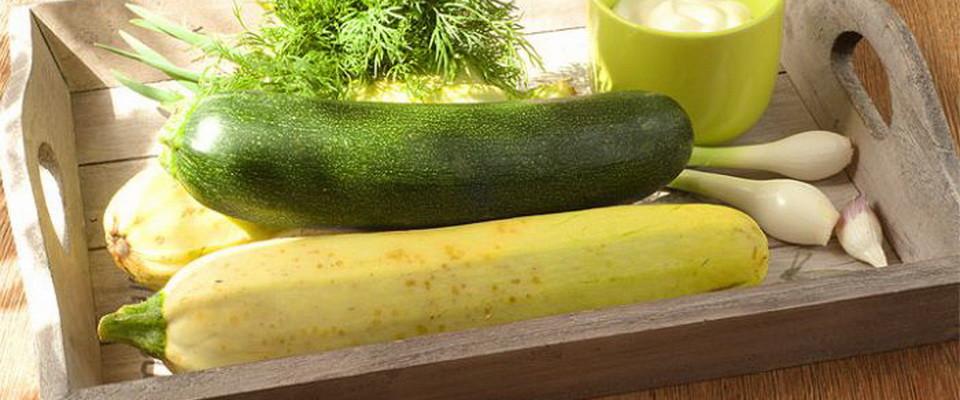
It's recommended to harvest at least once a week. Fruits less than 20 centimeters long are eaten fresh. Larger vegetables should be processed and canned. Fully ripe zucchini is used for seeding.
Varieties
Today, there are many varieties of zucchini, allowing every gardener to choose the perfect one.
Aeronaut
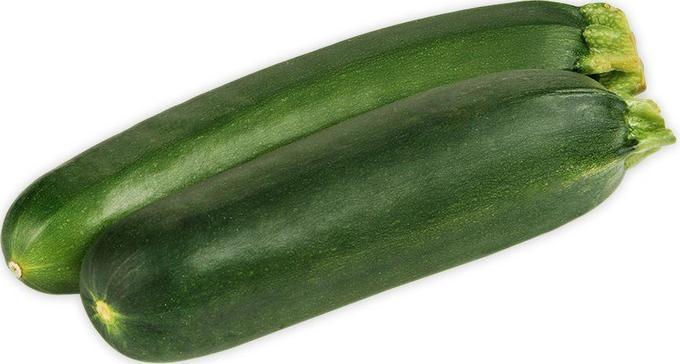
The crop is planted in open ground or grown in greenhouses. It produces dark green, cylindrical fruits with juicy, whitish-yellow flesh. A characteristic feature of the variety is its excellent transportability.
Tsukesha
This weakly branching crop is considered high-yielding. The fruits are harvested within 50 days of planting and store well for two months.

Zebra
This high-yielding crop produces its first fruits in just 38 days. They are light green and covered with dark stripes. The vegetables are easy to transport and the plant is also cold-resistant.
Sir
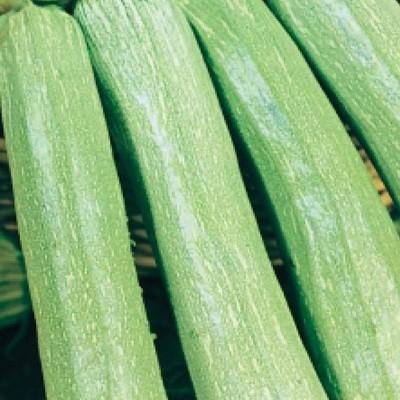
This popular variety is sought after by gardeners due to its high yield. The first fruits are harvested as early as 35 days. The bush is compact in size. The variety is characterized by a unique color and ribbed texture of the fruit.
Goldfinch
The fruits of this variety are characterized by a golden color and thick flesh with a sweet flavor. With proper care, the crop produces an excellent harvest that stores well.
Diamond
This is a high-yielding hybrid, classified as an early variety. Harvesting occurs in 40-47 days. The fruits are characterized by a smooth, even surface and very tender skin.
Little black boy
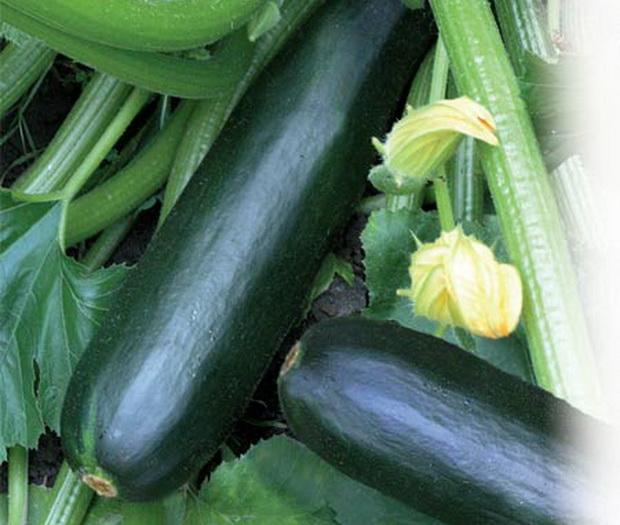
This high-yielding variety produces cylindrical fruits that are black-green in color. They have juicy, greenish flesh. The crop is resistant to powdery mildew.
Yellow-fruited
This variety is considered high-yielding. The fruits are cylindrical and have a rich yellow hue. These vegetables are rich in carotene.
Nephritis
This mid-season hybrid produces green fruits covered with light streaks. The pale creamy flesh is characterized by excellent flavor.
Starling
This variety is characterized by high yields. It produces uniform, smooth fruits with a cylindrical shape and juicy, tender flesh.
Pharaoh
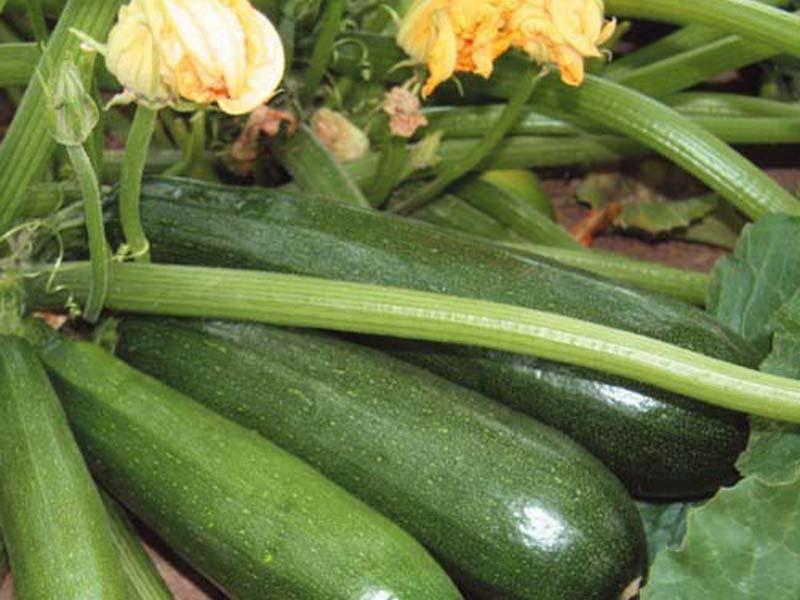
This early-ripening variety yields fruit in just 45 days. The fruits have a uniform structure and smooth surface. They are characterized by light spotting and juicy flesh.
Banana
This early-ripening variety produces golden-colored fruits, measuring 25 centimeters in length. The zucchini flesh is light yellow and has an excellent flavor.
Ronda
This variety is characterized by a long fruiting period. A wonderful harvest can be harvested throughout the season. The fruits are round and covered with dark stripes.
Tiger cub
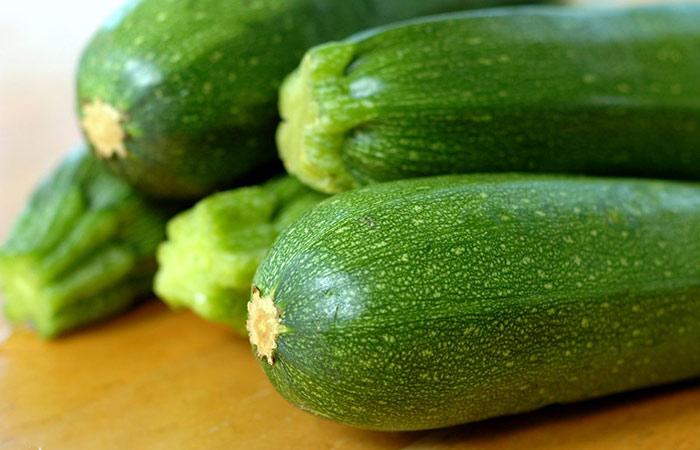
This variety is distinguished by its unique coloring, featuring light stripes on a green background. The fruits are cylindrical in shape and have tender flesh that contains many beneficial nutrients.
Odessa-52
Zucchini is characterized by its cylindrical shape and greenish hue. This variety is characterized by high disease resistance. The fruits are suitable for eating fresh or processing.
Black beauty
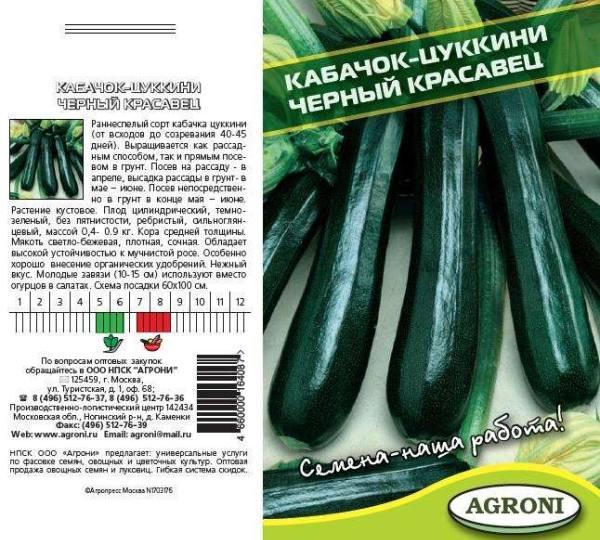
This variety is characterized by a long fruiting period and excellent yields. It can be planted in open soil. The fruits are dark green and smooth.
Preventive measures
To prevent zucchini diseases, follow these recommendations:
- adhere to crop rotation rules;
- avoid dense plantings;
- apply fertilizers correctly;
- water moderately;
- remove any remaining vegetation;
- loosen the soil.
Advantages and disadvantages
The advantages of zucchini include the following:
- excellent yield parameters;
- excellent taste;
- versatility;
- unpretentiousness;
- low calorie content;
- predominance of female peduncles;
- thin skin.
 Zucchini has no significant drawbacks. It's recommended to make the soil less acidic before planting. However, this doesn't take much time.
Reviews
Numerous reviews of zucchini confirm the benefits of this type of squash:
- Irina: "I really liked the Tsukesha variety. Even overripe fruits have tender flesh and are suitable for a variety of dishes."
- Nikolai: "I planted the 'Tigrenok' variety in my garden. It produces a quick harvest and has a unique coloring. Its advantages include its taste and long shelf life."
Zucchini is a wonderful vegetable with many advantages. It boasts excellent flavor, excellent transportability, and a long shelf life. The abundance of varieties allows every gardener to choose the perfect one.
Related posts:
 15 Best Step-by-Step Zucchini Recipes for Winter
 The best grape varieties for growing in the Urals, planting and care rules in summer
 How to properly plant zucchini in open ground, cultivation technology and care
 Descriptions of the 20 best cherry varieties for the Moscow region, their planting and care
 80 Best Eggplant Varieties for Different Regions with Descriptions and Characteristics
 Description and cultivation of the 15 best cherry plum varieties for the Moscow region, planting and care rules
 Description and characteristics of the 27 best plum varieties for the Urals, planting and care
 Description of the 30 best plum varieties for the Moscow region, planting and care