
- Reasons for circumcision
- Helping pollinators
- Prevention of fungal diseases
- Allow the sun to reach the fruits
- Redistribution of plant power
- Diseased leaves
- When
- The first stage
- Sanitary pruning
- Third
- Leaf pruning rules
- Secrets and recommendations
- Fertilizer
- Film
- Mulching
- Hand pollination
- Prevention
- Proper feeding
- Answers to questions
- Conclusion
Many gardeners grow zucchini. To ensure a good harvest, it's important to understand the growing process and whether it's safe to trim zucchini leaves.
Reasons for circumcision
There are several reasons why it is necessary to regularly trim the leaves of zucchini bushes.
Helping pollinators
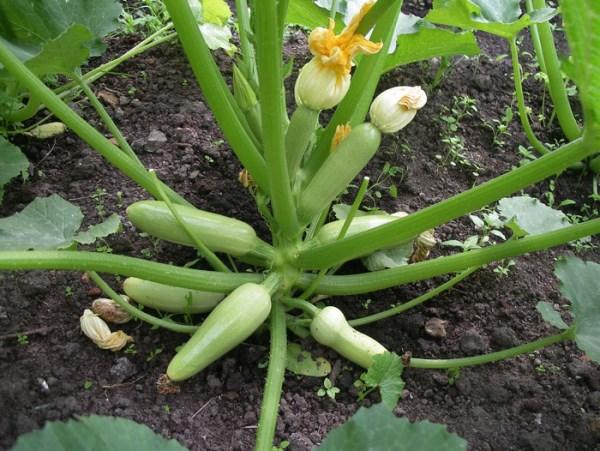
Many experienced gardeners recommend pruning foliage to help pollinators reach the flowers. This is done when the bushes have developed too many leaves, blocking access to the flowers. In this case, only those leaves that are near the flowers are removed.
Prevention of fungal diseases
Gardeners recommend deadheading to protect seedlings from diseases. This involves removing all foliage that touches the soil surface.
Allow the sun to reach the fruits
The speed of squash ripening depends largely on the amount of light the fruit receives. Sometimes the bushes are so overgrown with foliage that they completely block the squash from sunlight. This causes the crop to ripen much later.
To ensure that the fruits are better illuminated by sunlight, you will have to remove all the leaves that block the penetration of light.
Redistribution of plant power
The development of foliage on bushes consumes a significant amount of nutrients needed for ripening fruit. To distribute the plant's energy and direct nutrients to the fruit, it's necessary to pluck off excess leaves.

Diseased leaves
Zucchini foliage should be removed if yellow or dark spots appear on the surface. This type of spotting most often indicates a fungal disease, which can lead to the death of the seedlings. To prevent the disease from spreading to healthy parts of the plant and neighboring plants, remove and burn the affected leaves.
When
People planning to remove the leaves from their zucchini seedlings are wondering when the best time to do so is. The procedure is carried out in three stages.
The first stage
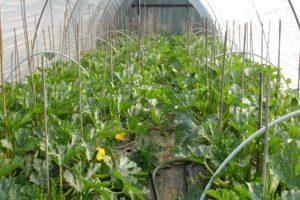
The first time you should trim the leaves from the seedlings is when the flowers bloom. This initial pruning is done to allow sunlight to better reach the flowers. Pruning should be done during the day, on sunny days. Avoid removing leaves on cloudy days, as the cuts will dry out slowly. The first pruning involves removing large leaves located above the flowers.
Sanitary pruning
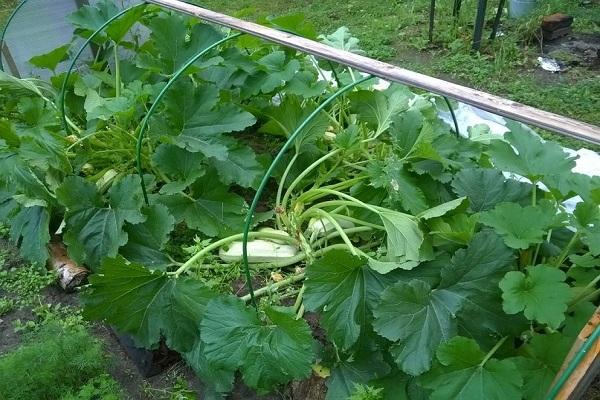
The next stage of leaf removal is called sanitary pruning, as it is performed to prevent the development of dangerous diseases. Before removing the leaves, carefully inspect the seedlings to identify any green matter that needs to be trimmed. All yellowing, damaged, and drying shoots should be removed.
It is also necessary to pick off deformed leaves that have dark spots or a white powdery coating on their surface.
Third
The third time, the foliage should be pruned after the first fruits begin to form. Many gardeners consider this stage the most important, as during pruning, not only the leaves are removed but also any deformed ovaries. Before pruning, carefully inspect the planted zucchini and select the ovaries for removal.
Leaf pruning rules
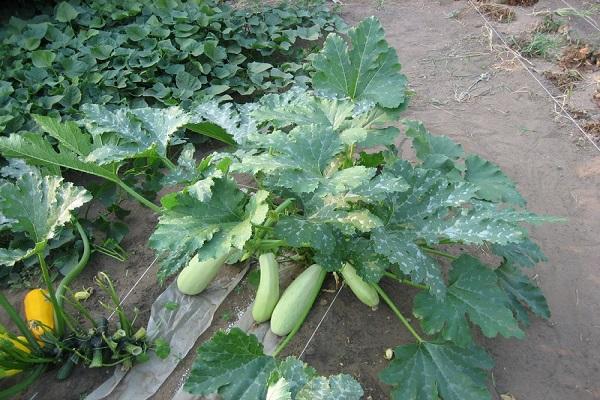
To properly prune zucchini plants, you need to familiarize yourself with the basic rules for removing foliage. These include:
- Foliage is removed only from mature bushes that have been growing in the garden for about a month. Pruning young seedlings is contraindicated, as it can negatively impact their growth and the subsequent development of vegetable fruits.
- The foliage located in the center of the bushes is trimmed very carefully so as not to damage the stems, from which fruiting shoots may grow in the future.
- The work must be done with specialized tools. People who grow zucchini annually recommend removing the leaves with specialized scissors. Manual removal is contraindicated to avoid damaging the seedlings.
- It is necessary to remove the largest leaves, as they consume the most nutrients and shade the fruits.
- If all the leaves on a branch are covered with yellow spots, the entire branch will have to be cut off.
- Cut sites must be disinfected to prevent the seedling from becoming diseased. To do this, coat the cuts with cinnamon or treat them with a weak solution of potassium permanganate. A solution of bleach, brilliant green, and diluted alcohol are also good disinfectants.


Secrets and recommendations
Before planting zucchini, you need to familiarize yourself with the main secrets and recommendations for growing this vegetable crop.
Fertilizer
Planted zucchini need to be fertilized three times per season:
- Fertilizer #1. The seedlings are first fertilized a few weeks before flowering. A fertilizer made from mullein is used. To make it, add 500 milliliters of mullein to a ten-liter bucket of water. This is enough to fertilize 3-4 bushes.
- Fertilizer #2. The next time you need to fertilize your zucchini plants is when they flower. To do this, prepare a fertilizer mixture of wood ash and water. Apply five liters of fertilizer to each plant.
- Fertilizer #3. The final fertilizing is done during fruit formation and ripening. In this case, mineral fertilizers such as urea, potassium sulfate, and superphosphate are used.
Film
Some vegetable growers recommend covering the beds of zucchini with plastic film in the spring. This is done to protect the young seedlings from the cold. Before laying the film, special holes are cut in it to allow the plants to grow through.
The film is removed from the garden in the second half of May, when the night temperature does not drop below 10-15 degrees.
Mulching
The following materials are used for mulching zucchini:
- Pine bark. Many vegetable growers use pine bark as mulch. It is chopped into small pieces and scattered over the beds. The mulch layer should be 3-5 centimeters thick.
- Straw. To protect seedlings from frost, mulch them with straw. The mulch layer should be 5-8 centimeters thick.
- Hay. Dried hay is considered the best organic mulch. It not only retains moisture in the soil but also enriches it with nutrients.
Hand pollination
Zucchini grown in greenhouses must be pollinated by hand. To do this, carefully remove the male flower and remove all the petals, leaving only the pollen-bearing stamens. After this, gently rub the female flower with the male flower to release the pollen.

Prevention
Zucchini, like most other vegetable crops, requires preventative measures against fungal diseases. To prevent zucchini seedlings from becoming infected, they should be regularly treated with fungicides. Also, to prevent the development of diseases, weeds are regularly removed from the area.

Proper feeding
For feeding zucchini it is necessary to use:
- Yeast solution. To create a feeding solution, add 45 grams of yeast and sugar to 7-8 liters of water. Let the mixture sit for 1-2 hours, then water the zucchini.
- Superphosphate. Add 50 grams of superphosphate with boric acid to a bucket of warm water and stir for 5-10 minutes. Pour the mixture under the roots of the seedlings.
- Wood ash. To improve vegetable yields, sprinkle wood ash on the soil. It can also be used to make a fertilizer solution for watering seedlings.

Answers to questions
There are several questions that interest people planning to harvest zucchini leaves in open ground:
- How often should I trim the foliage? Leaf removal should be done no more than once every 2-4 weeks.
- Is it necessary to remove the lower leaves? The foliage located at the bottom of the bush must be removed because it comes into contact with the soil.
- Should I remove the top leaves? Only the largest leaves, which shade the fruit and flowers, are removed from the top.
Conclusion
When caring for zucchini, it's important to trim the leaves periodically. To do this correctly, you need to understand the best time to do this and familiarize yourself with the basic pruning rules.
Related posts:
 How to prune grapes step by step for beginners
 Description and characteristics of the best seeds of pea varieties and types
 The benefits and contraindications of lentils for the human body
 Rules for growing tomatoes in open ground, choosing a variety, planting and care
 How to treat grapes for mildew, the best control measures and treatment rules
 Description of blight-resistant tomato varieties for open ground and greenhouses
 How to choose a tomato variety for growing in Ukraine and when to plant seedlings
 Description of currant diseases and pests, control methods and treatment