
- Peculiarities
- Zucchini varieties for greenhouses
- Early ripening
- Mid-season
- Late-ripening
- Self-pollinating varieties
- Growing zucchini in a greenhouse
- What kind of greenhouse do you need?
- Soil preparation
- How to prepare seedlings
- Transplanting
- Pollination
- Care
- Temperature conditions
- Watering
- Top dressing
- Diseases and pests
- Harvesting
Zucchini is a versatile vegetable. It can be grown both outdoors and in greenhouses. Many factors influence the yield, including choosing the right greenhouse and caring for the zucchini in the greenhouse.
Zucchini is widely used in a variety of dishes. Thanks to its neutral flavor, zucchini can be flavored with various ingredients, such as pineapple, mushrooms, and more.
Low in calories, it's often used as a staple in dietary meals. Stews and caviar aren't the only dishes made from this vegetable. Zucchini is also used in appetizers, main courses, and even jam.
Peculiarities
Zucchini plants grow rapidly. If there are too many leaves, some may need to be trimmed off.
Harvesting is done when the zucchini are still small, twice a week.
Zucchini varieties for greenhouses
When choosing seeds for growing indoors, gardeners prefer bush hybrid varieties. They require minimal space and produce a bountiful harvest.

Early ripening
Suitable for both traditional and greenhouse cultivation, these varieties produce an early harvest.
Varieties:
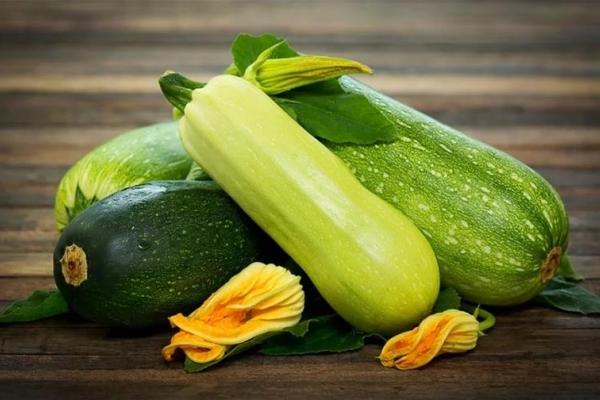
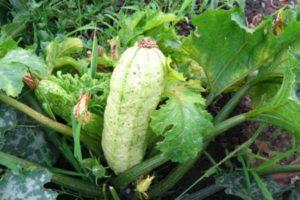
- The White-fruited variety produces a large harvest in greenhouse conditions. It is a bushy, low-growing variety. The fruits are cream-colored.
- Kavili is a high-yielding hybrid that is resistant to pests and diseases. It is used for canning.
- Waterfall – distinguished by its bright green color. The growing season lasts two months. During this period, additional feeding is required.
Mid-season
Main varieties:
- Kuand is intended exclusively for indoor cultivation. The fruits are small and regular in shape. They are green with light stripes. This is a high-yielding variety.
- Mini zucchini are hybrids that grow well indoors. The fruits are small and juicy.
- Gribovskie is the most successful variety for growing indoors. It produces a bountiful harvest and is resistant to temperature fluctuations.
Late-ripening
Types:
- Spaghetti Raviolo. Mature fruits grow up to 22 centimeters.
- The walnut tree bears fruit on the 100th day. The seeds are planted directly in the greenhouse.

Self-pollinating varieties
Varieties that do not require pollination are Iskander F1, Sukha F1, Parthenon F1.

Growing zucchini in a greenhouse
Greenhouse-grown zucchini has a sweet, delicate flavor. Transplanting seedlings into a greenhouse shortens the growing season. While the variety ripens in 45 days in the garden, the fruits can be harvested in a month in a greenhouse.
It is important to remember that in closed ground the yield increases several times.
If all the rules are followed, vegetables can be grown in a greenhouse without fear of pests. In open ground, they are much more common.
What kind of greenhouse do you need?
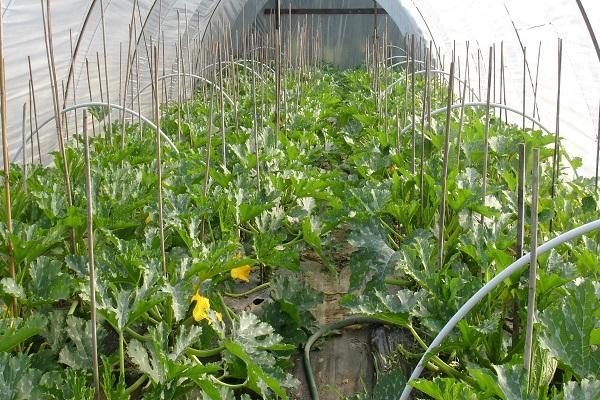
Zucchini is a vegetable that's undemanding when it comes to growing conditions. Zucchini grows and produces fruit well in polycarbonate greenhouses. Building your own greenhouse will yield just as much.
The height of the structure doesn't matter. The main thing is to leave a wide opening between the plants to make caring for the zucchini easier.
To get a good harvest, 50 square meters are required.
If you plan to grow the crop during the winter, you'll need a specially equipped greenhouse with a foundation and heating. The greenhouse should have several vents for ventilation.

Heating can be provided by a wood-burning boiler, stove, or domestic heater. Expensive greenhouses are equipped with special automatic drip irrigation systems.
A good option for heating greenhouses is biofuel made from goat, pig, or cow manure. It should be mixed in equal parts with straw, spread into piles, watered thoroughly, and covered with plastic wrap. Let it sit for several days. After this, remove the top layer of soil from the greenhouse. Spread the resulting mixture evenly and cover with soil.
This layer not only warms the plant roots, but also serves as fertilizer.
Soil preparation
Zucchini requires light, loose soil with a neutral pH. Wood ash or compost can be used as fertilizer.
The ideal option is complex mineral fertilizers (superphosphate). Before using the fertilizer, it's important to read the ingredients. Fertilizers containing chlorine are unacceptable.
How to prepare seedlings
Zucchini is grown in greenhouses using seedlings. To prevent injury, seedlings are transplanted into peat pots or pellets during transplanting.
Thanks to its resistance to temperature fluctuations, sowing can be done early. If heated, it can be done year-round.
Watering – as the top layer of soil dries out.

Transplanting
On the 25th day of growth, the seedlings can be transplanted into the ground. Plant the zucchini at a slight distance from each other, depending on the variety. Leave a space between the rows.
Pollination
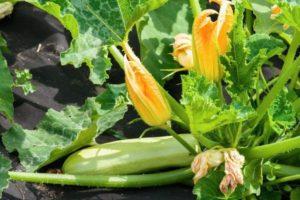
Flowers come in both male and female varieties. Male flower stalks mature 10 days later than female ones. To avoid wasting time, a small portion of the seeds is sown a week earlier.
For effective pollination, you can place a beehive in the greenhouse. If this is not possible, pollinate by hand. One flower with stamens is enough to pollinate five female inflorescences.
Care
You can achieve the required soil moisture level by mulching. This can be done with hay or sawdust. However, it's better to use a special fiber or film. The material should be the correct size for the bed. First, calculate the placement of the plants and poke holes through it. Lay the film on the soil and begin planting the zucchini. The film will retain the soil's warmth, which is essential for root growth and development. Watering is done through the holes.
On warm, sunny days, the greenhouse needs to be ventilated. Insects will enter through the window for pollination.
Zucchini plants should be trained by removing the lower leaves. The plant should have 15 fully formed leaves remaining.
Temperature conditions
The plant requires warmth and humidity. The optimal temperature for normal growth and development is 18-24 degrees Celsius. Humidity should be maintained at 60-70%. If the greenhouse is too hot, the zucchini will drop their ovaries. Low temperatures will slow growth.
Watering
Watering should be done once a week as the top layer dries. Increase the frequency during summer. The water should be settled and at room temperature.
Top dressing
Don't overdo it with fertilizer. Constantly adding fertilizer will result in excessive leaf and shoot growth, which will negatively impact fruit set and harvest yield. The plant begins bearing fruit very early, so the fertilizer applied before planting will be sufficient.
Well-rotted manure and grass are good sources of additional nutrients. Mineral supplements, available at gardening stores, are also a good choice.
Fertilizers containing nitrogen promote the growth of green mass and inhibit the formation of ovaries.
Diseases and pests
When leaves turn yellow and the buds rot, this signals the development of a disease. The most common are:
- powdery mildew;
- bacteriosis;
- rot.
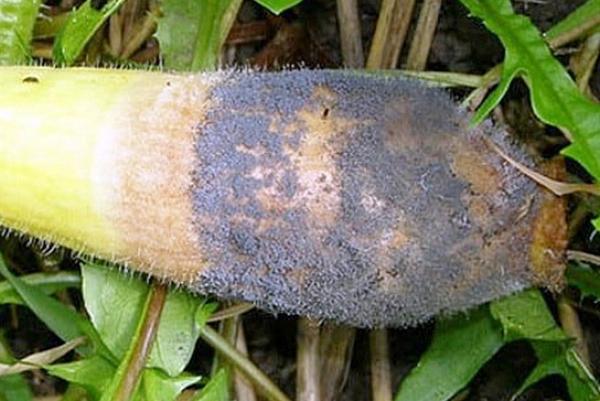
Bacterial rot develops when humidity in the greenhouse is high. It primarily attacks the root system. The roots rot, leading to the death of the entire plant.
Pests that damage zucchini include spider mites, melon aphids, and slugs. You can control these pests using traditional methods or purchase a specialized pest control product from the store.
Harvesting
The most anticipated and joyful time for a gardener is harvesting. As soon as the zucchini reaches the desired size, they should be picked. They can be used whole for cooking; they are seedless and have thin skin. Don't wait until they become overgrown.
Watering should be stopped completely 5 days before harvesting. This improves the vegetable's flavor—it won't be watery.
Vegetables must be cut very carefully, without damaging the vines or inflorescences. A sharp knife is best. It's important to remove all ripe fruits during harvesting, even if they are malformed or unsightly, as they inhibit the development of new fruits.
When harvesting, it's important not to damage the delicate skin, as this affects the shelf life. After harvesting, store in special containers. Separate each layer of zucchini with special paper.
You can start growing with a homemade greenhouse, and if you enjoy it, build a full-fledged greenhouse. Experimenting with varieties can help you achieve high yields.
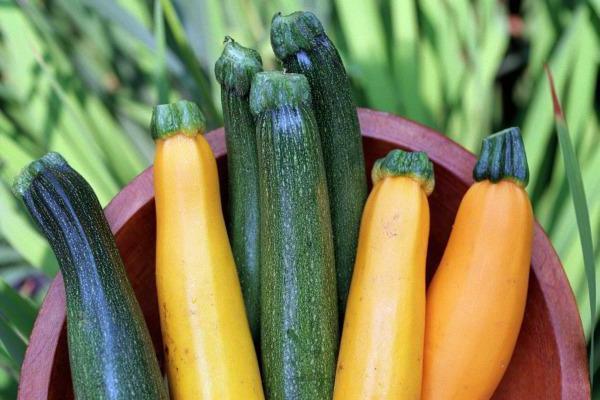 Growing zucchini in a greenhouse is a great idea for a promising business.
Related posts:
 TOP 20 simple recipes for pickled zucchini for the winter
 How to cook fried zucchini with garlic for the winter, finger-licking good recipes and without sterilization
 Descriptions and characteristics of round zucchini varieties, growing and care rules
 Amazing recipes for zucchini in tomato sauce for the winter, you'll lick your fingers, with and without sterilization
 TOP 13 delicious recipes for spicy zucchini for the winter
 A recipe for quickly preparing lightly salted zucchini in a bag, saucepan, or jar, along with storage instructions.
 Simple recipes for marinating zucchini in mustard dressing for the winter
 21 step-by-step recipes for making zucchini jam for the winter