
Zucchini, a type of pumpkin, came to Europe from Mexico and quickly took root in many countries. They are planted in summer cottages, country plots, and fields. Although it's believed that any gardener can grow these oblong fruits, problems sometimes arise: zucchini leaves curl, and then the stems begin to dry out. This can occur at various stages of the plant's development, leaving you without tasty and nutritious vegetables. If you immediately identify why zucchini leaves are turning yellow in the open ground and take steps to save the plant, the problem can be solved.
Incorrect watering of garden crops
Not everyone can afford to spend the entire summer at their dacha. After planting vegetables, many gardeners visit their plot a couple of times a week. Arriving at midday in hot weather, they immediately turn on the pump and begin watering the beds. This type of irrigation causes the zucchini leaves to curl and dry out due to sunburn. To irrigate, they need to find time in the morning or stay at the dacha until late in the evening.
After watering and weeding, the bed should be covered with straw or mulched with peat, then less water will evaporate.
The leaves of zucchini seedlings are turning yellow
Although the pumpkin family is demanding of light, the above-ground portion of the plant will change color if exposed to scorching sun for more than six hours. A cover helps protect zucchini from sunburn in extreme heat. If planted too densely, they lack air circulation, causing the plants to turn yellow prematurely and lose their leaves. To prevent zucchini death, thin the beds.

Not all regions have time to ripen vegetables in the open ground. Therefore, zucchini seeds are first sown in a greenhouse or in boxes placed on a balcony or loggia. Sprouts appear within a few days, delighting with their young greens. However, some gardeners often complain of yellowing zucchini seedlings.
This phenomenon is observed:
- when there is a lack of space;
- due to poor lighting;
- due to a deficiency of microelements in the soil.
Seedlings that have not had time to get stronger often suffer from powdery mildew. disease of zucchini It develops when fungi begin to proliferate under high humidity. Young leaves become covered with yellow spots, causing them to wilt fairly quickly. If affected zucchini plants are not treated with copper oxychloride, they will die. To prevent downy mildew, zucchini seeds should be disinfected before sowing.
If your seedlings have yellow leaves, the color may simply be due to insufficient light. Installing a supplemental light can solve this problem.
Young bushes need to be regularly ventilated and fed; a spray bottle should be purchased to water the soil in a box or greenhouse.
Why do zucchini fruits turn yellow?
In some regions, constant rainfall occurs when vegetables begin to ripen. Plant growth is significantly delayed, and the fruit may rot. Zucchini thrive in water, but if the fruit turns yellow prematurely, the soil is likely too wet, and watering should be stopped.


Ripe vegetables have a green tint; when overripe, zucchini:
- turn yellow;
- change the density;
- lose their taste.
Zucchini respond well to organic matter, accelerating growth, but exceeding the recommended fertilizer application rate negatively impacts the quality of the fruit.
Downy mildew on leaves
Cool, damp weather encourages the development of fungal diseases in tomatoes and zucchini. After a long-awaited rain, healthy green plants sometimes suddenly turn yellow and take on a pitiful appearance. Small spots appear on the underside of the leaves and quickly spread throughout the entire leaf. This is a clear sign that the zucchini is developing powdery mildew.
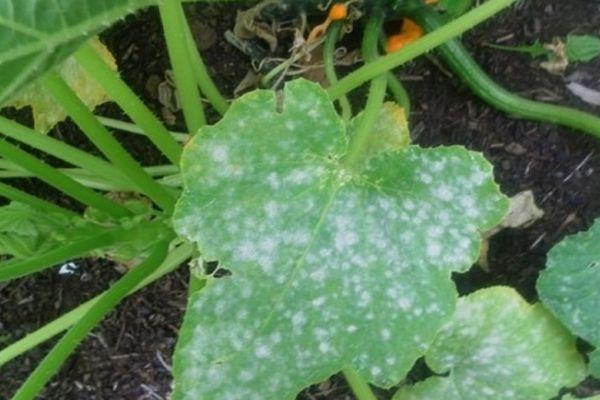
If urgent measures are not taken, entire plantings can be destroyed. Yellow spots on zucchini leaves spread rapidly, and the plants quickly wither.
In addition to rain, the following factors contribute to the appearance of downy mildew in zucchini:
- heavy dew;
- frequent fog;
- garden beds not cleared of weeds.
If pumpkins are grown in conditions with constant rainfall and waterlogged soil, the seeds should be soaked in warm water before planting. Powdery mildew can affect squash not only in the garden but also in greenhouses, often killing seedlings for this very reason.

Controlling downy mildew in zucchini is very difficult. Spraying with Bordeaux mixture is effective only in the first few days of the disease's onset. Stronger plants are less susceptible.
Necessary feed the zucchini, if the leaves turn yellow due to a lack of nitrogen, phosphorus or other microelements, which is observed when they are grown in poor, depleted soil.
High humidity and sudden weather changes weaken the immunity of pumpkin crops. Under these adverse conditions, zucchini should be fertilized and sprayed with copper oxychloride before the leaves turn yellow; otherwise, there's no chance of a harvest.
Zucchini suffer from aphid infestations and wireworm attacks. At the first sign of pest presence, they must be dealt with immediately, otherwise the plants will die within days.
Why do zucchini taste bitter?
When ripe, pumpkins become juicy, and their sweet flesh makes delicious pancakes, caviar, salads, and casseroles. The vegetables are used in a variety of dishes, canned, and pickled.
But sometimes they are impossible to eat, but gardeners do not understand, Why do zucchini taste bitter?When growing this popular vegetable, a decline in flavor is often attributed to hot, dry summers, when the number of female flowers increases. Not everyone knows how to deal with this problem. Care recommendations somehow miss key points. If plants from the same family are planted nearby, they pollinate each other, replacing the work of bees.


Bitter zucchini shouldn't be thrown away. They can be eaten after soaking in salt water. Causes of flavor loss include overwatering, underwatering, and insufficient nutrients, which can stunt growth and prevent the zucchini from ripening.
Overfertilization causes plants to turn yellow, and the fruit to become watery and tasteless. It's helpful to spray pumpkins with "Zavyaz" (fertilizer), and water zucchini plants with a solution made from urea, boric acid, and copper oxychloride. One teaspoon of each of these substances per bucket of water is sufficient.
Methods for combating yellowness
To solve the problem, you first need to determine the cause. Zucchini seedlings discolor and die if placed in acidic soil, so it's best to buy soil from a specialized store. Young sprouts turn yellow when there's insufficient light. There's no need to treat this; simply move the box containing the zucchini seedlings to a sunny window.
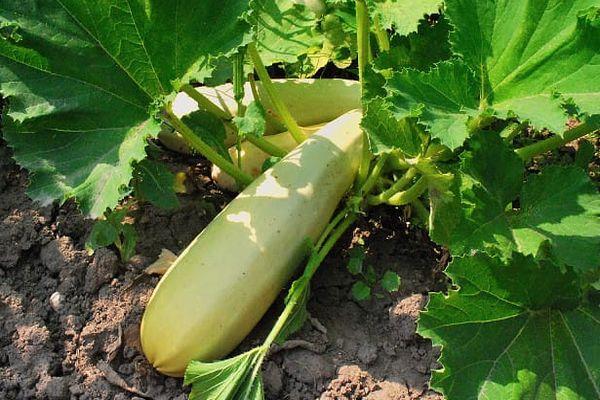
To help zucchini establish quickly in the garden, they require a lot of nutrients. Therefore, add compost to the hole. Mature plants also need to be fertilized several times a season.
If there is a lack of moisture, zucchini turns yellow, but they also dry out if there is stagnant water or if they are exposed to drops in hot weather.
Timely weeding not only accelerates vegetable growth, but also protects it from diseases caused by pathogens that live on weed stems.
Zucchini turn yellow uniformly when there's a nitrogen deficiency. You can feed the plants with ash; the organic matter also fights pests and reduces soil acidity.
Many problems can be addressed with folk remedies. If yellowing of leaves or the formation of holes in them, which is observed with anthracnose, zucchini plants are treated with Bordeaux mixture or sprayed with a colloidal sulfur solution. Affected plants are uprooted and destroyed.

If oily spots covered with a whitish coating appear, stop watering the zucchini, as this indicates the development of downy mildew. Copper oxychloride or chemical preparations such as Polycarbocin, Oxychom, or Topaz are used to treat the disease. Zucchini crops are fed with complex fertilizers containing:
- molybdenum and zinc,
- phosphorus and boron;
- potassium and nitrogen.
In case of significant plant damage by powdery mildew, alternate systemic and contact fungicides.

Spider mites love to feast on leaf sap, causing the leaves to turn yellow and dry out. Various pest control methods are used to eliminate the pests:
- Mix 1 kg of ash and a grated bar of laundry soap in 10 liters of water. Apply the solution to the above-ground parts of the zucchini.
- The chopped tops of healthy potatoes are left to soak for 10 days under a lid. The zucchini plants are sprayed daily.
- Make a decoction from chamomile flowers and a bucket of water, adding wood ash and a few garlic cloves. Use it after a week.
Zucchini turn yellow and curl up when melon aphids accumulate. Tiny insects feed on the sap of stems and ovaries, causing plants to quickly dry out. To combat the pests, beds are sprayed with fungicides such as Intavir, Decis, and Iskra, and treated with infusions of yarrow and tobacco.
Preventive measures
Preventing greens from drying out is easier than dealing with diseases and pests. Soil and fertilizer influence the growth and development of zucchini, and weather also has varying effects on the plant's condition.
Fertilizing the shoots helps develop the root system and strengthen the plant's immunity. To reduce the risk of zucchini diseases that cause yellowing and drying, it's important to follow crop rotation guidelines, remove stem debris, and remove weeds.

Tips from an experienced gardener
Landowners who have been growing zucchini for years say that a good harvest can only be achieved with proper farming techniques and care. For those planting vegetables for the first time, some expert advice will come in handy:
- Before planting seeds, you need to prepare your garden. Soil and fertilizer affect the taste and size of the fruit.
- Pumpkin crops respond well to the addition of organic matter.
- Zucchini need watering, but do not tolerate stagnant moisture.
- For irrigation, you should use heated and settled water.
Leaves turn yellow and stems dry out when plants are undernourished or grown in acidic and depleted soil. Lack of proper care leads to zucchini becoming infected with fungal and viral diseases and suffering from pest infestations.
Related posts:
 TOP 20 simple recipes for pickled zucchini for the winter
 How to properly plant zucchini in open ground, cultivation technology and care
 Proper cultivation and care of zucchini in open ground, how to increase the yield
 What is the best way to feed zucchini in open ground and greenhouses during flowering and fruiting?
 How to cook fried zucchini with garlic for the winter, finger-licking good recipes and without sterilization
 How to control pests and treat diseases of zucchini in open ground
 TOP 13 delicious recipes for spicy zucchini for the winter
 21 step-by-step recipes for making zucchini jam for the winter