
- For fresh consumption
- Gold Roche F1
- Goldline F1
- Sunlight F1
- High-yielding varieties
- Russian size
- Anchor
- Goldfinch
- Unusual varieties of yellow zucchini
- Banana
- Orange
- Pear-shaped variety
- Spaghetti
- Pineapple
- Marshmallow
- Golden comb
- The best bush varieties for growing outdoors
- Aeronaut
- White
- Waterfall
- Odessa
- The best self-pollinating parthenocarpic species
- Kavili
- Jellyfish
- Parthenon
Plants in the Cucurbitaceae family are popular among gardeners. Yellow zucchini varieties have recently appeared in gardens and have quickly become popular thanks to their unusual color and fruit texture. They adorn the garden with their bright yellow pumpkins, hidden beneath dark green foliage. Zucchini tastes better than their green counterparts. They can even be eaten fresh or used for culinary purposes.
For fresh consumption
Breeding has resulted in varieties with such tender flesh that it can be eaten without cooking. Sliced zucchini makes a great addition to salads and side dishes. These zucchini varieties were developed by international biologists.
Gold Roche F1
This variety from the Dutch series of zucchini is distinguished by:
- thin yellow skin;
- tender, sweetish pulp of a creamy color;
- fruit length up to 18-20 centimeters;
- ripening within 49 days from the date of emergence;
- yields of 12 kilograms per 1 square meter.
The tender pulp is used in salads. Zucchini is also suitable for canning. Interestingly, the pumpkin's skin doesn't harden, but remains soft during long-term storage.
Goldline F1
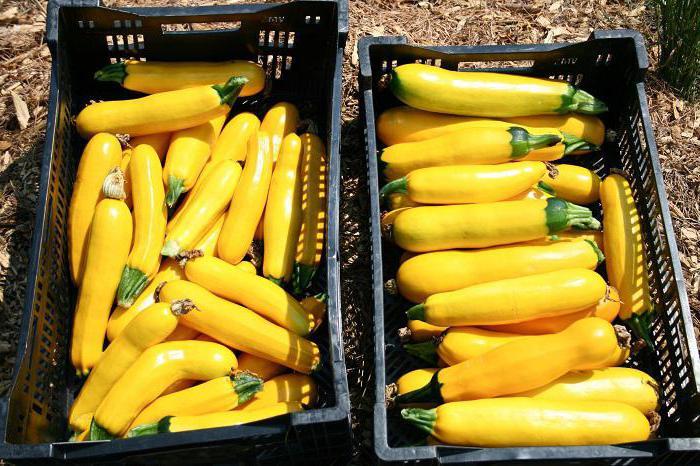
This Czech-bred hybrid produces golden-yellow pumpkins. The cylindrical fruits reach 20-30 centimeters. These pumpkins are renowned for their sweet, juicy, cream-colored flesh, rich in carotene and other vitamins and microelements. This variety is prized for its ease of cultivation, high yield, and early ripening time.
Sunlight F1
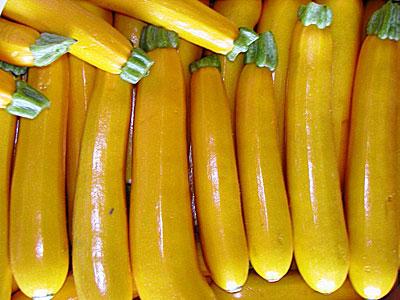
The slender fruits of this hybrid, developed by French biologists, are 5 centimeters in diameter and 15-18 cm long. The thin skin of the zucchini conceals dense white flesh. The seed chamber inside is almost invisible.
The fruits reach technical maturity 40-45 days after emergence.
The crop produces fruit well in open ground and requires moisture, warmth, and light. It is noted for its resistance to diseases.
High-yielding varieties
If you're fond of yellow-fruited zucchini, choose varieties that produce the most pumpkins. Then you can enjoy the fruits fresh in the summer, improving your diet. You'll have some leftover zucchini for making pickles for the winter.
Russian size
This variety is designed for winter storage. Due to its size and color, it's often called a pumpkin. Each fruit can weigh 20-30 kilograms, which is rare for zucchini. The description of this winter vegetable states that it has:
- pink-orange color;
- length of 1 meter;
- tender, fibrous pulp;
- excellent taste.
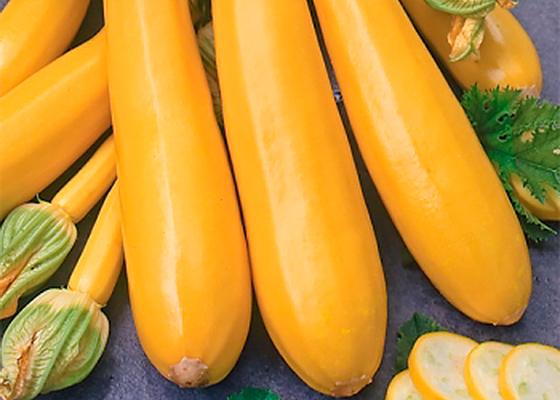
Pumpkins have a technical maturity period of 100 days or more. They can be stored until the next harvest. This enormous fruit can be used in a variety of dishes. It's perfect for creamy soups, family-friendly pancakes, and casseroles. For those looking to lose weight, this giant fruit can help you achieve amazing slimming results.
Anchor
This vegetable is cultivated everywhere and is characterized by its early ripening time. Fruit appears just 40 days after the first leaves emerge. The bush is sparsely branched and compact, taking up little space in the garden. The yield per square meter is up to 12 kilograms. A single pumpkin weighs 800-900 grams.

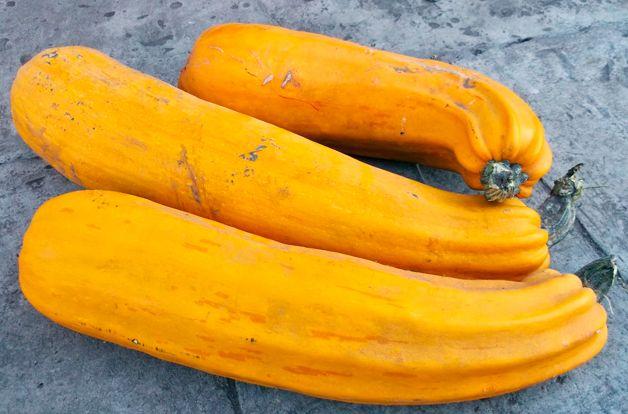
Yellow-fruited squash is resistant to low temperatures and drought. However, to increase yield, the crop must be provided with:
- regular watering;
- fertilizing, adding mineral and organic fertilizers;
- loosening the soil;
- weeding the garden bed.
The variety bears fruit better in well-lit areas with loose soil that has a neutral acidity level.
Goldfinch
The yellow zucchini, Zolotinka, was an innovative hybrid that introduced consumers to varieties with golden fruits. This mid-season variety produces its first pumpkins in 47-53 days. It is prized for its crisp flesh, reminiscent of cucumber.
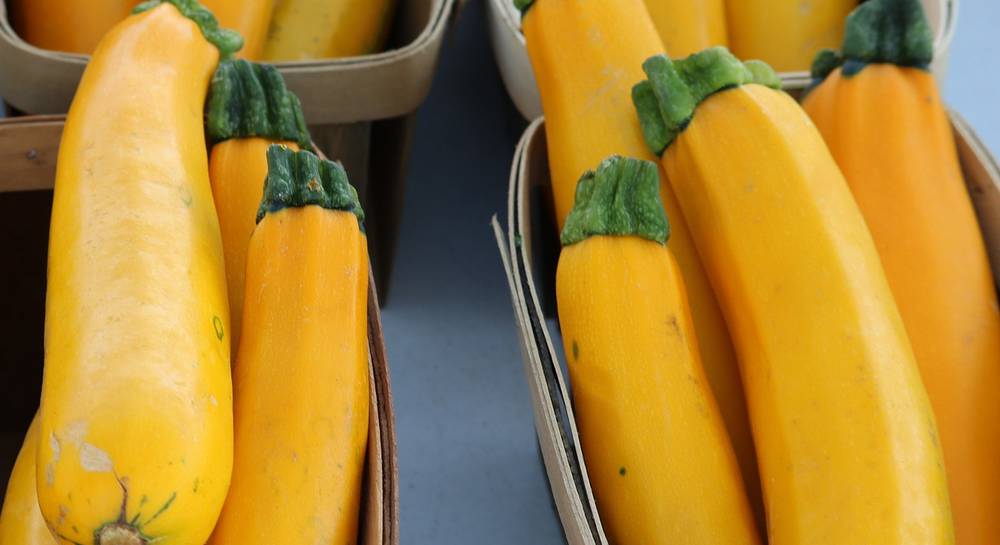 The variety has a high yield, with up to 15 medium-sized pumpkins weighing 0.5 kilograms each forming on a single bush. The taste of zucchini depends on the time it's harvested. If left unharvested, it will become tasteless and tough.
Pumpkins contain up to 4% sugar and around 8% dry matter. The fruits are used in baby food and dietary supplements. When preserved, their flesh density remains unchanged.
The variety is noted for its resistance to diseases. The fruits have a long shelf life, up to 2-3 months. They do not spoil or rot.
Unusual varieties of yellow zucchini
As a variety of pumpkin, yellow squash varieties can come in a variety of shapes. Consequently, hybrids are given unusual names.
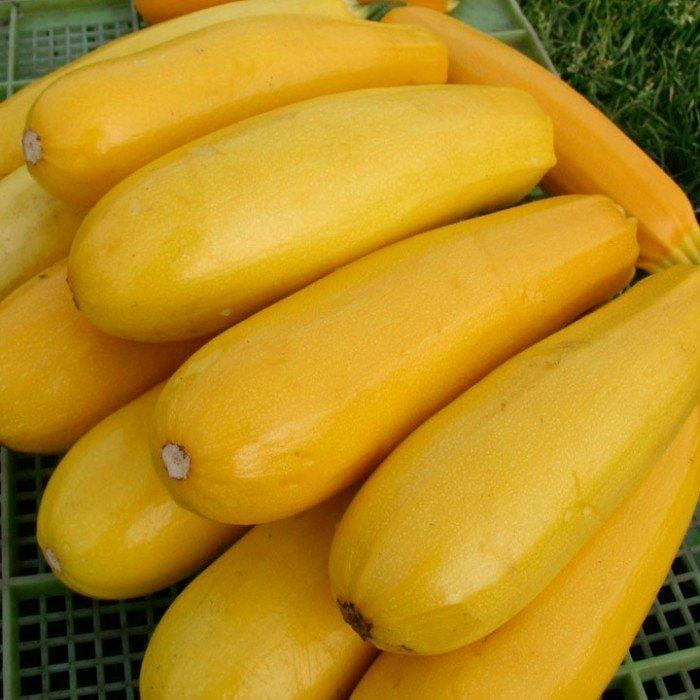
Banana
The variety lives up to its name when a single bush produces clusters of long, up to 40-centimeter-long, bright yellow fruits. They ripen 43-50 days after the first shoots emerge. The hybrid's flesh is juicy, slightly sweet, and firm.
The variety differs:
- excellent fruit set;
- resistance to fungal infections;
- yield of 8-9 kilograms per 1 square meter;
- pumpkins weighing from 500 to 700 grams;
- versatility of use in cooking.
To increase the yield of zucchini, they should be planted at a distance of 70-100 centimeters from each other.

Orange
Round zucchini are rare. But this hybrid will surprise you with its 17-centimeter circumference and tender, nutty-flavored flesh. These unusual fruits are used to make caviar, pickles, and salads. The round fruits are often used for stuffing. The pumpkins appear 50-60 days after planting on compact, vigorous bushes. However, the variety's yield is low—up to 5 kilograms per square meter.
The disadvantage of the hybrid is that the crop has weak immunity to pathogenic microorganisms. Storing the fruit for a long time is not recommended, as they lose their original flavor, and the skin and seeds become tough. Zucchini should be picked promptly from the plant, otherwise they will become overripe and lose their tenderness.
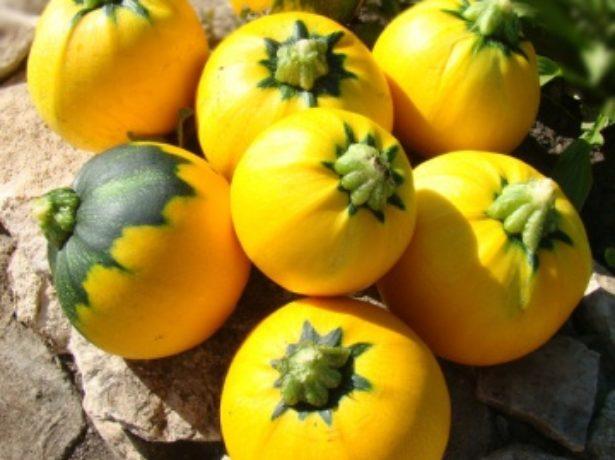
Pear-shaped variety
From June to the end of September, the squash, shaped like a large pear, is harvested. The pumpkins reach just over 20 centimeters in length and can weigh up to 1 kilogram. These zucchinis are distinguished by their orange flesh and pleasant aroma. As they store, the "pears" do not become tough, but remain tender and juicy.
During the winter, pumpkins can be used in salads and casseroles, which are beneficial for your health, especially during cold and flu season. And for those looking to lose weight, they're the lowest-calorie food. You can grow this variety of zucchini both in open ground, as well as in greenhouse conditions.
Spaghetti
Anyone looking to delight their family with an unusual dish should consider this pumpkin hybrid. The oval, yellow fruits are not particularly long. When unripe, they are pale yellow or greenish-pale, becoming more intense as they ripen. When harvested at technical maturity, the pumpkins reveal a fleshy, dense, spaghetti-like texture.
Take a look Also
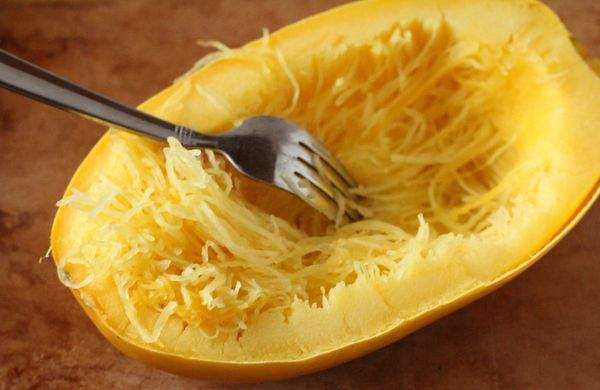
The advantages of this variety include:
- good shelf life of pumpkins;
- drought resistance;
- rich taste of pulp;
- maturation within 90-100 days;
- yield up to 5-9 kilograms.
Zucchini ripens quickly in southern regions or in greenhouses. To encourage better branching, pinch the tops of the vines.
Pineapple
Among the early-ripening varieties, the Pineapple Squash is renowned. Its yellow fruits are covered with a thin, smooth skin, slightly darker than the flesh. This variety is prized for its excellent flavor. The sweet flesh is used to make compotes and jams. It can be sliced into salads or used as a side dish accompaniment.

The hybrid produces up to 10 kilograms of oval fruits, similar in appearance to melon, per square meter.
Marshmallow
The delicacy type hybrid is distinguished by the two-color color of its cylindrical pumpkins. The fruit appears to be divided into two parts: yellow and green. These unusual zucchinis ripen quickly. The pumpkins are ready to harvest within a month. Therefore, gardeners try to grow two to three crops per season. One bush yields a harvest of up to 8 kilograms.
This variety is easy to care for. To produce fruit, you need to:
- water the beds;
- loosen the soil;
- feed;
- collect ripe zucchini.
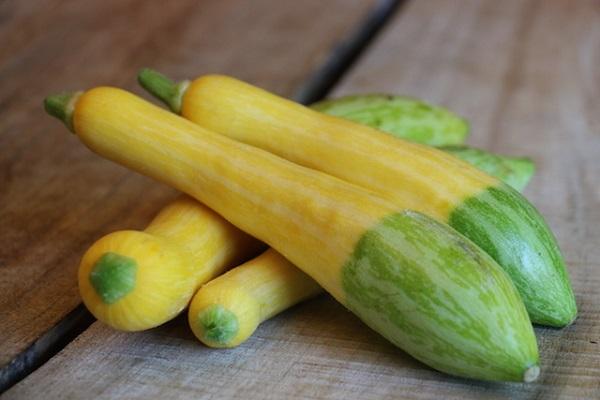
If you pick bicolor pumpkins early, you'll produce more fruit. However, you can't store the fruit for long.
Golden comb
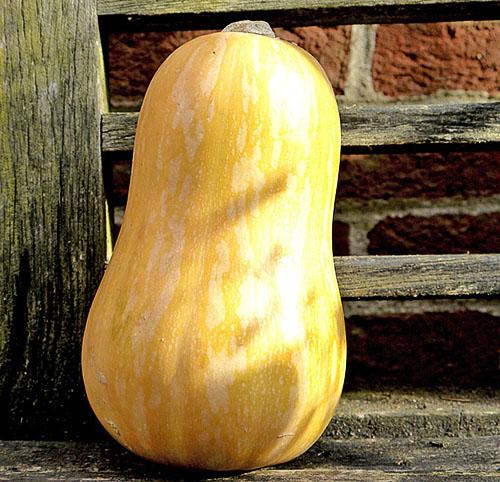
The mid-season hybrid is quite unusual:
- Pear-shaped pumpkins can weigh up to 2 kilograms.
- The bright yellow skin is covered with tubercles, like a rooster's comb.
- The juicy pulp contains sugar, carotene, and antioxidants.
- Pumpkins are suitable for dietary nutrition. They can be eaten fresh or processed.
The variety is planted directly into the ground in May. The growing season lasts 60-65 days. The fruits are long-lasting and transport well. Another name for this squash is Aelita.
The best bush varieties for growing outdoors
For gardeners with small plots, growing zucchini with long vines is a luxury. However, plant breeders have developed varieties with bushy growth habits. These varieties can be planted with 4-5 plants per square meter.
Aeronaut
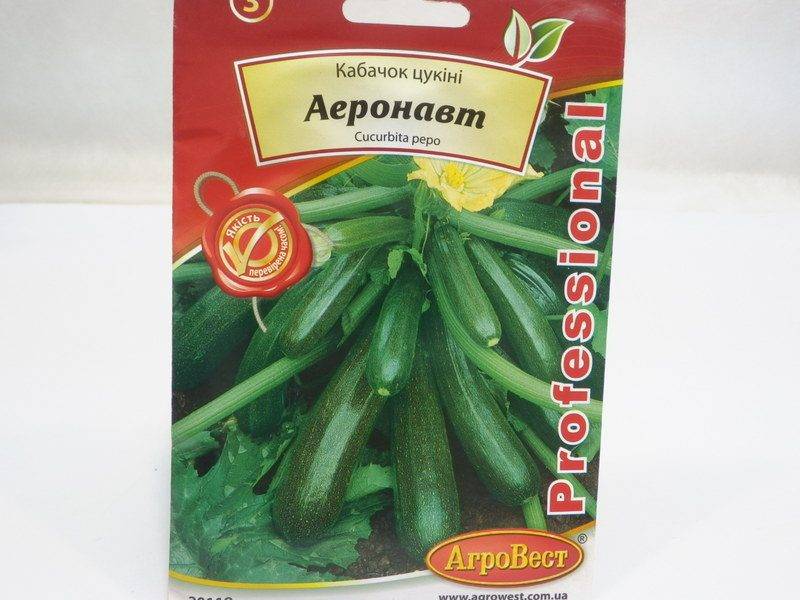
This variety is considered the best green zucchini. The compact plants produce excellent fruit thanks to the abundant female flowers on the plant. Covered with thin, green skin with light spots, the squashes have creamy flesh that is quite dense and juicy. The flavor is excellent, unlike other squashes of this type. They can be eaten fresh without processing. A single fruit can weigh over 1 kilogram and reach 15 centimeters in length.

White
A month after germination, the white zucchini hybrid begins bearing fruit. This "albino" zucchini is noticeable in the garden. Although the plant is compact, the yield is high, reaching 7-9 kilograms per square meter. The creamy flesh is prized for its unique flavor and versatility.
Waterfall
This bushy, low-branching plant is grown in southern and temperate regions. The period from planting to technical fruit maturity is 40-42 days. It thrives in loose, light soils. This squash has a gene for resistance to powdery mildew, but is weak against other infections. Its pumpkins, with smooth green skin and firm white flesh, are versatile. They average 0.5 kilograms in weight.
Odessa
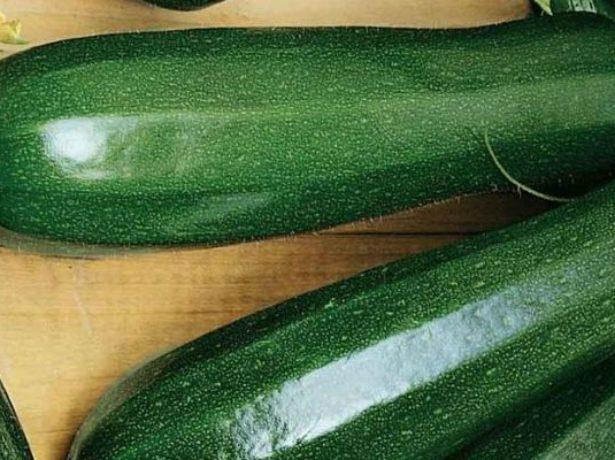
One of the best bush varieties, it ripens in 41-45 days. A distinctive feature is the hybrid's small fruits, up to 320 grams each, with very tender and tasty flesh. The pumpkins have light green skin. The bushes bear fruit throughout the summer, allowing for a continuous supply of vitamins and micronutrients. The hybrid produces very high yields, up to 9 kilograms.
The best self-pollinating parthenocarpic species
Plant breeders are developing plant varieties that don't require pollination. These parthenocarpic zucchini varieties are successfully grown in greenhouses. They are also suitable for open ground cultivation.
Kavili
This hybrid plant is a bush-type, self-pollinating plant. Fruiting begins 1.5-2 months after planting. The light-green pumpkins, with a classic cylindrical shape, do not harden as they ripen. The flesh and skin remain as tender as those of unripe specimens.
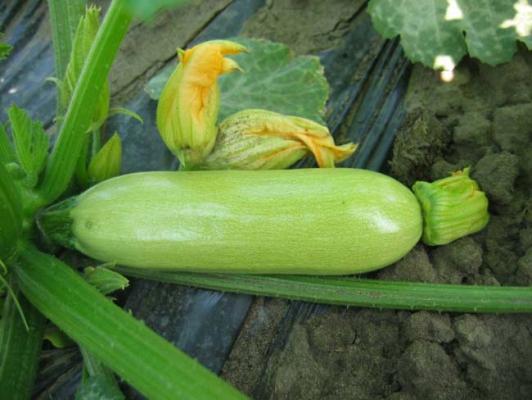 Each bush produces 5-7 pumpkins. They are suitable for both culinary processing and canning.
Jellyfish
This Dutch-bred squash is considered a treasure trove of vitamins and microelements. Its bush shape, reminiscent of a marine animal, is also unusual. The hybrid's fruits ripen in 35 days. By June, up to 9 kilograms per square meter can be harvested. The light-green squashes have thin, smooth skin and dense, sweet flesh. A single squash can reach 700-800 grams in weight and 25 centimeters in length. The fruits can be stored until the next harvest, without the skin or flesh becoming tough.
Parthenon
This parthenocarpic hybrid is renowned for its excellent-tasting pumpkins. Its compact size allows for up to four plants per square meter, yielding up to 10-15 kilograms of zucchini.
The fruits are characterized by:
- dark green skin color;
- juicy pulp;
- versatility of use.
You can pick pumpkins constantly, all season long.
Related posts:
 Description of the 20 best varieties of large-fruited pumpkin, growing and care rules
 How to properly plant zucchini in open ground, cultivation technology and care
 TOP 20 simple recipes for pickled zucchini for the winter
 80 Best Eggplant Varieties for Different Regions with Descriptions and Characteristics
 What to do if the leaves of zucchini in open ground turn yellow and how to deal with it
 Proper cultivation and care of zucchini in open ground, how to increase the yield
 30 Best Zucchini Varieties with Descriptions and Characteristics
 21 step-by-step recipes for making zucchini jam for the winter