
- Features of large-fruited pumpkins
- Popular varieties
- Amazon
- Big Max
- Dawn
- Candy
- Little Red Riding Hood
- Chit
- Hazelnut F1
- Baby
- Marseillaise
- Pampushka
- Parisian gold
- Russian woman
- Russian porridge
- Sweet Chestnut F1
- Sweet pie
- Hundred-pound
- Titanium
- Pumpkin Lantern
- Candied fruit
- Specifics of growing large-fruited pumpkins
- Pumpkin Care Guidelines
- Gardeners' reviews
The giant pumpkin, or large-fruited pumpkin, is a familiar vegetable for every gardener, ripening in the fall. Large, brightly colored pumpkins typically remain in the field until frost, as this crop has a long growing season (almost three months). New varieties have been developed that ripen by the end of August. This early-ripening pumpkin can be grown in any region. It requires minimal attention—a few weedings and watering during droughts.
Features of large-fruited pumpkins
Pumpkin (squash) is an annual crop of the Cucurbitaceae family. Native to South America, it was introduced to Europe in the 16th century. Many new table varieties of this melon have been developed.
Pumpkin contains a huge amount of carotene—more than carrots. The sweet pulp is used to make porridges, soups, jams, fillings, desserts, and juices. The seeds are eaten dried and used for medicinal purposes.
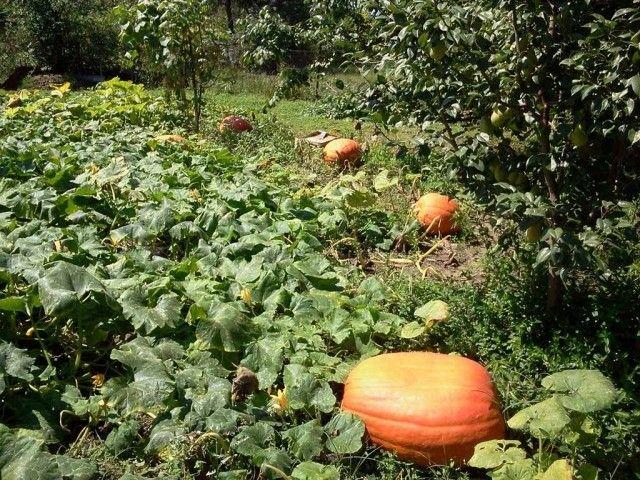
The pumpkin stem is creeping, prostrate, and rough, reaching 3-10 meters in length. Spiral tendrils emerge from the leaf axils. Some pumpkin varieties grow as bushes. The taproot is deep in the soil. The leaves are alternate, five-lobed, cordate at the base, long-petioled, large, and covered with stiff hairs.
Pumpkin produces bright yellow male flowers (on long stalks) and female flowers (on short stalks) with reflexed petals. The plant blooms in June and July. It is pollinated by insects.
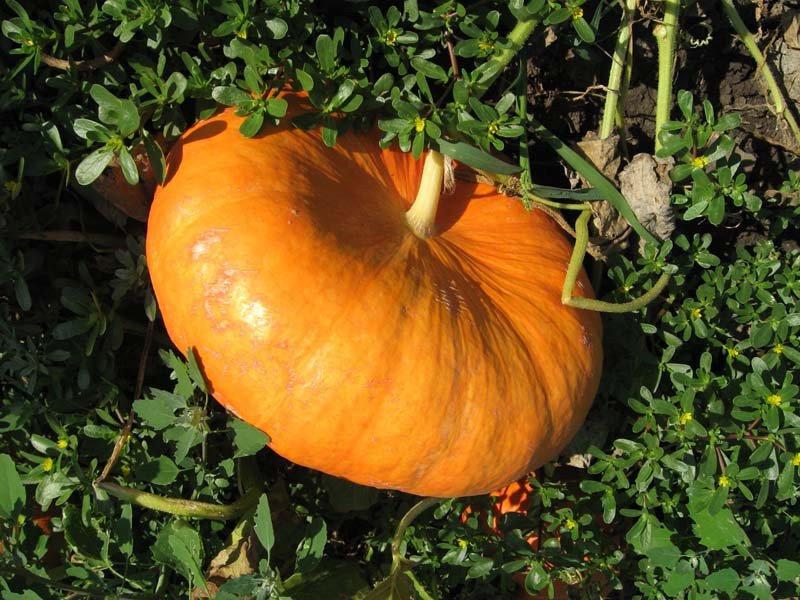
Pumpkins are grown for their large, round or oval fruits with a dense rind. They ripen in August-September, 80-130 days after planting. The fruit's surface can be smooth or ribbed, and its coloring can range from orange, yellowish-red, soft beige, greenish, or gray.
Inside the pumpkin is loose, not too fibrous, soft, orange flesh with light yellow seeds.
Popular varieties
Over 100 different varieties of large-fruited pumpkins have been developed. They vary in ripening time, fruit size, and flavor. Depending on the variety, a single plant typically yields 3-5 fruits.
Amazon
An early-ripening crop, it ripens in 85 days. The stem grows up to 1 meter in length. The pumpkin is spherical, slightly flattened, bright orange in color, with subtle white vertical stripes on the surface. The fruit weighs 1-1.5 kilograms. The flesh is sweet, juicy, crisp, and orange.
Big Max
A late-ripening crop, it ripens in 110 days. The pumpkins are large, round, segmented, orange, weighing 4-6 (sometimes 20) kilograms. The flesh is slightly sweet, filamentous, and medium-dense.
Dawn
A mid-early table variety with a high sugar content (14 percent). It has long, strong vines. The spherical pumpkin has a greenish-gray rind with orange spots and orange-hued flesh. The fruit weighs 5-6 kilograms.
Candy
An early-ripening, cold-hardy, high-yielding, sweet variety. The fruit is spherical, segmented, and deep orange in color. The average pumpkin weight is 1.2-2.7 kilograms.
Little Red Riding Hood
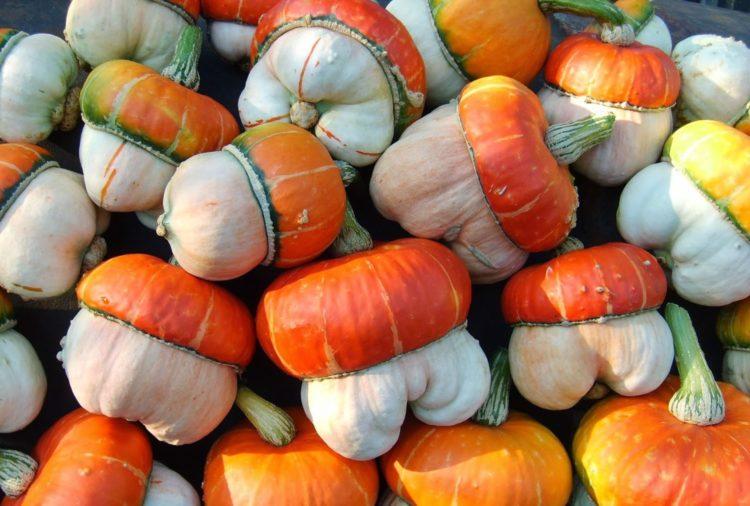
An early-ripening crop, ripening in 95 days. This pumpkin resembles a huge mushroom with a reddish turban-like cap. The vines reach up to 3 meters in length. The lower part of the fruit is light yellow, while the upper part has a more intense orange or red color. A single pumpkin weighs 3-5 kilograms. The flesh is sweet, tender, and crumbly, with a distinct melon aroma. This variety has no unpleasant tart aftertaste. The flesh can even be eaten raw.
Chit
A mid-season variety of table pumpkin. The fruits are round, slightly flattened on top, with a light gray rind. They weigh 1-3 kilograms. The flesh is yellowish, sweet in taste, slightly juicy, and firm in texture.
Hazelnut F1
An early-ripening hybrid with a nutty flavor, ripening in 90 days. The vine grows up to 4-5 meters long. The shape of the fruit resembles a large onion. The pumpkins are small (up to 1.5 kilograms), with a bright orange, smooth surface.
Baby
A mid-season crop, ripening in 3 months. This is a bush variety with medium-length vines. The pumpkins are round, flattened, segmented, and greenish-brown in color. Each pumpkin weighs approximately 2-3 kilograms. The flesh is dense, sweet, and crunchy.
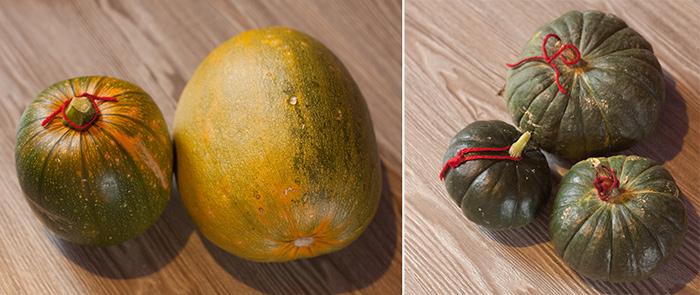
Marseillaise
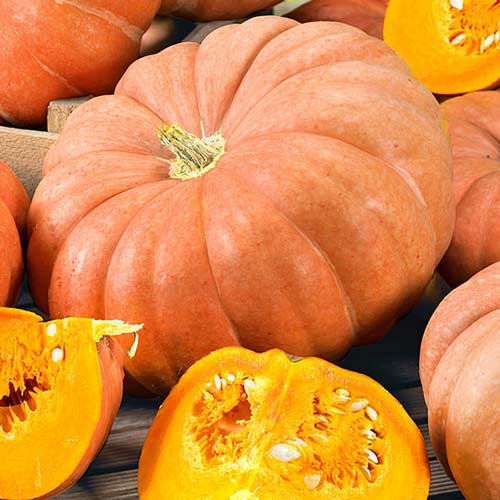
A mid-season crop, ripening in 110 days. It has a long main stem. The pumpkin is round, smooth, orange, and slightly segmented. Fruit weight is 4-8 kilograms. The flesh is medium-dense, crisp, and slightly sweet.
Pampushka
A mid-early variety of table pumpkin. The fruits ripen in 130 days. The vines of this plant grow up to 5 meters long. The pumpkins are spherical in shape and light gray in color. The flesh is orange, sweet, and firm. The fruit weighs 4-7 kilograms.
Parisian gold
A mid-early variety of table melon. The fruits are round, flattened, bright yellow, with distinct segments. Each pumpkin weighs 8-10 kilograms. The deep yellow flesh has a sweet flavor and a medium-firm texture.
Russian woman
An early-ripening crop. The vines grow up to 1.5 meters long. The pumpkin resembles a bright orange top. It weighs 2-4 kilograms. The flesh is sweet, with a melon flavor.
Russian porridge
A mid-season crop, ripening in 110 days. Three to four fruits grow on a single stem. The pumpkins are round, flat, segmented, and orange. Each pumpkin weighs 6 kilograms. The flesh is aromatic, medium-firm, and slightly sweet.
Sweet Chestnut F1
A mid-season variety with round, flattened fruits. The pumpkin's surface is smooth, segmented, and greenish. The flesh is dense and orange. Fruits weigh 0.6-3 kilograms.
Sweet pie
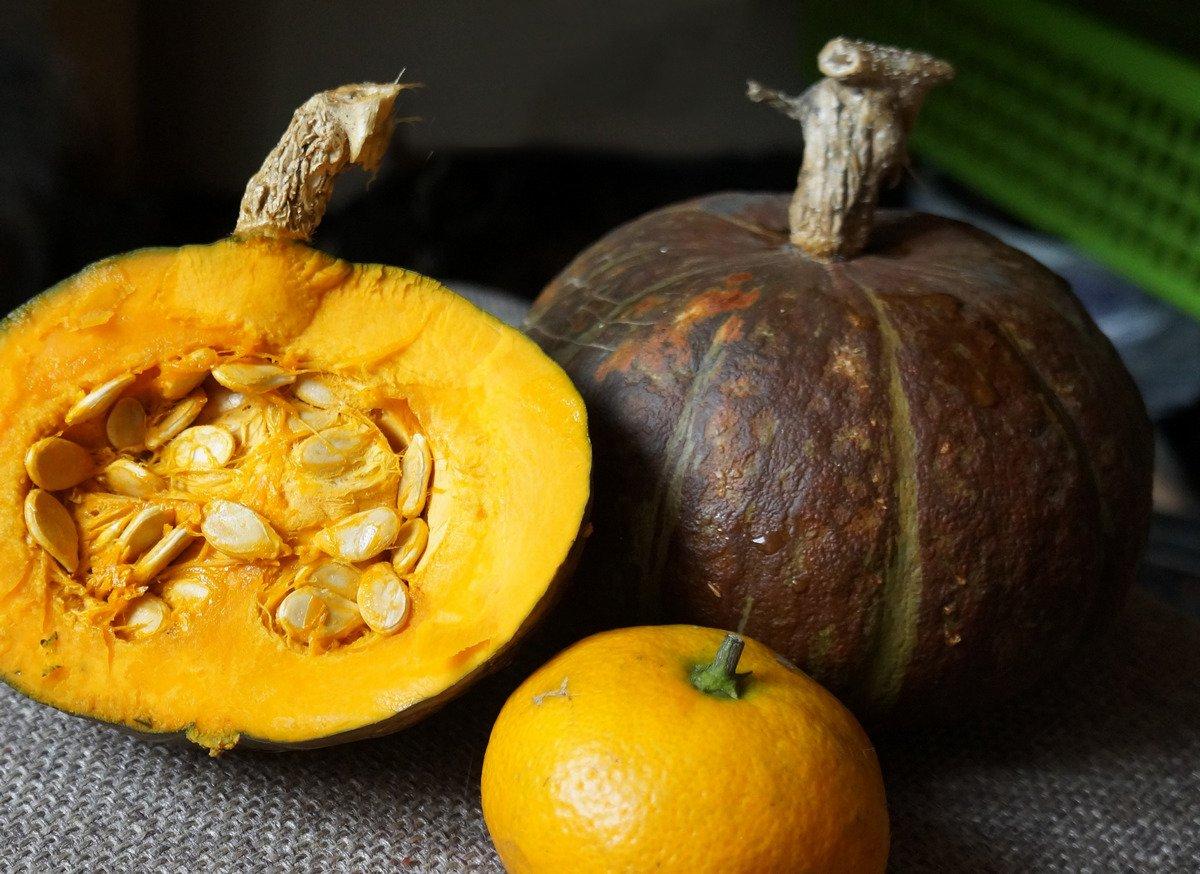
An early-ripening variety of table pumpkin. The fruits are orange, round, segmented, and shiny. Each one weighs 2-3 kilograms. The flesh is yellowish, dense, sweet, and crunchy.
Hundred-pound
A late-ripening variety with round, yellowish fruits. The smooth surface of the pumpkin has light horizontal stripes. The fruit weighs 6-8 kilograms. The flesh is light yellow, slightly sweet, and firm.
Titanium
A mid-season crop. The fruits are spherical, yellowish in color, with a segmented surface. Each fruit weighs 20-50 kilograms. The flesh is firm in texture, slightly sweet, and yellow in color.
Pumpkin Lantern
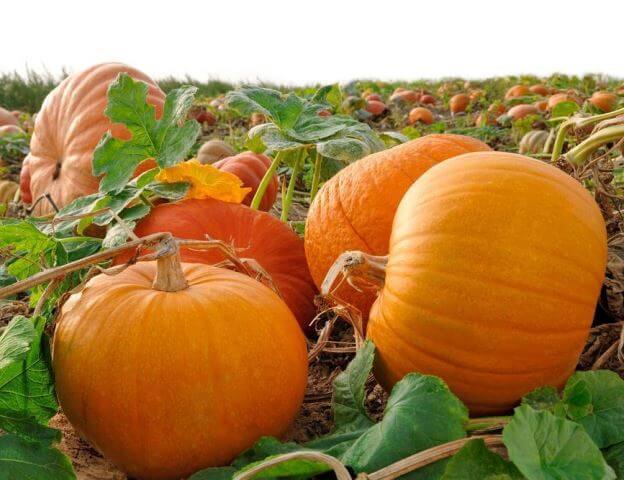
Mid-season a type of pumpkin, ripening in 101 days. The fruit is perfectly round, perfect for making Halloween lanterns. The surface is orange and segmented. The flesh is yellow, sweetish, juicy, dense, and crisp. The fruit weighs 5-6 kilograms.
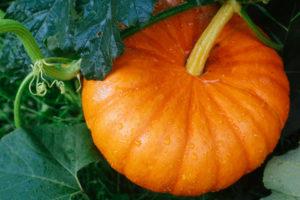
Candied fruit
An early-ripening crop, ripening in 95 days. The pumpkins are flat-round, segmented, orange, and weigh 5 kilograms. The flesh is yellow-orange, crisp, aromatic, and sweet.
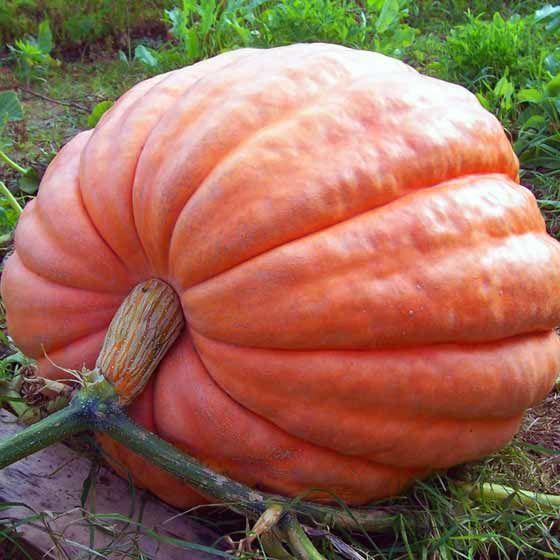
Specifics of growing large-fruited pumpkins
Large-fruited pumpkins require warmth, moisture, and fertile soil. Seeds germinate at soil temperatures of 10-12 degrees Celsius (50-55 degrees Fahrenheit). Seedlings emerge in 6-7 days. For normal plant development, air temperatures should be between 18-22 degrees Celsius (64-72 degrees Fahrenheit).
The emerging seedlings can survive a short-term drop in temperature to 5 degrees above zero, but frost can destroy young plants.
Pumpkins are planted in the garden in May. Before planting, the seeds are germinated in a warm, moist environment. They are planted in soil pre-fertilized with well-rotted compost and nitroammophoska. Sow in wide rows. Place 2-3 seeds in each 5-centimeter-deep hole. Leave a meter between the neighboring pumpkins. The plant can be grown from seedlings; seeds are sown in April.
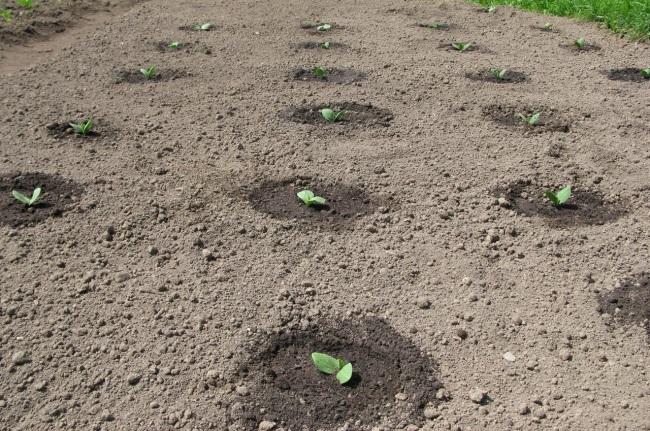
Thanks to its long taproots that reach deep into the soil, pumpkins can easily survive drought. However, during flowering and fruit formation, the plant requires regular watering.
Pumpkins thrive in neutral loam or sandy loam soils. The plant thrives in partial shade, but sunny areas produce larger fruits. Pumpkins respond well to fertilizer. Organic matter is added in the fall, during tillage. In the spring, the soil is fertilized with mineral fertilizers (urea, superphosphate, potassium sulfate).
Pumpkins are planted after tomatoes, beans, onions, potatoes, and carrots. It's not recommended to sow seeds in a plot where cucumbers or zucchini were grown last season. This shade-tolerant plant can be planted in the same bed with corn or climbing beans.
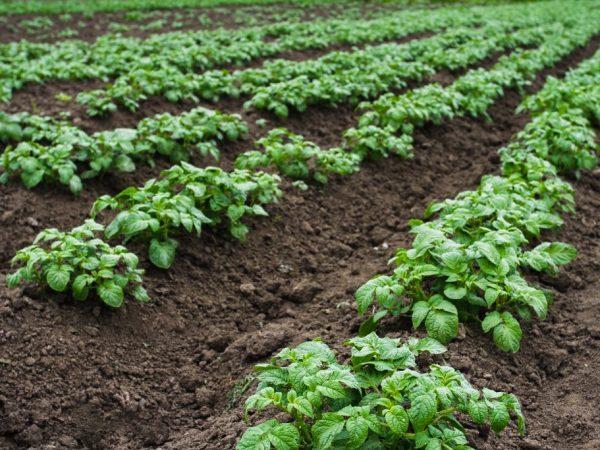
Pumpkin Care Guidelines
From the moment of emergence until pumpkin harvest Constant care is required: water regularly, thin out overgrown plants, loosen the soil, break up the soil crust, and remove weeds. Weeding and loosening the soil once or twice every 14 days is recommended. Loosen the soil near the plants after rain or watering. Between rows, loosen the soil until it is moist to allow water to penetrate more quickly to the roots.
To speed up fruit ripening and increase the size of pumpkins, pinch off the growing point of long-stemmed varieties, leaving only 2-4 ovaries. No more than 4 fruits should ripen on a single plant. Emerging side shoots are pruned, and new female flowers are pinched out, preventing them from blooming.
If the soil is well-fertilized before planting, no additional fertilizing is necessary. If the pumpkin is growing slowly, nitrogen can be added 20 days after planting, and potassium and phosphorus can be added when the fruit is setting. Dry fertilizers are added to moist soil, and liquid fertilizers are used for dry soil. Fertilizing is done while the soil is being loosened.
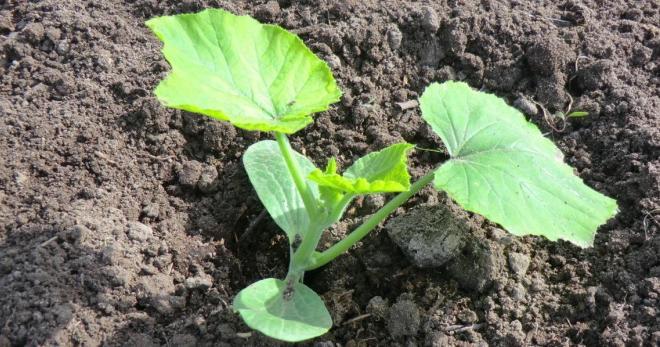
The first time pumpkin plants are fertilized, they can be fertilized with organic matter (diluted cow manure or slurry). If organic fertilizers are unavailable, mineral fertilizers (ammonium nitrate, urea, or potassium salt) can be used. Use 30 grams of fertilizer per 10 liters of water. Add 1 liter of nutrient solution per plant.
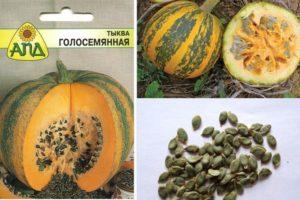
The second feeding is carried out before fruit formation, but not earlier than 10 days after the first. Pumpkins are fed with superphosphate and potassium sulfate. Wood ash can be used as fertilizer (300 grams per square meter).
In dry and hot weather, water the pumpkin every other day. A bucket of water is poured under each mature plant. Insufficient moisture can cause the ovaries to fall off. However, excessive moisture can cause the fruits to lose their sugar content.
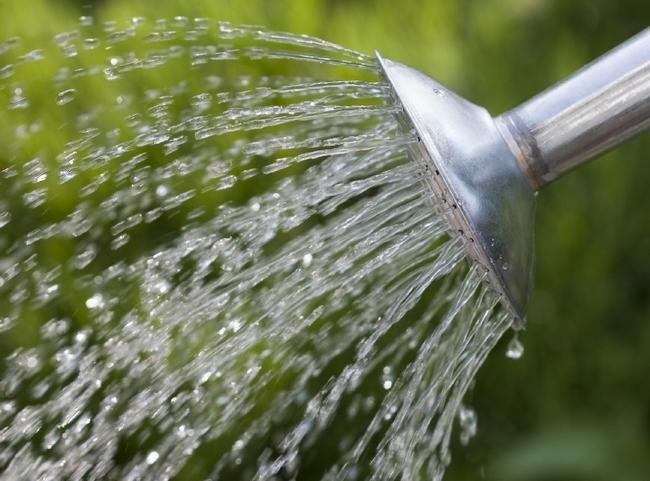
Pumpkin flowers are pollinated by insects. If bees rarely visit the site, artificial pollination can be used. This procedure is performed early in the morning (between 8 and 11 a.m.). Pick a male flower, remove its petals, and touch the anthers to the stigma of a female flower.
Pumpkins remain in one place for a long time until they grow. To prevent the fruits from rotting, a piece of plywood or a board is placed underneath them. As they grow, pumpkins are susceptible to powdery mildew and other fungal infections that cause rot.
As a preventative measure, the soil is watered with a solution of Bordeaux mixture before planting. In the spring, the pumpkins are sprayed with fungicides (Fitosporin M).
Pumpkins are often attacked by insects, such as aphids. These tiny, soft-bodied pests feed on plant sap, causing stunted growth and wilting of leaves. Spraying with a wormwood decoction or a solution of wood ash and soap can help repel aphids.
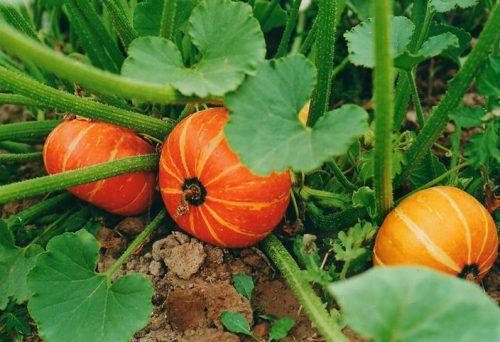 Wireworms are small worms that live in the soil and burrow through the root collar. To protect pumpkins from these insects, practice crop rotation, keep the field clear of weeds after harvest, practice deep autumn plowing, lime acidic soils, and use insecticides (Aktara).
When the stem dries and the bark hardens, the pumpkin is ready to harvest. A ripe pumpkin should be orange in color and spherical in shape, with firm, juicy flesh and seeds with a thick skin.
In the morning, in dry weather, the fruits are carefully cut off, stems included. Before storage, the pumpkins are dried under a canopy to allow excess moisture to evaporate from the surface. Late-ripening fruits are harvested before frost sets in and left in the sun for 15-20 days after harvest to ripen.
Gardeners' reviews
Olga Vasilyeva, 57 years old.
"I plant early varieties in my garden. I harvest pumpkins at the end of August. Throughout the summer, I weed the beds a couple of times and water them during dry spells—that's all I do. The late summer harvest is always bountiful, enough for me, my family, and friends."
Related posts:
 50 Best Pumpkin Varieties with Descriptions and Characteristics for Outdoor Planting
 Description of 25 varieties of butternut squash, cultivation and care in open ground
 Yellow squash varieties with descriptions, characteristics, and yield indicators
 Why do pumpkin ovaries turn yellow, fall off, and rot in open ground, and what can be done about it?
 Description of Butternut pumpkin, features of cultivation and care
 Growing and caring for pumpkins in open ground, planting rules for a good harvest
 Description of 16 varieties of ornamental pumpkins and cultivation features
 The best recipes for pickled pumpkin for the winter at home