
- General description and characteristics of pumpkin
- Varieties of crops and their characteristics
- How to grow a crop correctly?
- Growing pumpkins by sowing seedlings
- Planting containers and soil
- Sowing seeds for seedlings
- The process of planting pumpkin seedlings
- Further care of seedlings at home
- Planting seedlings in open ground
- Direct sowing of pumpkin seeds in open ground
- Landing site
- Planting in the ground
- What is a good place to plant pumpkins next to?
- Further care of the pumpkin
- Fertilization
- Watering, loosening and mulching
- Pollination
- How to shape a plant
- Sprinkling of whips
- Protecting pumpkins from diseases and pests
- Powdery mildew
- Pumpkin mosaic
- Fruit rot
- Methods of insect control
- Growing characteristics in different regions
- What to plant after pumpkin?
- Harvesting and storage conditions
- Problems in growing
Pumpkin is considered one of the most popular melon crops. This vegetable is used in cooking and as livestock feed. The ripe flesh contains a large amount of vitamins and minerals. Growing and caring for pumpkins outdoors requires minimal effort.
General description and characteristics of pumpkin
The plant's homeland is Mexico. Although there are a huge number of varieties of this vegetable, in Russia it is most commonly found common pumpkinThis is an annual herbaceous plant, related to the melon family. It has a branched, taproot. The stem is prostrate and can reach up to 8 m in length. It often roots at the nodes. Tendrils form in the axils. The stem is pubescent and covered with fine spines.
Pumpkin flowers are large and solitary. The fruits are orange or yellow, but white and green varieties also exist. The flesh is orange, dense and firm. The skin is thick and difficult to peel. The fruit is oval in shape, but can also be pear-shaped.butternut squash).
Varieties of crops and their characteristics
Description of different varieties and their characteristics:
- Arbatskaya is a Muscat variety. It's a late-ripening variety. From planting to the appearance of the first ripe fruits, it takes 131-145 days. A ripe pumpkin averages 7-10 kg. The skin is thin, orange in color, as is the flesh. The flesh is sweet in taste and fairly firm in consistency.
- This new variety is similar in taste to the Arbatskaya, but has a longer growing season, lasting 125 to 135 days. Another difference is the fruit's weight. Pumpkins average 4 to 6 kg. They have a long shelf life after harvest. The fruit is elongated and cylindrical in shape.
- Vitaminnaya is a late-ripening variety. The fruits are oval and ribbed, especially near the stalk. Ripe pumpkins are brown, covered with pinkish or orange spots. The flesh is almost red and very sweet. Each pumpkin weighs 4-5 kg.
- Zhemchuzhina (Pearl) is a variety characterized by a vigorous, climbing bush with 6-8 lateral shoots. It is a late-ripening variety, with a growing season lasting 110 to 125 days after sowing. The skin is orange and soft. The flesh is a richer shade, sweet, and crunchy. The fruits have a long shelf life.
- Butternut is one of the unusual varieties. The flesh of this variety has a distinct nutty flavor. It is a late-ripening variety with spreading, heavily branched plants. The pumpkins are small, weighing approximately 1-2 kg. The pumpkin is pear-shaped, with an orange interior. The taste is sweet and buttery.


How to grow a crop correctly?
Growing pumpkins in your garden is quite simple. This vegetable requires virtually no maintenance, so you can plant it safely and visit once a month to check on the plants.
Growing pumpkins by sowing seedlings
The technology for planting pumpkin seedlings is no different from that for any other vegetable crop. This growing method is suitable for pumpkins grown in northern regions. The first half of summer is still cold, and such weather is not very favorable for melons. Therefore, seeds are sown indoors to start seedlings and then transplanted outdoors.
Planting containers and soil
Any soil is suitable for sowing seeds; pumpkins are undemanding regarding soil composition. Soil can be purchased at a gardening store or taken directly from the plot. If using the latter option, it's advisable to disinfect the soil before planting.
 Pumpkin seeds have large seeds, so it's best to plant them directly in separate pots so you don't have to replant them later and can plant them directly in the open ground.
Sowing seeds for seedlings
To help the seeds germinate as quickly as possible, they can be germinated. This is very simple. Place the seedlings on damp cheesecloth and cover with a second piece of cheesecloth. The cloth should remain moist at all times to prevent the seedlings from drying out. Place the bundle in a warm, dark place. After 2-3 days, sprouts will emerge. After this, you can begin planting.
The process of planting pumpkin seedlings
- Make holes in the ground.
- Place a seed in the hole and cover it with soil.
- You can cover the top with a bag to help the sprouts sprout faster.
At the end of planting, water the seeds generously with water at room temperature.

Further care of seedlings at home
Once the seeds begin to sprout, they will require care to ensure they grow strong. Watering is essential. Water the soil as it dries out. Use only warm water. Using cold tap water can encourage fungal diseases.
The second important step is fertilization. A week after the sprouts appear, they are watered with potassium humate diluted in water. After two weeks, the sprouts are dusted with wood ash.
Planting seedlings in open ground
Sprouted pumpkin seeds germinate a week earlier, so planting such seedlings should be done a little earlier.

Planting seedlings outdoors at your dacha begins in May, when the soil has warmed up well. The soil is mixed with rotted manure and left for one week. The seedlings are spaced 40-70 cm apart, depending on the variety. Water the planted seedlings generously and cover them at night for the first few weeks. However, if the climate is warm, this may not be necessary.
Direct sowing of pumpkin seeds in open ground
It is not necessary to grow pumpkin seedlings; it is enough to plant the seeds in open ground in the spring.
Landing site
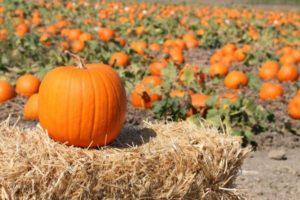
Pumpkins prefer to grow in open, sunny areas. They thrive best if the plants receive full sun all day. Plant them in fertile, well-drained soil.

Planting in the ground
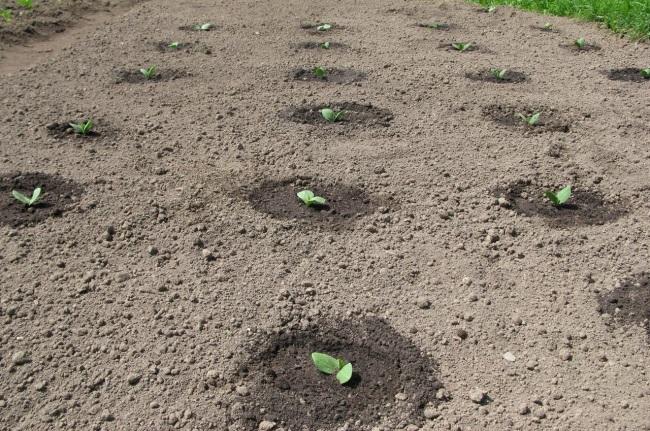
Pumpkin seedlings are planted in late April (for early varieties) and in May. The soil for planting is prepared in the fall, after the harvest. The soil is dug and mixed with manure.
Planting seeds in open ground:
- Make a hole in the soil and plant the seed.
- Lightly cover with soil.
- The distance between seeds is left at 40 cm.
At the end of planting the seeds, the beds are watered with water warmed by the sun.
What is a good place to plant pumpkins next to?
To increase yield, it is advisable to plant compatible crops with pumpkin.
What to plant next to a pumpkin:
- zucchini;
- potato;
- beans;
- onion;
- cabbage;
- cucumbers;
- tomatoes;
- beet;
- garlic;
- carrot;
- strawberry;
- strawberries.
Pumpkins "get along" with most crops. To prevent harmful insects from appearing on the bushes, marigolds should be planted near the beds.
Further care of the pumpkin
To grow a large pumpkin, the bushes need careful care. In July, they begin to be actively fed to ensure a good harvest in August.
Fertilization
Regular fertilization of the soil will speed up the ripening of the crop. During the first half of the season, nitrogen is added to the soil. This fertilizer promotes faster fruit set. In the second half of the season, phosphorus and potassium are added to the bushes. These fertilizers increase yield and improve the flavor of the fruit.

Watering, loosening and mulching
Pumpkins don't need any watering at all; they get enough moisture from the rain. The beds are loosened while the plants are small. Once they grow larger, all you need to do is pull out the tall grass.
To promote seedling growth and retain moisture, the soil can be mulched.
Peat or sawdust are used as mulch. The mulch layer should be at least 15 cm thick.
Pollination
The plant doesn't require pollination. You can attract bees to your beds by spraying them with sugar dissolved in water.

How to shape a plant
Before flowering, the bushes are trained to create a fuller appearance. Three of the strongest shoots are left on the mature bush, and the rest are cut off with a sharp knife. The tips of these shoots can be pinched. However, training the bush is not necessary when growing this plant.
Sprinkling of whips
When the branches reach a height of 1 m, the vines are backfilled. The branches are straightened in the desired direction and covered with soil. During strong winds, they can "fly" around the site. This measure will prevent this problem.

Protecting pumpkins from diseases and pests
When growing crops, one often encounters diseases appearing on the bushes.
Powdery mildew
A characteristic symptom of this disease is the spread of white spots. When white spots appear, the bushes are immediately sprayed with a colloidal sulfur solution and Izofrene. Severely damaged leaves and stems are cut off, and the cut areas are treated with a mullein solution or ground sulfur.
Pumpkin mosaic
To prevent mosaic disease, weeds in the area are destroyed immediately after they appear. If aphids appear on bushes, they are immediately sprayed with a solution of laundry soap or chemicals. Mulch the soil around the bushes as a preventative measure.

Fruit rot
To prevent the disease, soak seeds in a copper salt solution before planting. At the first sign of disease, remove the top layer of soil and replace it with fresh soil. Treat damaged parts of the bushes with lime.

Methods of insect control
To prevent insect infestations, dig up the soil immediately after harvesting. While growing pumpkins, weeds are constantly removed. Marigolds or garlic can be planted nearby. Spraying with a solution of laundry soap is an effective insect repellent.
Growing characteristics in different regions
Pumpkins can be grown in any region with a variety of climates. There are no significant differences in care and cultivation methods across different regions. In the central part of the country and the Moscow region, pumpkins are planted in May, when the soil has warmed up well. The climate in these regions is most favorable for growing pumpkins.
The climate in Siberia and the Urals is not as favorable for growing this crop. The plant is heat-loving, so in Siberia, it's best to sow the seeds in a greenhouse. Alternatively, plant towards the end of May, when the soil has warmed up well. If you sow the seeds in cold soil, the seeds may not germinate at all, or the sprouts will be very weak.
Humidity can be a problem in the Leningrad Region. Summers in this region are rainy and cloudy, making growing sun-loving pumpkins challenging.
It is better to plant seedlings in greenhouses and turn on additional lighting more often so that the bushes have enough sunlight.
What to plant after pumpkin?
According to crop rotation rules, the following crops can be planted after pumpkin:
- bell pepper;
- eggplants;
- tomatoes;
- beets;
- spinach;
- parsley;
- corn;
- cabbage.
It is not recommended to replant the crop in this place for another 2 years.

Harvesting and storage conditions
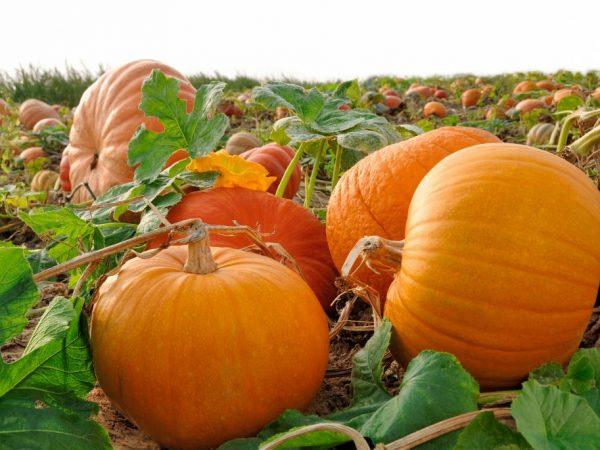
Pumpkins ripen in the garden by autumn. Harvesting begins in late August or early September. The fruits are harvested with the stems attached. The vegetables have a long shelf life in winter. It's best to store the harvest in a cool, dark place to prolong shelf life.
Don't throw away pumpkin seeds. They're incredibly healthy. They can be used in cooking or simply eaten fresh.
Problems in growing
Although the plant is considered an unpretentious crop, you may encounter a number of problems when growing it:
- Weak sprouts (fed with bird droppings).
- Seeds take a long time to germinate. This problem occurs when planting in unheated soil.
- Excess fertilizer in the soil. This prevents fruit ovaries from forming.
- The fruits are developing slowly. The problem arises from neglected foliage.
- Excessive moisture can lead to diseases, so pumpkins should be watered as little as possible.
If you follow all the rules of agricultural technology, there will be no problems with cultivating the crop.
Related posts:
 Why do pumpkin ovaries turn yellow, fall off, and rot in open ground, and what can be done about it?
 Rules for growing pumpkins on a balcony at home and how to choose the right variety
 50 Best Pumpkin Varieties with Descriptions and Characteristics for Outdoor Planting
 How often should you water pumpkins in open ground in August during hot weather?
 Carrot care guidelines for outdoor cultivation to ensure a good harvest
 Description of 25 varieties of butternut squash, cultivation and care in open ground
 How to feed pumpkins in open ground during flowering and fruiting if they are not growing well
 How to shape and pinch pumpkins in open ground to get a good harvest