
Pumpkins aren't particularly fussy plants, but even the best varieties can experience problems—sometimes the ovaries rot (partially or completely) or fail to form at all. The key is to know that almost all problems are solvable, and even if all the ovaries have fallen off, there's still a chance of a good harvest. In this article, we'll find the answer to why pumpkin ovaries turn yellow and fall off, as well as many other pumpkin-growing questions.
Difficulty in seed germination
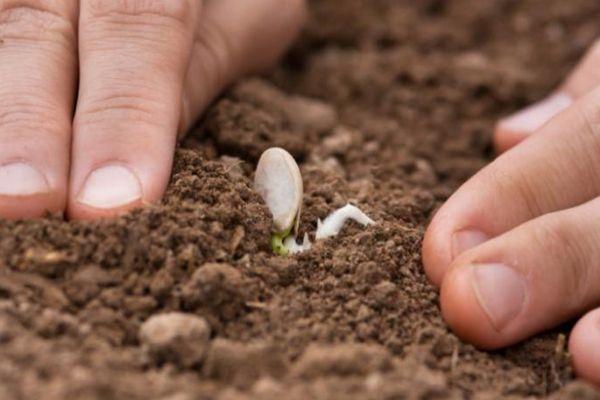
Pumpkin seeds aren't planted directly into the ground. They're usually sprouted first and then planted. sprouted pumpkin seeds or seedlings Into open ground. Seeds may germinate poorly if, when planting, you select not only large seeds but also small, weak seeds, which are unlikely to germinate effectively. Therefore, it's important to select large seeds for planting from the start.
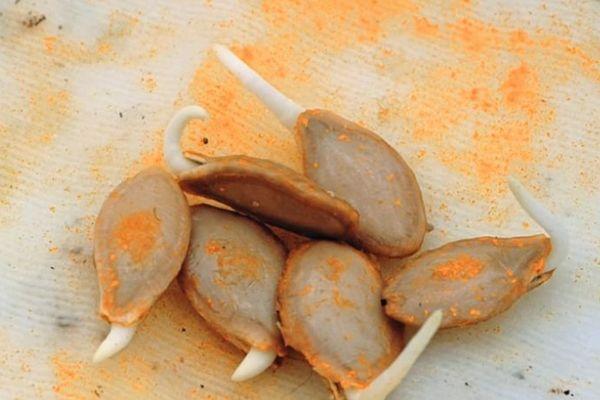
To increase germination, soak the seeds in warm water for two hours at a temperature above room temperature (45-50 degrees Celsius). Then wrap the seeds in a damp cloth and leave them in a warm place to germinate. Maintain a consistently high level of humidity until germination.
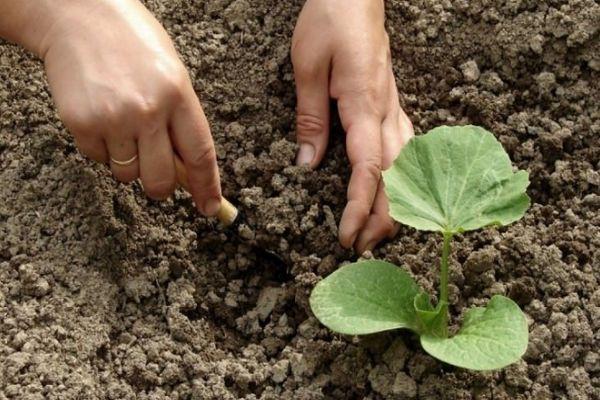
If you decide to plant seedlings in the ground rather than sprouted seeds, you need to grow them in a brightly lit place, on a sunny windowsill.
If possible, you can plant seedlings in a hotbed or greenhouse for germination. However, it's important to remember to plant the plants in the ground after the soil has warmed up sufficiently—at least 10 degrees Celsius. This will ensure not only good germination but also large fruit.
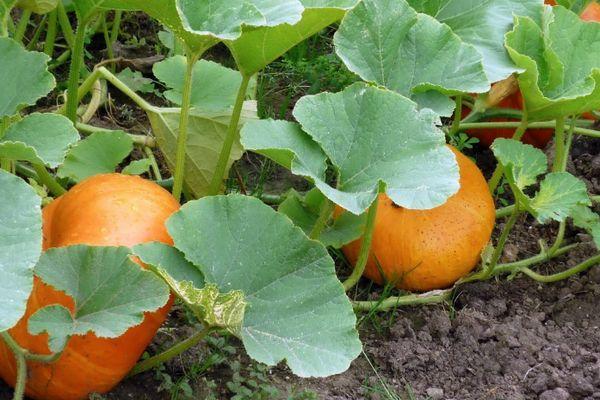
When preparing for planting, choose a well-lit area of soil, as this plant thrives in full sun. If you're planting seeds in the ground, prepare the bed by making a longitudinal depression in it, lining the bottom with pieces of fabric, then sprinkling the seeds on top and covering with soil.
Taking these measures will greatly reduce the likelihood of fruit drop. However, pumpkin fruit drop can also occur for other reasons.
Weak sprouts
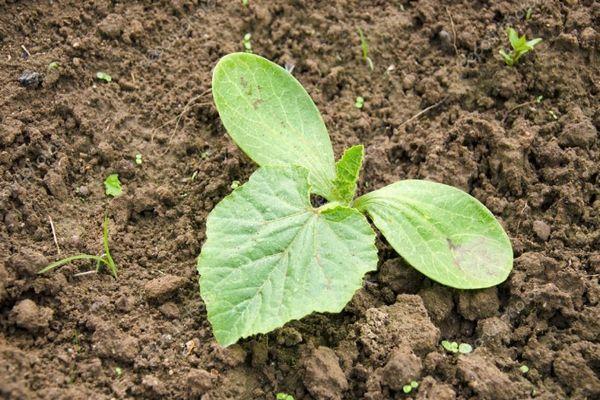
Sometimes, even though the seeds have sprouted, after planting, things aren't going as expected—the sprouts are weak and don't grow vigorously. One reason pumpkins don't grow well is a lack of fertilizer. To boost growth, the sprouts need to be fed with a solution of bird droppings. The fertilizer-to-water ratio is 1:10 to 1:15. This is often exactly what the plants need for good growth. Soon, you'll be able to admire the pumpkins forming.

If the problem persists for several years, and your pumpkin seedlings grow weakly season after season, it's time to change tactics. Plant seeds or seedlings in a mixture of well-rotted compost and potato tops, formed into mounds 5-10 centimeters high. This way, you'll once and for all solve the problem of why your pumpkins aren't growing.
Root rot after transplanting seedlings
Some vegetable growers wonder why pumpkins are rotting in the garden. Root rot may be the cause after the seedlings have been planted. This can happen if you applied nitrogen fertilizer too quickly, which reduces the plant's frost resistance.
To avoid this, it is not recommended to feed the seedlings before the soil has warmed up to at least 12-13 degrees.
Another cause of root rot can be damage caused by pulling out weaker seedlings. Plants' root systems may be close together, and removing weaker ones can damage those whose vigor and productivity are most likely to be high. You'll see in the future that pumpkin ovaries won't drop if you leave only the strongest plants in the garden. This is why weak shoots are removed, but to avoid damage, it is better not to pull them out, but to cut them as close to the surface of the ground as possible.
In addition to the measures listed, we will mention one more: disinfection of seeds during planting using a solution of potassium permanganate.
The ovaries are rotting, there are few of them
It's very frustrating when the fruit that has formed begins to rot or when too few are produced. The answer to why pumpkin fruit is dropping is often linked to the weather. Most often, this is due to cold snaps and precipitation during flowering. Because of this, there may be a lack of pollinating insects in the area, and the fruit simply isn't pollinated. In this case, artificial pollination is necessary.
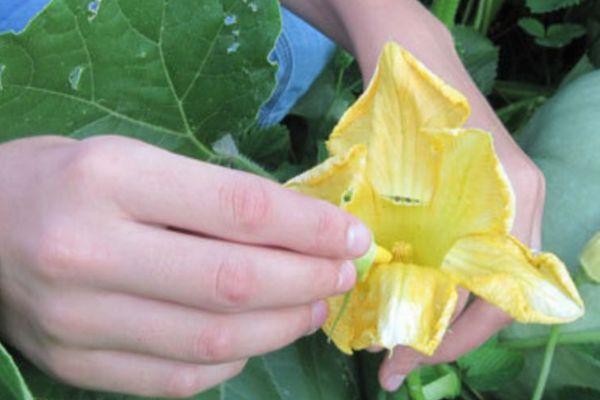
It's not difficult at all. Choose a dry, warm day, cut off the male flowers (they can be identified by their elongated peduncles and multiple stamens), remove the petals with tweezers, and touch two or three anthers to the stigma of the female flower.
There may be other reasons why pumpkin fruits are turning yellow and dropping. The pumpkin may be overwatered. In this case, you need to reduce the watering and increase ventilation. If you're experiencing unfavorable weather and constant rain, a solution is to divert water from the beds: dig a trench to drain excess moisture away from the plants. Remember to loosen the soil to remove excess moisture.
If it's cold at night and you're wrapping your pumpkins to protect them from freezing, be sure to leave a small opening in the plastic for ventilation. The best option is a breathable, water-resistant covering.
Another reason why pumpkin ovaries are dropping is a lack of pollination. The flowers may be too well hidden by dense foliage, and bees simply can't find them. This problem is easily solved with pruning shears and sugar water. Remove excess leaves to expose the flowers, and spray the plant with sugar water or honey to attract bees.
Additionally, it's a good idea to reduce watering to weekly. In any case, if rotting pumpkin ovaries appear on a fruiting plant (when the pumpkin is bearing fruit), remove the rotten fruit and wait until flowering resumes.
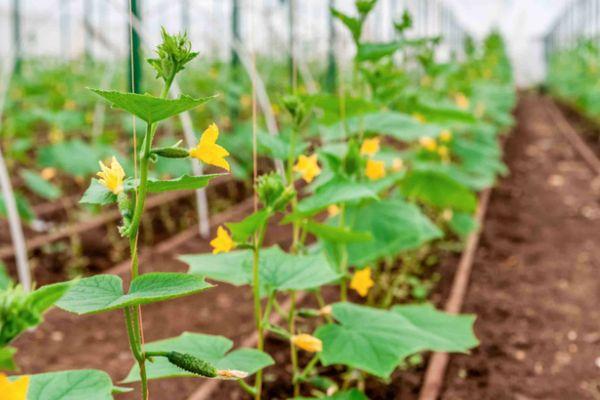
If your pumpkin is growing in a greenhouse and isn't producing the expected number of ovaries or is dropping fruit, it may be lacking nutrients. In this case, you should feed it superphosphate at a rate of one tablespoon per bucket of warm water.
Lack of ovaries
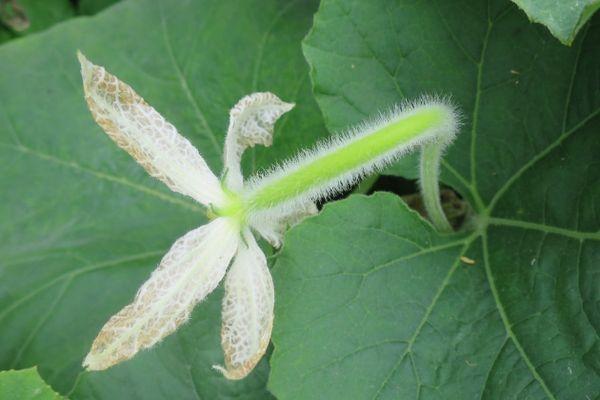
If your pumpkin isn't producing any fruit at all, it may be because fertilization isn't occurring. This is one common reason why pumpkins aren't producing fruit. In this case, pollinate the plants manually using a male flower. Another option for achieving pollination is to attract pollinating insects as described above—spraying the plants with a sugar or honey solution.
There's another reason for the lack of fruit on the plants. Pumpkins grow well in well-fertilized, humus-rich soil. However, when the soil is overly fertilized, it has the opposite effect: the pumpkin grows long vines and large leaves, but refuses to bear fruit. The best solution in this case is to carefully select a site for the garden bed—one that was fertilized a year or two ago.
Abundance of irregularly shaped ovaries
One of the reasons why pumpkins drop fruit is the large number of malformed fruits. These ovaries, by draining the plant's sap, have no chance of developing into strong, large fruits, but they also prevent healthy ovaries from developing. As a result, the malformed fruits usually turn yellow and fall off.
It's not unusual for pumpkin fruits to yellow and fall off after setting, often with an irregular shape. A vegetable grower's goal is to preserve the ovaries that will become the future harvest. This problem can be solved by properly shaping the plant; foliar feeding is completely unnecessary.
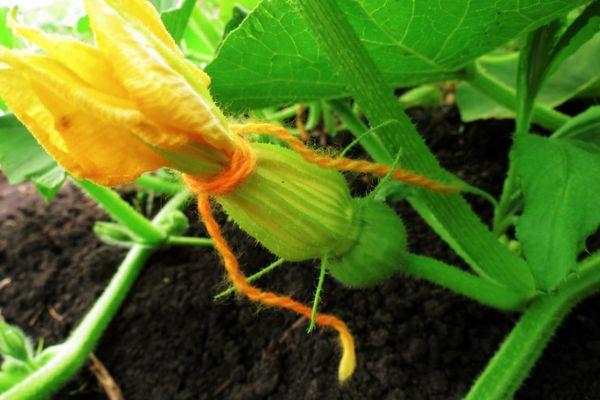
The plant's most vulnerable period is pollination time. Once the flowers are pollinated, it's time to begin shaping the plant—to avoid any future questions about why the pumpkin is dropping its ovaries. If the plants are large-fruited, leave no more than three vines on each. Also, leave no more than one ovary on each vine.
June is the month to pinch pumpkins. Pinch the tops after 5-6 leaves have emerged. If the plants have medium or small fruit, only the shoots with empty flowers need to be removed. These should be pinched no earlier than early August, after 3-4 leaves have emerged.
Slow fruit development
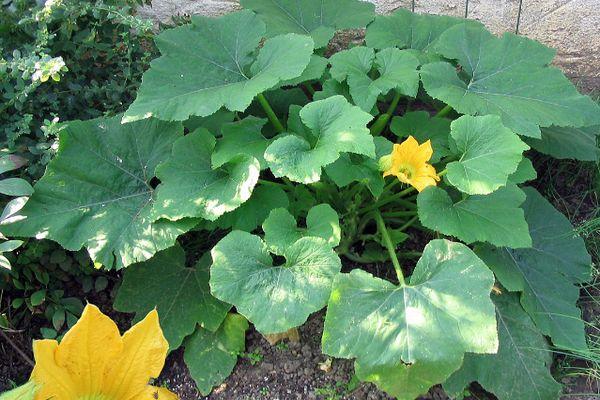
If the leaves are growing, but a pumpkin that was recently growing well isn't developing well, or if the ovaries are developing slowly and sluggishly, or are wilting, one common cause is that they're being shaded by overly dense foliage. This is often the reason why female flowers haven't pollinated—they're simply too well "camouflaged" by the leaves, preventing bees from finding them. Pruning the leaves can help solve the problem.
Another reason why pumpkins may have stopped growing is high humidity. It's important to remember that pumpkins don't like either too much or too little water.
Another possible reason for slow fruit growth is insufficient nutrient absorption from the soil. During growth, pumpkins absorb all the nutrients available from the soil, so they need to be fertilized periodically.
However, if there's enough fertilizer, the cause may be insufficient nutrient penetration to the fruit. To boost the pumpkin's nutrition, cover the vines with soil, which will encourage the plant to develop more roots.
Breaking off and rotting of fruits
Above, we discussed the reasons why pumpkin ovaries fall off or rot after fruit has set. However, sometimes situations arise where large pumpkins turn yellow and wilt. Excessive moisture is often the cause of fruit rot and pumpkin decay in the garden.
To protect the growing pumpkins from this, place a board or other material underneath them to act as a barrier between them and the moist soil. If the pumpkin is hanging and at risk of breaking off, reduce the strain on the stem. To do this, tie the pumpkin up—place it in a net and hang it from a support.
As you can see, the occasional difficulties with growing pumpkins are always quite easy to overcome, and your pumpkin patch will delight you with a generous harvest.
Related posts:
 50 Best Pumpkin Varieties with Descriptions and Characteristics for Outdoor Planting
 Description of 25 varieties of butternut squash, cultivation and care in open ground
 Growing and caring for pumpkins in open ground, planting rules for a good harvest
 Description of the 20 best varieties of large-fruited pumpkin, growing and care rules
 Description of 16 varieties of ornamental pumpkins and cultivation features
 Description of Butternut pumpkin, features of cultivation and care
 The best recipes for pickled pumpkin for the winter at home
 How often should you water pumpkins in open ground in August during hot weather?