
- What kind of water should be used for irrigation?
- What are the different irrigation methods?
- How to water pumpkins in hot weather
- How to water pumpkins during flowering
- Watering pumpkins during fruit formation
- Pumpkin watering frequency
- Gardeners' recommendations for watering pumpkins using the hole and furrow method
- 6 Common Mistakes Gardeners Make When Watering Pumpkins
A fundamental question asked by gardeners is: should pumpkins grown outdoors be watered, and how often? Can the plant produce a decent crop without additional watering? Some plants have shallow roots. But the pumpkin's root system is designed to deliver water in any weather. Therefore, some gardeners believe watering is unnecessary.
But only a mature plant can survive dry weather. When planting seeds outdoors, the soil must be moist to ensure successful germination and sprout development. Pumpkins also require regular watering. Gardeners can determine the frequency of watering by the plant's appearance. Wilted leaves and stunted growth indicate a need for additional moisture.
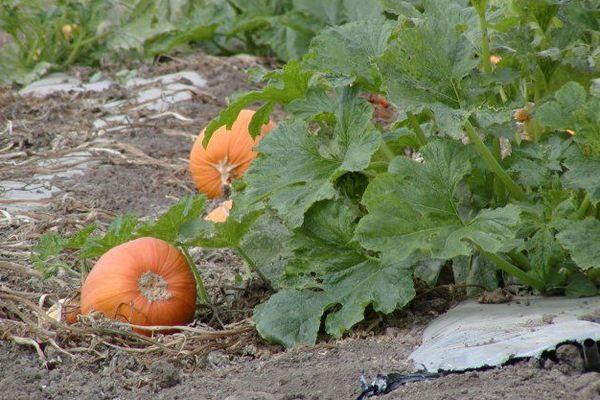
What kind of water should be used for irrigation?
To produce healthy, tasty fruit, pumpkins require proper watering. The soil should be moistened infrequently, but thoroughly. Water the plant only when there is no precipitation: pumpkins do not tolerate excess water, causing them to drop their ovaries. In severe cases, the stem rots, making it impossible to save the plant.
Growing pumpkins outdoors without watering is difficult. But don't rush to grab a watering can or hose: watering must be done properly. To moisten the melon, we recommend using water:
- warm (the temperature should be slightly lower than the air temperature);
- clean, transparent (dirty water contains fungal spores and harmful bacteria);
- dechlorinated (tap water should be left to stand for 24 hours with the lid open);
- soft (rainwater is ideal, saline or leached soil changes the quality of the soil).
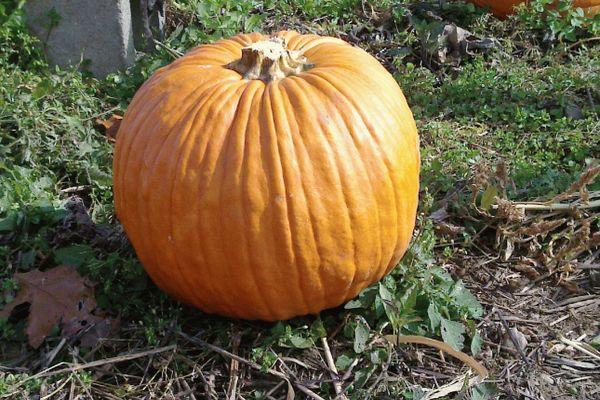
When collecting liquid from a river, use a pump with a filter. This will remove algae, debris, and small crustaceans. When using well or spring water, it is recommended to first test the pH with litmus paper. Acidified water should not be used in acidic soils, and alkaline water should not be used in alkaline soils.
To water your pumpkins in your garden, purchase a 1000-liter water tank. Place it in a sunny spot and fill it with water from a tap, a river, or a well. Rainwater can also be used. Cover the tank to prevent debris and dust from entering. Allow the water to settle and warm up for 24 hours. Use it to water your pumpkins as needed.
What are the different irrigation methods?
It's impossible to discuss moisture without describing soil watering methods. Watering pumpkins in open ground depends on the number of plants, the size of the planting area, and the gardener's capabilities. The most common methods are:
- Automatic irrigation. A hose with sprinklers is run along the rows of plants. One sprinkler is installed per one or two plants (depending on the water flow and pressure). Watering is activated manually or by an automatic timer. Advantages: ease of use, efficient use of water. Disadvantages: quite expensive.
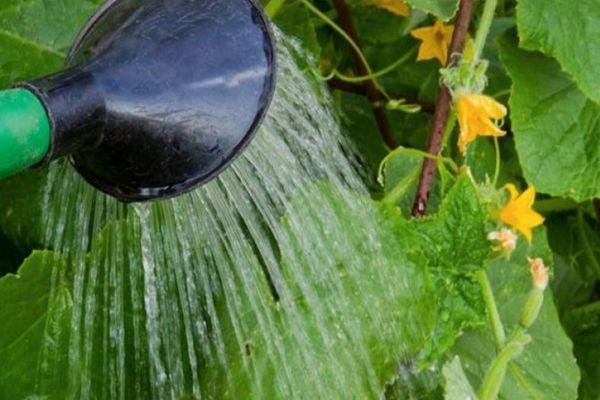
- Watering with a watering can. Modern gardeners have plastic or metal tools. They come with several attachments. These tools are ergonomic, but they're best used when growing just one or two pumpkin plants in a plot. Disadvantages: carrying a watering can is heavy, the soil under the pumpkins gets washed away, and it's impossible to avoid splashing the leaves and stems.
- Hose watering. Modern industry produces lightweight, reinforced devices. They come with a variety of nozzles and sprinklers. The hose attaches to the tank's spigot. Water is delivered to the plants by gravity or with a pump. This method allows for quick and easy irrigation of a large area. A disadvantage of this method is that it requires fairly large spaces between plants for effective irrigation.
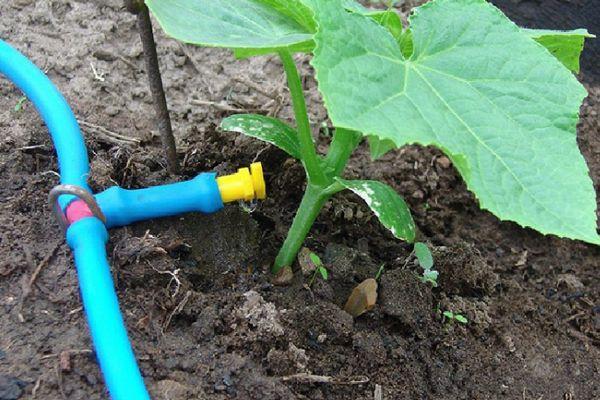
With any method, it is recommended to create furrows to prevent water runoff from the crop roots. This will improve the efficiency of natural resource use.
To increase the interval between watering pumpkins, it is recommended to mulch the soil under the bushes. Straw, dried grass, and shredded branches are all suitable. A mulch layer of 10-15 cm is recommended.
How to water pumpkins in hot weather
Nature has protected melons from overheating. The leaves and stems are pubescent, and the root system penetrates deep into the soil. Surface threadlike roots absorb water from the surface layers of the soil. But the plant cannot survive the heat without additional moisture.
Prolonged hot weather is dangerous for pumpkins. The plant stops producing new ovaries. Water shortages cause the vines to drop ripening fruits. In such weather, the pollen on female flowers becomes sterilized. Some varieties are susceptible to blossom-end rot due to dry soil. Gardeners lose part of their harvest.
A sign that the pumpkin is overheated is the plant's distressed appearance. The leaves are wrinkled and drooping. By evening, the bush hasn't regained its former appearance. The gardener needs to take action.
But watering the plants in hot weather is not recommended: the soil is hot, and the water evaporates instantly. The pumpkin roots don't have time to absorb it. And the water droplets on the leaves and stems act like lenses, burning the plant. For effective watering, wait until evening.
After 6 PM, the sun is less intense and the soil has cooled slightly. Now's the time to give the plants a little water. During prolonged hot spells, watering the pumpkins at least every two days is sufficient.
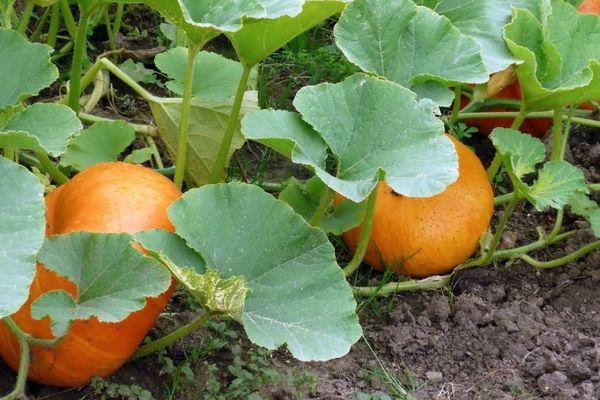
Some gardeners water early in the morning. The sun is not yet high above the horizon, and its rays don't burn the leaves and stems. However, when watering, consider the air humidity: any droplets that fall on the green parts of the plant may not have time to dry before the heat sets in.
How to water pumpkins during flowering
Pumpkins have a long growing season. Therefore, fruit drop due to improper watering leads to crop loss.
At this time, it is especially important to strictly follow the watering rules:
- water the beds only when necessary: overwatering causes rot of fruits and stems;
- Weed out the weeds before watering: harmful plants consume the moisture introduced;
- regulate the number of ovaries: only remove the excess ovary, leaving 1-2 on the stem;
- use warm water (cold water causes root rot);
- water only before sunrise or after sunset: drops act like lenses, and the sun's rays burn the plant tissue;
- Along with watering, apply organic fertilizer (once every two weeks).
Some gardeners use a hygrometer when mulching pumpkin beds. The device measures the soil moisture beneath the mulch layer at a specified depth. This is convenient for large planting areas.
It is important to remember: during flowering, watering should be rare, but abundant.
Watering pumpkins during fruit formation
Caring for the crop during fruit formation requires regular watering. The plant needs moisture to form healthy, juicy pumpkins. Insufficient moisture can deprive the gardener of a harvest. The fruits will become small and less juicy. Lack of water often leads to deformed pumpkins.
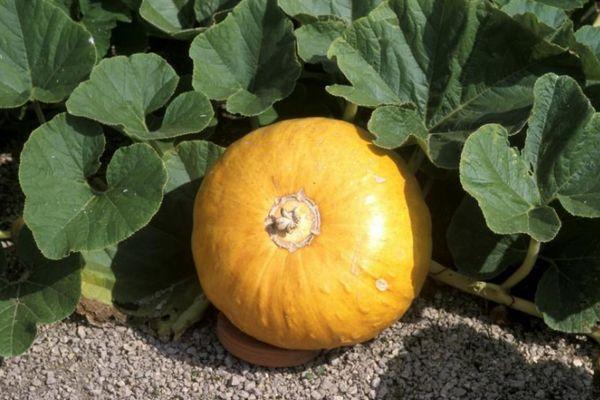
Pumpkins fully develop in August. Therefore, watering the bushes is necessary during the first half of the month. After that, it's recommended to stop watering the beds. The plant has received its required water. Further ripening occurs when moisture levels are low.
Watering in the second half of August will cause the fruit to develop watery, bland flesh. If watered too much, the skin may burst. This fruit is unfit for consumption: it will have to be composted or fed to animals.
Pumpkin watering frequency
To ensure a bountiful pumpkin harvest, it needs to be watered regularly. Watering should be generous but infrequent.
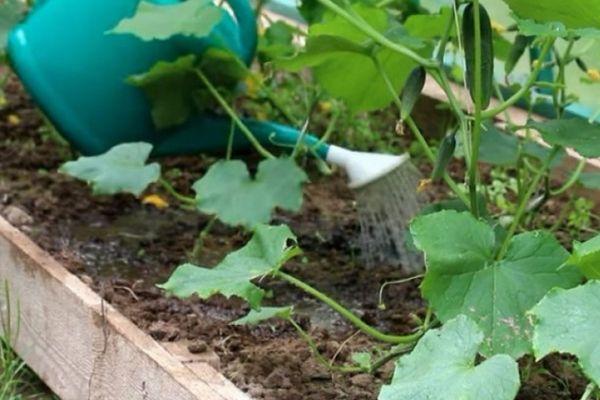
During seed germination, the soil should be kept moist. Then, the young plants should be watered twice a week. Then, the first hilling is done, and watering is stopped for three weeks.
When planting seedlings, the hole is thoroughly moistened. The seedlings are then given time to establish themselves. During this period, the plant is covered with lutrasil to protect it from the sun, and the soil beneath is mulched. Watering is resumed after the second hilling.
During flowering and fruit set, water is added every 10 days. Each bush receives ample water. However, during prolonged rainfall, watering is not necessary. This is necessary to ensure a healthy harvest and prevent the fruit from rotting. While the pumpkins are ripening, watering is not necessary.
Gardeners' recommendations for watering pumpkins using the hole and furrow method
Gardeners often wonder how to properly water pumpkins. Technically accessible methods:
- Hole-based. This method involves making a circular hole around the bush. This hole collects water during watering. It's not possible to apply the entire amount at once; it takes time for the moisture to be absorbed. This method is ideal for small planting spaces.
- Furrow cultivation. Long furrows are dug at a slight angle along the plantings. At the end, an earthen mound is built to prevent water from spreading. A hose is placed in the furrow and water is applied. This method is effective for long beds.
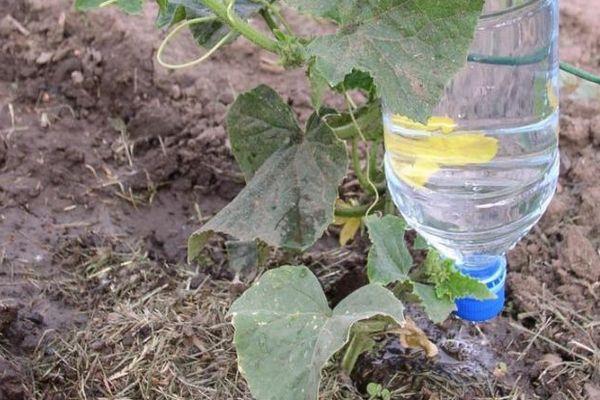
Some gardeners use a special watering method. Five-liter bottles or other containers filled with water are dug into the ground near the pumpkin plants. The bottoms are cut off, and the lids are partially unscrewed. Water is poured into the bottle, which is gradually absorbed by the plant's roots. This watering method allows for efficient use of water.
6 Common Mistakes Gardeners Make When Watering Pumpkins
Growing pumpkins isn't difficult. But gardeners often make six common mistakes that can lead to a poor harvest. Here's what not to do:
- water pumpkins in open ground irregularly (allow excessive drying out and over-watering);
- water in bright (aggressive) sunlight;
- moisten the soil with cold water (leads to root rot);
- pour water onto the soil using a hose or watering can without attachments;
- thoroughly moisten the soil under fragile shoots;
- allow the soil in the root area to become eroded (fine hairs dry out and stop transporting moisture to the leaves and fruits).
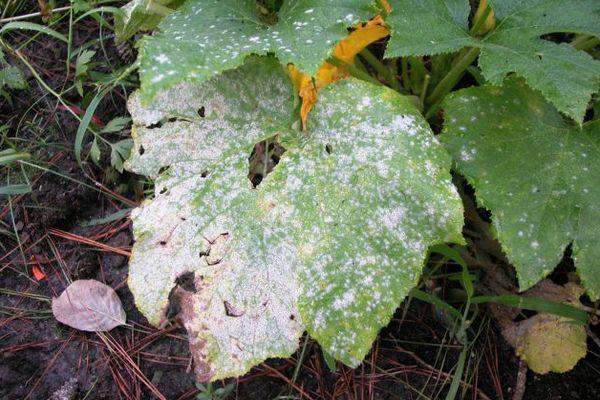
Gardeners often water pumpkins with strong pressure. The liquid hits the green parts and fruit of the plant, along with soil particles. This infects the pumpkin with fungal spores, causing rotting. The soil should be carefully washed off immediately.
Overwatering is especially dangerous during heavy rainfall. If rain persists for a long time, watering should be discontinued. Covering the plantings with transparent film, leaving the ends exposed (for ventilation), is helpful.
Gardeners should know what not to do when caring for melon bushes. Following these simple rules will ensure a bountiful harvest.
Related posts:
 Growing and caring for pumpkins in open ground, planting rules for a good harvest
 50 Best Pumpkin Varieties with Descriptions and Characteristics for Outdoor Planting
 How often should you water cabbage in open ground, how many times, and with what kind of water?
 Why do pumpkin ovaries turn yellow, fall off, and rot in open ground, and what can be done about it?
 How to water cucumbers in a greenhouse and open ground, timing and water consumption rates
 The best eggplant varieties for growing in a polycarbonate greenhouse: planting and care
 Rules for growing pumpkins on a balcony at home and how to choose the right variety
 How often should you water zucchini in open ground? Irrigation rates and methods.