
Bush pumpkins have several advantages over climbing pumpkins, making them a favorite among many gardeners. However, simple cultivation guidelines must be followed, otherwise the harvest may be poor.
Features and benefits of bush pumpkin
Gardeners often grow bush pumpkins. This is because they don't spread or climb, so they don't require large areas to plant.
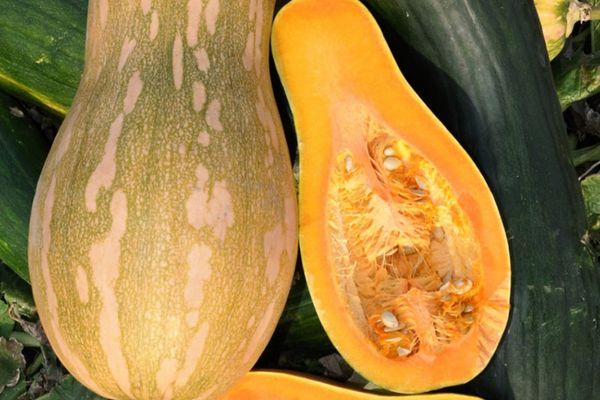
Due to this, bush pumpkin has the following growing characteristics:
- it does not need to be cut or shortened;
- there is no need to tie it up;
- Bushes can be planted at a short distance from each other.
The plant's fruits form at the very base. Its upright stems retain moisture well under the leaves, resulting in a higher yield. The flesh is bright orange, sweet, and very juicy. Pumpkins are typically small, weighing no more than 3 kg. A single bush can produce up to 15 fruits.
Compared to the creeping variety, the bush variety matures faster, requiring approximately 85-100 days.
A review and characteristics of the most popular varieties of bush pumpkins
There are many varieties of this plant. They are easy to grow and resistant to temperature fluctuations. However, to achieve high yields, they should be planted in the ground only after the soil has warmed up well.
Smile
The "Ulybka" pumpkin is a fairly popular variety. It's favored for its early maturity. It ripens very quickly—in about 85 days. Furthermore, gardeners note that the plants tolerate spring cold snaps well and don't rot in sudden temperature fluctuations.

The description of the Smile pumpkin is as follows:
- It produces several short shoots - no more than 6.
- On each shoot, bright orange flowers appear, and where they bloom, fruits form.
- The pumpkins are small in size – the weight of one piece rarely exceeds 1.5 kg.
- The fruit is oval, slightly flattened. The outer skin can be smooth or segmented and yellow.
- The plant has sweet, dark yellow flesh.
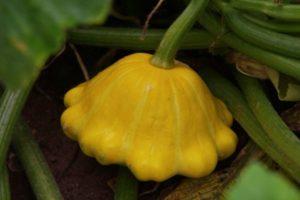
Before choosing this variety, it's important to study the pumpkin's characteristics. It's also important to know how to properly grow and care for the plant.
Medicinal
This mid-season plant takes approximately 105 days to mature. Gardeners appreciate this variety's frost resistance—it tolerates spring frosts well and survives.
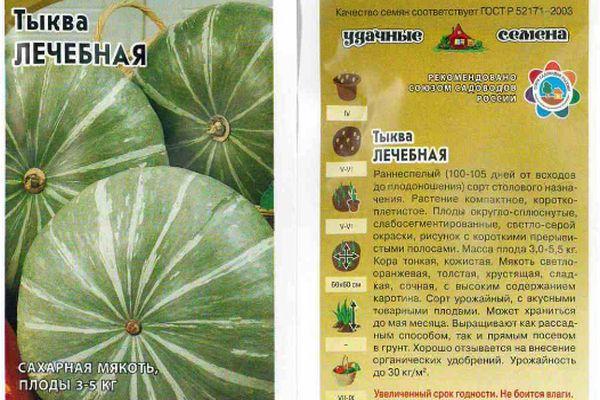
The plant produces large fruits weighing 3-5 kg. They are round, with a slightly segmented surface and a gray color. The skin is very thick, making them easy to transport and resistant to rotting. The flesh is light orange, with a faint melon aroma and a slightly sweet flavor.
Pearl
The plant is mid-season. Its fruits take approximately 100-110 days to fully ripen. It produces a good harvest, producing very large fruits, weighing up to 7 kg. To grow large pumpkins, seeds should be sown in late April, not earlier. After the first shoots appear, proper care will be required.

The fruits are cylindrical, slightly elongated, with a yellow-orange skin. The flesh is meaty, sweet, reddish in color, and has a very pleasant flavor. For a bountiful harvest, this pumpkin variety is best grown in the southern regions of Russia, as it thrives in warm temperatures.
Bush orange
Orange Bush Pumpkin can ripen in 95-105 days, depending on climate conditions. The warmer the weather, the sooner the harvest will be. In extremely dry conditions, the plants need to be watered, otherwise the pumpkins will be small.
When planting, you need to be sure to plant and care for it properly. This variety is generally easy to grow and requires the same conditions as other varieties. It thrives in variable climates, making it suitable for growing in central Russia.
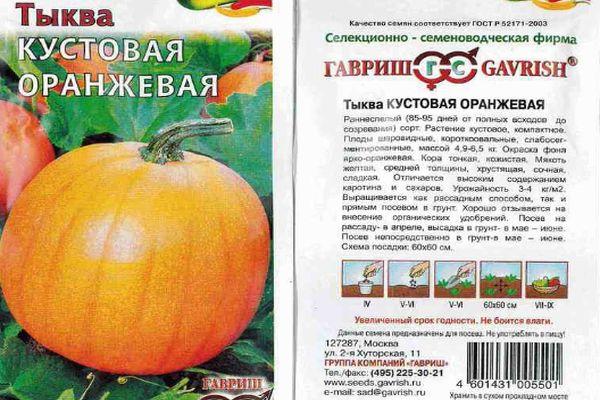
The fruits are slightly elongated, round, and slightly flattened. They can reach fairly large sizes—up to 5 kg—but medium-sized specimens weighing 3-4 kg are more common. Orange pumpkins have a thin skin, so the fruits are susceptible to damage during transportation.
Hundred-pound
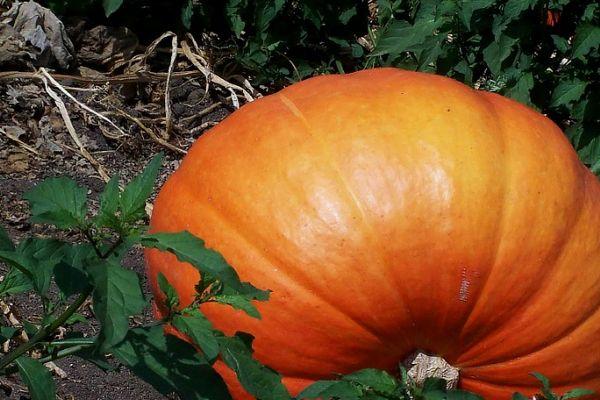
Gardeners are least inclined to prefer varieties with small fruits, which yield little and offer little profit. Therefore, a larger pumpkin was developed. The Stofuntovaya variety produces large fruits. They can weigh up to 10-50 kg, but only under the right growing conditions.
The spherical fruits are covered with bright orange skin. They have thick, crumbly flesh, but it is not sweet and has little flavor. This variety is used for fodder and is successfully used in agriculture.
Amazon
This is a mid-season plant, requiring 90-100 days for the fruit to ripen. The fruits are small, round, and weigh up to 2 kg. Their skin is dark orange with a rough surface. The flesh is very juicy and has a pleasant flavor. The fruits are quite firm, making them easy to transport. However, it is recommended to sort them first to remove any rotten specimens.
Fungal
This is a late-ripening plant, fully ripening approximately 140 days after planting. It can be picked earlier, but it will not store well. The Gribovskaya Winter pumpkin has a round, slightly flattened shape. Its fruits are large—up to 7 kg—and covered with a thick, gray skin.
This variety produces a high yield. The fruits store well throughout the winter without rotting, but their flavor deteriorates with prolonged storage. It has versatile uses, but is most often used in a variety of dishes. The pumpkin seeds are quite large and can also be roasted and eaten.
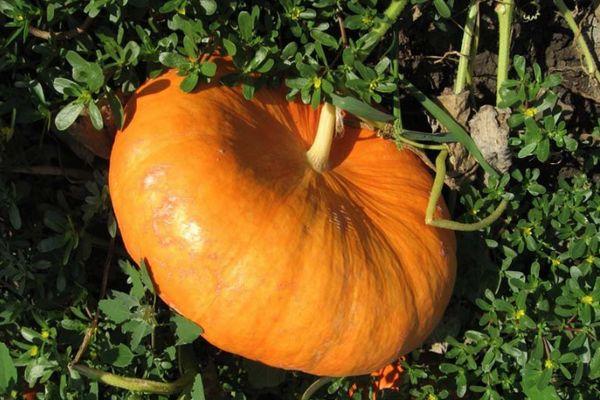
Rouge vif detamp
This is one of the most popular varieties. The fruits are quite large—up to 4 kg—oval-shaped and store well over winter. The flesh is juicy and slightly sweet, making it ideal for making soups, juices, and purees.
When growing this plant in a garden, it needs to be watered occasionally, especially on hot summer days. However, there's no need to spray it with chemicals, as the plant is resistant to various pests.
Caring for Bush Pumpkin
Growing bush pumpkins is easy. Immediately after planting, it's recommended to cover the holes with plastic cups or plastic sheeting. This will prevent the still-weak sprouts, which will emerge in about a week, from freezing.
It requires proper watering and fertilization. Pruning or pinching is not necessary. However, if you want to harvest a small amount of fruit but still want large ones, you can leave only two shoots.
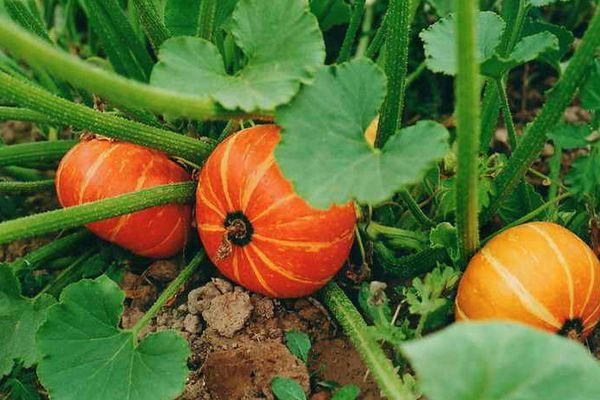
The plants need to be dug in slightly and watered into the trench. Pumpkins thrive in moisture, but they shouldn't be overwatered. Therefore, they need to be watered regularly, but no more than twice a week. If a dry crust forms on the soil, it should be knocked off.
To get a good pumpkin harvest, the plants need to be fed. This should be done every 1-2 weeks. Initially, only organic fertilizers should be used, but over time, you can alternate them with mineral fertilizers.
Thus, bush pumpkin is quite unpretentious. And when grown outdoors, it requires little care.
Related posts:
 50 Best Pumpkin Varieties with Descriptions and Characteristics for Outdoor Planting
 Description of 25 varieties of butternut squash, cultivation and care in open ground
 Why do pumpkin ovaries turn yellow, fall off, and rot in open ground, and what can be done about it?
 Description of 16 varieties of ornamental pumpkins and cultivation features
 Description of the 20 best varieties of large-fruited pumpkin, growing and care rules
 The best recipes for pickled pumpkin for the winter at home
 Description of Butternut pumpkin, features of cultivation and care
 14 step-by-step recipes and instructions for making pumpkin compote for the winter