
If a gardener is looking for a low-maintenance pumpkin variety that produces a high-quality harvest, the Matilda F1 pumpkin is the perfect choice. It's considered one of the best high-yielding and low-maintenance varieties. This Dutch breeder's development is so popular that Matilda can be found on tables in 90 countries worldwide. Among Russians, the Matilda pumpkin is particularly popular.
Characteristics of the Matilda hybrid
This variety is considered early-ripening. This is why Matilda pumpkins can be grown even in short summers, as the pumpkin has time to ripen. Gardeners can begin harvesting the first ripe pumpkins as early as 100 days after planting the seeds. Matilda can be grown without seedlings.
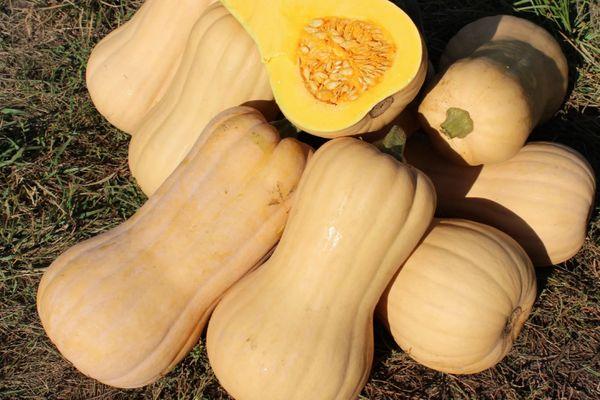
The plant grows very vigorously. The stems resemble vines, bearing numerous large fruits. On average, a single stem of the Matilda variety reaches 4.5 meters. A single vine produces 9-10 pumpkins, each weighing over 2.5 kg. However, the size can be increased by pinching.
If you remove excess flowers from the plant and leave only the first 4, the weight of the fruit can increase almost 2 times.
Experienced gardeners say that with the right approach, you can get up to 15 kg of high-quality fruit per square meter of planting. This makes growing this hybrid very convenient for those with limited space.
Description of fruits
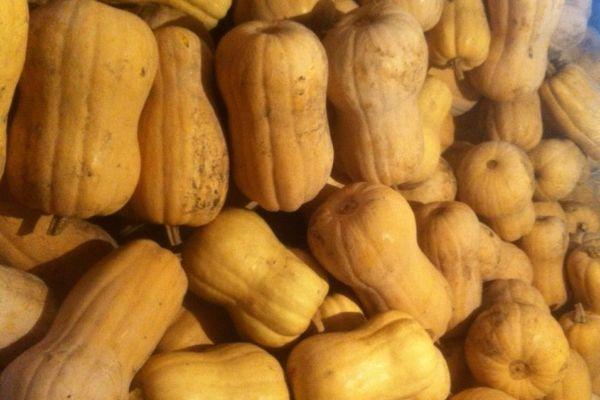
Several flowers appear on long, sturdy vines, followed by pumpkins. Matilda typically produces fruits shaped like enormous pears or elongated maces. Some specimens resemble traditional round pumpkins, but are simply constricted at the center.
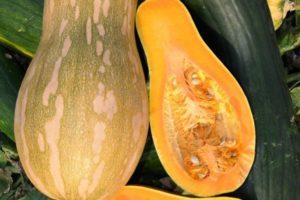
The skin is quite thick, allowing gardeners to store the harvest for a long time. The color can vary. Some specimens have a pinkish rind, while others have a mustard-colored rind. The stem area is clearly ribbed.
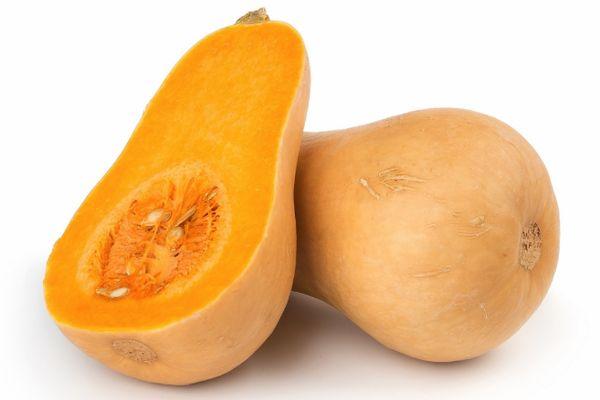
Matilda pumpkins have a very pleasant taste. The flesh is rich, aromatic, and slightly oily. When you first cut into the fruit, you can detect a pleasant nutty aroma. When fully ripe, the flesh should be bright orange. The pumpkin will also have a very pleasant and sweet flavor. If it's underripe, the inside will be pale and lack a distinct pumpkin flavor.
The wide part of the fruit contains a seed chamber. Unlike many other varieties, however, the number of seeds is minimal. Some specimens have no seeds at all. Many gardeners who enjoy collecting seeds believe that planting such a variety would be unprofitable. But when it comes to a hybrid variety, collecting seeds is a futile exercise, as such seed will not produce a pumpkin with the desired characteristics.
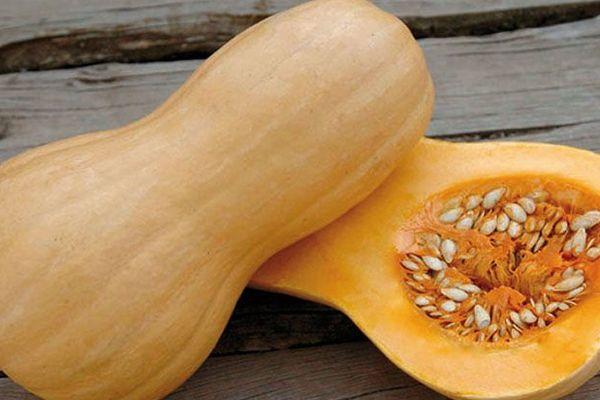
For those growing pumpkins for consumption, the small number of seeds is a plus. Matilda is perfect for making pumpkin porridge, soup, or casserole. But this variety is suitable for more than just hot dishes. Given the sweetness of the fruits, Matilda pumpkins make excellent desserts. They are also often added to fillings and doughs in various dishes.
Pros and cons of a hybrid
Gardeners' reviews of this variety are mostly positive. All characteristics and descriptions as stated by the manufacturer are fully met. However, to obtain the highest quality fruit, it is necessary to adhere to certain cultivation practices. These are easily followed even by novice gardeners.

By following simple pumpkin care guidelines, you can harvest a huge amount of fruit even in less favorable summers. The Matilda variety can easily withstand even significant temperature fluctuations.
Another important feature of this hybrid is that the pumpkins produce a large number of fruits. They have excellent taste. Another important advantage is that the fruits ripen quite quickly.
For many homeowners, the small number of seeds is a positive quality. However, some gardeners consider this a drawback. Gardeners should remember that the plant's full benefits will only be realized if Matilda pumpkin seeds are purchased directly from the manufacturer.
Agricultural technology rules
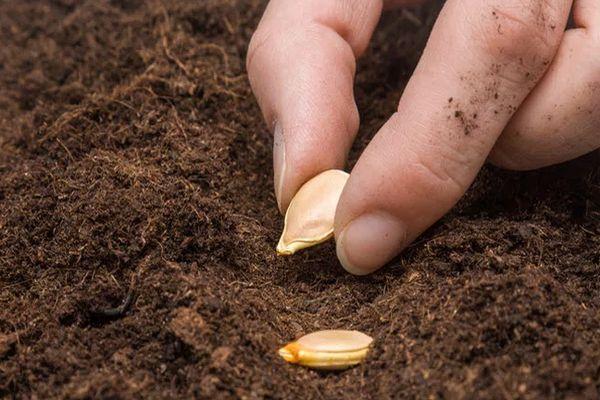
The Matilda hybrid requires minimal care. The main thing is to find a suitable location for sowing the seeds. These pumpkins grow best in sunny beds. If you're growing this variety in the south, you can sow the seeds directly into the soil. However, for central Russia, seedlings are a more suitable option.
Once a suitable bed has been selected, all that's required is weeding and watering the bushes. Fertilizing is also necessary periodically to promote fruit growth.
If the soil is infertile and the gardener does not use fertilizer, there will be no good harvest. Moreover, a lack of nutrients can lead to various diseases.
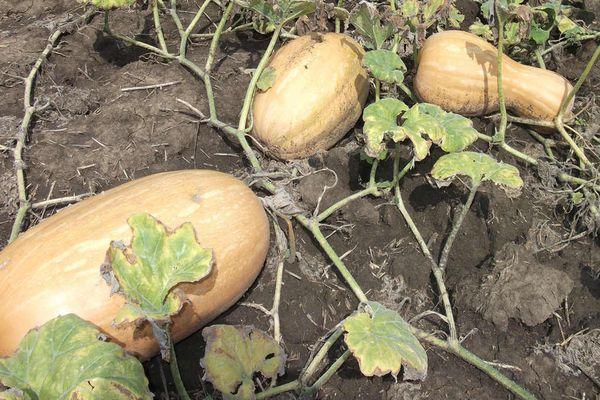
Removing excess leaves from the bush will allow more light to reach the fruit and prevent various diseases from affecting the plant. However, removing all the foliage is not recommended, as the pumpkin will devote all its energy to regenerating the leaves, which will negatively impact fruit growth.
Related posts:
 80 Best Eggplant Varieties for Different Regions with Descriptions and Characteristics
 The best eggplant varieties for growing in a polycarbonate greenhouse: planting and care
 Is it possible to grow an apricot tree from a seed in your garden? How to plant and care for it?
 Planting and caring for cherries, feeding and growing rules
 50 Best Pumpkin Varieties with Descriptions and Characteristics for Outdoor Planting
 Is it possible to plant carrots in July or at the end of June? What are the best days and care instructions?
 Description of the best cucumber varieties for the Urals, planting seedlings and growing
 Carrot care guidelines for outdoor cultivation to ensure a good harvest

The variety of this pumpkin itself pleases with a good yield, and if you add to all this BioGrow, then the result will really please you thoroughly and based on this alone I can recommend this product.