
The Honey pumpkin got its name from its distinctive honey flavor. It's more accurate to say that there are not just one, but several varieties, all united by the honey-flavored flesh. Moreover, the pumpkins' appearance and some characteristics vary greatly.
Characteristics and differences of varieties
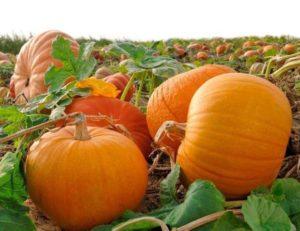
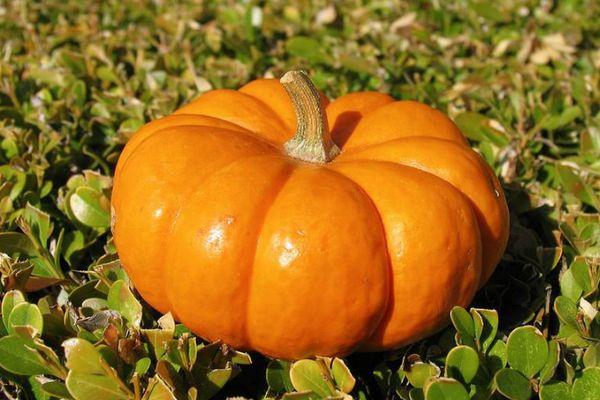
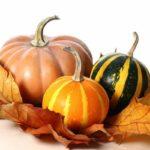
The Honey Dessert pumpkin features orange fruits with a pleasant pink tint, quite large in size. The pumpkins are round but slightly flattened. The segments are clearly visible, and there is usually a characteristic indentation near the stem.
<img class="aligncenter size-full wp-image-14620" src="https://harvesthub.decorexpro.com/wp-content/uploads/2018/05/tykva-medovaya-9.jpg" alt="Orange pumpkin» width=»600″ height=»400″ />
Pumpkins can weigh up to 10 kg, but the average fruit weighs 5-6 kg. Rarely, small pumpkins weighing around 3 kg are found, but this is the exception rather than the rule.
This variety is prized for its dietary properties. The flesh is orange and pleasing to the eye. The Honey Dessert variety is considered early ripening, with an average ripening period of three months. The harvest can be stored for up to three months, but under optimal conditions, longer storage is possible.
The Medovaya Skazka variety appears to be a copy of the previous subspecies, but its weight and size are completely different. Pumpkins weigh approximately 3-4 kg. Ripe fruits are a rich, unblemished orange color. The flesh is also distinctive—yellow and sweet in taste.

This variety is considered mid-season, ripening in 3.5-4 months. It is recommended for making puree and juice. Undamaged fruits store well under proper conditions.
The Honey Crumb pumpkin is another representative of the honey variety. Its distinctive features are its even, nearly uniform size. The fruits are round, an unusual ash-gray color, often with small pale pink spots. They average 3-3.5 kg in weight, but some specimens weigh less than 3 kg. The flesh is a vibrant yellow-orange.
This is the only bush pumpkin variety among its honey-colored cousins. All others have long vines. It's mid-season, maturing in just over 3.5 to 4 months. It's recommended for use in a variety of culinary dishes and, according to reviews, is one of the most versatile pumpkin varieties, suitable for anything in the kitchen.
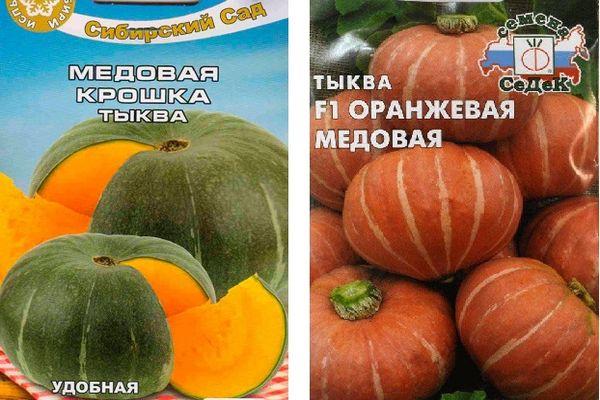
Honey Orange Pumpkin is also suitable for a variety of dishes. It can also be eaten fresh. The small fruits, weighing about 2 kg, have bright orange flesh and are very easy to handle in the kitchen.
They have an interesting appearance—green stripes on a yellow-orange background mark the different segments, creating a very striking look. This variety is mid-season. The harvest can be completed in four months.
Medovaya Krasotka, according to reviews, is the most delicious honey pumpkin. This variety features round, well-defined fruits with distinct segments. It weighs up to 5 kg. The color is orange, sometimes with noticeable green spots. The flesh is also orange. It ripens in up to 3 months, and is considered an early-ripening variety. This pumpkin is recommended for making porridge, purees, and juices.
Features of cultivation
Pumpkin seeds can be stored for several years, but fresh seeds from a recent harvest are best for planting. For hybrid varieties, seeds should be purchased the same year they will be planted.
Selecting high-quality seeds is the key to a good future harvest, so don't risk planting stale seeds. Experienced gardeners confirm that using fresh seeds significantly reduces the risk of losing a future harvest.
Once the seeds are prepared, they need to be planted. Depending on the weather conditions and climate of the growing region, they can be planted either in open ground or in pots.

Clay soils are not the best choice for honey pumpkin. A good harvest will not be achieved in such soils. This should be taken into account when choosing a site for planting pumpkin seeds.
You can loosen the soil as follows: fill pre-dug holes approximately 0.4 m long, wide, and deep with compost mixed with half of the same excavated soil, in equal parts. This will improve the soil's nutritional value and positively impact the growth of future pumpkins.
However, pumpkin cultivation requires fertilizer. It's important to thoroughly mix fertilizers into the soil before applying. If the soil is sandy, a mixture of humus and ash with added superphosphate is suitable. For half a bucket of humus, mix 2 cups of water and 40 grams of superphosphate. If growing in clay soil, the composition is different: add a mixture of wood ash, potassium fertilizer, superphosphate, and ammonium nitrate to each hole. For 1 cup of ash, mix 10 grams of nitrate, 10 grams of fertilizer, and 20 grams of superphosphate.

One of the most important rules when growing pumpkins is to avoid transplanting seedlings. This procedure has a very negative impact on the health of the seedlings. Some varieties are extremely sensitive to changes in growing location.
Any damage to the root system can lead to the death of the plant. Therefore, seeds for seedlings should be planted separately in their own container, and then when transplanting into open ground, the plant must be transferred along with the soil.
Seeds are sown at varying depths depending on the soil type. In sand, they should be sown to a depth of 5-6 cm, while in clay soils, 3-4 cm is sufficient. Reviews indicate that the optimal distance between seedings or seedlings is 0.6-1 m.
Care instructions
Fertilizing should be done using a mullein solution in water. Begin when green shoots appear, then continue during flowering. The procedure can then be repeated a couple of times, or three times a month if necessary.
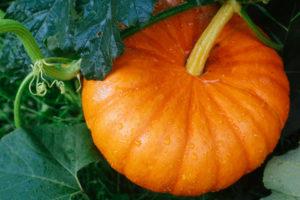
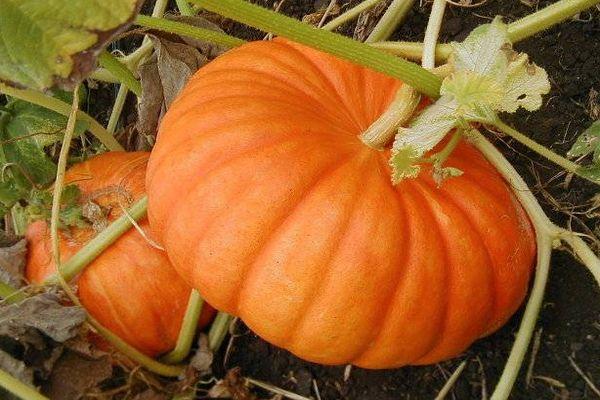
Without shaping the bushes, it's impossible to grow large pumpkins. A single shoot shouldn't have more than three pumpkins, otherwise the fruits will be small and unusable.
Watering has its own specific requirements. Before flowering, the beds need to be kept moist. During flowering, wait until the soil dries out before watering. Watering should be stopped completely before the plants reach full maturity.
Growing pumpkins isn't particularly difficult and is sure to yield good results if you follow proper care and understand the growing process. The honey-flavored harvest will be a reward for your patience and hard work.
Related posts:
 50 Best Pumpkin Varieties with Descriptions and Characteristics for Outdoor Planting
 Growing and caring for pumpkins in open ground, planting rules for a good harvest
 Rules for growing pumpkins on a balcony at home and how to choose the right variety
 Why do pumpkin ovaries turn yellow, fall off, and rot in open ground, and what can be done about it?
 Description of 25 varieties of butternut squash, cultivation and care in open ground
 How often should you water pumpkins in open ground in August during hot weather?
 Description of the 20 best varieties of large-fruited pumpkin, growing and care rules
 How to shape and pinch pumpkins in open ground to get a good harvest