
Pumpkin is considered one of the most beloved vegetables, containing a large amount of micronutrients and vitamins. It's grown worldwide, but only a few manage to harvest large pumpkins. This is due to improper care. To reap a bountiful harvest of enormous pumpkins, just one procedure is necessary. Knowing how to properly pinch pumpkins outdoors can influence the size and quality of the fruit.
This procedure is performed on both climbing and bush pumpkin varieties. Many people also wonder whether pinching is possible. It's also important to know the pumpkin shaping procedure depending on the chosen pruning method.

Why do you need to pinch?
This question is constantly on the lips of experienced gardeners. Half of them claim that pruning melons exposes them to pests. Pinching, they argue, creates ideal conditions for disease development. The rest disagree, claiming that this procedure increases yield and strengthens the plant's immune system.
To determine which side to use and whether pinching a melon is worthwhile, it's important to consider the advantages and disadvantages of the procedure. Among the advantages are:
- the possibility of proper pumpkin formation in open ground;
- the amount of fertilizer required to feed the main stem and lateral shoots;
- By pinching, it is possible to adjust the length of the main stem, which saves space on the plot of land;
- The method is suitable for gardeners with limited space in their dachas;
- pruning the tendrils, leaves and ovaries will speed up the ripening of the crop, which is so important in countries with short summers;
- Pinching helps the plant to develop normally and absorb the required amount of sunlight during the growth period.

If you choose this method of growing pumpkins, you won't go wrong. The results will be immediate, and after the last pumpkin, you'll want to repeat the pruning next season. However, along with the advantages, there are also some disadvantages, fortunately, few.
A person is required to constantly inspect the melon bushes for suckers, so the work is considered painstaking. It's always difficult at first, but if a person does the procedure at least once, it will become easier in the future.

When to pinch pumpkin
Pumpkin pruning begins when several fruits at least 10 cm in diameter have formed on the plant. Four to six leaves should remain above each pumpkin. To ensure large fruits, no more than five ovaries should be left. The local climate and variety of pumpkin should be taken into account when pinching pumpkins.
The procedure is carried out in the morning. It is recommended to use pruning shears, scissors, or a knife. A scab will form over the wound within a day, protecting it from external influences. If the weather is cloudy and there is no rain (the soil is moderately moist), pruning can be done during the day. Then, proceed to shaping the pumpkin vines.

How it is done
If you're new to this procedure, you might wonder how to properly pinch a pumpkin without harming the plant. The main difference between bush pumpkins and pumpkins is the lack of long shoots. The bush is a compact plant. But this doesn't mean you should avoid pruning.
The procedure for execution is as follows:
- Pruning is carried out after the first fruit appears on the bush.
- During the growing season, it is not recommended to leave side shoots. Side shoots are removed from the pumpkin at the same time as pruning.
- No matter what the pumpkin is a bush, you need to form 2 stems with fruits.
- Excess leaves should be removed so that they do not shade the fruits.
- Pumpkins, which have a bushy structure, are characterized by a large number of shoots and short internodes. Therefore, dense planting should be avoided.

At the end of summer, pinching the growing points will direct nutrients to the fruit. This is essential, as it positively impacts the pumpkin's shelf life.
It's important that the harvested fruit is ripe and undamaged. This way, it can be preserved until the next harvest.
Video: Growing and pinching
The pattern for climbing pumpkin varieties is slightly different. Even a beginner can grow a huge pumpkin with excellent flavor. No prior gardening experience is required. It will be challenging at first, as the gardener will need to learn some basic growing techniques.
To grow pumpkin, one of two methods is used:
- seedling;
- seedless.
In the first case, seed planting begins in late April and continues until early May. It is recommended to follow the manufacturer's instructions, as each variety requires its own specific planting procedure. Seed containers are kept on windowsills in living areas or a greenhouse. Warm, humid air is essential.
To ensure rapid germination, ensure the air temperature does not drop below 25°C. It's best to choose soil rich in beneficial micronutrients. Ready-made mixtures can be purchased at flower shops or prepared at home. The mixture should contain river sand, peat, and turf soil.

The direct-seeding method eliminates the need to plant seeds in containers. Pumpkin seeds are sown directly into open soil. The hole should be 5-10 cm deep, leaving at least 75 cm of space between holes. Fertilize the soil before planting to ensure a good harvest.
Pumpkins don't tolerate damp, cold weather, so these nuances must be considered before planting. Proper and regular care promotes healthy growth. Bush training, pinching, and side-shoot removal play an important role during pumpkin growth and development. Pest and disease resistance depend on proper care.
Pinching is done after the shoots reach 2 m in length.

Growing technologies
Pinching a pumpkin is a simple process. There are several ways to shape the vegetable:
- A single shoot. The central shoot is left. Additional stems are removed after they have formed, as are the ovaries. By pinching the growing point, 5 to 7 leaves are retained. These leaves are located at the last fruit.
- Two shoots. This involves preserving the main shoot and a side shoot, which is selected based on its strength. The main stem should have no more than three fruits, with four leaves left above the last. The side shoot should have only one. Five leaves should be counted from this shoot and pinched.
- Three shoots. The central stem should have only two fruits. The outer stems should have one each. As in the previous case, pinch the growing point after the fifth leaf.

Each method has its advantages. The choice depends on the planting location and other factors. In any case, the fruits are rich in vitamins and grow large and tasty.

The result of pinching
If you still have questions after reading the pinching recommendations, you can watch the video. This will allow you to learn more about the procedure and avoid mistakes during it. Furthermore, the authors share secrets for achieving results the first time. All the individual characteristics of the selected variety are also taken into account, which plays an important role during the procedure.
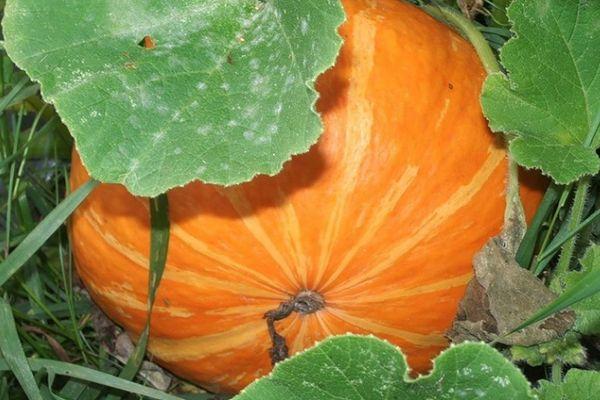
Pinching pumpkins in open ground is a necessary procedure. Under the complicated name of the procedure, beginners imagine it to be a complex procedure. But it's not as difficult as it might seem at first glance. This allows the plant to develop a strong immune system, which increases its resistance to various pests and diseases.
Crops that survive pinching produce better-quality harvests. They don't need to waste energy growing additional shoots and leaves. Vitamins and other nutrients are directed toward nourishing the fruit and promoting rapid ripening. Generally, pinching is worth a try if the gardener has never done it before.
Related posts:
 Growing and caring for pumpkins in open ground, planting rules for a good harvest
 Why do pumpkin ovaries turn yellow, fall off, and rot in open ground, and what can be done about it?
 50 Best Pumpkin Varieties with Descriptions and Characteristics for Outdoor Planting
 Rules for growing pumpkins on a balcony at home and how to choose the right variety
 How often should you water pumpkins in open ground in August during hot weather?
 Description of 25 varieties of butternut squash, cultivation and care in open ground
 14 step-by-step recipes and instructions for making pumpkin compote for the winter
 Why did my pumpkin leaves start to turn yellow and what to do about it, and how to combat it