
- General information and classification of pumpkins
- Muscat varieties
- Vitamin
- Spanish guitar
- Marble
- Muscat de Provence
- Nutty
- Candied
- Large-fruited varieties
- Russian porridge
- Arina
- Roll
- Big Moon
- Pumpkin Lantern
- Hard-shelled pumpkin
- Acorn
- Fetch
- Gymnosperms
- Spaghetti
- Freckle
- Acorn squash
- Green pumpkin
- Gribovskaya 189
- Altai
- Gymnosperms
- Bun
- Varieties for Siberia and the Urals
- Pearl
- Winter sweet
- Candy
- Medicinal
- Honey
- Gray Volga
- Sweet varieties
- Sweet tooth
- Wax gourd or Benincasa
- Smile
- Varieties for the Moscow region
- Melon
- Dawn
- Chit
- Fig-leaved
- Almond
- Champagne Pastila
- Russian woman
- Sweet pie
- Hokkaido
- Hybrid varieties
- Hazelnut F1
- Matilda F1
- Ruddy donut F1
- F1 Sweet Donut
- The best ornamental varieties
- Star-shaped
- Warty
- Turban-shaped
- Pear-shaped
- Tangerine
- Sweet varieties
- Porcelain doll
- Children's delicatessen
Pumpkin is a popular and sought-after staple, rich in vitamins, microelements, and fiber. This vegetable originated in Mexico and was brought to Europe by the Spanish in the 16th century. There are over two dozen known varieties of pumpkin, each with its own unique and interesting flavor.
General information and classification of pumpkins
Pumpkin (Curcuma pepo) is an annual herbaceous plant with a branched taproot, belonging to the genus of the same name and the family Cucurbitaceae. The long-petiolate leaves are heart-shaped or five-lobed. The large, solitary flowers of pumpkins are unisexual and differ in the structure of the peduncle—males have a long peduncle, while females have a short peduncle.
The flowers are yellow or orange. The flowering period is June-July. Honeybees obtain pollen and nectar from the pumpkin flowers. The pumpkin fruits ripen during August and September. They are large, fleshy, and smooth, spherical or oval in shape, with a hard rind on the outside and numerous seeds inside.
The main beneficial substances contained in pumpkin pulp are B vitamins, ascorbic acid, carotene, plant fiber, copper, zinc, iron, magnesium and calcium.
Pumpkin varieties are classified based on their intended use. There are three major categories:
- Decorative (or toy) plants. Planted along the walls and fences of private homes.
- Table vegetables - vegetables used by humans for food.
- Feed intended for animal nutrition.
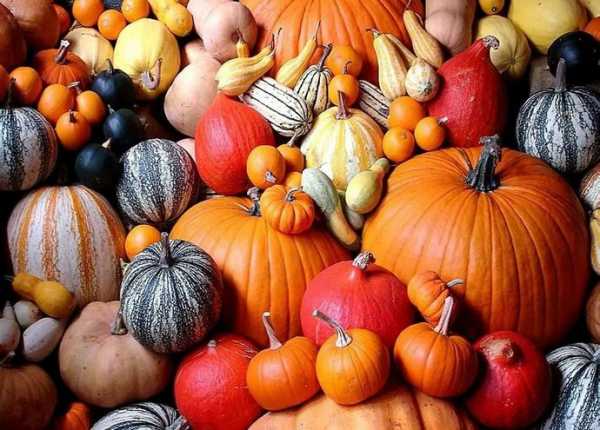
Pumpkin varieties are divided into nutmeg, large-fruited and hard-rind.
Muscat varieties
The characteristic features of butternut squash varieties include elongated, cylindrical or pear-shaped fruits, brown or yellowish-dirty seeds, and a distinct nutmeg aroma. The stem resembles a pentagon when cut.
Vitamin
This is a late-ripening melon crop with a growing season lasting up to 130 calendar days. The fruit is wide oval in shape and can weigh between 4 and 7 kilograms.
The fruits ripen in late September or early October. Their tender, crisp flesh has a pleasant, slightly sweet flavor.
Spanish guitar
This mid-season variety is characterized by elongated, guitar-shaped fruits. The pulp content is 95%. The fruits are sweet and delicate in flavor, reminiscent of apricot.
Marble
Marbled pumpkin is a late-ripening variety. It produces large fruits, with a minimum weight of 6 kg. The thin, soft skin is green or dark gray with lighter spots. The flesh is a rich orange, juicy, and sweet. This variety is suitable for growing in southern regions. In cooler climates, there is a risk of flavor degradation.
Muscat de Provence
This is a mid-season French variety of butternut squash, developed by the Clause Tezier company.
Its advantages:
- high yield;
- ease of care;
- good shelf life;
- trouble-free transportation;
- excellent taste properties.
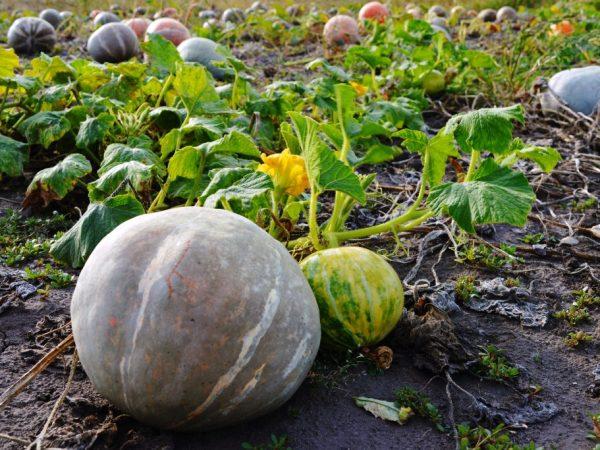
The Muscat de Provence pumpkin thrives in temperate and warm climates. The orange-brown fruits are round and slightly flattened with pronounced ribbing. When ripe, the firm rind takes on a grayish-green hue. The flesh is very firm and sweet, with a bright orange color.
Nutty
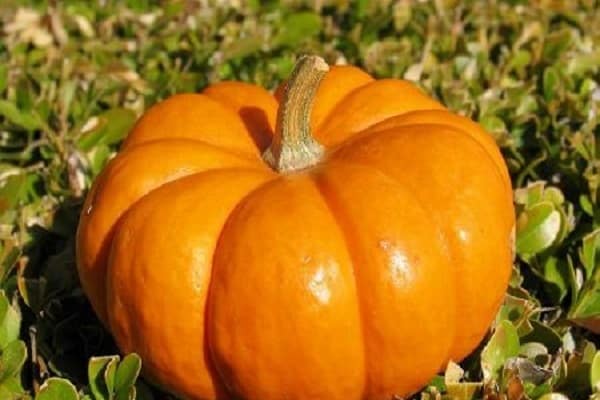
Butternut squash is also known as butternut, which literally means "butter nut." The fruit is pear-shaped. Its lower portion, where the seeds are concentrated, is noticeably expanded. The remaining space is occupied by the juicy and sweet flesh. The fruit is small, with an average weight of one and a half kilograms.
Candied
Candied pumpkin is widely used in the confectionery industry. This variety is characterized by mid-late ripening. The fruits average 5 kg in weight and are slightly flattened and wide.
Large-fruited varieties
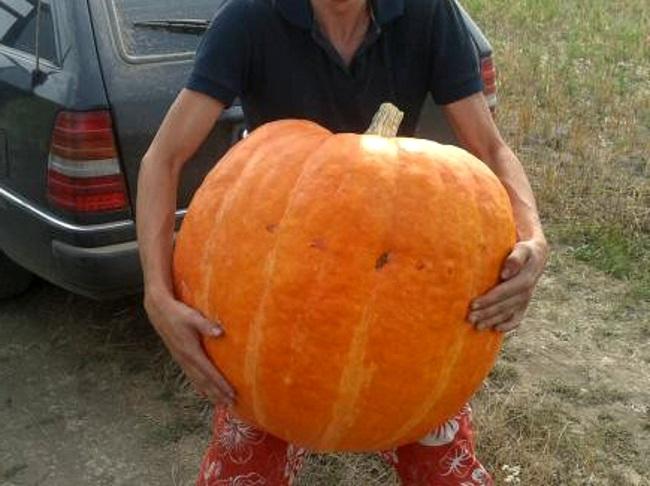
Large-fruited pumpkin varieties are distinguished by their impressive size, ease of care, and adaptability to various climatic conditions.
Russian porridge
Russkaya Kasha is a classic example of a large-fruited pumpkin variety. Long, strong vines produce 3-4 round, flat, lightly ribbed fruits. The rind is orange with a pinkish tint. This variety is resistant to diseases and pests and is suitable for long-term storage. The fruits are used to make porridge and juices, and are also suitable for drying and curing.

Arina
This variety is distinguished by its early ripening and turban-shaped fruits with white or light gray skin. The tender pulp is used in dietary and baby food, and they make delicious juices and purees.
Roll
Valok is a mid-season variety characterized by compact bushes and large fruits, reaching 8 kilograms in weight. The skin is gray.
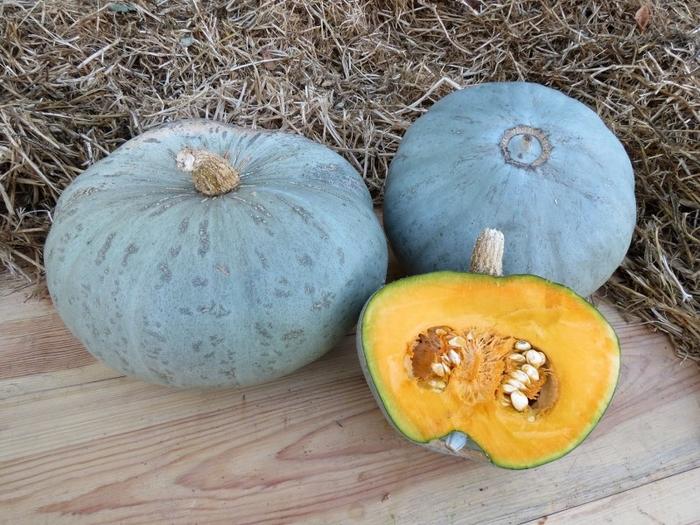
Big Moon
The mid-late table variety Big Moon produces fruits weighing up to 40 kilograms and boasting excellent flavor. It grows best in a sunny, warm climate.
Pumpkin Lantern
The mid-season table pumpkin "Lantern" is characterized by its low maintenance, good shelf life, and transportability. The fruits are bright orange, patternless, and flattened.
The dense, juicy and crispy flesh of a rich yellow colour is ideal for making porridges and juices.
It can also be used baked due to its excellent taste and many beneficial properties.
Hard-shelled pumpkin
The formation of a thick, firm rind is the main characteristic of hard-rinded pumpkin varieties. Other characteristics include early ripening, excellent seed flavor, and minimal sugar content.
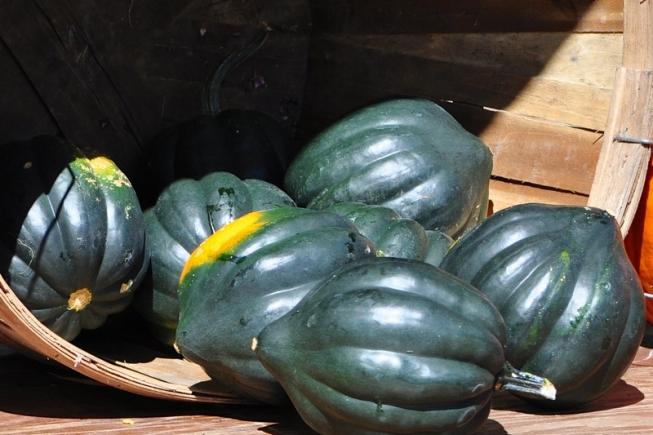
Acorn
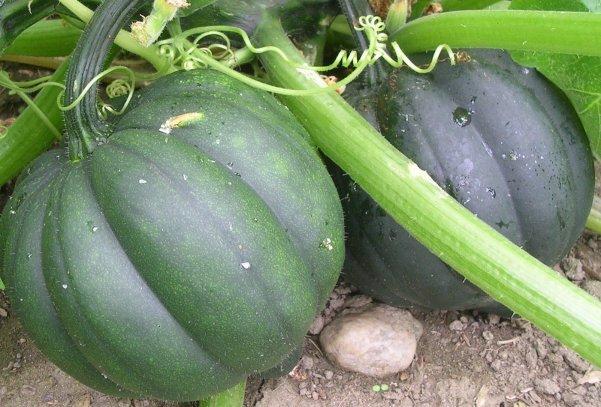
Acorn squash, also known as acorn squash, is compact in size. Its thick, textured skin can range in color from orange to dark green. Inside, the vegetable contains yellow-orange flesh with a distinctly sweet flavor.
Fetch
The mid-season Aport pumpkin has a traditional, patternless orange skin, revealing juicy, crisp yellow flesh. The fruit has a very pleasant, slightly sweet, creamy flavor.
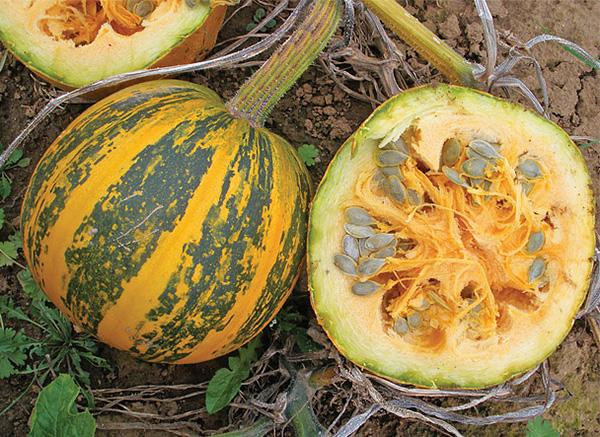
Gymnosperms
The fruits of this mid-season variety are spherical or pear-shaped. They are characterized by a green color with a contrasting yellow mesh. Their main characteristic is the very large, fleshy seeds, rich in nutritious oil, and their shellless appearance.
Spaghetti
This early-ripening variety got its name from the flesh's resemblance to the well-known pasta. The fruit's shape is pale yellow and reminiscent of a melon. It's compact, weighing about a kilogram on average.
Freckle
Vesnushka is an early-ripening pumpkin variety weighing from 500 g to 3 kg. The green fruit is punctuated with yellow flecks. The flesh has a sweet and delicate flavor reminiscent of pear.
Acorn squash
The acorn squash gets its name from its resemblance to an acorn. It is an early-ripening table variety with compact fruits. The hard skin comes in orange, orange-green, and dark green.
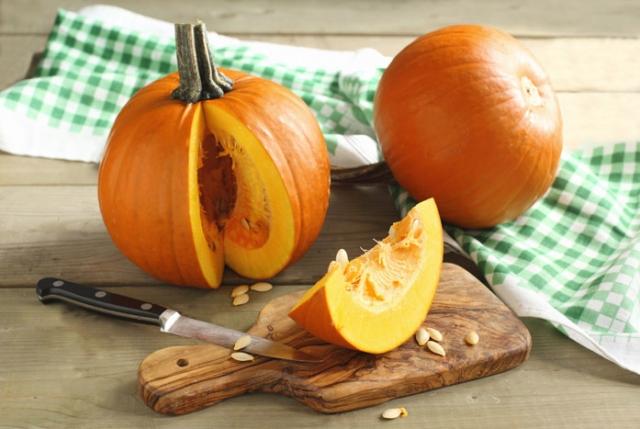
Green pumpkin
Green pumpkin can have a smooth or ribbed, dense skin. Its flesh, like most other varieties, is orange. This vegetable is used to make porridge, puree, and pie fillings. The most famous varieties of green pumpkin are the Frog Princess, Acorn, Harlequin, and Freckles.
Gribovskaya 189
This oldest and widely known variety in Russia is an early-ripening variety characterized by its bushy growth habit.
The fruits are oblong and ovoid. The skin can be smooth or ribbed.
As the fruit ripens, its color changes from green to light orange. Ripe pumpkins often retain distinctive green mottled stripes.
Altai
This Altai pumpkin variety has been known since the mid-1950s. It is resistant to low temperatures. The fruits are short, cylindrical, and oval in shape with a smooth or ribbed surface. The woody, hard rind is deep yellow or light orange with green stripes. Beneath it lies lemon- or yellow-hued flesh.
Gymnosperms
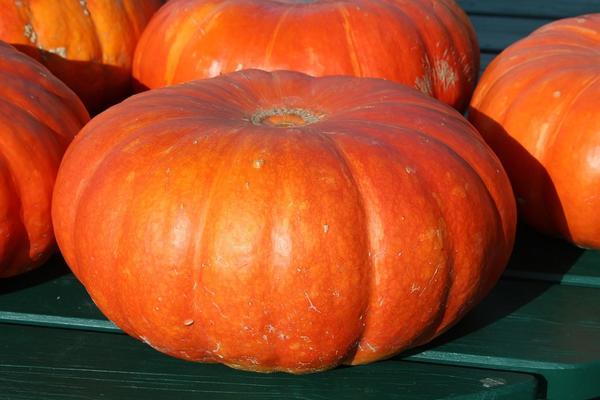
Gymnospermous pumpkin fruits are round, cylindrical, or pear-shaped. The thick, firm, slightly ribbed skin is yellow, orange, or dark green. Instead of a tough rind, the seeds have a thin, edible membrane rich in fiber.
Bun
This is an early-ripening table variety with compact fruits weighing up to 1.5 kilograms. The flat-round fruits form in large numbers on the stem. The juicy yellow flesh is rich in carotene and B vitamins.
Varieties for Siberia and the Urals
For open ground cultivation in Siberia and the Urals, pumpkin varieties with increased frost resistance should be selected.
Pearl
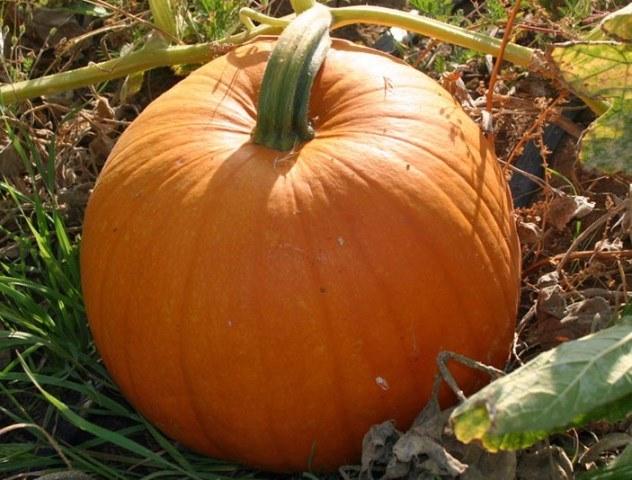
Zhemchuzhina is a heat-loving pumpkin variety that's an exception to the rule. Its main advantage is its ability to thrive in cooler temperatures. The fruits are cylindrical, slightly thicker at the tip. The skin is a classic orange color. The tender flesh has a pleasant, slightly sweet flavor.
Winter sweet
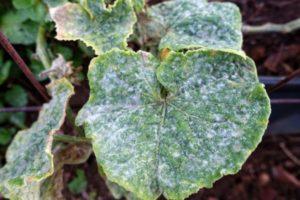
This winter sweet pumpkin variety was developed in 1995. Its undemanding soil conditions and cold tolerance have made it popular in northern regions. It is resistant to anthracnose and powdery mildew.
The shape of the vegetable is round and strongly flattened on the sides with pronounced segments and ribs.
When ripe, the skin turns gray with dark and light patches. The flesh is juicy and thick, orange or deep yellow.
Candy
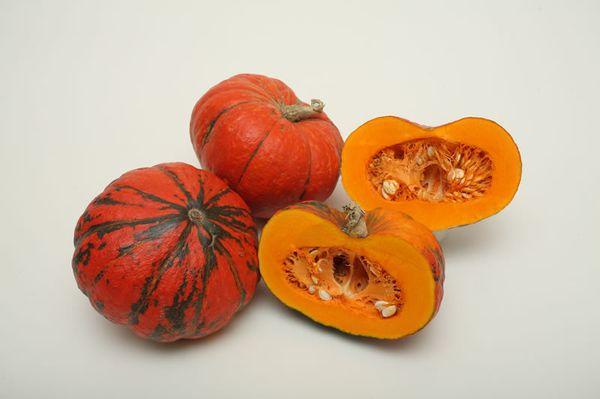
This is a mid-season, portion-bearing variety capable of producing a bountiful harvest. The large, reddish-orange fruit contains sweet, crisp flesh with an abundance of juice.
Medicinal
This variety got its name from its abundant medicinal properties. It contains the highest amounts of carotene and B vitamins. The fruits are large, weighing approximately 4.5 kg. The skin is orange or gray-green. The orange, juicy flesh has a distinctly sweet flavor. This variety is virtually immune to pests and diseases.
Honey
This variety is characterized by the sweetest flavor. It has a very thin but dense rind of a bright orange color. The juicy pulp reaches a thickness of 10 cm. It ripens early.
Gray Volga
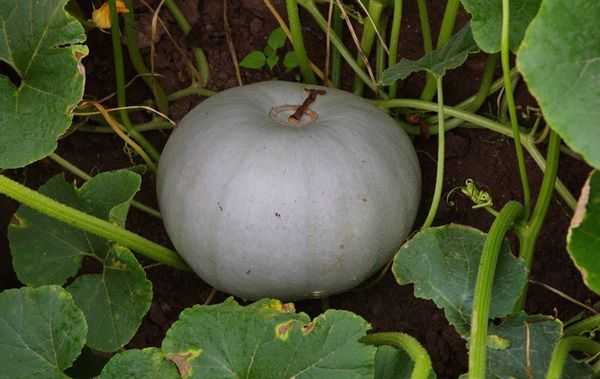
This crop is characterized by its particularly large size and round shape with a patternless gray color. Each fruit averages 10 kg in weight. Its thick, strong skin makes it easy to transport and store throughout the winter.
Sweet varieties
Sweet pumpkin varieties require careful care.It should be taken into account that sugar content is negatively affected by factors such as a deficiency of mineral fertilizers, excess or decrease in humidity, and cold weather.These vegetables are used to make jam, preserves, pie fillings, and other desserts.
Sweet tooth
An early-ripening melon rich in pectin and vitamins. The fruit is large. It is resistant to heat, drought, and cold, allowing it to be grown successfully in any climate. The dense, starchy flesh is suitable for freezing, cooking, and candied fruit.
Wax gourd or Benincasa
Benincasa, or wax gourd, is a special variety popular in traditional Chinese medicine. It has an elongated shape and a green color. Stir-fried Benincasa slices pair well with fish dishes. The pulp of this vegetable is also used in casseroles, salads, and soups. An important feature is its long shelf life. The fruits can be stored for 2-3 years under normal room conditions.
Smile
An early-ripening variety with a high yield. A single plant stem produces up to seven medium-sized, round, orange fruits with lighter stripes. Beneath the medium-thick rind lies dense, sweet flesh with a melon-like aroma.
Varieties for the Moscow region
The Moscow region's climate is unstable, so it's important to select pumpkin varieties and species that are resilient to atmospheric fluctuations.
Melon
One of the sweetest varieties with a distinct melon aroma. Full ripening occurs 100 days after the first shoots emerge. The fruits are large, weighing up to 30 kg. Their valuable qualities include drought and frost resistance, as well as a pleasant flavor. Melon pumpkin can be eaten both in various dishes and fresh.
Dawn
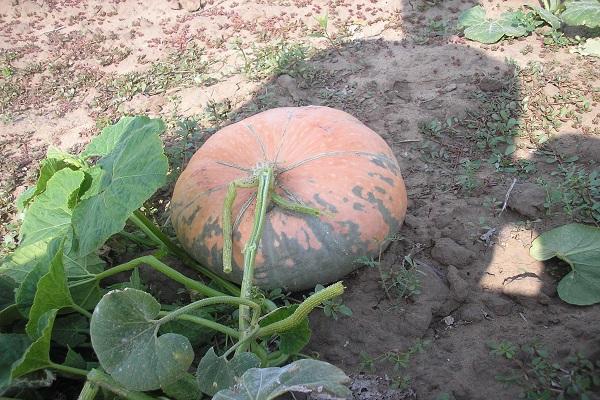
One of the most delicious melons, characterized by the highest carotene and sugar content. This mid-season variety has strong stems and large fruits. The shape is round and slightly flattened. The skin is grayish-green with yellow spots and stripes. The dense and juicy flesh has a bright, rich yellow color.
Chit
This variety produces medium-sized fruits weighing up to three kilograms. Ripening is mid-early, about 120 days. The skin has a dense, woody texture and a very light gray, almost white, color. The flesh is juicy and firm, high in sugar, and light yellow. This variety is highly resistant to common diseases.
Fig-leaved
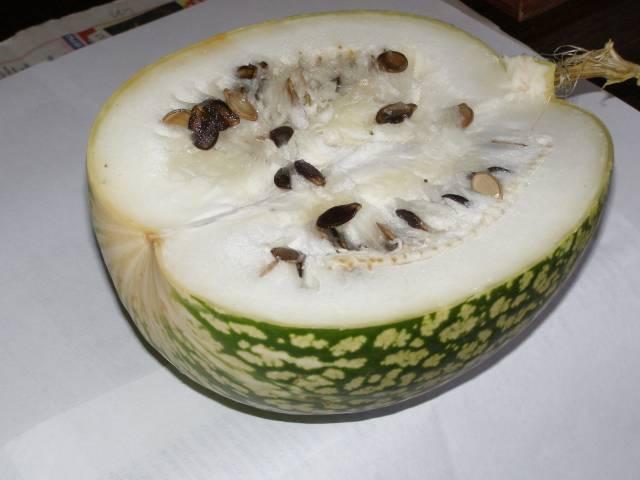
This variety is also known as Black Seed. The leaves are shaped like fig leaves. The hard, pentagonal stems can reach 20 meters in length. The fruit is oval and elongated. The rind is light green or white with dark green stripes and spots. The seeds are black, twice the size of watermelon seeds.
Almond
A high-yielding variety with a medium ripening period. The fruits are slightly flattened and round, with a smooth surface and slight ribbing. As they ripen, the skin gradually changes from green to a brownish-orange color. Light brown spots and stripes appear on the surface.
Champagne Pastila
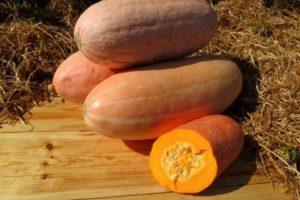
A variety quite unlike any other. It has an elongated, elliptical shape. The skin is medium-thick and pinkish in color. The juicy orange flesh fills almost the entire interior and has an enticing vanilla aroma.
Russian woman
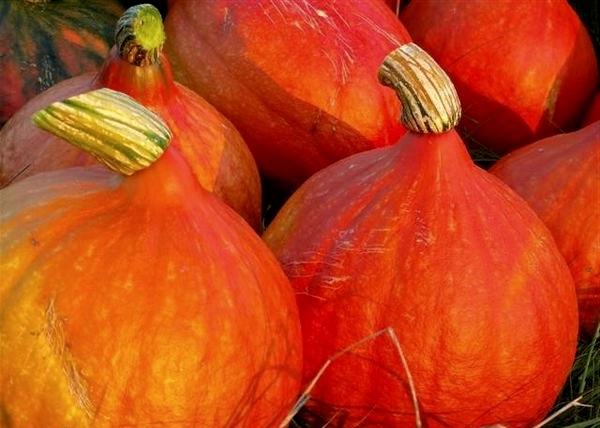
An early-ripening, frost-resistant, and high-yielding variety, it is extremely popular among domestic gardeners. Its sturdy vines produce medium-sized fruits weighing approximately 3 kg. The fruit is shaped like a pear or a spinning top. Beneath the orange skin lies tender yellow flesh with a melon-like aroma.
Sweet pie
This is a table variety characterized by early ripening. It produces round, flattened, and faceted fruits of an orange-red color. The juicy and crisp flesh has a pleasant yellow tint. A stable harvest is guaranteed under any weather conditions.
Hokkaido
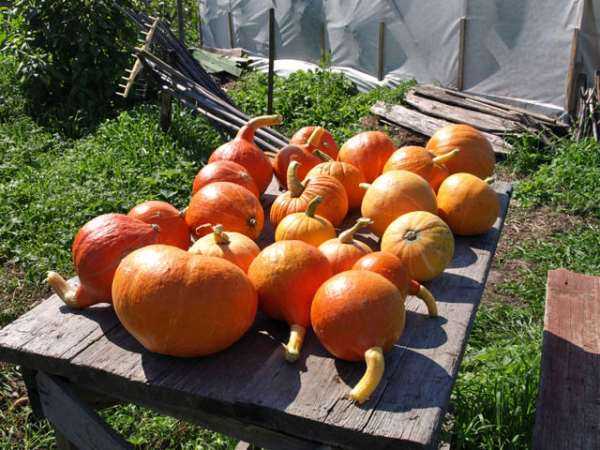
This variety originated in Japan. The pumpkin fruits ripen early and are pear-shaped. They weigh only 1.5-2 kilograms. The skin is thin and comes in colors ranging from red, green, gray, and bright orange. The juicy flesh, with a nutmeg aroma, has a rich yellow-orange color.
Hybrid varieties
Hybrid pumpkin varieties are renowned for their excellent flavor, ease of cultivation, and resistance to various adverse conditions. It's worth familiarizing yourself with the most popular varieties.
Hazelnut F1
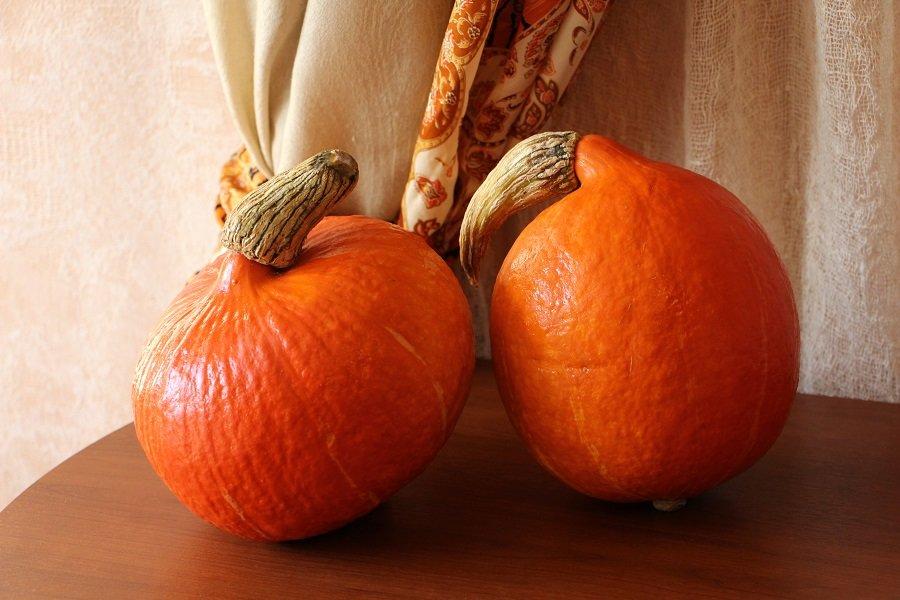
A unique hybrid variety with a distinct nutty flavor. It easily tolerates drought and cold, maturing within 100 days. This pumpkin has large, lush leaves. The thick skin is reddish-orange. The aromatic and delicious flesh is used in pies, puddings, and casseroles.
Matilda F1
This is a Dutch-bred, mid-season table variety. Matilda is characterized by strong stems and heart-shaped leaves.
The large fruits are bottle-shaped, widening at the base. When ripe, they can be mustard yellow or orange.
The oily flesh is also orange. One of the characteristics of this hybrid is the minimal number or complete absence of seeds.
Ruddy donut F1
A robust, vining hybrid with beautiful pink fruits. Ripening time is mid-season, yield is high. The pumpkin has a sweet and juicy flavor, making it suitable for eating raw. It is also used in purees, soups, porridges, and pie fillings.
F1 Sweet Donut
This hybrid variety is characterized by exceptionally sweet pulp, which is widely used in cooking. The fruits ripen late, reaching their peak sugar concentration by December.
The best ornamental varieties
Ornamental pumpkin varieties They amaze the imagination with their bizarre shapes. They combine external beauty, rapid growth, and ease of care.
Star-shaped
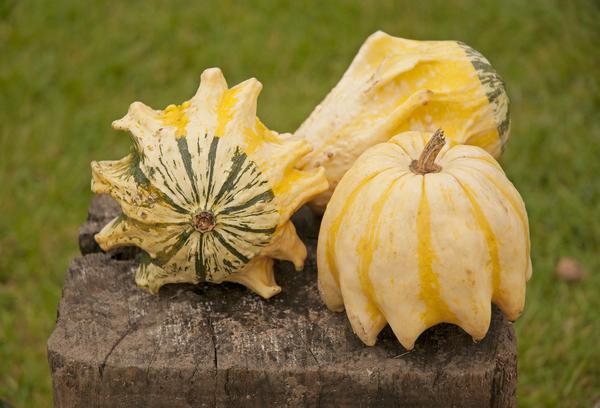
Star pumpkin is also called crown pumpkin due to its distinctive shape. Its appearance resembles a squash or starfish. The plant grows no more than 1-2 meters in height. It comes in yellow, green, white, orange, or a combination of colors. It is used to decorate arches, gazebos, and building walls.
Warty
Unique plants with a range of colors, including orange, yellow, white, black, and dark green. There are also specimens with striking variegation. The rind is densely covered with wart-like tubercles. The structure is pear-shaped or rounded.
Turban-shaped
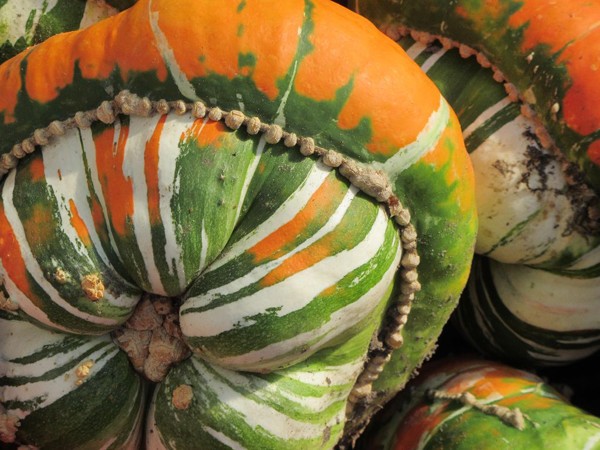
The turban-shaped variety is also known as the "churban mushroom." The fruit consists of two parts.
Pear-shaped
As the name suggests, the shape of this variety's fruits resembles pears. They are predominantly yellow in color, although other shades are also found.
Tangerine
The fruits of this ornamental variety are compact, bright orange, and round, ribbed with numerous segments. The average weight of a pumpkin is 300 grams.
Sweet varieties
Many gardeners will find it useful to read the descriptions of popular sweet pumpkin varieties.
Porcelain doll
A late-ripening hybrid variety with an attractive pink skin. The fruits weigh at least 10 kilograms. Dark orange, tender and sweet, they are used in dishes and desserts.
Children's delicatessen
This mid-season variety is characterized by a flattened round shape and a rich orange color. The juicy, sweet flesh has a pleasant yellow hue. It is often used for individual preparation, baked or stuffed. The fruit pulp can also be used to make jams, preserves, and pie fillings. This variety is approved for baby food.
Related posts:
 Description of 25 varieties of butternut squash, cultivation and care in open ground
 80 Best Eggplant Varieties for Different Regions with Descriptions and Characteristics
 Description of the 20 best varieties of large-fruited pumpkin, growing and care rules
 Why do pumpkin ovaries turn yellow, fall off, and rot in open ground, and what can be done about it?
 The best grape varieties for growing in the Urals, planting and care rules in summer
 Growing and caring for pumpkins in open ground, planting rules for a good harvest
 Description of 16 varieties of ornamental pumpkins and cultivation features
 Descriptions of the 20 best cherry varieties for the Moscow region, their planting and care