
When growing outdoors, pumpkins are vulnerable to pests and various diseases. Such an attack can result in the loss of an entire harvest. Therefore, gardeners must recognize the disease promptly and take measures to save the vegetable. Preventing the disease is even better than trying to get rid of it.
Proper and proper care is the key to the healthy development of the crop and a bountiful harvest. It's also a way to protect the plant. Pumpkins require weed removal in the beds, as unwanted plants carry pests and fungi. When harvesting, it's important to remove the tops, as they may be contaminated with spores that will attack the crop the following season. Numerous methods have been developed to combat plant diseases and pests.
Powdery mildew
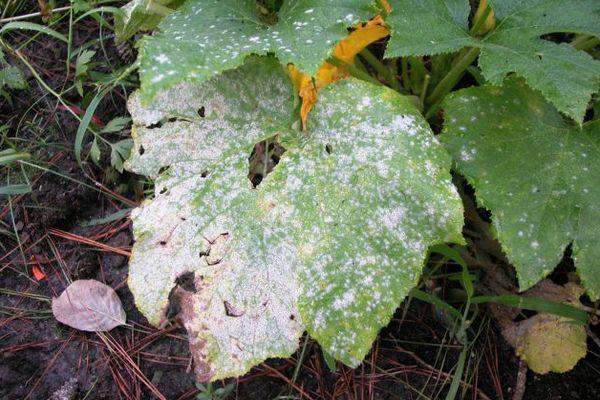
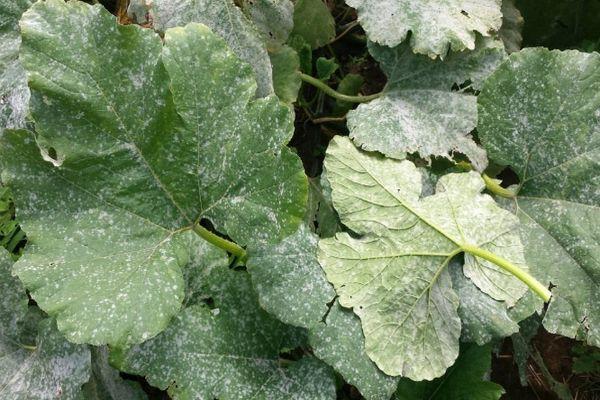
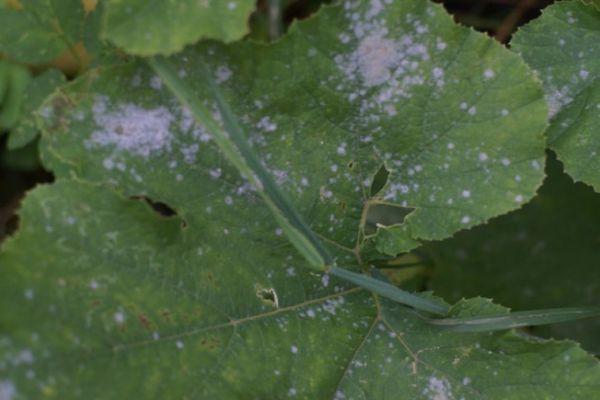
Powdery mildew on pumpkins can be identified by white, circular spots. These appear on the leaves, stems, and petioles. If the parasite remains on the plant for a long time, individual spots merge into one large one. This forms a white coating that spreads to the entire leaf.
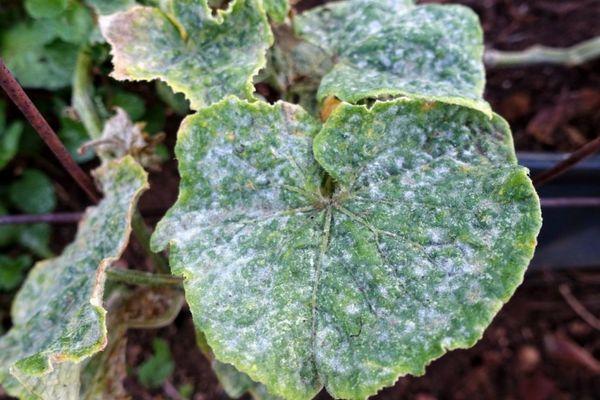
Affected parts of the plant turn yellow and dry out after a while. The presence of spores negatively impacts the quality of the shoots and reduces yield. When gardeners encounter this phenomenon, they wonder what caused the pumpkin to become infected with powdery mildew. The disease is caused by a fungus.
By parasitizing pumpkins, it sucks nutrients from the plant. The vegetable needs these nutrients and, deprived of them, withers. During the disease, photosynthesis within the plant stops, causing yellowing of the leaves and other plant parts.
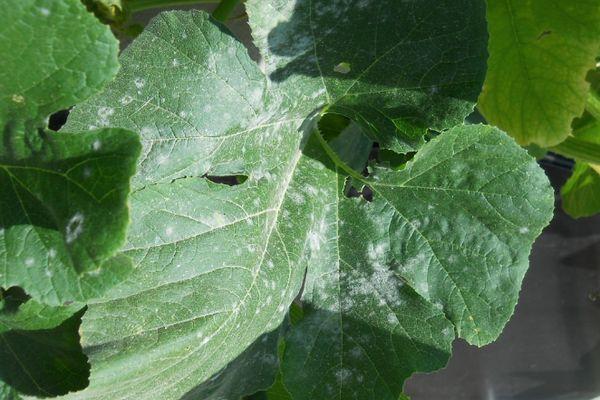
Powdery mildew causes fruiting bodies to form on the leaves. This fruiting body then spreads the infection to other healthy parts of the pumpkin.
Control measures for powdery mildew include treating the plant with specialized products. These can be purchased at a specialty store. If the fungus has affected some leaves, remove them. The cut areas should be treated with a mullein-based solution or ground sulfur. The plant cannot be saved once the fungus has spread to all parts.
Downy mildew or peronosporosis
An inexperienced gardener might mistake this disease for powdery mildew. They are similar in appearance. You can tell if your pumpkin is suffering from downy mildew by the gray, purple-tinged coating that appears on the underside of the leaves.
The leaves are covered with yellow spots on the outside, which darken after a few days. They lose sap, causing them to dry out and break easily. The disease progresses more quickly in high humidity. Temperature also plays a significant role, with temperatures between 16 and 22°C (61°F and 72°F) particularly dangerous.
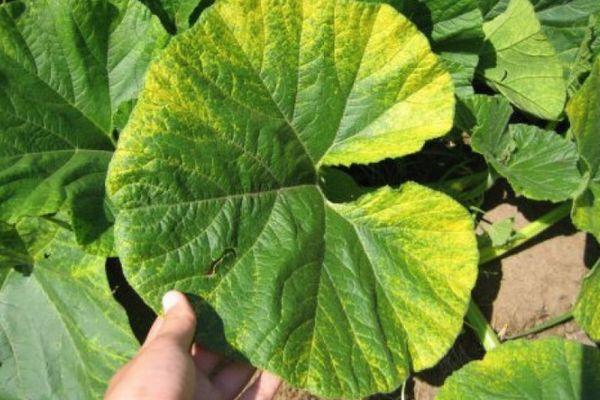
As the air temperature rises, an interesting phenomenon occurs. When the thermometer reaches +30°C, the symptoms of the disease disappear. This is a characteristic of the disease that every vegetable grower should be aware of.
After fog or rain, downy mildew attacks pumpkins with renewed vigor. This is essential if downy mildew is detected in pumpkin beds. Treatment should be carried out immediately. To prepare a solution, dilute 35 grams of copper oxychloride in 10 liters of water. Spray not only the affected parts of the pumpkin but also the healthy ones.
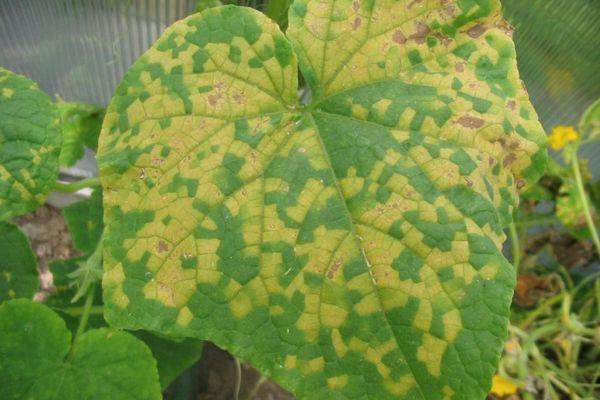
Anthracnose
The main symptoms of the disease include round, yellow-brown spots. Initially, they remain on the plant, but after a while, they turn pink. In severe infections, the root system is affected, and the pumpkin dies. Fruit harvested from infected plants is uneatable, as it tastes bitter.
At the slightest sign of anthracnose, the plant is treated, and if fully infected, it is destroyed and removed from the garden. Anthracnose can be introduced into the garden via infected seed. To avoid this, preventative measures are necessary. Before sowing, pumpkin seeds are treated and completely dried.
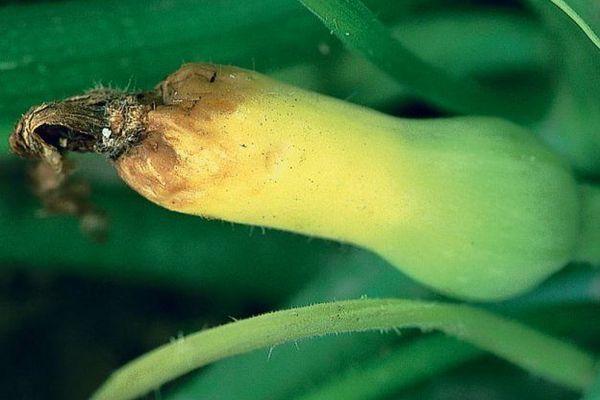
Wood ash is used to combat this disease. Dissolve 40 grams of ash in 2 liters of warm water and let it steep in a dark place. After 24 hours, soak the seeds in the solution for 6 hours. Once dry, they are ready for planting. To prevent the development of anthracnose, do not plant pumpkins after squash or melons.
If the plants in the areas were treated after anthracnose, it is not recommended to plant pumpkin in the same place again.
Bacteriosis
This disease is the most dangerous of all, as it causes the greatest damage to the crop. The appearance of the disease is noticeable by the leaves. They are covered with angular, brown spots. The cotyledons also show brown ulcers. With bacterial blight, the fruits become covered with brown ulcers, which impede their normal development.
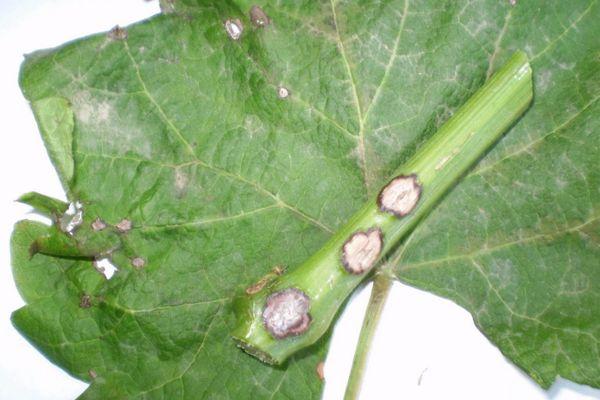
The initial stage of the disease is characterized by dark green spots. They can be seen early in the morning. Over time, the color changes to brown, leading to desiccation. The parasitic attack on the fruit causes them to become malformed and change shape.
When pumpkin leaves are infected, they resemble a veined mesh. The holes are not rounded, but have jagged edges. Bacterial blight tends to persist on seeds and plant debris. Sudden temperature fluctuations at night facilitate the disease's development. High air and soil humidity can trigger a wave of bacterial blight.
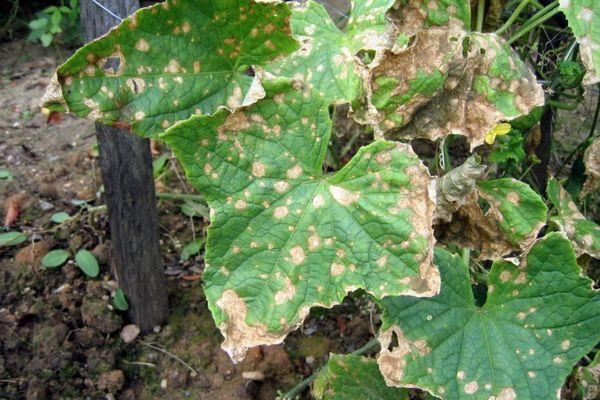
Seeds and plant material should not be left in the soil, as they remain sources of infection. The disease is easily spread by fabric, insects, and water. If the disease cannot be avoided, copper oxychloride or Bordeaux mixture can be used to control it. Seeds should be treated with zinc sulfate before sowing.
If a large portion of the crop is infected, it is completely destroyed. Crop rotation is an excellent preventative measure to protect pumpkins from bacterial blight. Any plants in the Cucurbitaceae family should not be planted in the same location more than once every three years. Frequent rotation of planting sites will help prevent bacterial blight.
White rot or sclerotinia
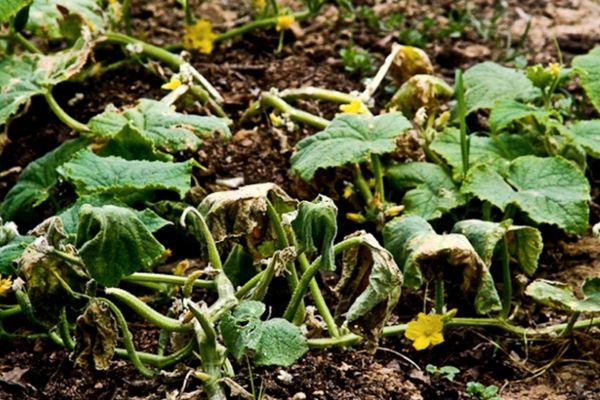
The disease is recognized by the appearance of a white, cotton-like coating on the fruit and at the base of the stem. Affected areas quickly lose their elasticity and become soft. Over time, they rot. High humidity and low temperatures are ideal conditions for the disease. If the temperature is between 10 and 15°C and the humidity reaches 90%, there is a risk of developing sclerotinia.
To avoid fighting white rot, it's important to take preventative measures. Regularly weed the soil, prepare the seed before planting, and avoid replanting pumpkins in the same bed. Sclerotinia prefers cold and damp conditions, so avoid watering the seedlings with cold water. At the three-leaf stage, the plant should be sprayed with Bordeaux mixture. This will reduce the likelihood of white rot developing on pumpkins in open soil.
How to control aphids on pumpkin
Among the most dangerous pumpkin pests are aphids, which are carried to the plant by weeds. These small insects may go unnoticed on leaves if there are only a few. They are found on the undersides of leaves and are dark green. Infestations peak in mid-summer in open ground and in spring in greenhouses. Affected leaves curl as they lose sap, and eventually, the flowers die.
Tip! Aphids are afraid of ladybugs. It's recommended to collect a few insects and release them onto pumpkin leaves. Over time, the ladybugs will destroy the aphids. The insects are excellent at protecting the plant from pest attacks.
Treatment
To control aphids, use a malathion solution. A 10% concentration is preferable. Use 50 g of the solution per bucket of water. Spray the affected leaves using a special device.
Preventive measures
To prevent aphids from spreading throughout a plot, spraying is also used. You can prepare the solution yourself by dissolving soap crumbs in a bucket of water or steaming dried wormwood. This method is not only suitable for prevention but can also be a complete treatment. You can get rid of gnats by spraying the bushes with plain water.
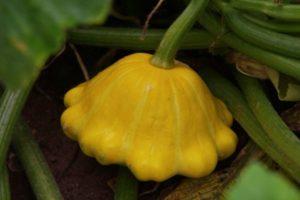
The pressure washes away the aphids, and they are unable to climb onto the pumpkin again.
Disease prevention
Pumpkins can be attacked by diseases and pests at any time. Bushes that aren't properly cared for are particularly susceptible. Improper watering, low temperatures, and humidity can trigger the growth of fungi, a pathogen that causes many diseases. Prevention involves the following measures:
- Deep plowing with the addition of fresh manure.
- Avoid planting near melon crops.
- Collection of seed material from healthy crops.
- Removing weeds from the beds.
- Preventing overly dense plantings.
- Before planting outdoors, treat the seeds. Regular potassium permanganate is suitable for this purpose.
- Regularly inspect the crop for diseases and pests.
- To boost the immune system's defenses, it is periodically fertilized. Suitable fertilizers include urea, potassium permanganate, boric acid, or copper sulfate.
- After harvesting, plant remains are collected and burned. Never leave wilted stems and leaves on the plot, as they may be infested with pests and diseases.
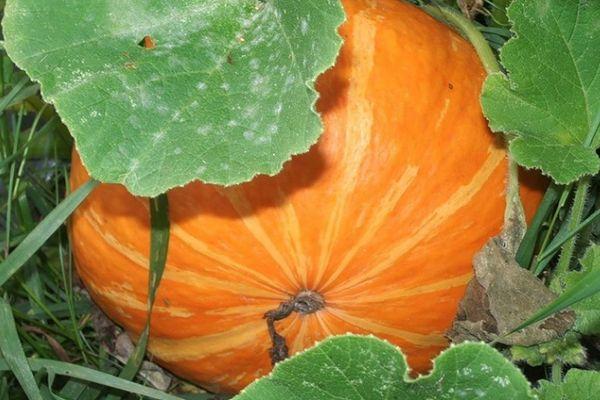
If all agricultural practices are followed, pumpkin diseases are unlikely to occur. Crop rotation plays a key role, and planting frequency is also important. If you follow these guidelines, the crop will reward you with a bountiful harvest.
Fighting diseases
It's recommended to treat pumpkins with natural remedies for diseases and pests. Chemicals are used only in extreme cases. This is done to prevent harmful substances from entering the soil. From a variety of methods, you can choose your favorite one and treat the affected areas. Regardless of your choice, spraying the plant and following preventative measures will help preserve the fruit and enjoy its pulp.
Related posts:
 Growing and caring for pumpkins in open ground, planting rules for a good harvest
 How often should you water pumpkins in open ground in August during hot weather?
 Why do pumpkin ovaries turn yellow, fall off, and rot in open ground, and what can be done about it?
 50 Best Pumpkin Varieties with Descriptions and Characteristics for Outdoor Planting
 Rules for growing pumpkins on a balcony at home and how to choose the right variety
 How to feed pumpkins in open ground during flowering and fruiting if they are not growing well
 How to shape and pinch pumpkins in open ground to get a good harvest
 Description of 25 varieties of butternut squash, cultivation and care in open ground