
Caring for a vegetable crop is based on the plant's "habits" inherent in its origins. Pumpkins, a melon crop native to Central and South America, are easy to grow but demanding in terms of warmth and soil composition. If you want a bountiful harvest, you need to know how to feed pumpkins outdoors. The timing and application of fertilizers play a significant role in fruit development.
Why fertilize pumpkin?
Pumpkins require a large amount of nutrients to produce large fruits. Without light, fertile soil, high yields of valuable pumpkins will be impossible. The plot for the plant must be prepared in advance, thoroughly fertilizing it with the necessary fertilizers. During the growing season, both organic and mineral fertilizers are applied. Pumpkins do not grow well in poor soil, and growing them in unfavorable conditions will not yield positive results.
Pumpkins have a widespread root system that requires nutrients across their entire growing area. If mineral and organic fertilizers are available, the fruit will set and ripen more easily. Therefore, fertilizing pumpkins in open ground is crucial.
It's best to plant melons in areas previously occupied by legumes, which provide the soil with beneficial elements. Pumpkins grow well in beds previously occupied by onions, beets, carrots, and cabbage.
How to feed pumpkin
Agricultural practices are developed with the specific characteristics of each crop in mind. Proper pumpkin cultivation and care must be based on the accumulated experience of gardeners and scientific agronomic research. If you're indifferent to the plant's development, don't be surprised if there are no fruits in the fall.
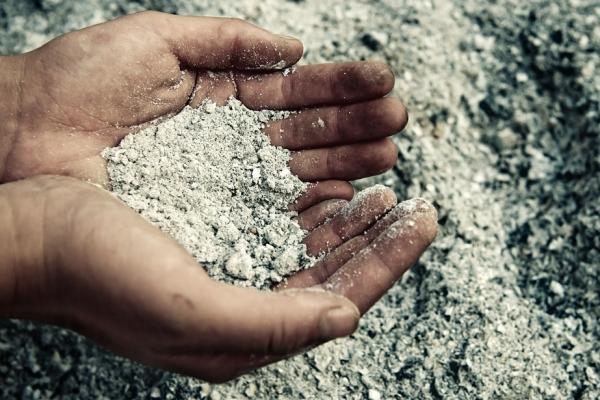
Pumpkin fertilization must be done correctly. A specific fertilizer combination is selected for each stage of the plant's development. Experienced gardeners use the following throughout the summer to promote pumpkin growth:
- solutions of mullein and bird droppings, prepared in a certain proportion;
- wood ash;
- nitrophoska;
- fertilizers containing phosphorus and potassium;
- infusions of yeast and herbs;
- compost.
Preparing the soil for planting pumpkins in the fall and spring is also necessary and allows the plant to not need any useful elements.
Although a solution of mullein or bird droppings is often used by gardeners for fertilizer, without minerals, the development and growth of melon crops will be lopsided, which will affect the quality and quantity of fruits.
If the plant receives sufficient nutrition, it will be reflected in its appearance. The leaves will be attractive, bright green and spotless, the vines will be long, and the fruits will be large, vibrantly colored, and free of rot. However, moderation is essential when feeding. Avoid overfeeding, as this will cause the pumpkins to crack or become small and tasteless.
The effectiveness of fertilizers depends on soil moisture. Fertilizers are often applied after watering, or both are applied simultaneously. Liquid fertilizers are used, dissolved in a bucket of water and watered at the roots of the plants. Granular or powdered fertilizers are worked into the soil in furrows between rows of plants.
The timing and rules for applying fertilizer to a pumpkin patch are important. Typically, organic fertilizers are alternated with mineral fertilizers.
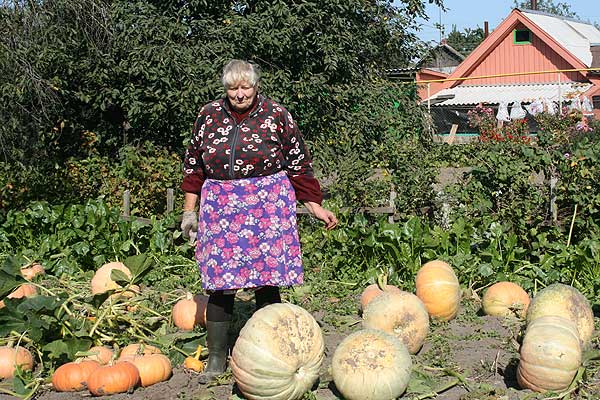
Number of fertilizing sessions per season
Every gardener should be able to calculate the nutrient content of the fertilizers they apply. After all, timely and high-quality fruit development, and successful disease prevention, will only occur with proper calculations.

Each stage of melon development requires specific amounts of nutrients. During the initial period, nitrogen is essential for the growth of green mass. Excess nitrogen will lead to the accumulation of nitrates in the fruit. Excessive amounts will cause white spots on the leaves, a sign of powdery mildew. 25 grams of ammonium nitrate, which consists of nitrogen, is sufficient per square meter of pumpkin plot. This substance is also found in complex nitrate fertilizers.
A phosphorus deficiency is easily detected by stunted pumpkin growth. The recommended superphosphate application rate is 30-40 grams per bucket of water, and potassium, up to 20 grams. Without these elements, pumpkins develop poorly and fail to set fruit.
Before fertilizing pumpkins, analyze their condition. If they're developing normally, there's no need to fertilize the plants to prevent the development of diseases and illnesses.
How many times per season you need to feed the vegetable depends on the composition of the soil in the area and the quality of the pumpkin's growth at the moment.
Timing of fertilizing
Pumpkins have a long growing season compared to other melons. Early-ripening varieties reach full maturity in 100-105 days, while other varieties can take up to 130 days. Therefore, the amount of fertilizing required increases throughout the season.
Fertilize for the first time when pumpkin seedlings have 4-5 leaves. Organic fertilizer is best for this time.

From July to August, plants need mineral fertilizers every 2 weeks.
When growing pumpkins from seedlings, the timing of fertilization varies. Fertilization begins ten days after germination. To ensure the seedlings establish quickly in open ground, it's also best to fertilize them one week before planting.
The following fertilization procedures are scheduled for the time when the pumpkin needs to grow foliage. Nutrition is also necessary during the period of ovary formation and fruit development.
The timing depends on the vegetable variety and the length of its growing season. Weather conditions are also taken into account. Summer temperatures influence the timing of fertilizer application. A sharp drop in temperature signals the start of harvest. Fertilizing the plants at this time is not recommended, as it will negatively impact the quality of the pumpkins and cause harm to the human body.
Preparing beds for pumpkins
Prepare the pumpkin plot in advance. Choose a sunny location protected from cold winds. The soil must be dug or plowed. The depth of cultivation depends on the thickness of the nutrient-rich soil layer. Humus-rich areas can be plowed to a depth of 20-25 centimeters. Poor soils are dug and fertilized. The application method depends on the type of fertilizer:
- Organic matter: manure, compost - 3-5 kilograms per square meter, incorporated with a shovel or plow to full depth.
- Of the mineral fertilizers, take 25-30 grams of superphosphate, 15 grams of potassium salt and up to 25 grams of ammonium nitrate per 1 square meter, raking it into the soil.
- On heavy soils it is better to add wood ash.
- On sandy soils, you can fertilize the pumpkin patch in the spring.
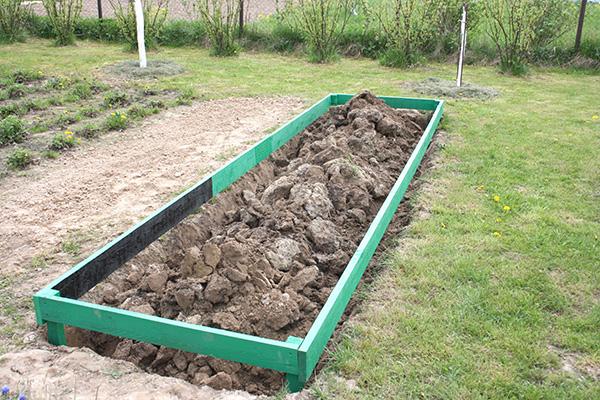
It is important to retain snow in the garden in winter, and to prevent moisture evaporation, harrow the area in early spring. Dense soil is not suitable for planting pumpkin seeds, so it must be dug up in the spring 2 weeks before planting.
The work done will allow you to avoid additional fertilizing of the pumpkin and will allow the plant to develop quickly.
Adding organic matter when caring for pumpkins
Cow manure for vegetable plants contains elements essential for the initial stages of development. Pumpkin seedlings will grow quickly, as anyone who has used cow manure knows. A key feature of using manure is its positive effect on soil composition. Gardeners often use cow manure, although horse manure is especially beneficial.
Organic fertilizer is applied in the fall when preparing the plot for vegetable planting. Liquid mullein is applied, diluted with water at a ratio of 1:5. Watering the pumpkin plant with 2 liters of the solution is sufficient to ensure rapid growth. Organic fertilizer is also beneficial during fruit set. An alternative to manure is chicken manure, as it is rich in magnesium, potassium, phosphorus, and calcium. The fertilizer is prepared in liquid form at a concentration of 1:15. Optimally, 1 liter of solution per hole.
Wood ash is also used as a fertilizer for vegetable plantings, both in dry and liquid form. Sprinkle the powder, using 100 grams per hole. The fertilizer can also be mixed into the soil before planting.
When fruiting begins, you can water the bushes with a nutrient solution, mixing 100 grams of ash with 10 liters of water.
Manure and other organic fertilizers for pumpkin will increase the yield of the vegetable and the speed of fruit ripening.

Mineral fertilizers for pumpkin care
Fruit-bearing varieties of melons require the presence of minerals in the soil, especially during flowering and fruiting.
The main components of mineral complexes include:
- superphosphate - 30-40 grams;
- ammonium nitrate - 20-25 grams;
- potassium salt - 15-20 grams.
Apply mineral fertilizers after organic fertilizers, 2-3 weeks later. Mixing the two types of fertilizers is not recommended, as they will negatively affect the vegetable plant. Excess micronutrients also have a negative impact on the leaves and fruit.
You can purchase special complexes with a balanced composition of minerals for each crop. For vegetable plants, the products "Oracle" and "Uniflor" are suitable. Gardeners use "Kemira Universal" and "Gera Universal" for fertilizer.
Folk remedies
There are many ways to increase pumpkin yields, developed and tested by gardeners. You can feed the plants with yeast, diluting 100 grams in a bucket of water and adding 100 grams of sugar. Fermentation takes place within one week. It's best to add ash to the nutrient solution to reduce nitrogen and increase potassium. Water the plants with a yeast infusion, diluted 50/50 with water, during the active growth period.
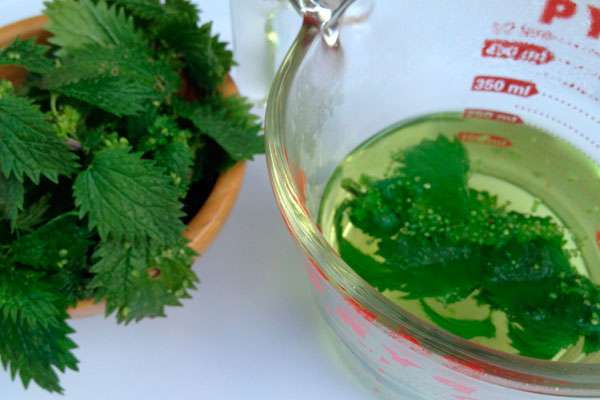
Ammonia fertilizer is useful after planting melon seedlings. A nutrient solution made from herbs is also available. Weeds such as nettles and sow thistles are placed in a 200-liter barrel of water. The infusion is left to steep for at least 5-6 days. To use as fertilizer, dilute it 1:10. Water each pumpkin plant at a rate of 250 milligrams.
Foliar feeding
Vegetable plants can be fed not only through the root system but also through the leaves. This will invigorate pumpkin plants and energize them. A folk remedy made from ammonia (50 ml per 5 liters of water) is good not only for enriching the soil but also for pumpkin leaves. Spray the plants with the solution in the morning without wetting the soil. This method is also helpful:
- universal complex "Kemira", taking 2 spoons per 10 liters of water;
- urea in the amount of 10 grams;
- a mixture of potassium salt (15 g), superphosphate (40 g), ammonium sulfate (30 g).
The substances are diluted in a bucket of water and plants are sprayed in the morning or evening hours.
Caring for pumpkin vines
To avoid having to worry about what to fertilize your pumpkin with to ensure it grows well, you need to prepare the best care for its development:
- The holes are watered only in dry years. Fertilize regularly, 3-4 times per season, in conjunction with soil moistening.
- The plant's shoots are pinned to the ground or covered with soil. Before doing so, however, they should be carefully untangled and placed in a prepared hole. This will encourage additional roots to form, which will help nourish the plant.
- The space between the rows should be loosened when the first true leaves appear to a depth of 13 centimeters, then to a depth of 7-8 centimeters.
- The number of loosening operations per season should be at least 3.

Only proper care of pumpkin will allow you to get high-quality, tasty and juicy fruits.
Related posts:
 Growing and caring for pumpkins in open ground, planting rules for a good harvest
 How often should you water pumpkins in open ground in August during hot weather?
 50 Best Pumpkin Varieties with Descriptions and Characteristics for Outdoor Planting
 Why do pumpkin ovaries turn yellow, fall off, and rot in open ground, and what can be done about it?
 Rules for growing pumpkins on a balcony at home and how to choose the right variety
 How to shape and pinch pumpkins in open ground to get a good harvest
 What is the best way to feed zucchini in open ground and greenhouses during flowering and fruiting?
 Description of the 20 best varieties of large-fruited pumpkin, growing and care rules