
- Why is it worth growing?
- Can you eat culture?
- Ornamental pumpkin varieties
- Bischofsmutzen
- Cou-Tors Hative
- Jack be little
- Kleine bicolor
- Orange
- Warty
- Calabash
- Pear-shaped
- Goose in apples
- Crown or star pumpkin
- Baby Boo
- Lagenaria
- Mandarin
- Sweet Dumpling
- Turkish turban
- Turban or pumpkin mushroom, blockhead
- Features of cultivation
- Choosing a location
- Preparation of planting material and growing seedlings
- The landing process
- Further care of the plant
- Watering and fertilizing
- Soil
- Temperature
- Pollination
- Protection from diseases and pests
- When to remove it and how to use it?
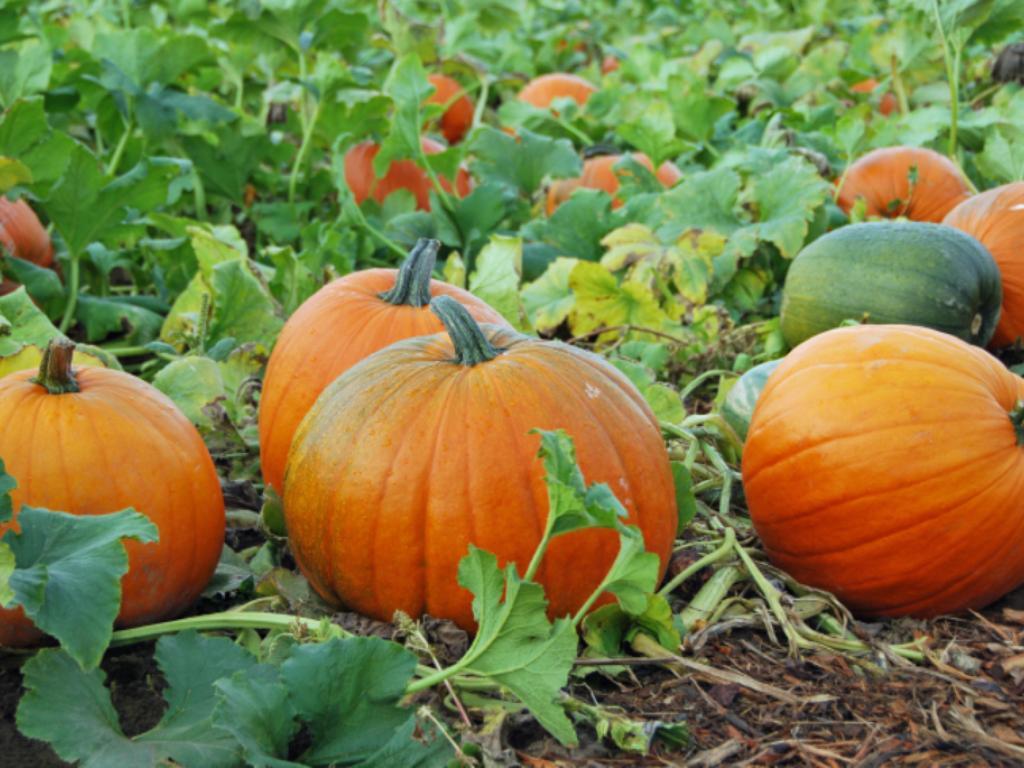
Decorative pumpkins are a perfect addition to any garden, adding a touch of charm and vibrant color. Their undeniable advantage is their low maintenance and ability to quickly form a green wall, or cover pergolas, gazebos, or fences. And their whimsical fruits will amaze and envy your neighbors.
Why is it worth growing?
This plant is successfully grown not only horizontally but also vertically. It has a high growth rate, with vines that can grow 5-6 meters in a single season. This feature is prized by gardeners and designers and is used to quickly decorate gazebos, fences, and walls. In just one month, the climbing vine grows 2-2.5 meters, creating a verdant screen.
Breeders have developed numerous varieties with the most unusual shapes, fruit sizes, and bright, eye-catching colors. Ornamental pumpkins look stunning, either hanging on vines or hanging freestanding as garden or home decor. They're also an excellent material for various crafts, and some varieties, such as the lagenaria, are even used to make unique tableware.
Can you eat culture?
Ornamental pumpkins are only edible as greens, pickled, and salted. However, the flavor of these pickles is average; pickled zucchini, for example, is much more delicious. Mature pumpkins are not edible, although many varieties have edible stems, but they are inedible. They have thick skin and little flesh.
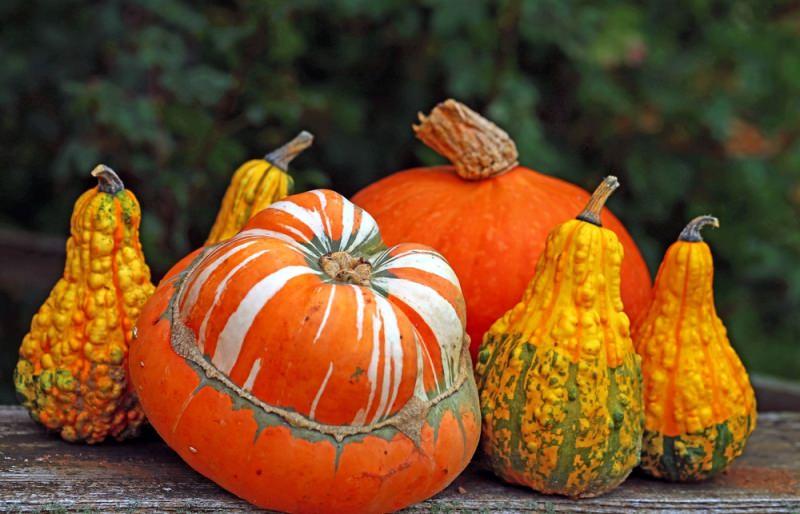
Ornamental pumpkin varieties
Numerous varieties of ornamental pumpkins have been developed, capable of impressing even the most discerning gardener. And the lagenaria, among other things, is used for agricultural purposes.
Bischofsmutzen
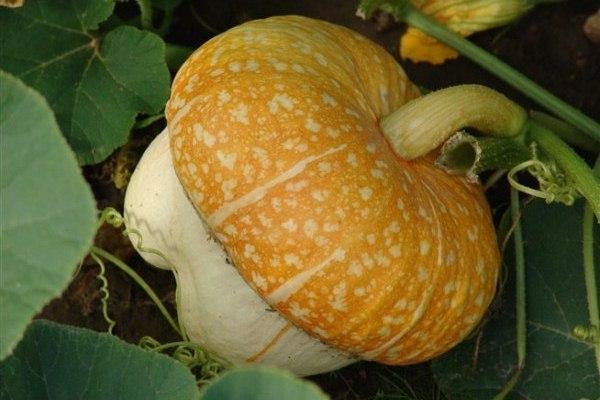
An interesting, unusual, and extremely decorative variety. The pumpkin appears to be made up of two halves, the lower one being the familiar orange-red color. The border of the other half is marked by a green stripe. The other half itself is white, reminiscent of boiled and congealed milk or a soufflé.
Cou-Tors Hative
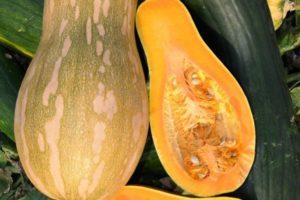
Gardeners who plant this variety are rewarded with unusual pears ripening in their gardens at the end of summer. They are small, with a bright yellow underside and a dark green, white-speckled tapering portion near the stem. Additionally, light, blurred stripes run across the entire surface of the pumpkin. Interestingly, this coloring is not typical of all the pears; many have green undersides and yellow upper parts. This variety belongs to the bottle-leaf lagenaria family.

Jack be little
A miniature version of the familiar round-flattened pumpkin. This edible variety boasts a rich, light orange color with distinct ribbing.
Kleine bicolor
An ornamental variety with two-colored, striped, pear-shaped fruits and smooth skin.
Orange
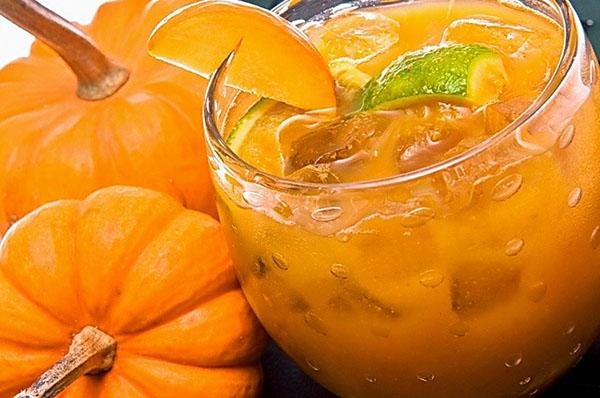
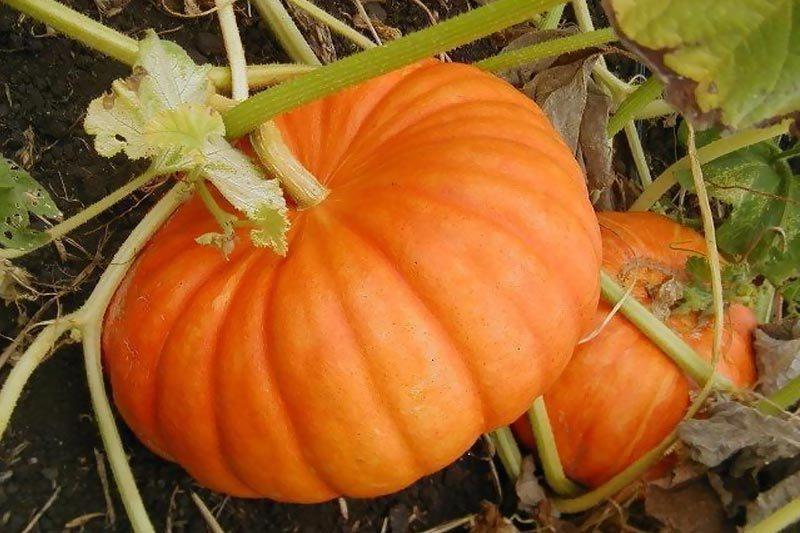
Orange or Orangeka. The fruits are small, weighing up to 300 grams. The pumpkins are bright orange, flat-round and cylindrical in shape, with numerous prominent ribs.
Warty
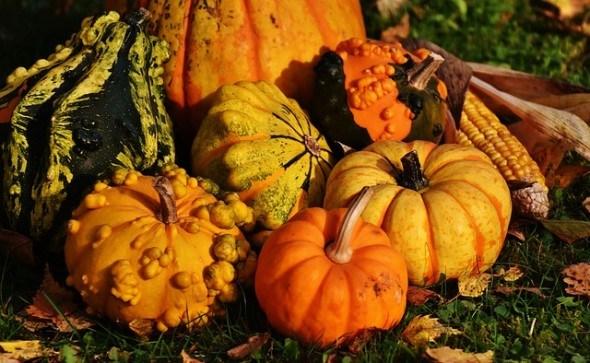
One of the most decorative pumpkins. The fruits are small, round, and pear-shaped, with a dense surface covered with numerous small bumps. They can be single-colored or have several combinations of colors. Warty pumpkins store well.
Calabash
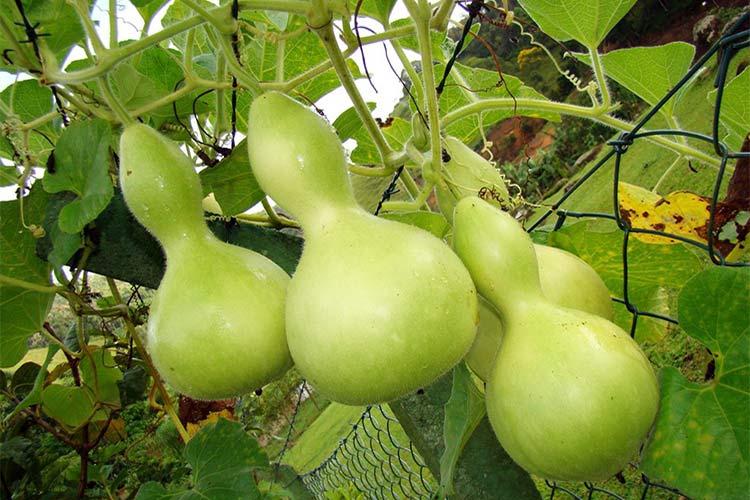
Bottle gourd, or lagenaria, is suitable for making dishes, pitchers, and drinking vessels. Thanks to these properties and its pear- or bottle-shaped form, it is widely used for both decorative and household purposes. In particular, it can be used to make a "calabash"—a vessel for drinking the famous Mate coffee.
Pear-shaped
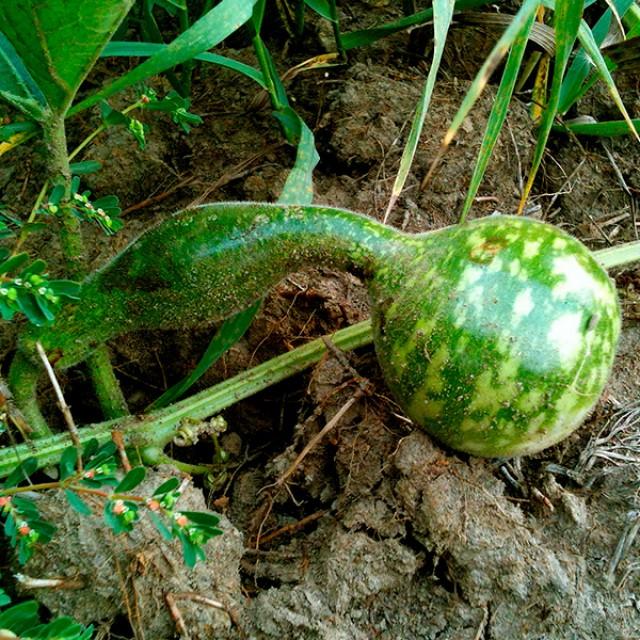
The fruits of this ornamental pumpkin resemble pears: large, heavy, and smooth-skinned. They are striped and typically come in one or more colors, primarily yellow, dark green, and orange-green.
Goose in apples
It has a high growth rate. The fruits of this variety of lagenaria bear a striking resemblance to familiar grazing geese. The lower part of the lagenaria is massive and barrel-shaped, while the upper part has a long, narrow, often curved neck. The skin is thick, dark green, covered with frequent rounded white spots.
Crown or star pumpkin
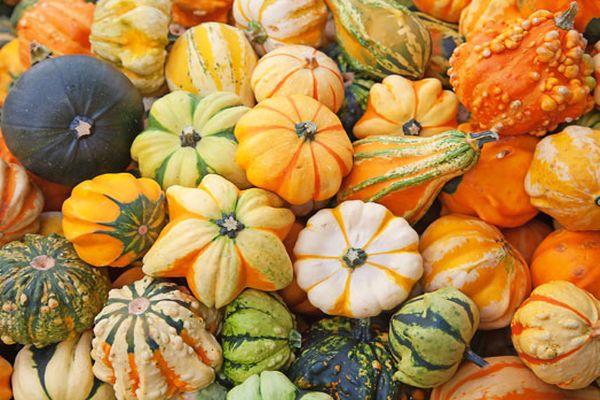
The variety is named for the interesting shape of its fruits, which resemble small, pot-bellied stars. They come in yellowish, light green, orange, and green. They often feature a combination of several colors, such as orange and green. This unusual, decorative, and original variety is perfect for garden design.
Baby Boo
The fruits are a familiar, flat-round, pumpkin-like shape. They are truly tiny, up to 10 centimeters in diameter, with a smooth, white or cream-colored skin. This pumpkin is considered edible.
Lagenaria
Another name for this plant is bottle gourd. It's a vigorous, annual, creeping vine belonging to the Cucurbitaceae family. It's distinguished by its unusual fruits, which come in a variety of shapes and sizes. Lagenaria can be elongated, pear-shaped, cylindrical, round, and others.
Mandarin
Small, up to 300 grams, round pumpkins. The surface of the fruit is almost smooth, with barely noticeable ribs and a shiny, deep orange, tangerine-colored skin. It is this color, shape, and small size that give the variety its name.
Sweet Dumpling
The fruits resemble familiar garden pumpkins in shape, only much smaller and with a distinctive coloring. The pumpkins are flattened and round, weighing up to 500 grams. They are characterized by yellowish or white, convex ribs with numerous dark green spots. Between the ribs run wide, dark stripes with white spots.

Turkish turban
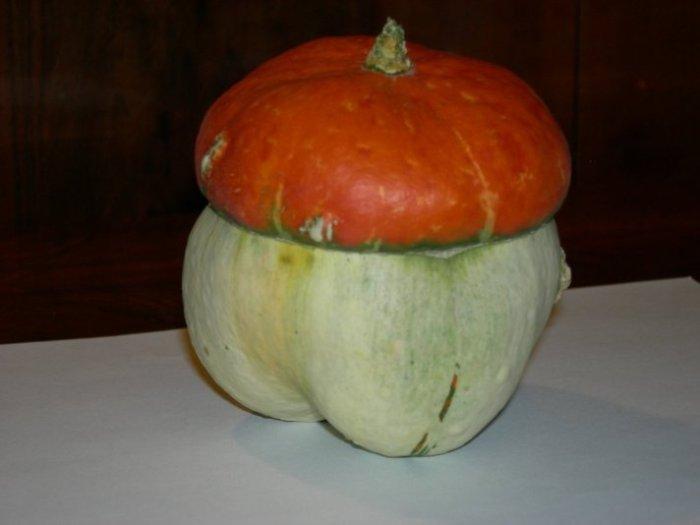
A variety with decorative, distinctively shaped fruits. They consist of two fused halves. The upper halves, reminiscent of a turban, are bright orange, with prominent ribs and a strong stem. The lower halves are smaller, with more pronounced ribs, and are white or cream-colored.
Turban or pumpkin mushroom, blockhead
This is a large-fruited ornamental pumpkin variety. It resembles the Turkish Turban pumpkin in appearance, but the top half is more often flecked with green, and the edges between the ribs are separated by white stripes.
Features of cultivation
Despite their unpretentiousness and adaptability to various growing conditions, the cultivation of ornamental pumpkins has its own peculiarities.
Choosing a location
It's best to choose sunny or slightly shaded locations for planting. Only then will the pumpkin vines grow vigorously, and the fruits will reach their full color and display their full decorative potential.
Preparation of planting material and growing seedlings
Before sowing, the seeds must be germinated. After soaking in water with a growth stimulant, they are wrapped in a damp cloth and placed in a warm, dark place. The sprouted seeds are then placed in at least 0.5-liter cups filled with the growing medium. The planting holes should be 4-5 centimeters deep. Seeds for seedlings are sown in the second half of April or early May, depending on the growing region.
The landing process
Seedlings are planted in open ground in early June. Carefully remove the seedling by turning the cup upside down and place it in a pre-prepared hole. Then, cover with soil and water thoroughly. A slight deepening of the seedlings is acceptable. Sowing directly into open ground begins in the second half of May. The distance between planting holes is 30-50 centimeters.
Further care of the plant
Regular cleaning is necessary, removing dried leaves and diseased fruit that spoil the overall appearance. And, of course, tie up any shoots that are growing in the wrong direction. If the plant is densely planted or overgrown, trim away any excess shoots.
Watering and fertilizing
Initially, pumpkins are watered regularly after planting. Once the plants are established and actively growing, watering is reduced to 3-4 times a month, depending on the region and soil type. In southern regions, watering is even more frequent during particularly hot months.
For the plant to develop fully, it needs to be fed with complex fertilizers once every 15-20 days.
Soil
Although ornamental pumpkins are easy to grow, they perform best in loose, well-drained, fertile soils with a neutral pH. If the soil is heavy or clayey, dig a hole and fill it with potting soil before planting.
Temperature
The growth and development of ornamental pumpkins depends on ambient temperature. For vigorous growth and abundant fruiting, temperatures between 28°C and 33°C are necessary. At low temperatures, fruit set is poor, and the plants are less likely to thrive and are susceptible to disease.
Pollination
In fine, warm weather, pollinating insects do their job. However, in cool, cloudy, or rainy weather, gardeners perform secondary pollination themselves, using a brush to transfer pollen from male flowers to female ones.
Protection from diseases and pests
Ornamental pumpkins are susceptible to diseases and pests. They require protection from powdery mildew, cucumber mosaic, botrytis, bacterial rot, and various rots. Preventative treatments with Ridomil Gold, Aliett, and Medyan Extra can help.
Plants are susceptible to various pests. Protection against aphids, spider mites, cockchafers, and whiteflies is required. Treatments such as Aktara, Nurell D, and Actellic can help.
When to remove it and how to use it?
Pumpkins are harvested when the skin becomes firm and woody, and the stems have withered. The harvested fruits are stored in a dry, dark, cool place. Decorative pumpkins can easily brighten up any drab interior.
For home decorating, they are dried for 5-6 months and coated with acrylic varnish. The fruits are widely used to make various crafts (tableware, boxes, amulets), and lagenaria is used to make beverage vessels, particularly for wine.
Related posts:
 50 Best Pumpkin Varieties with Descriptions and Characteristics for Outdoor Planting
 Growing and caring for pumpkins in open ground, planting rules for a good harvest
 Description of 25 varieties of butternut squash, cultivation and care in open ground
 Why do pumpkin ovaries turn yellow, fall off, and rot in open ground, and what can be done about it?
 Description of the 20 best varieties of large-fruited pumpkin, growing and care rules
 Beginner's Guide to Growing Grapes in Open Ground in Central Russia
 Rules for growing pumpkins on a balcony at home and how to choose the right variety
 80 Best Eggplant Varieties for Different Regions with Descriptions and Characteristics