
Growing your own crops is a challenging and responsible task. A gardener must understand the many nuances that can affect the quality of a particular crop. For example, when growing pumpkins, you might encounter the following problem: the plant blooms, but the fruit fails to set. We'll explore why pumpkins aren't setting fruit in your garden and how to address this below.
Poor pollination
Pumpkin's poor pollination may be due to its structural features. This is because pumpkins are monoecious crops. This means that a single plant produces both "male" flowers, which have only a pistil, and "female" flowers, which have stamens. In this case, a pumpkin growing in a garden bed fails to set fruit because the flowers of one sex have already formed during flowering, while the other flowers have not yet opened.
Poor pollination may also be due to other reasons, such as:
- You used poor-quality seeds when planting. This could result in many of the flowers being barren, which will negatively impact your harvest.
- The garden is watered incorrectly, which leads to excessive moisture in the beds or dry soil.
- There aren't many bees or bumblebees near your garden. These insects are natural pollinators of many plants, including pumpkins, since their pollen isn't carried by the wind.
- Bad weather can have a detrimental effect on flower pollination. Temperature fluctuations, drought, or excess moisture are not ideal for growing a crop.
- Many gardeners forget to pinch back their plants. This results in an excessive number of shoots, leaving no resources for fruit set.
Please note! When choosing seeds for planting, use several varieties from different companies. This will help you get a good harvest.
Excess fertilizers
Sometimes, even after meticulously tending a garden and fertilizing the beds, the harvest rapidly diminishes. This situation can be frustrating even for seasoned gardeners. The problem lies in overdoing the fertilizer application.
The plant begins to receive excess nutrients, and its growth pattern shifts. Instead of producing fruit and ovaries, the pumpkin begins to grow foliage intensively. The roots can't cope with this growth rate, resulting in a lack of ovaries and a small harvest.
It is possible to avoid such a situation if:
- Remove all shoots, leaving the strongest sprout to grow.
- The stem needs to be covered with soil – this will help form a new root system and improve nutrition.
- If you fertilized your garden plots yourself in the fall, refrain from fertilizing the soil in the spring.
- Plant pumpkins in areas that have received a full range of mineral fertilizers at least a year ago.
This means that it's important to maintain a balance when fertilizing the soil. Too much fertilizer, or not enough, can negatively impact pumpkin growth.
Fruit deformity
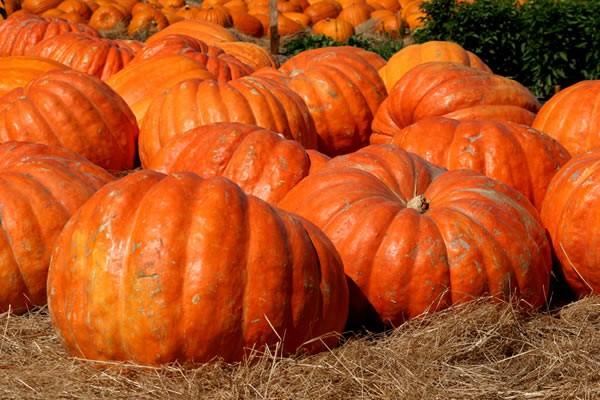
Often, improper plant training affects not only the yield but also the fruits themselves. They can become disproportionately shaped and unsightly. This occurs because the pumpkin lacks the energy to grow fully, forcing it to produce defective fruits. This problem can be corrected during the plant's growth stage through proper training.
The harvest, consisting of large-fruited plants, is formed as follows:
- When the first fruits appear on the bush, 3 shoots are left intact and the rest are removed.
- You need to leave those vines on which the fruits look the best.
- Make sure that no more than 1 ovary is formed on each shoot.
- In the second half of June, the shoots are pinched back so that four leaves remain above the fruit.
Other varieties of pumpkin have a different formation method:
- leave only those shoots that do not have barren flowers;
- the stems are pinched not in June, but at the beginning of August;
- 3 leaves are left above the fruit.
Dense foliage
When planting pumpkins, pay attention to their foliage. This is to prevent the plant from wasting energy on developing excessive tops, which drains its energy.
If you neglect your garden and allow your pumpkins to develop on their own, instead of a harvest you'll only get tops and empty flowers.
The problem is solved like this:
- It is necessary to purchase a tool used for shaping lawn grass.
- Use it to remove excess leaves, which can be thrown away or sent to a compost bin.
- A cultivated plant needs to be fed with fertilizers.
- The bush's vines should be covered with a thin layer of soil. This will help develop a stronger root system, meaning the pumpkin will receive additional nutrients for growth.

Root rot
Nature has no bad weather, but a rainy summer can ruin all your plans, and when you harvest the fruit, you'll get mere crumbs. This is all because the low ambient temperature (below 18 O) and high humidity contribute to root rot, causing pumpkin blossoms to fall off. This reduces the flow of nutrients, which negatively impacts crop production.
If the summer hasn't been going well, check the bushes periodically for signs of rot:
- When examining the plant, pay attention to the base of the root collar. If there are yellow spots on it, this is a bad sign.
- The appearance of a white coating on the plant indicates that the roots are seriously damaged and urgent action is needed.
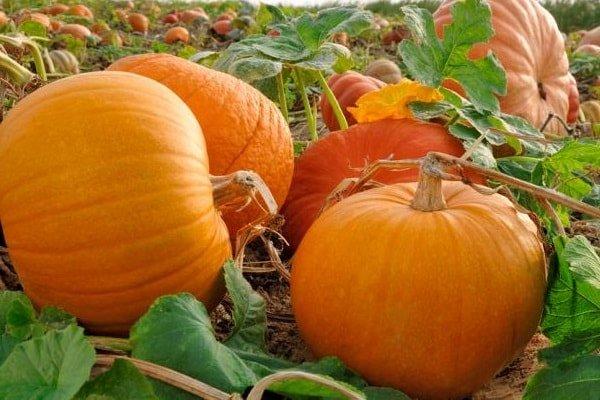
You can strengthen the root system and prevent its rotting in the following way:
- water the plant no more than once a week;
- Watering should be generous. Avoid using a hose; instead, collect the water from a barrel in which it has been heated.
- During bad weather, feed your crops with urea. To do this, dilute 1 teaspoon of urea in 1 bucket of water;
- Fertilizing is carried out on the leaves, since the roots, due to bad weather, poorly absorb moisture.
Try to rotate your planting site every year. This will help the soil recover and prevent fungal infections and other harmful substances from accumulating. You can plant onions, any root vegetables, or cabbage in place of pumpkins. Even flower seedlings will do.
Pollinating pumpkins by hand
As mentioned above, one of the reasons for pumpkins' lack of fruit set is the lack of insects that carry pollen from one flower to another. This problem can be solved by artificial pollination.
To do this you will need:
- Take a paintbrush. It's very convenient for transferring pollen from the pistils to the stamens;
- determine which flowers are “male” and which are “female”;
- Run a brush over the pistil of the “male” flower and collect pollen from it;
- Select a "female" flower and transfer pollen to its stamens.
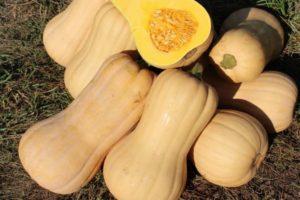
It's best if the "female" flower is no more than two days old. Pollinate in the morning, and if you've done everything correctly, the fruit will begin to grow soon.
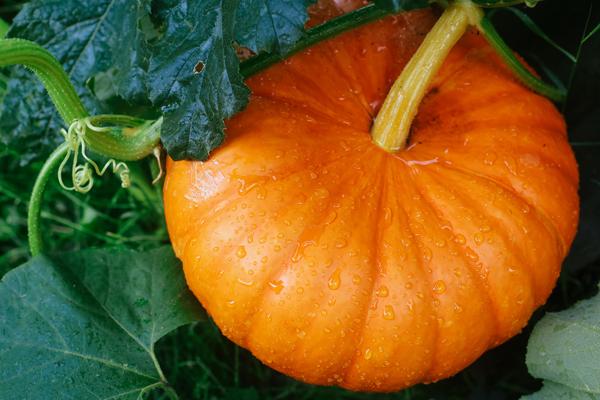
There's a simpler pollination method for those vegetable growers who don't want to pollinate by hand. To do this, dissolve sugar in water and sprinkle it on the plant's flowers – this will attract insects that will do the rest of the work for you.
Artificial pollination may fail if:
- you performed the procedure in damp weather;
- dew got into the bud of the pollinated flower;
- It's too hot outside and the temperature is above 35 O.
You can increase your chances of successful pollination by using specialized products. They will help you achieve a good harvest, even if the summer has been unfavorable and environmental conditions are not conducive to normal plant growth.
Related posts:
 Why do pumpkin ovaries turn yellow, fall off, and rot in open ground, and what can be done about it?
 Growing and caring for pumpkins in open ground, planting rules for a good harvest
 50 Best Pumpkin Varieties with Descriptions and Characteristics for Outdoor Planting
 Rules for growing pumpkins on a balcony at home and how to choose the right variety
 How often should you water pumpkins in open ground in August during hot weather?
 Description of 25 varieties of butternut squash, cultivation and care in open ground
 How to shape and pinch pumpkins in open ground to get a good harvest
 Why did my pumpkin leaves start to turn yellow and what to do about it, and how to combat it
"male" flowers, which have only a pistil, and "female" flowers, which have stamens
Are you alright, Mr. Author? Who do you take us, the readers, for?
For the same idiots as yourself?