
Zucchini is rightfully a highly prized crop among gardeners and is grown in many garden plots. These vegetables contain a number of beneficial components, making them widely used in cooking. When planting zucchini, there's a risk of seedling rot. To preserve your harvest, you should understand why zucchini rots in your garden and what you can do to prevent it.
It all starts with following the planting rules
Planting vegetables in accordance with agricultural practices helps reduce the likelihood of rot.
These include the following:
- At growing zucchini It's best to change the planting location with the onset of a new season. According to basic crop rotation rules, zucchini can be planted in the same location every 4-5 years.
- It's best to choose tomatoes, potatoes, and onions as precursor crops. It's not recommended to grow zucchini after harvesting cucumbers and pumpkins, as they leave chemicals in the soil that can have a detrimental effect on zucchini.

- If the soil in your garden beds is rich in nutrients, these areas will see vigorous growth. Before planting, check the soil composition and apply fertilizer to ensure proper root and above-ground development.
- To prevent the ends of the zucchini from rotting, you can trim them and burn them with a flame so that the cut becomes corky.
- For planting, choose a consistently sunny area, avoiding windy locations. Zucchini will ripen more quickly if the seedlings are protected from drafts by trees.
Causes of decay
There are several reasons why zucchini begins to rot during ripening. The most common is unfavorable climate. Zucchini is a heat-loving plant and does not tolerate low temperatures or excessive humidity well. If the weather conditions are unfavorable, the plant's immunity weakens, and the ovaries rot due to their inability to support fruit growth. Cloudy weather prevents pollinating insects from flocking to the plants. If the inflorescences remain unpollinated, they rot and fall off.
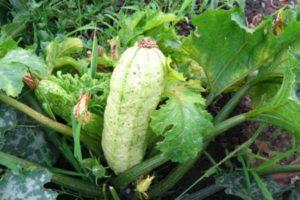
Rotting also occurs due to improper care, disease, or pest attacks. Gardeners often encounter reduced yields due to soil that is excessively rich in micronutrients.
Methods for combating rot on zucchini are selected depending on the characteristics of each specific case.
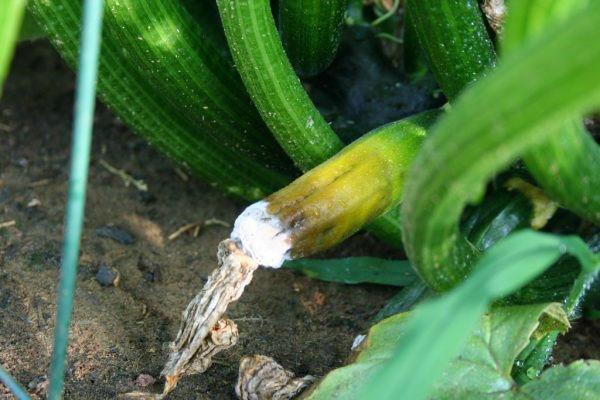
Excess moisture and nutrients
If seedling beds are regularly watered, but the plants still rot, the soil is too waterlogged. When the soil is oversaturated and soaked in more moisture than necessary, zucchini plants develop improperly and lose their beneficial properties. If overwatering occurs, the only solution is to wait for hot weather to allow the soil to dry out naturally.
To mitigate the effects of overwatering, loosen the soil around the plants. This is especially effective if small zucchini plants are starting to rot. Avoid removing weeds when loosening the soil, as even small grass can absorb excess moisture more quickly. Weeds also need moisture to grow, which means the zucchini plants will get less of it.
Enriching the soil with abundant micronutrients affects yield in a similar way to excess moisture. Rich soil conditions encourage vigorous zucchini growth, resulting in dense foliage. However, this excessive growth prevents sunlight from penetrating the plant, which encourages rot. In this case, manual thinning is recommended, periodically removing excess foliage.
The problem lies in the flower
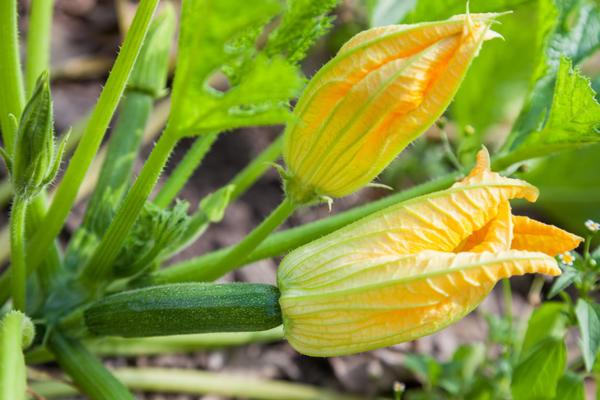
Proper care of zucchini bushes involves removing the inflorescence after the ovaries have formed. In damp climates, leaving flowers on the zucchini plants can be detrimental to their health, as this can lead to fruit tip rot, regardless of whether you water the plants properly. Excess moisture accumulates in the blossoms, causing negative consequences.
Immediately after flowering, wipe the tip of each vegetable with wood ash or sprinkle it on the cut surface until a thin layer forms. This method allows the vegetables to form ovaries and develop vigorously without the risk of spoilage. Wood ash acts as a disinfectant on the plants.

When the question arises about Why do zucchini embryos turn yellow and rot?, it's also important to ensure that the plants' inflorescences are pollinated. If there are no pollinating insects on the bushes, artificial pollination can be used. To do this, pick the flowers and remove the petals, check for pollen maturity, and pollinate the ovaries. Pollination is best done early in the morning, in cool weather, when the pollen is at its ripest. It's recommended to plant fragrant flowers near the zucchini plants to attract pollinators closer to the bushes.
Powdery mildew infection
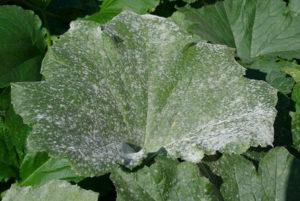
Powdery mildew is a common cause of the disease. This fungal disease is caused by the negative effects of various microparasites. Infestation can be detected by the presence of a white coating on plants. Over time, droplets form on the coating's surface as spores mature. The coating appears on fruits, petioles, stalks, shoots, and leaves. Infection most often begins on the lower leaves located near the soil.
If the disease affects the fruits, they become cracked and gradually rot.
Zucchini plants can be susceptible to powdery mildew when grown in hot climates and high humidity. Sudden temperature fluctuations also promote the spread of the fungus. To reduce the risk of developing the disease, take the following measures:
- regularly remove dried leaves and thin out the bushes for aeration;
- When planting, ensure spatial isolation so that the root systems can develop freely;
- Inspect your plantings periodically to detect weeds and signs of disease in a timely manner.
Powdery mildew and other diseases often cause rot, which, of course, poses challenges even for experienced gardeners. The negative impact of diseases can significantly reduce yields, so it's important to detect signs of infection early and begin combating them.
Helping zucchini: your actions
To protect your crop from rot, several steps must be taken. When combating the disease, the underlying cause of the disease must be considered. First and foremost, it's crucial to ensure conditions suitable for proper crop maturation. If the crop's failure was caused by planting in initially unsuitable soil, then, upon detecting the first signs of rot, treat the plant's leaves with a mixture of boric acid and water at a ratio of 2 grams per 10 liters.
To prevent zucchini from rotting due to over-watering, fertilize them. A mullein infusion with wood ash is a good fertilizer. The soil around the plants should be thoroughly loosened, and any damaged parts removed. If the soil contains excessive micronutrients, you can also try to save the crop by regularly thinning the plants and removing excess leaves.
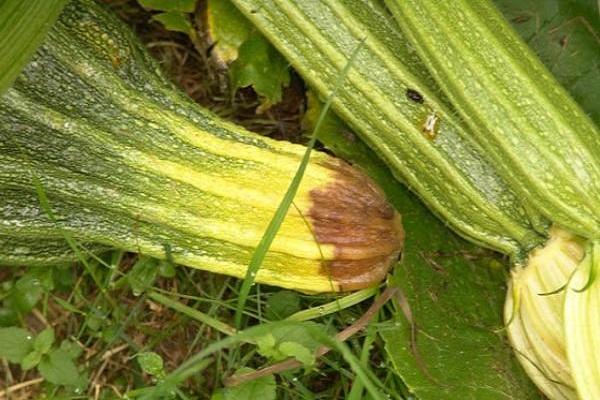
When a zucchini plant has rotted due to disease or pests, chemical treatment will be necessary. Spray the plants with insecticides or fungicides. When using chemicals, carefully read the instructions. It is not recommended to spray before rain or in windy conditions, as these factors will reduce the effectiveness.
The use of disinfectants is also permitted for preventative purposes, to prevent the development of diseases and to repel harmful insects that gnaw at the root system and above-ground parts of plants.
Related posts:
 How to cook fried zucchini with garlic for the winter, finger-licking good recipes and without sterilization
 TOP 20 simple recipes for pickled zucchini for the winter
 Descriptions and characteristics of round zucchini varieties, growing and care rules
 What to do if the leaves of zucchini in open ground turn yellow and how to deal with it
 Amazing recipes for zucchini in tomato sauce for the winter, you'll lick your fingers, with and without sterilization
 A recipe for quickly preparing lightly salted zucchini in a bag, saucepan, or jar, along with storage instructions.
 TOP 13 delicious recipes for spicy zucchini for the winter
 6 recipes for canned zucchini with chili ketchup for the winter with and without sterilization