
Zucchini is a favorite among gardeners. The plants are easy to grow, and their fruits are among the first spring vitamins. The Tsukesha zucchini variety was developed long ago and remains highly sought after. Its tender flesh is used to prepare a variety of dishes and preserves for the winter. To grow this tasty and healthy vegetable in your garden, you need to understand and meet its needs.
Description
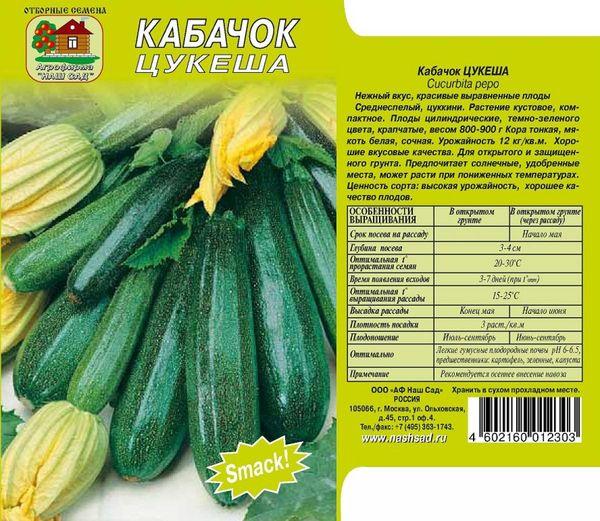
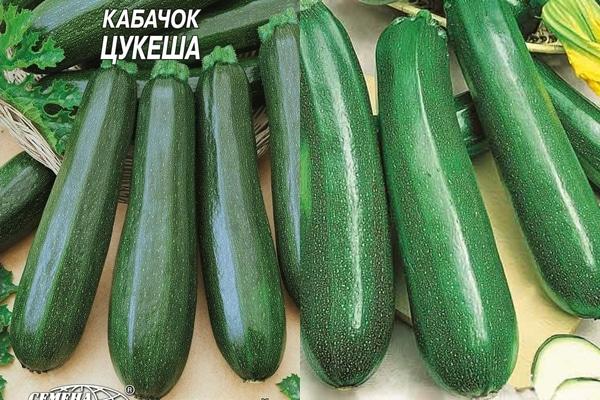
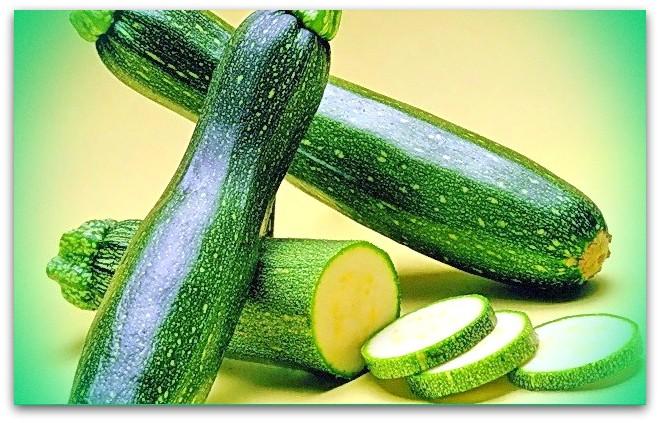
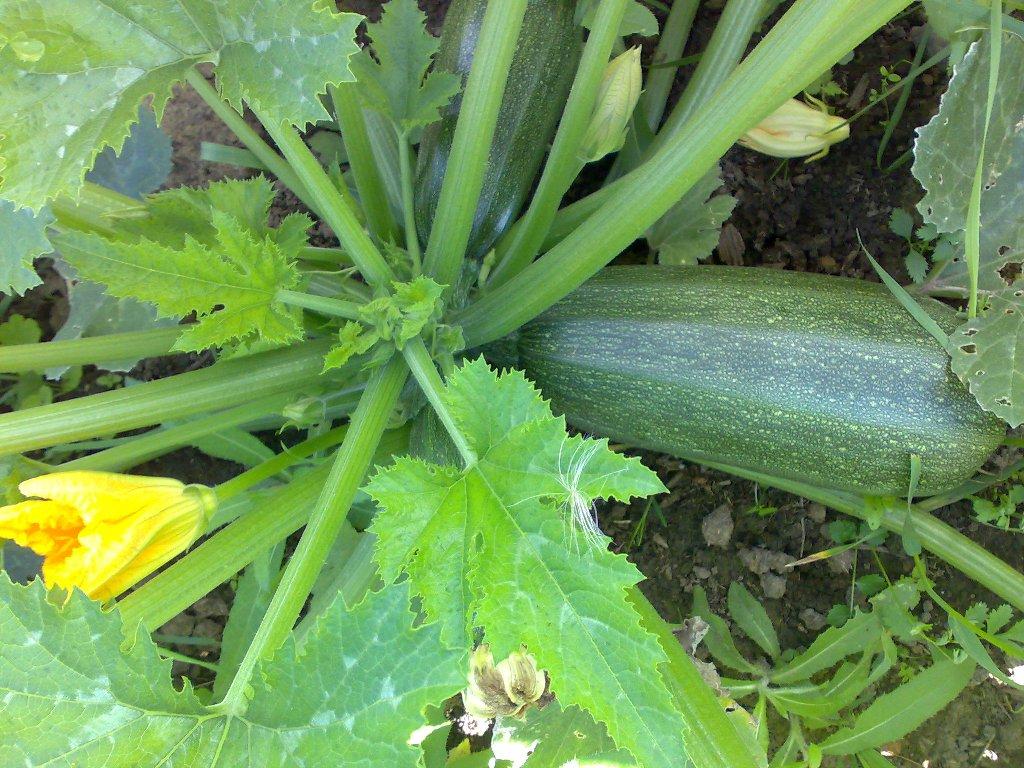
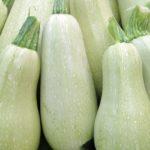
The Tsukesha variety is a zucchini cultivar prized for its compact growth habit and early ripening. It has large, non-spiny leaves, large orange flowers, and dark green skin. The cylindrical fruits reach up to 40 centimeters in length and weigh up to 900 grams. These zucchinis are best picked at the milky stage of ripeness, when they reach 12-15 centimeters in length and weigh 200 grams.
Beneficial properties
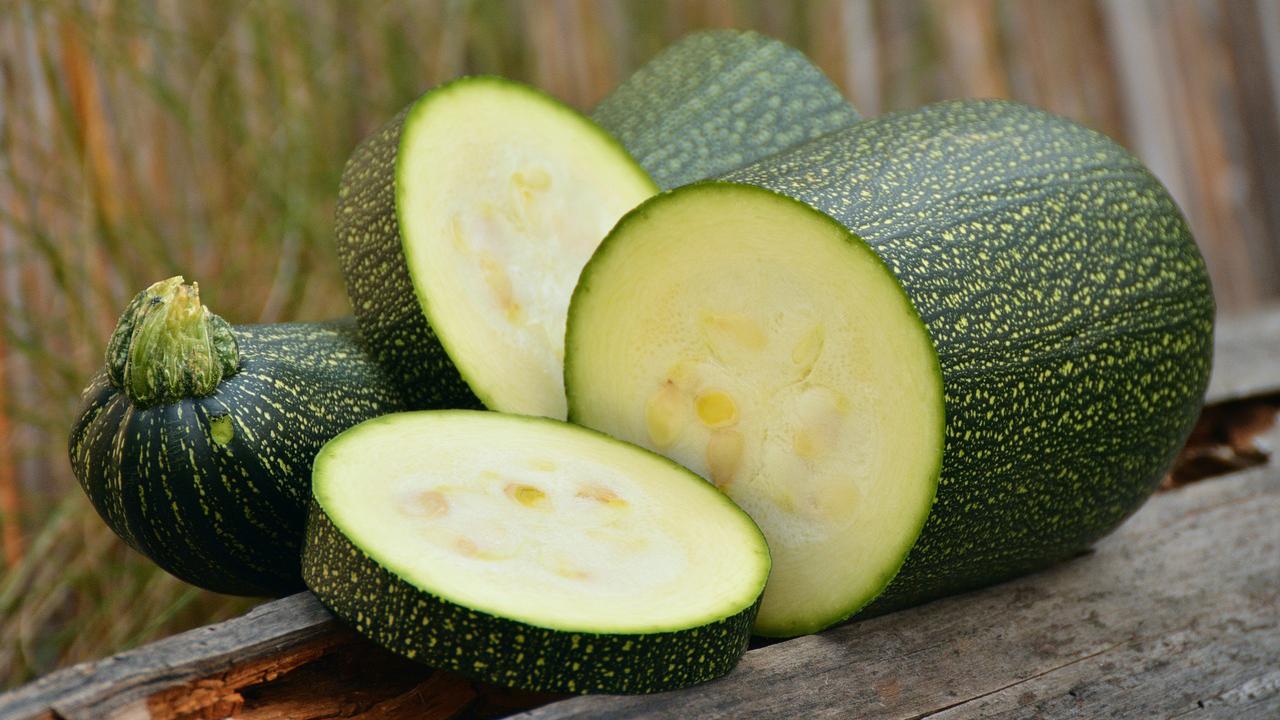
Tsukesh zucchini is more tender than regular zucchini. It can even be eaten raw. It's easily digestible and hypoallergenic. It contains a large number of essential vitamins and microelements. Zucchini is recommended for those trying to lose weight.
Features of cultivation
Gardeners typically sow zucchini seeds directly into the ground. In regions where warm weather arrives late, they grow the crop from seedlings and only then transplant them into the ground. To prevent diseases, it's important to practice crop rotation and avoid planting after cucumbers, pumpkins, melons, and watermelons. The best predecessors are garlic, legumes, potatoes, and onions.
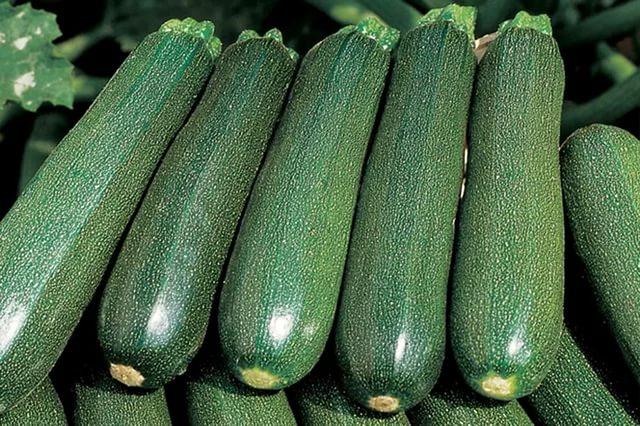 Tip! To ensure long-lasting fruiting, do not allow zucchini to overgrow and harvest them only when they reach 12-20 centimeters in size.
Soil preparation
The zucchini bed is prepared in the fall. A trench 50-60 centimeters deep and up to 80 centimeters wide is dug. Plant residues, manure, and soil are added to the trench, which is then watered and covered with plastic wrap until spring. As these components rot, they form a light, fertile substrate, essential for growing zucchini.
Seed preparation
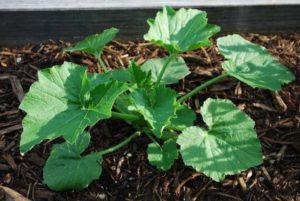
Before planting, discard seeds that feel hollow when pressed, as they are not viable. To improve germination, soak them in a solution of any growth stimulant for 2-3 hours. Then wrap them in a damp cloth and leave them there until sprouts appear.
Growing seedlings
To grow zucchini using seedlings, you need to follow these steps:
- Pour a layer of sand into small containers with drainage holes to prevent excess moisture from stagnating.
- Sprinkle a layer of substrate on top, consisting of 1 part humus and 1 part peat.
- To prevent fungal diseases, the soil is treated with Fitosporin. It does not contain aggressive substances, so it is suitable for use when growing seedlings.
- The seeds are planted to a depth of 2-3 centimeters.
- Water the seedlings regularly.
When 3-4 true leaves appear on the young plants, they can be planted in open ground.
Planting diagram
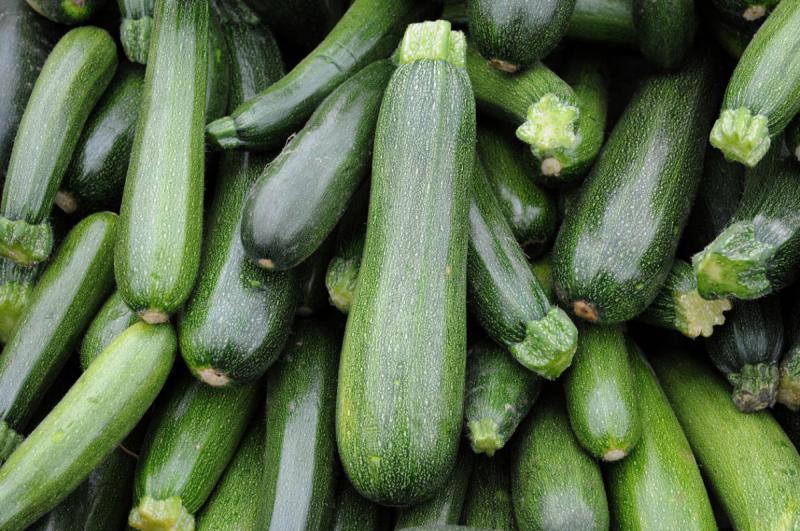
The holes are marked out according to a 70x70 centimeter pattern. They are dug to a depth of 4-6 centimeters and watered. Two seeds are planted in each hole, then, after germination, the weaker seedling is removed. Tsukesha zucchini can produce a bountiful harvest, so planting three to four plants per family is sufficient.
Care
To grow vigorous plants and ensure a bountiful harvest, zucchini plants require constant care. Young seedlings are especially sensitive to this.
Weeding
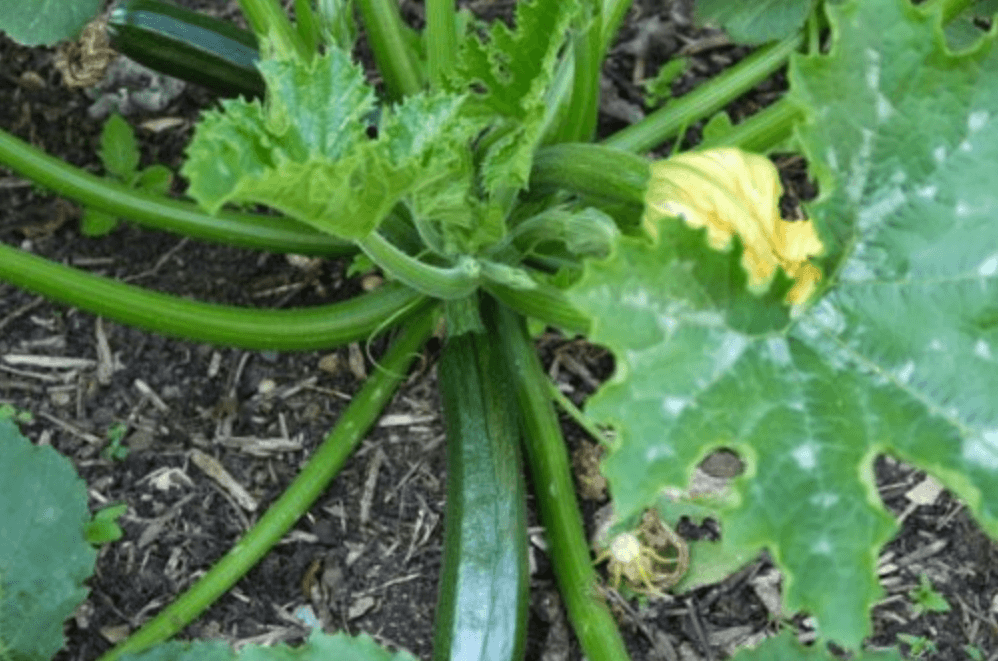
Weeds rob plants of nutrients and light. To prevent this, the soil around the zucchini plants needs to be regularly weeded. This is especially important when the seedlings are still small: weed-choked seedlings will not be able to develop into vigorous plants.
 Additional information: The older the fruit, the greater the nutritional value of the seeds.
Loosening
The soil under the bushes is loosened after watering or rain. This procedure not only provides air to the root system but also removes nutrient-robbing weeds. The soil should be loosened to a depth of 3-4 centimeters, being careful not to disturb the roots.
Top dressing
Zucchini bears fruit until autumn, so it requires frequent fertilization. Fertilize during bud formation with complex fertilizers, such as Kemira-Lux or Zavyaz. 0.5 liters of solution is sufficient for each plant.

The second time the crop is fed after the flowers have fallen with an infusion of greens, mullein, and bird droppings.
The third feeding is done during fruiting. For this, prepare a working solution consisting of 1 cup of ash dissolved in a bucket of water. Dry ash powder can also be sprinkled under each bush.
Mulching
The Tsukesha squash absorbs a lot of water. It needs to be watered infrequently, but thoroughly: the powerful root system needs to be fully saturated. To retain moisture in the soil, mulch the plants with straw or dry grass. This will also prevent the fruit from getting dirty.
Thinning
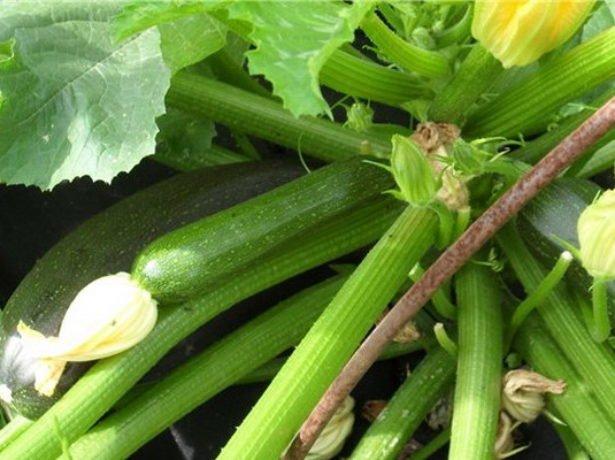
During the season, bushes develop thick leaves, which eventually fall to the ground and become a source of fungal diseases. To prevent this, thin the plants by removing the lower leaves. This procedure promotes ventilation and improves light exposure.
Protection from pests and diseases
If not properly cared for, the Tsukesha zucchini is susceptible to fungal diseases and powdery mildew. To prevent these problems, plant garlic and onions around the perimeter of the beds, sprinkle the plants with wood ash, and the substrate with colloidal sulfur. Periodically, the zucchini can be sprayed and the soil beneath them watered with a weak solution of potassium permanganate.
Harvesting and storage
The first harvest begins in June. With proper care, fruiting continues until the first frost. Zucchini tolerates long transportation. Store in a cool, dark place. Under these conditions, it can last until the New Year, but will lose some of its flavor.
Before storing, the fruits are left outdoors to dry. Select vegetables free of blemishes and fungal diseases. They should not touch each other, so they are sprinkled on all sides with sawdust, dry sand, and scraps of newspaper.
 Please note! Do not wash zucchini before storing!
Harm and benefit
Zucchini fruits provide the following benefits to the body:
- increases iron levels in the blood;
- strengthens bones due to the phosphorus and calcium it contains;
- has a choleretic function;
- gently cleanses the gastrointestinal tract of toxins, prevents constipation;
- has a diuretic effect;
- Masks and tonics made from vegetables moisturize the facial skin.
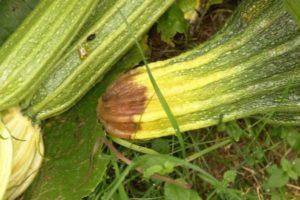
It is not recommended to consume zucchini in case of acute inflammation of the pancreas, gastric ulcer, intestinal infections, or individual intolerance.
Advantages and disadvantages
The positive qualities of the Tsukesha zucchini include the following:
- the seeds germinate quickly and evenly;
- early ripening of fruits;
- the pulp is tender, tasty, without large seeds;
- the harvest is abundant, with a long fruiting period;
- high shelf life of the vegetable;
- excellent transportability.
Disadvantages include its high demand for sunlight and abundant watering. Furthermore, the plant does not transplant well, so it's best to sow the seeds directly into the ground.
Reviews
According to experienced gardeners, the Tsukesha zucchini grows compactly, which is especially helpful for small gardens. They note that the fruit has a very tender and soft flavor. It stores well, making it ideal for a variety of delicious and nutritious dishes, as well as for canning for winter use.
Olga Ivanovna, Moscow region:
"One year I grew the Tsukesha zucchini using seedlings, and the next, I sowed it directly from seeds into the ground. In the second case, the plants grew larger and began bearing fruit earlier. The zucchini are very tasty; we harvested almost until the frost."
Natalia, Voronezh:
"I've been growing Tsukesha zucchini for several years now. I reap a bountiful harvest, which I use to prepare various dishes all summer long, as well as preserve it for the winter. The fruit keeps well, but loses flavor when stored for long periods."
Related posts:
 Description and characteristics of the zucchini variety "Rolik", planting and care
 Description and characteristics of the Kavili zucchini variety, cultivation and care
 30 Best Zucchini Varieties with Descriptions and Characteristics
 Description and characteristics of the Gribovsky zucchini variety, planting and care
 Description of zucchini squash, growing and care instructions
 Description of the Iskander squash variety, planting and care, harvesting and storage
 Description of the Nezhnyy Zephyr zucchini variety, care and planting features
 TOP 13 step-by-step recipes for the winter snack "Mother-in-law's tongue" made from zucchini