
- Description and characteristics of the hybrid
- Advantages and disadvantages of the variety
- Growing methods
- Planting in open ground
- Pre-preparation of seedlings
- Soil preparation
- Seed preparation
- Planting diagram
- Care
- Weeding
- Loosening
- Top dressing
- Mulching
- Seedling method of cultivation
- Seedless
- Harvesting and storage
- Harm and benefit
- Reviews
Among the wide variety of hybrid varieties bred in Holland, the Iskander zucchini is particularly popular. This early-ripening vegetable is widely cultivated almost everywhere. It can be grown both in greenhouses and outdoors. The plant is characterized by high productivity and relative undemanding growing conditions. To achieve the desired results from the Iskander zucchini, it's important to understand the basic principles of planting and care.
Description and characteristics of the hybrid
The annual squash Iskander is an early-ripening plant. Harvesting is possible 45-50 days after the first shoots appear. This plant has earned the respect of vegetable growers for its long fruiting period, lasting until the onset of cold weather.
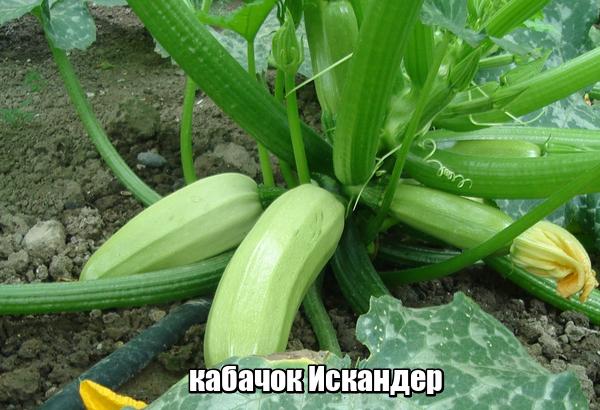
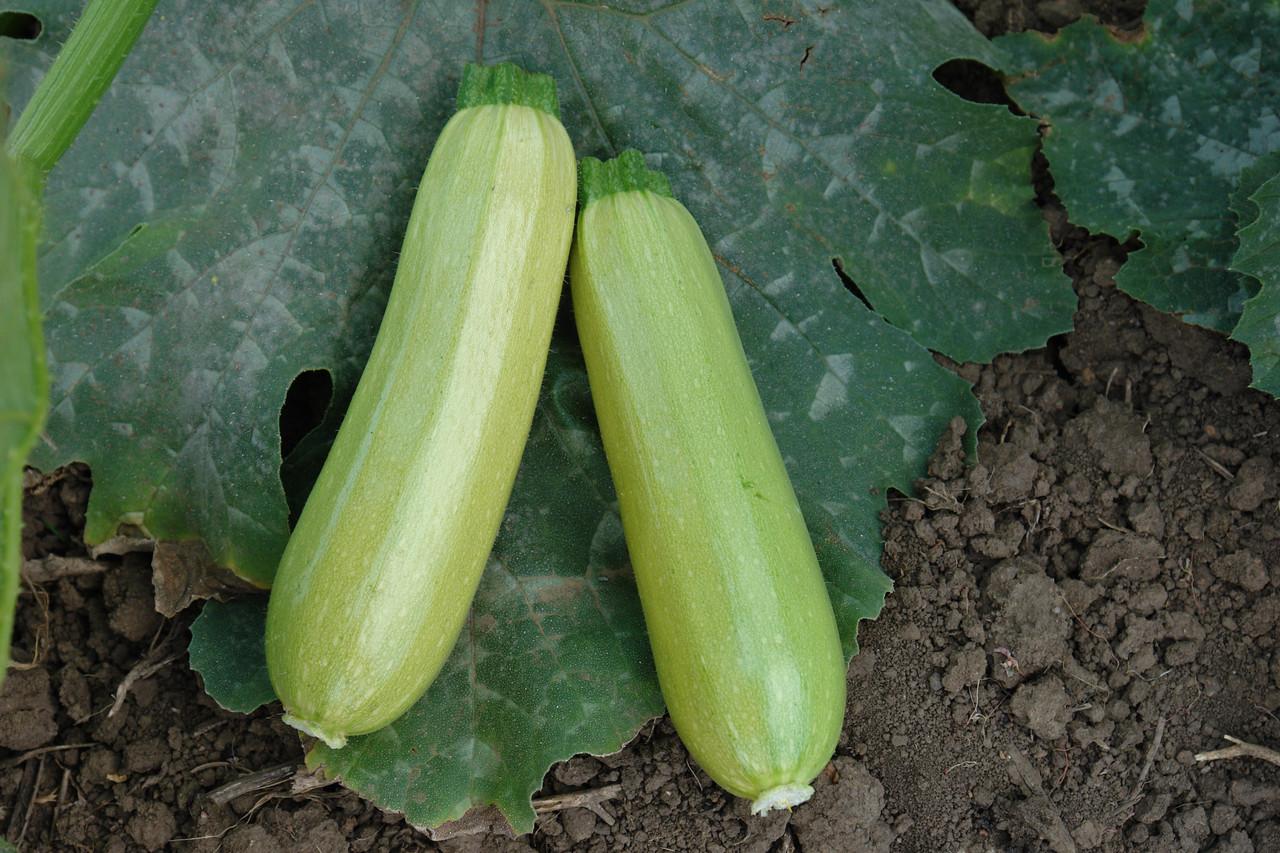
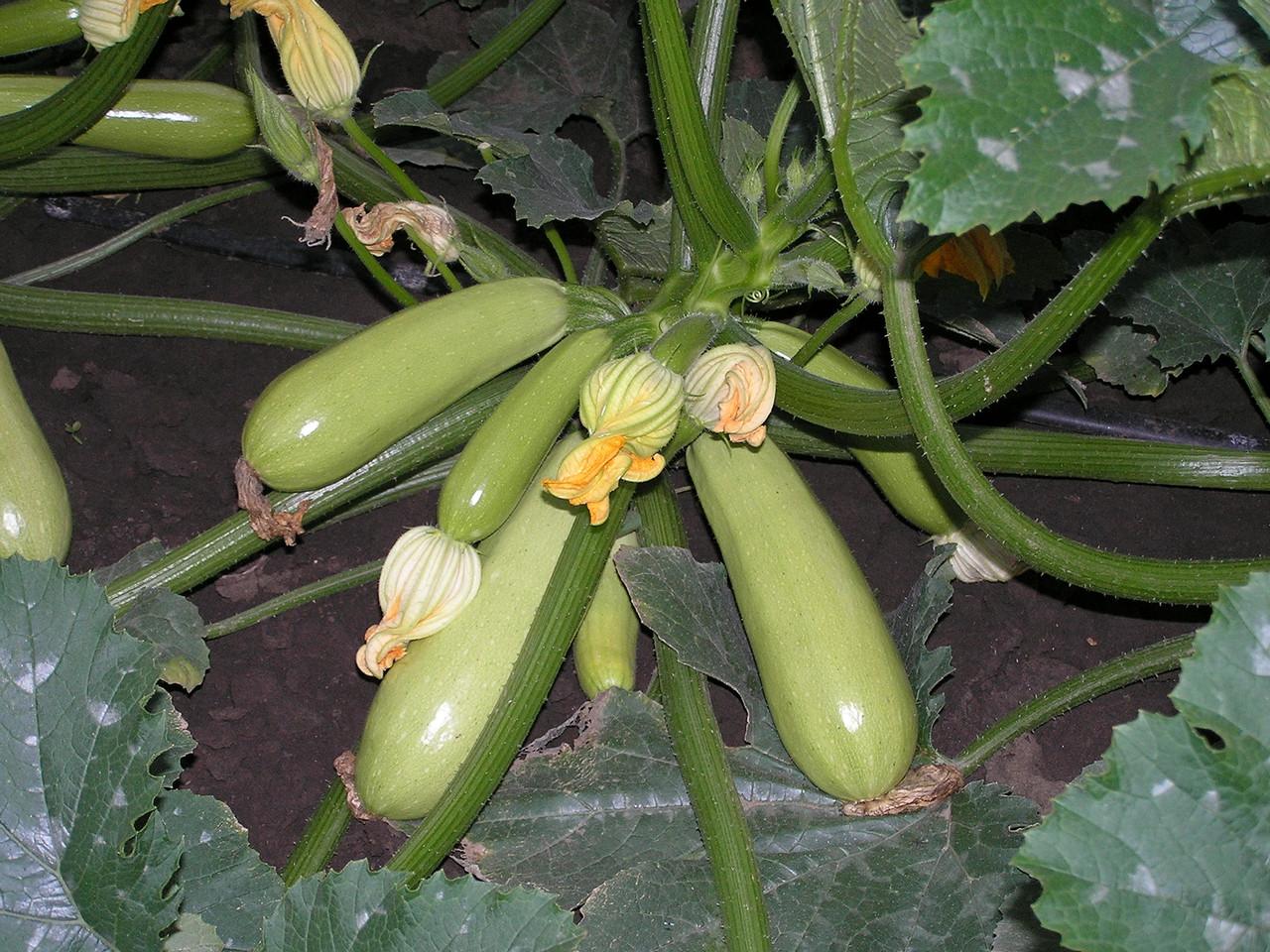
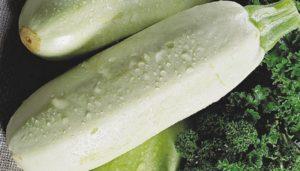
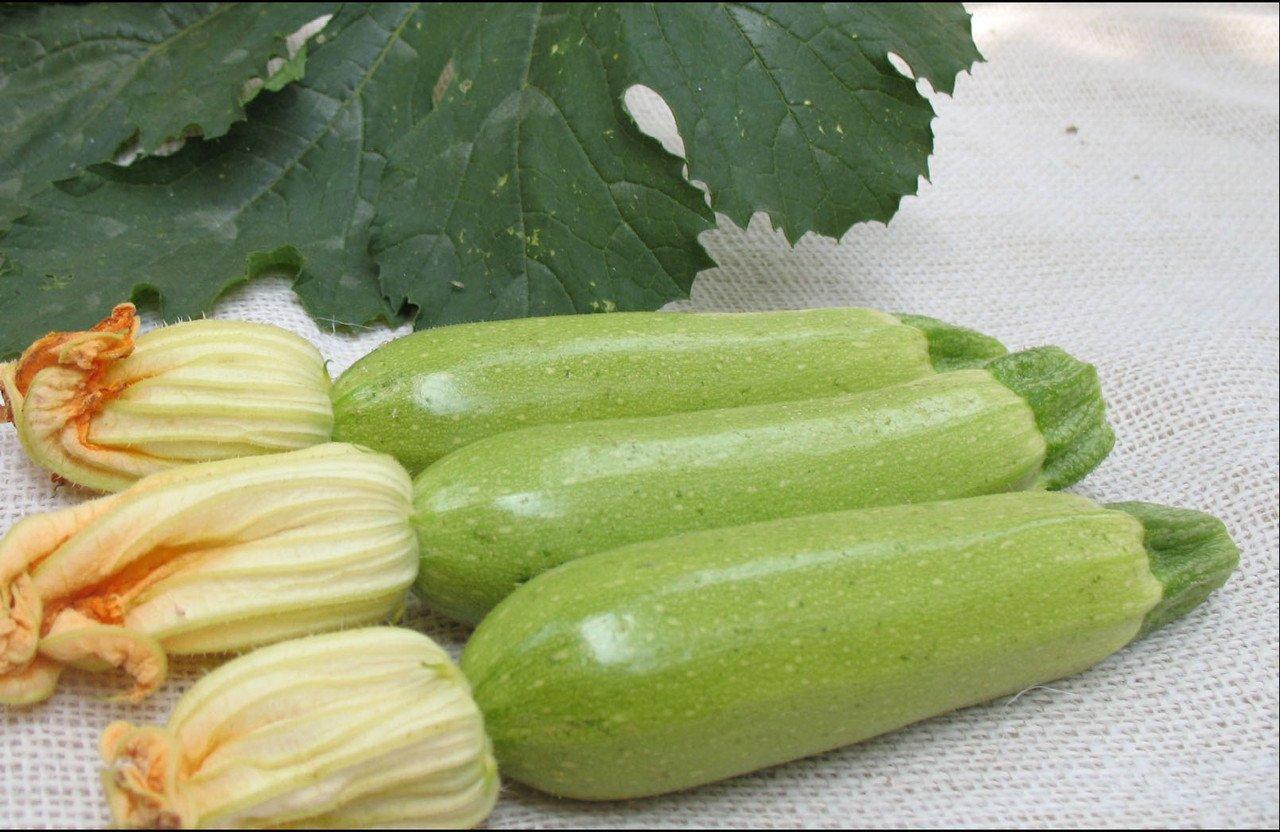
The Iskander squash produces narrow, cylindrical fruits. They are light green, speckled and veined, and have a creamy-white, firm flesh. The fruits can weigh 480-640 grams and are 18-20 cm long. They have excellent flavor.
The Iskander squash is described as upright, compact, and has a robust root system. These qualities allow it to withstand adverse environmental conditions, dry weather, and short-term, slight temperature drops. A single plant can yield up to 17 kilograms.To avoid deformation of the zucchini, it is necessary to tie it up as the bush develops.
Advantages and disadvantages of the variety
The Iskander zucchini is considered a highly sought-after vegetable crop, valued for a number of positive characteristics, including:
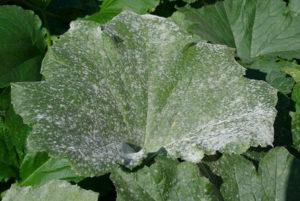
- increased immunity to anthracnose and powdery mildew;
- high performance indicators;
- excellent consumer and product qualities;
- undemanding to soil and care;
- self-pollination (no need for pollinators);
- drought resistance;
- early ripening;
- good keeping quality.
The Iskander zucchini has no drawbacks, which explains its high popularity among gardeners.
This hybrid form of Dutch selection is ideal for cultivation on large farms.
Growing methods
There are several ways to plant Iskander zucchini; the key is to know the specifics of each and follow a specific procedure.
Planting in open ground
You can plant dry seeds directly into a prepared bed, but it's better to pre-treat them. This simple technique allows you to grow strong, disease- and pest-resistant seedlings. Furthermore, preparatory measures ensure uniform and early germination.
Pre-preparation of seedlings
Growing seedlings is possible not only in greenhouses but also at home, where individual 10x10 cm containers are effective. Using young plants—saplings—allows for an early harvest. The key is to properly prepare the soil and provide the right conditions for the seedlings to grow and develop. Sowing should be done one month before planting in their permanent location.
Soil preparation
Fertile soil is preferred for the Iskander zucchini. If planting in sandy loam soil, additional amendments should be made, including peat, sawdust, humus, and turf soil, with one bucket of each component applied per square meter. A similar mixture is used for loamy soil, with 2-3 kilograms of each component applied per square meter.
 It is recommended to carry out preparatory activities 1-2 days in advance weeks before the planting date. The bed should be located in a well-lit area..
Seed preparation
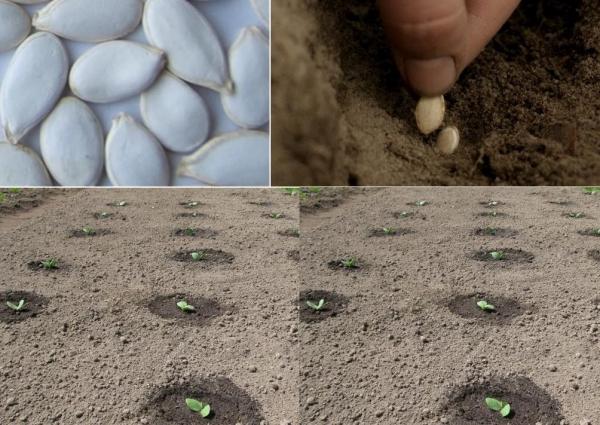
First, the seeds must be inspected and only healthy, undamaged specimens selected. They are then soaked in a growth stimulator solution for 12-24 hours. They are then wrapped in a damp cloth and stored in a warm place at 22-24 degrees Celsius for two days.
Planting diagram
Plant the seeds 6-7 centimeters deep in light soil, or 3-4 centimeters deep in heavy soil. Leave a 1-meter gap between plants and 1.5 meters between rows. Place no more than two seeds per nest, and select the strongest plant. Planting occurs in early May or early June.
Care
Considering the unpretentiousness of Iskander zucchini, for their growth and development it is enough to apply nutrients in a timely manner, regularly carry out irrigation, loosen and mulch the soil.
Weeding
To get rid of weeds, you need to weed the garden bed periodically. Otherwise, harmful plants will drain not only moisture but also nutrients, weakening the Iskander zucchini.
Loosening
Given the close proximity of the Iskander zucchini's root system, the soil must be loosened very carefully. If the roots are damaged, the plants will take a long time to recover.

Top dressing
When the Iskander squash has two true leaves, apply a mixture of ammonium nitrate (20 grams), potassium nitrate (20 grams), superphosphate (40 grams), and 10 liters of water. During the fruiting phase, use a mixture of superphosphate (50 grams) and potassium nitrate (50 grams) per 10 liters of water. The same fertilizer is also applied during the fruiting stage.
Mulching
For Iskander zucchini, a mixture of peat and humus is the best mulch. This will both nourish the plants and protect them from moisture stress.
Seedling method of cultivation
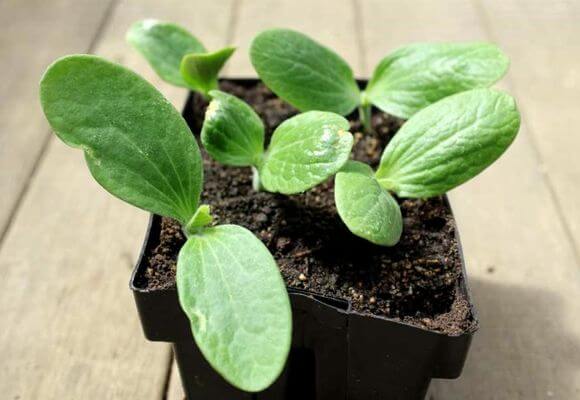
Plastic containers and special cassettes are suitable for growing seedlings. Add peat, humus, and manure to the soil. Place 1-2 seeds per cup, 3-5 centimeters deep. Water once every 7 days. Transplant the plants to their permanent location, root ball included.
Seedless
Place 3-4 seeds in nests 60 centimeters apart. Sprouts can be expected within a week if the air temperature is 12-15 degrees Celsius. Planting should begin in late May.
Harvesting and storage
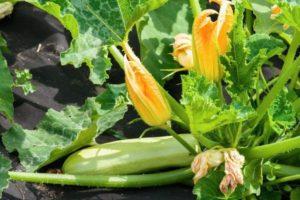
Iskander zucchini can be harvested as early as the beginning of the summer season. As the fruits ripen, their skin becomes firm. Iskander zucchini can be stored for up to 5 months if stored in a cool, dark place.
Harm and benefit
Iskander zucchini has a rich nutritional profile, containing vitamins B, A, H, and C, as well as trace elements. Regular consumption of this low-calorie product can cleanse the body, eliminate excess salts, and lower cholesterol. It also has a beneficial effect on heart health. When consumed in moderation, Iskander zucchini will not cause any harm.
Reviews
Iskander zucchini has proven itself to be a highly sought-after variety among gardening enthusiasts. They are easy to grow, highly productive, and resistant to major diseases. To reap a bountiful harvest, it's essential to adhere to proper farming practices.
Alexey, 56 years old, Saratov
The Iskander squash has proven itself to be quite a hardy plant, but it should be planted when the threat of recurrent frosts has passed.
Maria, 67 years old, Syzran
The hybrid produces fruit well and requires little care. I was particularly pleased with the early harvest. The flavor is pleasant, and the flesh is tender.
Related posts:
 How to properly plant zucchini in open ground, cultivation technology and care
 TOP 20 simple recipes for pickled zucchini for the winter
 Proper cultivation and care of zucchini in open ground, how to increase the yield
 What to do if the leaves of zucchini in open ground turn yellow and how to deal with it
 What is the best way to feed zucchini in open ground and greenhouses during flowering and fruiting?
 How to cook fried zucchini with garlic for the winter, finger-licking good recipes and without sterilization
 How to make zucchini adjika for the winter using finger-licking good recipes and storage instructions
 30 Best Zucchini Varieties with Descriptions and Characteristics