
- Features of the dish
- Prepare the necessary ingredients
- Methods for preparing adjika from zucchini
- Classic recipe
- With the addition of apples
- Delicious adjika with tomato paste and bell pepper
- With tomato juice
- Spicy with hot pepper and herbs
- Apple and carrot preparation for the winter
- Zucchini adjika without sterilization
- Five-Minute
- Zucchini and mayonnaise
- With tomatoes
- With zucchini
- Cooking method in a multicooker
- How to properly store adjika
Zucchini is an easy-to-grow garden plant capable of producing large quantities of fruit. During harvest season, questions often arise about what to make from the fruit and how best to process it. Experienced home cooks recommend taking a look at zucchini adjika recipes, which have earned the nickname "finger-licking good," emphasizing their main advantage.
Features of the dish
Adjika in its classic form originates from Abkhazian cuisine. Its distinctive flavor stems from the presence of hot peppers, a spice blend, and garlic cloves. Originally, this spicy condiment was made from garlic, a blend of herbs, and dried peppers. Today, it is used as an ingredient in soups, sauces, marinades, meat dishes, and salads.
There are numerous ways to prepare adjika today. Using zucchini for this purpose allows for a high yield, and its easy pairing with various vegetables and fruits allows for a wide variety of flavors.
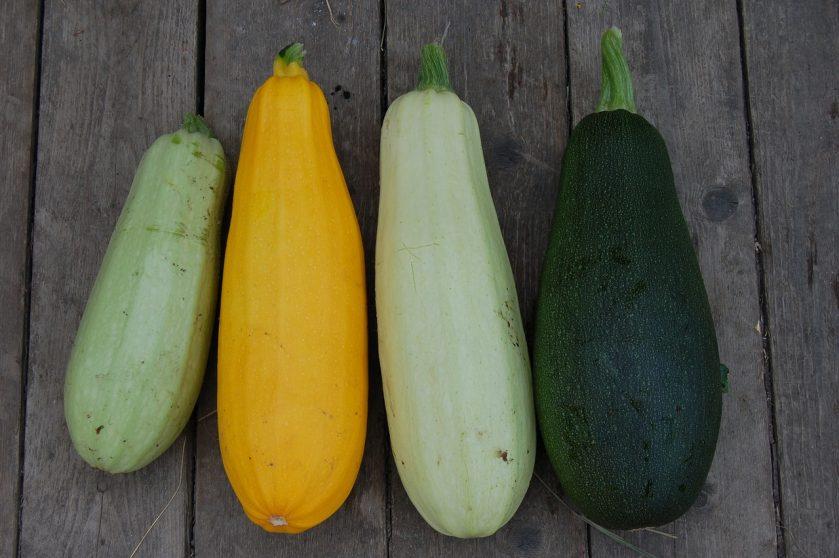
The main ingredient is zucchini, so it's important to choose it carefully. Today, there's a huge variety of zucchini varieties, including green, yellow, white, and even striped.
The color of the resulting adjika depends on the type of vegetable chosen, and the spiciness and flavor depend on the ingredients selected. Depending on the recipe, the product may be sweet or have a slightly sour taste.
Prepare the necessary ingredients
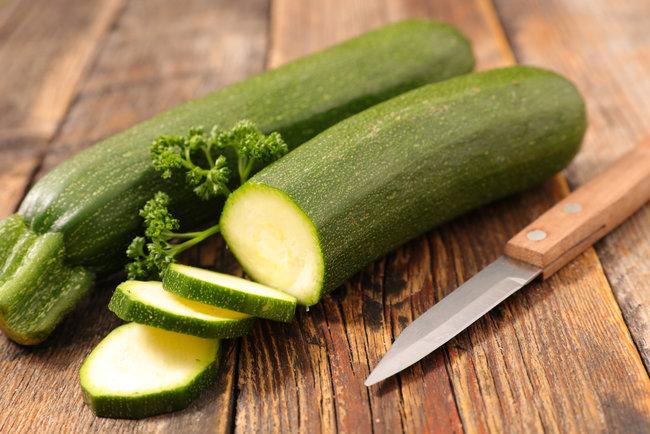
Select fully ripe zucchini for this process. Young zucchini do not require peeling, as their skins are still fresh and easy to process. Large, ripe zucchini should be peeled and the seeds removed. Overripe vegetables can be too tough and lack the desired flavor, so they are not recommended for use in preserves.
 Ingredients for the recipe are weighed after processing, as the weight of the final product may vary significantly during the process. Fruits with serious rottenness should not be used in this recipe. Adjika production requires grinding in a meat grinder, so it's recommended to cut the vegetables into pieces that fit easily through the machine's feed chute.
When using a blender, the ingredients will be too liquid after processing; after cooking, their consistency will resemble a paste. When working with kitchen tools and some ingredients, it's important to observe safety precautions.
Red pepper contact with the mucous membranes of the eyes and nose is dangerous, which should be taken into account when working.
Methods for preparing adjika from zucchini
Existing methods for making zucchini adjika vary in the ingredients used and processing techniques. Some recipes require sterilization of the product, while others avoid this procedure and save time.

Classic recipe
Zucchini prepared using the classic recipe involves chopping the fruit using a meat grinder and heat treatment.
The recipe calls for the following proportions:
- zucchini - 1.5 kg;
- sweet pepper - 0.250 kg;
- garlic heads - 3 pcs.;
- tomatoes - 0.75 kg;
- ground red pepper - 1.5 tbsp;
- sugar - 50 g;
- salt - 1 tbsp;
- odorless oils - 100 ml.

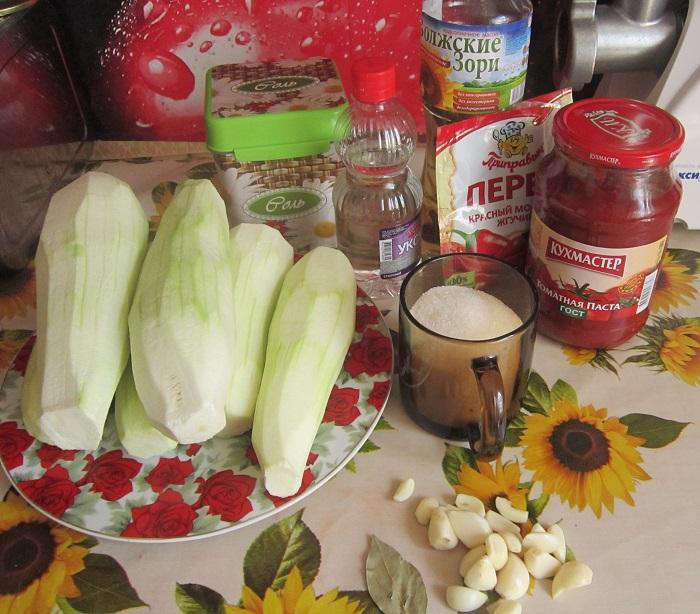
Grind the tomatoes, zucchini, peppers, and carrots in a meat grinder. Crush the garlic cloves with a mortar and pestle, then combine the vegetable mixture with the required amount of salt, sugar, and oil. Bring the resulting vegetable mixture to a boil and keep it at a simmer for 40 minutes. After rolling, the adjika takes, on average, 24 hours to cool.
With the addition of apples
The combination of zucchini and apples will give the adjika a slightly sour flavor, the richness of which depends on the fruit variety chosen.
The following proportions are used:
- zucchini - 6 kg;
- carrots - 1 kg;
- sweet pepper - 1 kg;
- garlic heads - 10 pcs.;
- tomatoes - 3 kg;
- red pepper powder - 5 tbsp;
- sugar - 300 g;
- salt - 4 tbsp;
- oils - 0.4 l.
Tomatoes are peeled, removing their thin skins. To make handling easier, they are pre-soaked in boiling water. Tomatoes and peeled zucchini are finely chopped. Apples are cut into equal halves and cores are removed from the seeds. To prevent browning, this procedure is performed immediately before using the product.
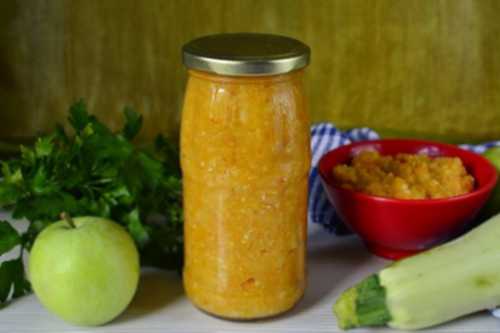
Chop the vegetable ingredients and apples, add the required proportions of salt, pepper, oil, and garlic cloves pressed through a garlic press. Boil the vegetable mixture for 40 minutes, add the chopped pepper mixture, and continue cooking for 15 minutes. Sterilize the mixture for 10 minutes.
Delicious adjika with tomato paste and bell pepper
The adjika variant using paste produces a product that vaguely resembles store-bought caviar and differs from the recipe for making it using tomatoes.
Ratio of products:
- zucchini - 5 kg;
- tomato paste - 0.5 kg;
- sugar - 1 cup;
- salt - 2 tbsp;
- garlic - 3 heads;
- 9% vinegar - 150 ml;
- ground red pepper - 1 tbsp;
- oils - 400 ml.
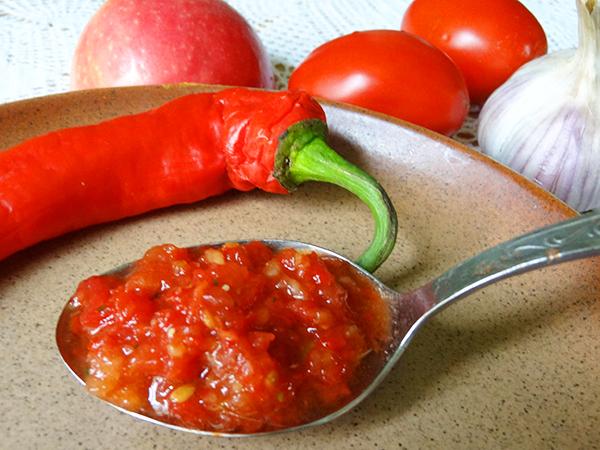
To prepare the zucchini, puree it and boil it. Add the required amount of paste, oil, salt, and finely chopped peppercorns to the pan. After 40 minutes, add the essence solution and crushed garlic. Stir the mixture and continue cooking for 10 minutes.
With tomato juice
By using tomato juice instead of tomatoes, you can achieve a delicate consistency of the preparation.
To work you need:
- zucchini - 3 kg;
- juice - 0.5 l;
- sunflower oil - 200 ml;
- salt - 4 tbsp;
- vinegar - 5 tsp;
- ground black pepper - 3 tsp;
- garlic - 12 cloves;
- greens - optional.
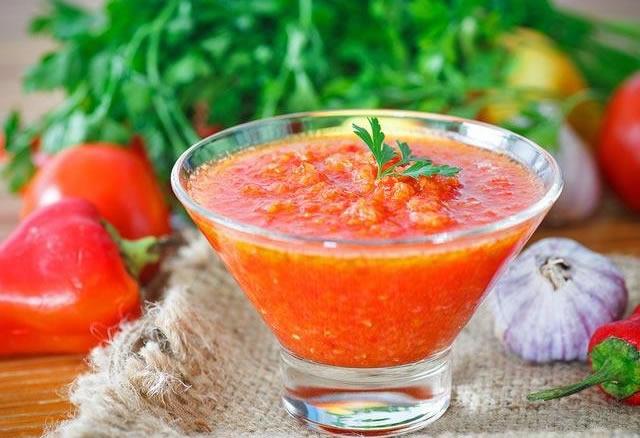
The zucchini is cut into pieces and chopped. The vegetable mixture is boiled for 1.5 hours to evaporate excess moisture, then the remaining ingredients are added and the mixture is simmered for 10 minutes. The delicious preserves are ready.
Spicy with hot pepper and herbs
Lovers of spicy dishes and sauces will love this version using hot peppers. The intensity of the flavor can be adjusted by varying the amount of salt and pepper. This preparation is perfect with meat and as a dressing for spicy soups like kharcho.
To work you will need:
- zucchini - 3 kg;
- vegetable oil - 200 ml;
- tomato paste - 250 g;
- garlic - 2 pcs.;
- 9% vinegar - 4 tbsp. l.;
- salt - 3 tbsp;
- ground black pepper - 3 tsp;
- hot pepper - 2 pcs.;
- parsley and dill - 1 bunch.
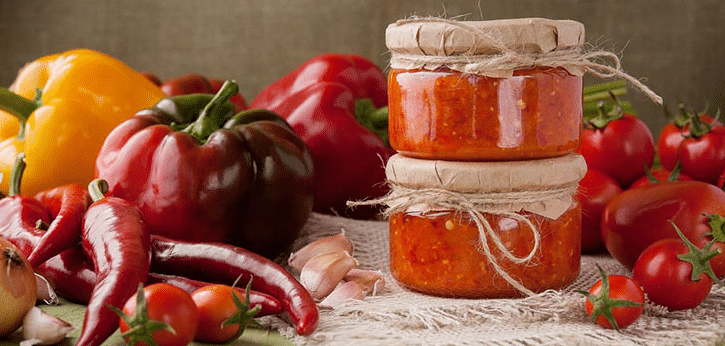
Salt and vinegar are added to the mixture at the final stage. Before adding salt and vinegar, the vegetables and main ingredients are simmered for 1.5 hours after chopping. After thoroughly mixing, the hot adjika is placed in a sterilized container.
Apple and carrot preparation for the winter
Adding carrots to the recipe gives the adjika a rich flavor, while apples give it a sweet and sour taste.
For the recipe you will need:
- zucchini - 2.5 kg;
- carrots, bell peppers, apples - 0.5 kg each;
- odorless oil - 250 ml;
- hot pepper - 5 pcs.;
- 9% vinegar - 100 ml;
- garlic - 1 head;
- sugar - 100 g;
- salt - 5 tbsp.
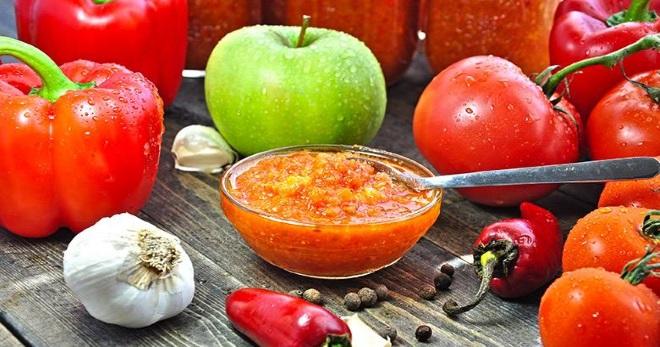
The preparation principle is similar to the previous recipes. The main ingredients, except for vinegar and garlic, are minced and simmered for 40 minutes. Next, add the essence solution and crushed garlic cloves and simmer for another 5 minutes, stirring thoroughly, before distributing evenly among the jars.
Zucchini adjika without sterilization
The secret to preparing the preserve is that the jars undergo a thorough heat treatment, and after sealing, the containers are turned upside down and wrapped in a warm blanket to cool slowly.
To prepare adjika you will need:
- zucchini - 2 kg;
- tomato paste - 350 g;
- vegetable oil - 1 cup;
- salt - 50 g;
- sugar - 250 g;
- salt - 50 g;
- 9% vinegar - 100 ml;
- ground red pepper - 1 tsp.
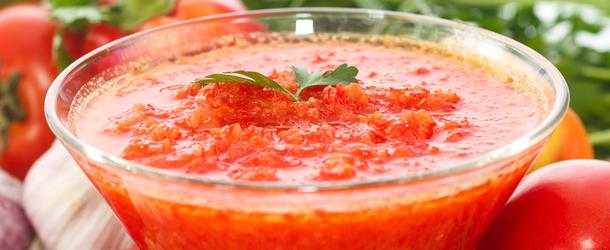
The preparation process is similar to the previous recipe: the vegetables are minced and cooked with the main ingredients. Vinegar and ground pepper are added at the final stage.
Five-Minute
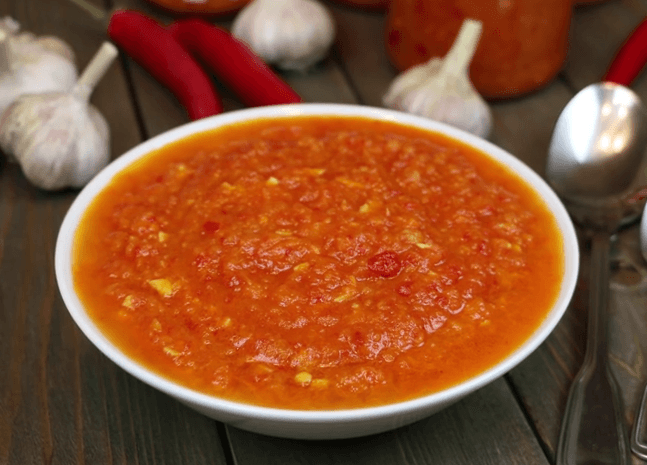
A simple way to make delicious adjika involves using the ingredients of the classic recipe, but simmering the vegetable mixture for just 5 minutes from the moment it comes to a boil. This trick helps preserve the maximum amount of nutrients. For this recipe, it's recommended to use young zucchini and completely peel them. After cooking, the adjika is placed in jars, sealed with plastic lids, and used as a seasoning for meat and fish dishes.
Zucchini and mayonnaise
Amazing preserves are created by adding mayonnaise to the mixture. You can prepare the preserve using the following ingredients:
- zucchini - 2 kg;
- onions - 350 g;
- tomato paste - 250 g;
- garlic - 1 head;
- mayonnaise - 350 g;
- granulated sugar - 50 g;
- salt - 40 g;
- black and red ground peppers - 2 tsp each;
- 9% vinegar - 2 tbsp. l.;
- refined oil - 100 ml.
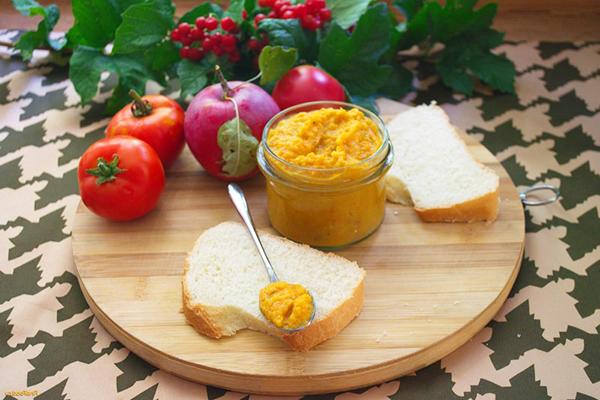
The addition of onions and sugar reduces the spice's pungency, which is typical of adjika made with red or hot peppers. The flavor is more delicate and richer. The preparation process is similar to the classic recipe.
With tomatoes
Many people are familiar with tomato adjika, but few know that adding zucchini pulp as an additional ingredient can give the seasoning an airy and soft flavor.
To prepare you will need:
- zucchini - 3 kg;
- tomatoes - 1.5 kg;
- bell pepper - 5 pcs.;
- garlic - 12 cloves;
- red and black pepper - 3 peas each;
- 9% vinegar - ½ cup;
- butter - ½ cup;
- salt - 2 tbsp;
- granulated sugar - 2/3 cup.
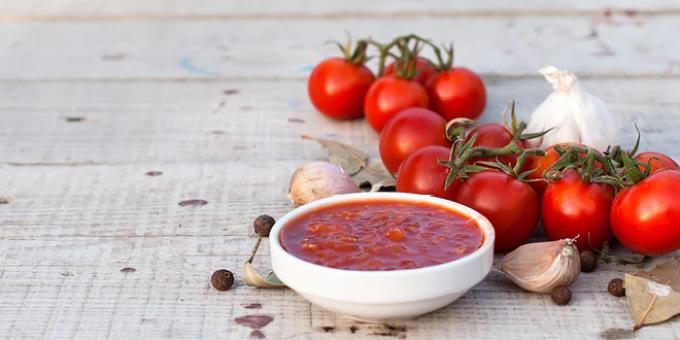
For this recipe, select red tomatoes with plump, juicy flesh. For easier peeling, use the boiling water method. Grind the zucchini in a meat grinder, removing the seeds and cutting into elongated slices. Then, boil the zucchini mixture for 20 minutes, adding the chopped tomatoes and peppers. Let the vegetables simmer for 1 hour, allowing the liquid to evaporate and the mixture to acquire a viscous consistency. Ten minutes before the end of the cooking time, add the garlic and essential spices, then whisk in the vinegar.
With zucchini
Zucchini is often confused with squash, as the vegetables are similar in appearance and taste. The difference lies in the harvest time and the weight of the fruit. Zucchini ripens earlier, allowing for earlier preparation of winter preserves. They average no more than 400 grams in weight and have a delicate, thin skin, making them easier to make adjika with.
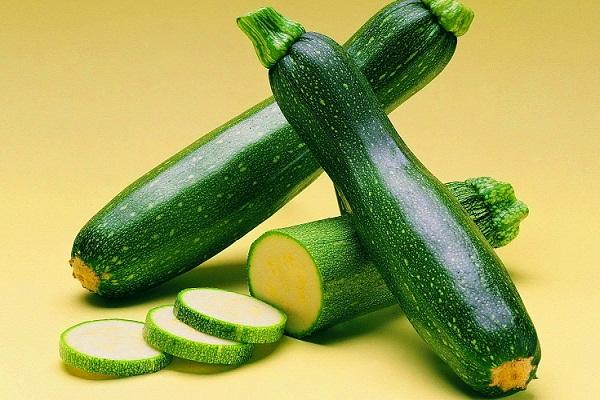
Making adjika with zucchini is virtually identical to the process used with squash. Due to the product's more delicate texture, cooking time is reduced, saving time.
The following proportions can be used for the recipe:
- zucchini - 6 pcs.;
- tomatoes - 20 pcs.;
- sweet pepper - 10 pcs.;
- garlic cloves - 8 pcs.;
- refined oil - 60 ml;
- 9% vinegar - ½ cup;
- salt and sugar to taste.
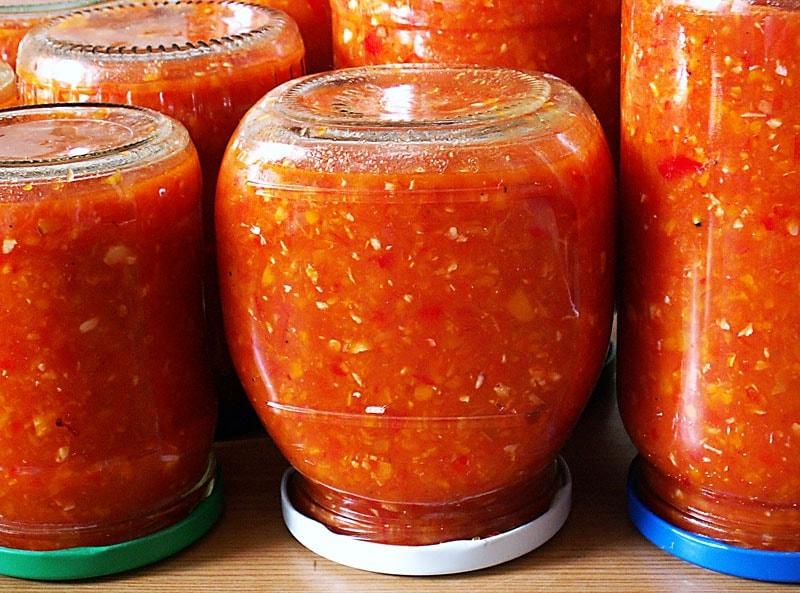
Tomatoes and peppers are minced and placed in a container, adding salt, sugar, and spices. Heat until boiling. Add chopped zucchini and vinegar and continue simmering for another 25 minutes. Divide the adjika mixture among the containers and sterilize for 15 minutes. This delicious seasoning for meat and fish dishes will be ready in a couple of weeks.
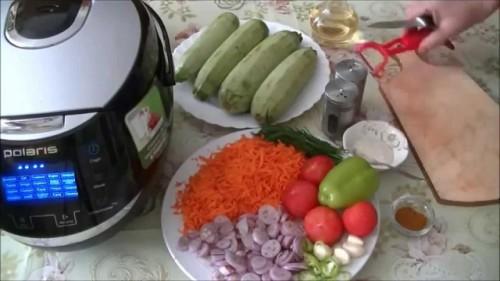
Cooking method in a multicooker
Using a slow cooker can significantly speed up the adjika preparation process. You can use any of the recipes for the seasoning. Place the chopped vegetables and butter in the slow cooker and cook on the "stewing" setting for 1.5 hours. Then add the spices and remaining ingredients and cook for another 10 minutes. If you have a pressure cooker mode, the indicated main cooking time can be reduced by 30 minutes.
How to properly store adjika
The adjika reaches its full potential after three weeks, which is the recommended time to try the finished product. During this time, the adjika loses its excessive spiciness, and the flavor becomes milder.
When properly prepared, the product can retain its quality for a year or more. During this period, the lids should not bulge, mold should not form inside, and the jars should not lose their seal. For proper storage, the jars must be thoroughly sterilized before serving. The optimal temperature range is considered to be between +3 and +7°C.
Related posts:
 How to cook fried zucchini with garlic for the winter, finger-licking good recipes and without sterilization
 TOP 20 simple recipes for pickled zucchini for the winter
 Amazing recipes for zucchini in tomato sauce for the winter, you'll lick your fingers, with and without sterilization
 TOP 13 delicious recipes for spicy zucchini for the winter
 How to make a zucchini appetizer with tomato paste "Uncle Ben's" for the winter: simple recipes that will make you lick your fingers
 How to prepare zucchini for the winter, Georgian style: "finger-licking good" and "mother-in-law's tongue" recipes
 Preparing zucchini lecho for the winter using recipes without sterilization, "finger-licking good" and with tomato paste
 TOP 40 New Year's 2020 Meat Recipes Using Pork, Beef, Chicken, and Lamb