
- Description
- Description of fruits
- Characteristics of the variety
- Productivity
- Scope of application
- Resistance to diseases and pests
- Beneficial properties
- Features of cultivation
- Soil preparation
- Fertilizer
- Predecessors
- Crop rotation rules
- Seed preparation
- Planting diagram
- Care
- Weeding
- Loosening
- Top dressing
- Thinning
- Protection from pests and diseases
- Harvesting and storage
- Harm and benefit
- Advantages and disadvantages of the variety
- Reviews
Gardeners and vegetable growers strive to diversify their vegetable crops. Vegetables are an essential part of any farm. The Rolik zucchini variety is one of the first to ripen, making it a favorite among gardeners.
Description
The Rolik zucchini variety was developed in Russia. Due to its high tolerance to low temperatures, it is suitable for growing in any region of the country. It is considered an early variety. From the first shoots to full ripening, it takes only 30-35 days.
Description of fruits
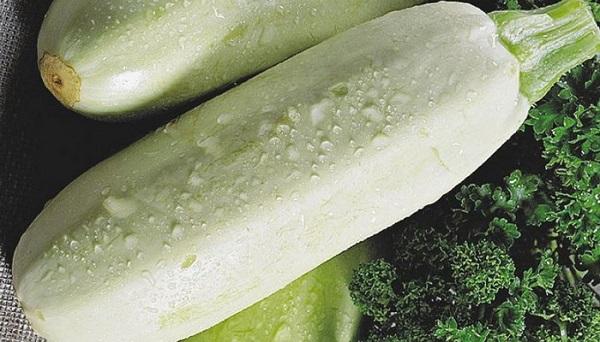
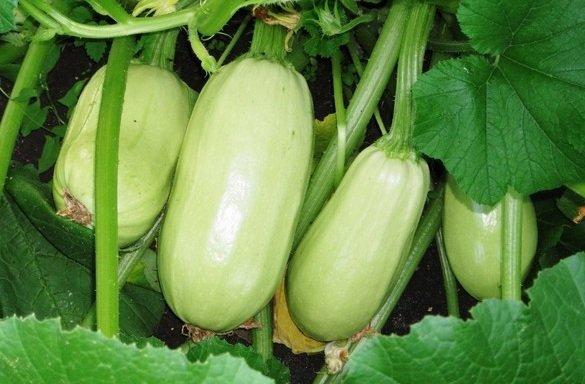
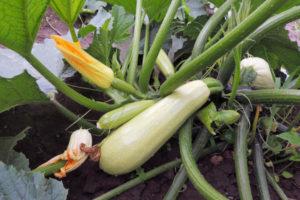
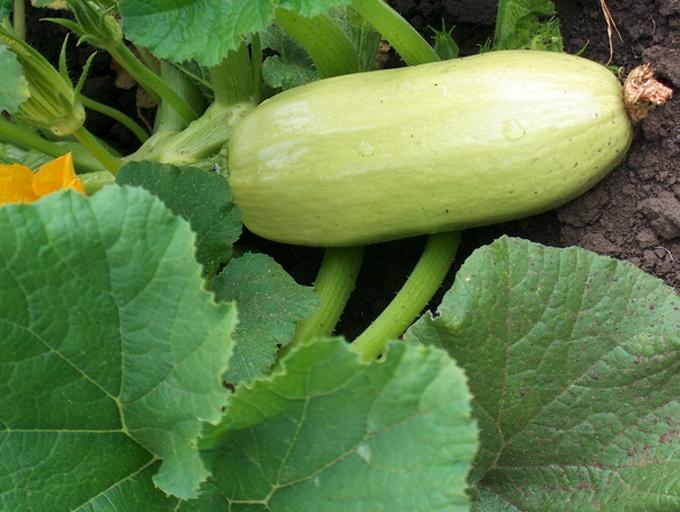
Ripe fruits are white with juicy, greenish flesh. The average weight of a Rolik zucchini ranges from 900 g to 1.3 kg, and its size does not exceed 30 cm. The skin is dense and smooth, yet tender and thin, so it is not trimmed during processing. Ripe fruits have a neutral flavor.
Characteristics of the variety
The Rolik zucchini can be planted both outdoors and in greenhouses. This frost-resistant vegetable can withstand sudden temperature fluctuations and light spring frosts. This makes it ideal for early planting in open ground.
The main advantage of this variety is its rapid growth and ripening. The first harvest of this early crop can be harvested as early as early summer.
Important! Ripe vegetables are harvested at the milky stage of ripeness. Overripe fruits have thick skin and an unpleasant taste.
Productivity
With timely planting and proper care, this vegetable crop begins to actively develop and bear fruit. The yield of this variety ranges from 7 to 9 kg of vegetables per bush. Therefore, Rolik is often grown on an industrial scale.
Scope of application
The fruits of this vegetable crop have a wide range of uses. Young zucchini can be eaten raw, fried, stewed, or boiled. It is also used for canning and freezing, both at home and in commercial settings.
Resistance to diseases and pests
The Rolik variety is quite resistant to pests and diseases. The main threat to this plant is the melon aphid, which, despite its mild nature, can completely destroy not only the harvest but also the plant itself.

Most experienced gardeners recommend using proven natural remedies to combat this pest. This is especially important if the pests are detected during the fruit setting period.
Take a look Also
Important! Chemical treatments should not be carried out before harvesting the ripened crop.
Beneficial properties
The Rolik zucchini is a veritable storehouse of vitamins, macro- and microelements, amino acids, and antioxidants essential for everyone's health. What's special about this vegetable is that even when frozen and processed, all its beneficial properties are retained.
Also, the Rolik zucchini variety is an indispensable dietary product that has virtually no contraindications.
And complex diets that include this vegetable quickly allow you to lose excess weight and improve your health.
Features of cultivation
Caring for this vegetable crop is not at all difficult, but some points still need to be taken into account:
- Vegetable crops don't like excess moisture. Otherwise, the roots or fruits will rot.
- If the plant's roots become exposed during growth, they are carefully covered with soil.
- The Rolik zucchini is heat and drought tolerant. Therefore, watering is infrequent, but it should be generous and warm.
- The crop is planted by sowing seeds or planting ready-made seedlings.
- It is not recommended to plant a self-pollinating plant next to squash.
- The location for planting zucchini should be chosen with good sunlight, protected from strong gusts of wind.
- The plant is planted in open ground at a daytime temperature of at least 13-15 degrees.
 Important! Young plants are especially attractive to birds and insects. Therefore, seedlings should be protected from external influences.
Soil preparation
To ensure faster growth and development of zucchini, prepare the soil for planting seeds or seedlings. The soil should be loose and amended with organic fertilizer. Highly acidic soil should be neutralized by adding lime.
Fertilizer
As soon as the first shoots appear, the plant requires additional feeding and fertilizer. The safest are natural fertilizers such as cow or chicken manure.

Predecessors
The Rolik zucchini should not be grown in the same bed for more than two years. It is recommended to return the crop to its original location no sooner than after four years.Suitable predecessors for cultivation are considered to be: onions, any greens, beets, potatoes, legumes or cabbage.
Crop rotation rules
It's not recommended to plant Rolik zucchini after cucumbers and pumpkins. Zucchini itself is a good precursor for all vegetable crops, with the exception of those in the cucurbitaceae family. After zucchini, the soil is well-hydrated and weed-free, allowing other crops to thrive.
Seed preparation
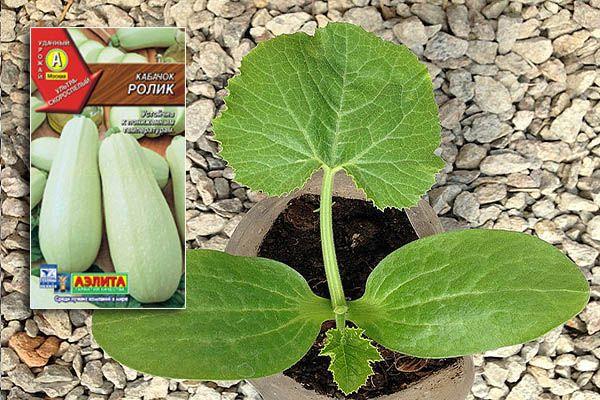
To obtain a bountiful harvest, high-quality seed is required. In northern regions, it is recommended to grow seedlings, and only once established are transplanted into open ground or greenhouses. In temperate climates, seeds are sown directly into open ground.
Planting diagram
Seeds are planted in open ground depending on the planting region. In temperate climates, work begins in late May. Seedlings are planted at the beginning of the summer season, when each plant has developed 3-4 leaves.
- 3-4 seeds are placed in each prepared hole.
- The minimum distance between planted plants should be 60-70 cm.
- The emerging shoots are examined and the stronger ones are selected, the rest are removed.
 For convenience and space saving, the Rolik zucchini can be planted in a checkerboard pattern.
Care
Like any vegetable crop, zucchini requires specific care, which will affect the growth and development of the plant, as well as the quality and quantity of the harvest.
Weeding
The Rolik zucchini doesn't like being near weeds. Therefore, vegetable beds require careful weeding to remove unwanted neighbors.
Loosening
To enrich the root system with oxygen and improve soil moisture, vegetable beds are frequently loosened. Due to the long root system, the soil between the beds is also loosened. This vegetable's root system is thin and weak, located close to the soil surface. Therefore, loosening is done carefully and superficially to avoid damaging the roots.
Top dressing
During active flowering and fruit set, zucchini should be fed with potassium-containing fertilizers. Every 10 days after the first sprouts appear, the crop requires sulfate, phosphate, and potassium fertilizers.
Thinning
The first thinning is done after the first shoots emerge. Subsequent thinning is done as needed. It's also recommended to trim off the largest leaves of zucchini, as these completely block sunlight from reaching the flowers and fruit.
Important! Dense plant growth makes it easier for pests and fungal diseases to thrive.

Protection from pests and diseases
During the growth of zucchini, it is necessary to take certain preventative measures to help avoid pests and diseases:
- Spray the plant leaves with an infusion of wood resin and laundry soap once every 7-10 days.
- An infusion of dry tobacco with laundry soap. Spray the leaves once every two weeks.
- Zucchini is treated with an infusion of dandelion leaves early in the morning or after sunset.
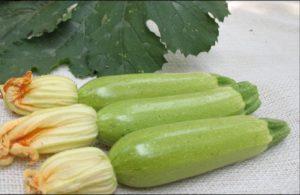
Such preventative measures will prevent the development of diseases and repel pests from the Rolik zucchini.
Harvesting and storage
Harvesting of the ripened crop begins in July and ends in the fall. For long-term storage, the fruits are cut off along with their stems. It's best to store the Rolik zucchini variety in a cool place. This can be either a cellar or the bottom shelves of the refrigerator.
Harm and benefit
Zucchini is a dietary food, so it's recommended even for pregnant and nursing mothers. The vitamins it contains strengthen the immune system, the amino acids and antioxidants protect the body from cancer, and the macro- and micronutrients help maintain cardiovascular health.
Raw vegetables are not recommended for those with gastrointestinal diseases. People with kidney failure should avoid zucchini completely.
Advantages and disadvantages of the variety
The main advantages of the zucchini Roller:
- This unpretentious vegetable can be grown both in greenhouses and in open ground.
- Highly rated for taste.
- The variety is frost-resistant and easily tolerates temperature fluctuations.
- Cultivation in any climate zones.
- Small fruits tolerate transportation well even over long distances, which makes it possible to grow the vegetable for industrial purposes.
- Early ripening of fruits.
Flaws:
- Overripe zucchini loses its taste.
- Weak resistance to melon aphids.
- It does not tolerate excess moisture, and various diseases begin to develop immediately.
The advantages of the Rolik zucchini variety have long been appreciated by experienced gardeners and vegetable growers.
Reviews
Nina. Volgograd.
I can't devote much time to my beloved garden, so Rolik zucchini have become a lifesaver for the whole family. By the end of June, delicious dishes made with our zucchini are already on the table.
Elena. Smolensk.
We tried planting a new zucchini variety, Rolik. The harvest was plentiful. The whole family enjoyed fresh vegetables all fall and even into winter.
Related posts:
 30 Best Zucchini Varieties with Descriptions and Characteristics
 How to properly plant zucchini in open ground, cultivation technology and care
 Description and characteristics of the Kavili zucchini variety, cultivation and care
 Description and characteristics of the Gribovsky zucchini variety, planting and care
 Yellow squash varieties with descriptions, characteristics, and yield indicators
 TOP 13 step-by-step recipes for the winter snack "Mother-in-law's tongue" made from zucchini
 Proper cultivation and care of zucchini in open ground, how to increase the yield
 Description of the Nezhnyy Zephyr zucchini variety, care and planting features