
- Description and characteristics of the hybrid
- Advantages and disadvantages of the variety
- Growing methods
- Planting in open ground
- Pre-preparation of seedlings
- Soil preparation
- Black earth
- Light loamy
- Clayey
- Sandy
- Peat
- Seed preparation
- Planting diagram
- Care
- Weeding
- Loosening
- Top dressing
- Before flowering
- During flowering and fruit formation
- During the ripening period
- Reproduction
- Harvesting and storage
- Reviews
- Positive
- Neutral
- Negative
Zucchini is a beloved vegetable. It's healthy and a great addition to a healthy diet. It's hard to imagine a garden without this crop. It's very popular due to its extremely high yield and overall ease of maintenance. Recently, the Kavili zucchini has become the most popular vegetable among gardeners.
Description and characteristics of the hybrid
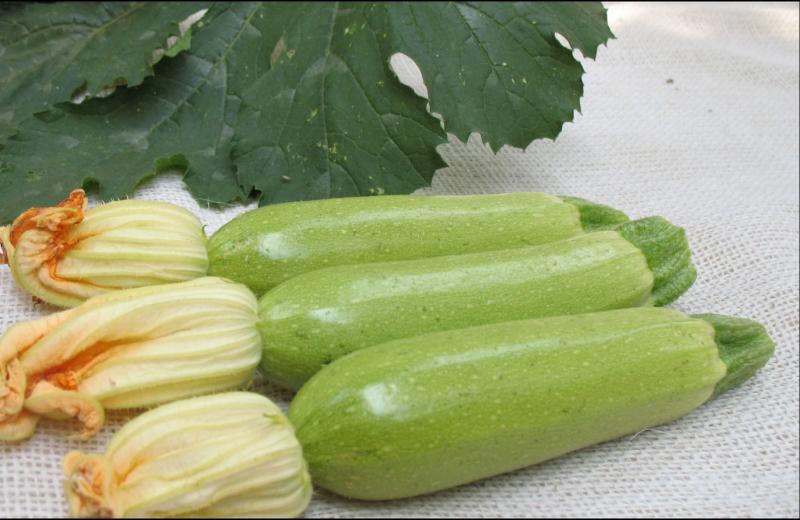
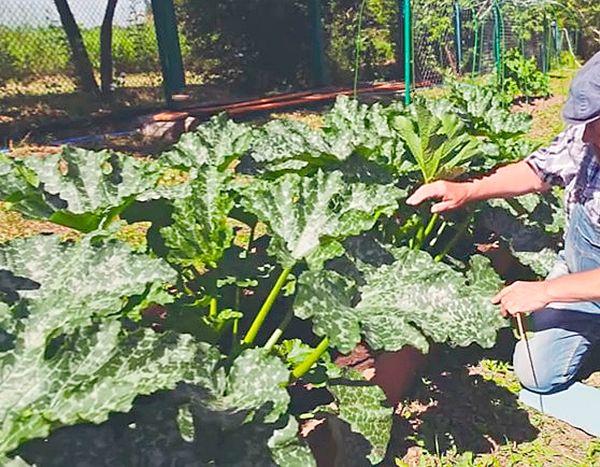
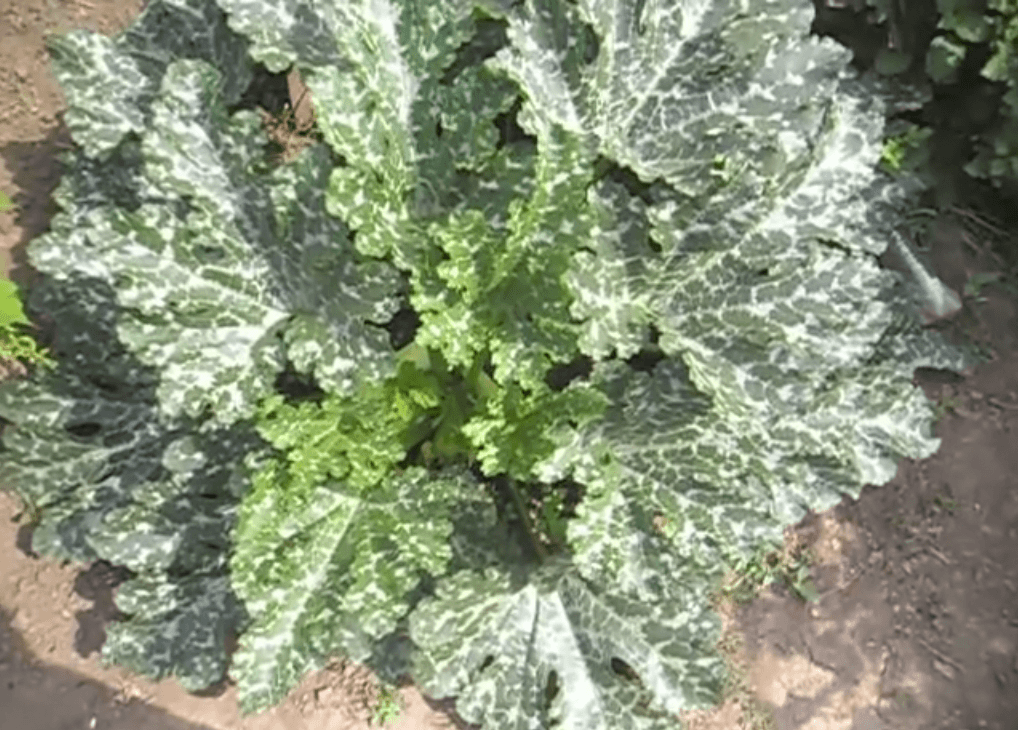
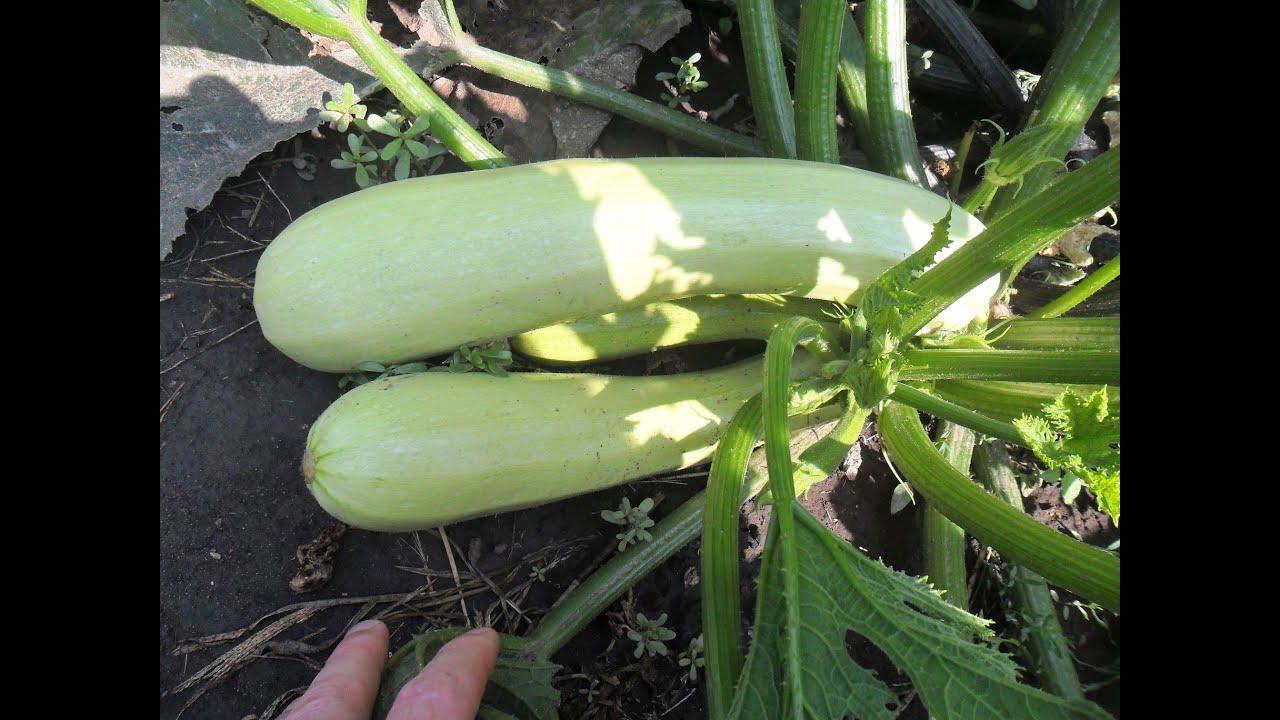
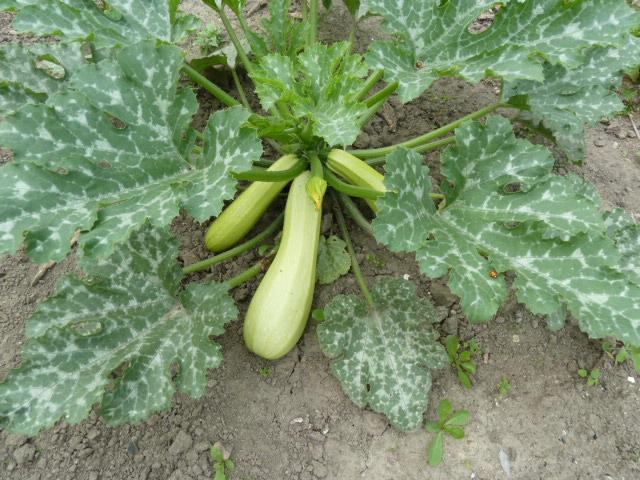
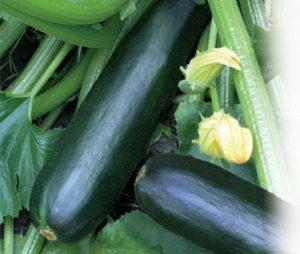
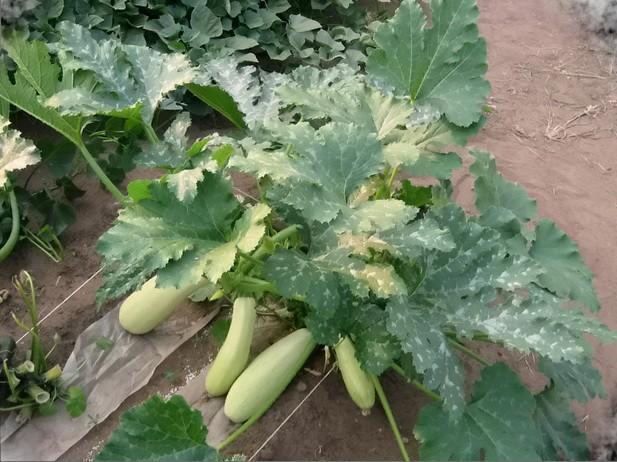
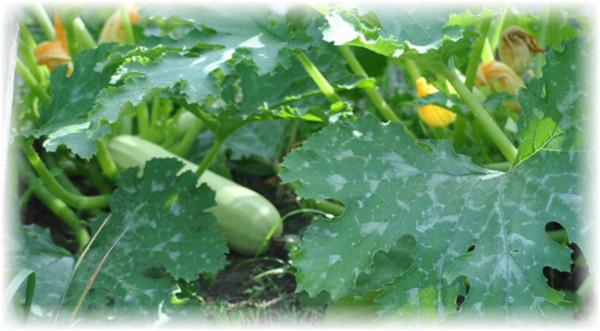
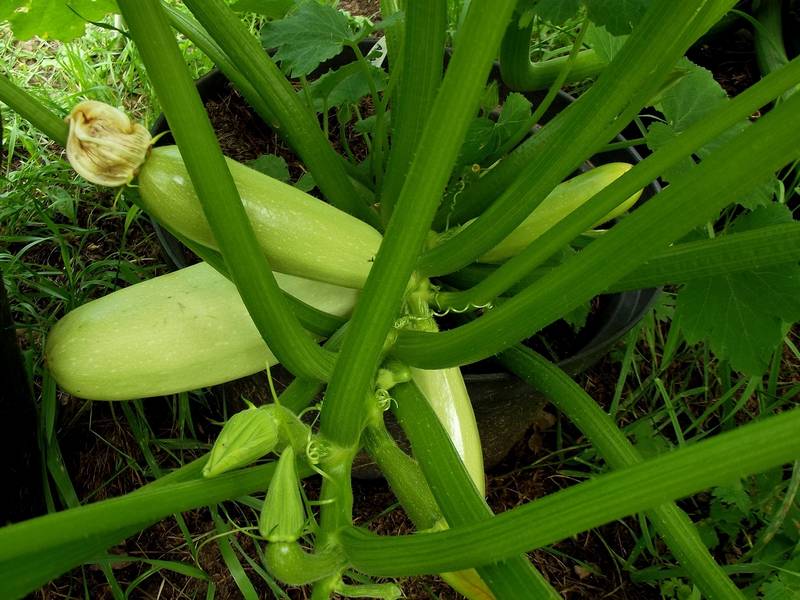
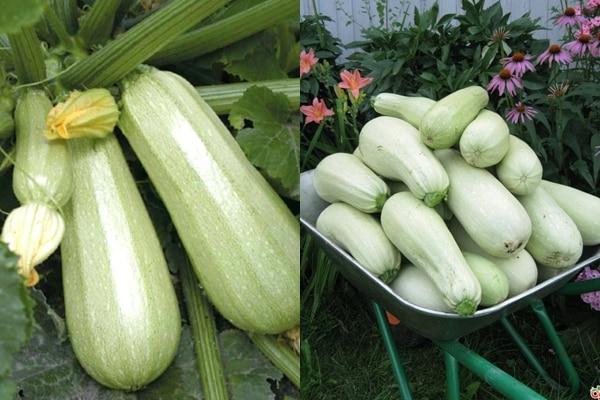
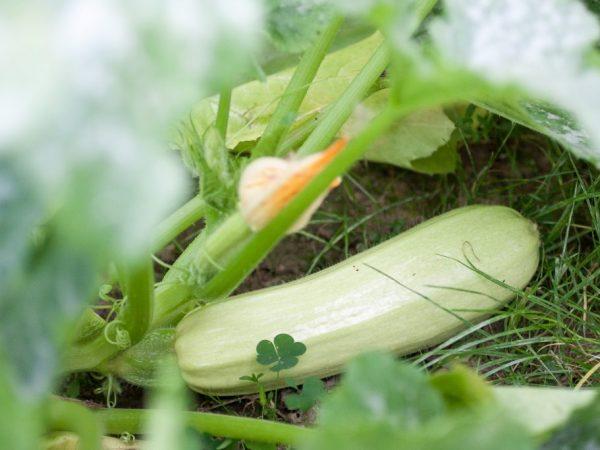
The Kavili variety is a hybrid developed in Holland relatively recently, but has already become one of the most popular varieties of this vegetable. It can be grown in almost any region of Russia. The leaves are compact and don't take up much space in the garden. They are dark green with whitish spots. The fruits are oblong, about 20 cm long, and weigh up to 300 g. The skin is light green, and the flesh is white.
Advantages and disadvantages of the variety
This hybrid has a number of obvious advantages. It has a very high yield—up to 9 kg per square meter per season. The Kavili variety is self-pollinating and is also considered an ultra-early ripening variety. Gardeners can harvest their first crop within 40-45 days after the first shoots emerge. The plant will continue to produce fruit for 2.5 months.
Cavili are excellent for both greenhouse and open ground cultivation.Zucchini are easy to care for and tolerate changing weather conditions well. They are considered frost-resistant, but it's advisable to protect the sprouts initially by covering them with film, fabric, or mulch.
The plant needs only basic conditions for successful growth:
- Nutrition.
- Good lighting.
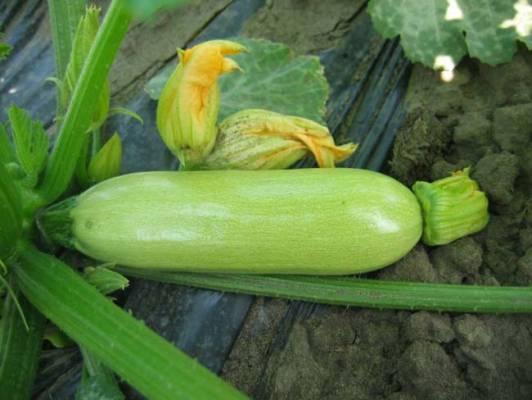
The harvest is preserved without damage if basic storage rules are followed. The fruit has tender, whitish flesh. Zucchini has a very delicate flavor, so it is often used raw in vegetable dishes.
Kavili squash is ideal for canning. The fruit can also be dried or frozen for winter storage.
The disadvantage is that it is quite difficult to obtain high-quality zucchini seeds of this variety at home, since the hybrid is self-pollinating.
Growing methods
You can grow zucchini from seeds or seedlings. In southern regions, you can plant seeds in the ground without any risk, but in cooler climates, it's preferable to grow the vegetable from seedlings.

Planting in open ground
Before planting outdoors, it's important to properly prepare zucchini seeds and seedlings. The soil for plant growth should be prepared in the fall, taking into account its acidity. The location where the seedlings will be planted should be well-lit and free from strong drafts.
Pre-preparation of seedlings
In May, seeds for seedlings are planted in small pots, preferably peat ones. Two to three seeds are placed per pot. Initially, the soil in the pots should be watered with warm water.
Keep the containers with the planted seeds in a warm place until the first sprouts appear. A week before transplanting them outdoors, take the pots with the seedlings outside to allow the plants to adapt to the new conditions. They are then placed in the garden beds after 20 days.
Soil preparation
Despite the overall ease of cultivation of the Kavili hybrid, the soil for this vegetable needs to be prepared in advance. This will improve air permeability and provide the nutrients necessary for the growth of young plants. Incorporating green manure into the soil is effective. This procedure restores the soil structure and improves its condition.
Black earth
This type of soil is an excellent choice for planting Kavili squash. The amount of mineral and organic fertilizer required will be significantly less than when planting in other soil types. Compost or green manure will be sufficient.
Light loamy
To improve the composition of such soil, sand is added. Incorporating green manure into the soil is also a good addition.
Clayey
To plant Kavili zucchini, you need to add the following fertilizers to clay soil:
- sawdust;
- humus;
- superphosphate;
- peat;
- wood ash.
Sandy
The following substances can help make sandy soils suitable for planting:
- compost;
- wood ash;
- peat;
- clay flour.
Peat
To plant zucchini seedlings on peat soils, you will need to add the following to the soil:
- organic fertilizers;
- clay;
- sand;
- phosphorus-potassium fertilizers.
Highly acidic soil is not suitable for growing the Kavili squash hybrid. The following will help normalize the acidity:
- Dolomite flour.
- Powdered chalk.
It's also important to remember crop rotation rules. It's not recommended to plant zucchini in the same spot for several years in a row.
Seed preparation
Zucchini seeds have an excellent germination rate—the first sprouts will appear within 7 days of planting. Soaking them is not recommended, as the seeds are treated with tyramine (a special nutrient), and water washes away this substance. The seeds are sold pre-treated.
Planting diagram
Zucchini seeds or seedlings are planted in open ground when the soil has warmed to 12-15 degrees Celsius, at a depth of at least 10 cm. Place the seeds no more than 5 cm deep in the soil. Place 2-3 seeds per hole. The soil should be well moistened before planting.
Take a look Also
A prerequisite for good hybrid growth is maintaining the distance between planted plants. It should be at least 70 cm apart, and the row spacing should be 1.5 m. This space is necessary for the plant to fully develop.
Care
Many gardeners love this variety because the plant requires minimal care.
Weeding
During flowering and fruiting, remove a few leaves from each bush. This allows the vegetable to receive more light. In shaded areas, thinning the plants is recommended. It's also important to remove weeds promptly.
Loosening
This procedure must be carried out carefully, as the plant's roots are shallow. It's best to do this simultaneously with watering. Young plants need to be hilled up to strengthen the stems. If the roots are slightly exposed, they should be covered with soil.

Top dressing
Additional soil fertilization will ensure a bountiful zucchini harvest in the future. One of the best ways to do this is by adding compost to the soil. This is best done in the fall.
Adding the following fertilizers to the soil will undoubtedly bring benefits to young plants:
- chopped hay;
- green manure;
- sawdust;
- superphosphate;
- wood ash.
If these substances were added to the soil in the fall, then there is no need to additionally fertilize the soil in the spring.
Before flowering
If necessary, before flowering, apply the following solution to the zucchini roots: 1 tablespoon of nitrophosphate diluted in 10 liters of water. The application rate is 1 liter per plant.
During flowering and fruit formation
During the flowering period, zucchini are fed with a mixture of ash (40 g) and complex mineral fertilizers (20 g), diluted in 10 liters of water. The consumption rate is the same as in the previous case.
During fruit ripening, there is no need to apply mineral fertilizers; wood ash is sufficient.
Foliar feeding is carried out with mineral fertilizers in the amount recommended by the manufacturer of the product.
During the ripening period
Additional fertilizing is unnecessary if the soil was prepared in the fall. The early-ripening Kavili variety will benefit from the nutrients already available in the soil.
Reproduction
Zucchini can be grown using either seedlings or direct-seeding methods. The direct-seeding method yields an earlier and more abundant harvest. To obtain seedlings, seeds are sown as early as April. Seeds are planted outdoors in May or June.
Harvesting and storage
The hybrid will delight the gardener with a bountiful harvest for 2.5 months.Young zucchini have thin, delicate skin and are best eaten immediately. Mature zucchini have thicker skin and therefore store better. Store harvested vegetables in a cool, dry place. This way, fresh, undamaged vegetables can last up to 2 months.

Reviews
There are many reviews about this variety online, most of them are positive.
Positive
Gardeners' reviews of this variety are overwhelmingly positive. They note the hybrid's high yield and the excellent storage properties of the vegetables.
Elena Vasilievna, 62 years old
I've been gardening for many years. This year, I bought seeds of the new Kavili variety for the first time. I was amazed. The harvest was abundant, and we were picking right up until autumn. The flavor is excellent, and the vegetables stay fresh for a long time after harvest.
Vyacheslav Evgenievich, 51 years old
This vegetable is simply wonderful. I first planted it at my dacha a few years ago and was delighted. It always produces a harvest, and requires minimal effort. It turns out that Kavili zucchini is suitable for canning. I've tried drying and freezing it in the freezer, and the results were amazing. I highly recommend it to all gardeners.
Neutral
Irina Nikolaevna, 46 years old:
My dacha isn't just a hobby for me. It's a great source of income in the form of harvested fruits and vegetables. Two years ago, a neighbor recommended the Kavili zucchini variety. I tried growing it. The harvest is good, we pick it all summer long, and the flavor is delicate. I often find these zucchini fresh from the garden to the table.
I noticed that you need to pick them on time; if they get too big, they become very large and the skin is rough. Overall, it's a very good variety.
Ivan, 50 years old
The variety is good, but a problem did arise. It turned out to be self-pollinating, meaning collecting seeds for planting was impossible.
Negative
Maria, 43 years old
I've been growing vegetables for a long time. I can't share the general enthusiasm for the Kavili zucchini variety; it's nothing special. I grew seedlings from seeds, but the germination rate was so-so. Furthermore, I was unable to harvest any seeds from these zucchini for future planting.
Related posts:
 30 Best Zucchini Varieties with Descriptions and Characteristics
 Carrot care guidelines for outdoor cultivation to ensure a good harvest
 Is it possible to soak treated cucumber seeds before planting and how to do it correctly?
 How to properly plant zucchini in open ground, cultivation technology and care
 Description and characteristics of the zucchini variety "Rolik", planting and care
 Is it possible to grow an apricot tree from a seed in your garden? How to plant and care for it?
 How to properly plant peas in a greenhouse and open ground
 What is the best way to feed zucchini in open ground and greenhouses during flowering and fruiting?