
- Description and characteristics of different popular varieties
- Aeronaut
- White
- Waterfall
- Odessa
- Kavili F1
- Jellyfish
- Parthenon
- Iskander F1
- Tsukesha
- Ball
- Gribovsky
- Goldfinch
- Black beauty
- Spaghetti
- Lagenaria (Calabas)
- Sangrum F1
- Anchor
- Video clip
- White-fruited
- Zebra
- Yellow-fruited
- Winter beauty
- Russian size
- Chaklun
- Charisma F1
- Starling
- Kuand
- Aral F1
- Mountain
- Pascal
- Belogor
- Recommendations for choosing the best
- Features of hybrids
- Regional features
- Recommendations for growing different types
- Early ripening
- Mid-season
- Late-ripening
- Reviews of the most delicious
- Conclusion
Zucchini is a common vegetable crop grown by many gardeners. Its advantages include ease of cultivation, early maturity, high yield, and affordability. Before planting this vegetable in your garden, it's important to familiarize yourself with the main varieties of zucchini.
Description and characteristics of different popular varieties
There are several varieties of zucchini that are most often planted in gardens.
Aeronaut
Those who prefer compact plants can plant Aeronauta plants. The main characteristic of this variety is its short bushes, which grow to 15-20 centimeters. Aeronauta is frost-resistant, so it's best planted outdoors. The yield is 8-9 kilograms of zucchini per square meter.
White
The White variety of zucchini is considered an early-ripening variety. The first ripe fruits can be harvested 40-45 days after sowing. The ripened crop is white and oval-shaped. Zucchini can be stored for 2-3 months after harvest.
The variety does not deteriorate under the influence of low temperatures and is suitable for open ground.
Waterfall
Another zucchini variety popular among gardeners is "Waterfall." Its distinctive features include the weight of its fruits, which grow to 500-600 grams. Mature zucchinis are green with whitish, firm flesh.
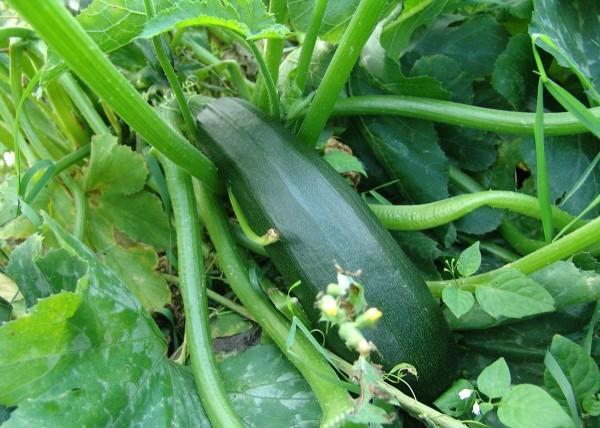
Odessa
To harvest zucchini earlier, you can plant the Odessa variety. The advantages of this plant include:
- high level of resistance to the most common fungal diseases;
- taste qualities of ripe harvest;
- frost resistance.
Kavili F1
Cavili is considered a high-yielding, early-ripening squash variety. This hybrid produces large fruits, reaching 25 centimeters in length. Cavili is temperature-tolerant, so its fruits set in any climate. A yield of 10-12 kilograms of squash per square meter is achieved.

Jellyfish
An ultra-early plant that requires greenhouse cultivation. The harvest ripens in 30-35 days. Mature zucchini weigh up to 750 grams and are 27 centimeters long. The harvested crop is used for canning.
Parthenon
A self-pollinating and high-yielding variety that can be planted both outdoors and in a greenhouse. This parthenocarpic zucchini is characterized by its compact habit, allowing for 3-4 plants per square meter. Each seedling yields 5-6 kilograms.
Iskander F1
A Dutch hybrid vegetable with a mid-season ripening period. Iskander's main advantage is its ability to set fruit even at very low temperatures. The ripe fruit has white, juicy flesh.
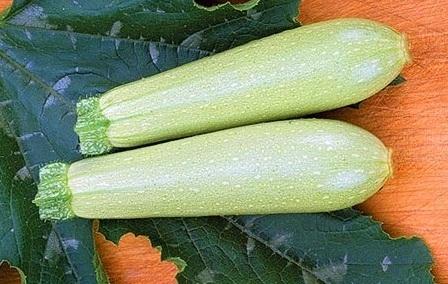
Tsukesha
This mid-season vegetable ripens within fifty days of planting. Tsukesh's distinctive features include its large green leaves with gray spots on the surface. Each mature zucchini reaches 35 centimeters in length and weighs 850-950 grams.
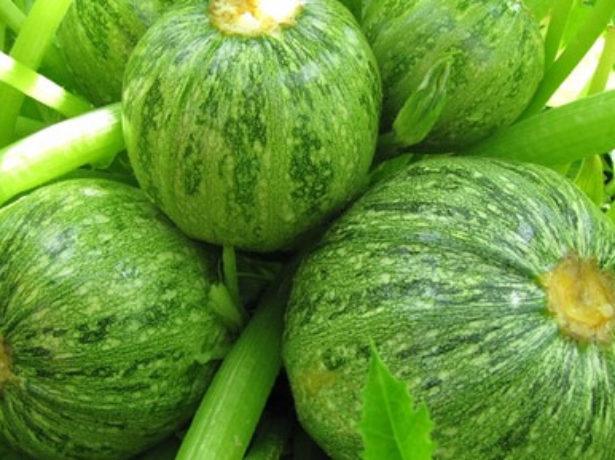
Ball
This variety gets its name from its spherical, ball-shaped fruits. Their skin is green and covered with white spots. The fruit ripens within two and a half months.

Gribovsky
This is a fairly popular bush squash variety that matures in 40-50 days. Gribovsky is resistant to common diseases and temperature fluctuations.
At the beginning of summer, oblong fruits form on the bushes, which grow up to twenty centimeters during the ripening process.
Goldfinch
An early-ripening zucchini that begins bearing fruit 30 days after planting. Zolotinka has a high yield, allowing each plant to produce at least five fruits weighing 400-500 grams. These zucchini are short—only 12-15 centimeters long.
Black beauty
A low-growing, bushy plant that matures within forty days. The ripened fruit is dark with a greenish tint. Black Beauty fruits weigh 550-600 grams and are used in cooking and canning.
Spaghetti
Externally, this variety is no different from other zucchini varieties. The main differences appear when the fruits are fully ripe. Their flesh begins to separate and form strands that resemble spaghetti. The disadvantages of Spaghetti include the late ripening of the crop.

Lagenaria (Calabas)
Calabazas are classified as Vietnamese zucchinis, which ripen within 60-65 days. Experienced vegetable growers recommend planting calabazas in greenhouses, as they don't tolerate frost well.
In the first half of summer, long vines bearing zucchini form on the bushes. The ripened fruits are used not only in cooking but also in making utensils.
Sangrum F1
An early-maturing hybrid zucchini that yields fruit in 35 days. Sangrum produces compact plants, no more than 18-20 centimeters tall. The fruits are also small, weighing 350 grams and measuring 15-17 centimeters long.
Anchor
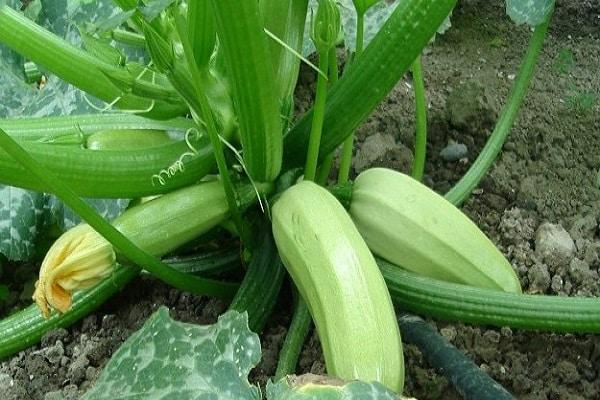
Those who prefer to plant vegetables outdoors should consider the Yakor. This mid-season zucchini offers a good yield and is frost-resistant. Yakor's fruits are rounded and cylindrical. The average weight of a mature zucchini is 950 grams.
Video clip
This versatile vegetable is suitable for both open ground and greenhouse cultivation. The fruits ripen 30-40 days after sowing, making Rolik an early-ripening variety. The variety's advantages include its excellent taste and large zucchini, weighing 1,200 grams.
White-fruited
This white-fruited vegetable begins to ripen in late June and the first half of July. The ripe harvest has an excellent sweet flavor and is easy to transport. The harvested vegetables can be used in regular, dietary, and baby food.
Zebra
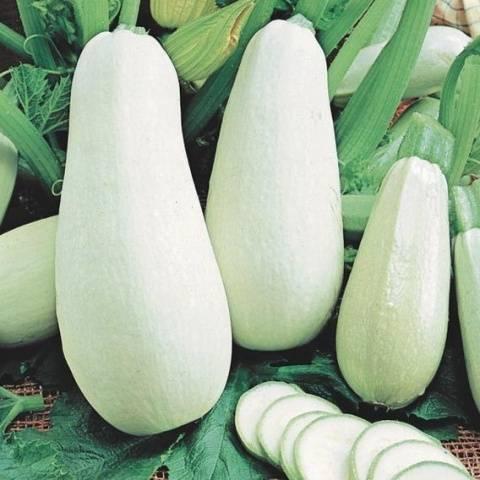
The most popular varieties of compact representatives are zucchini is referred to as ZebraThe planted bushes grow up to twenty centimeters in height. In summer, they produce small fruits weighing up to 400 grams. These can be eaten raw or preserved for the winter.
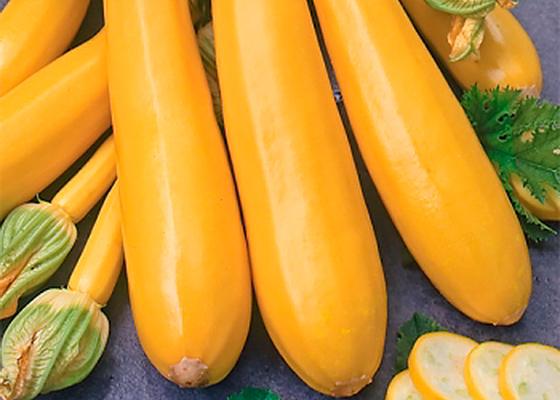
Yellow-fruited
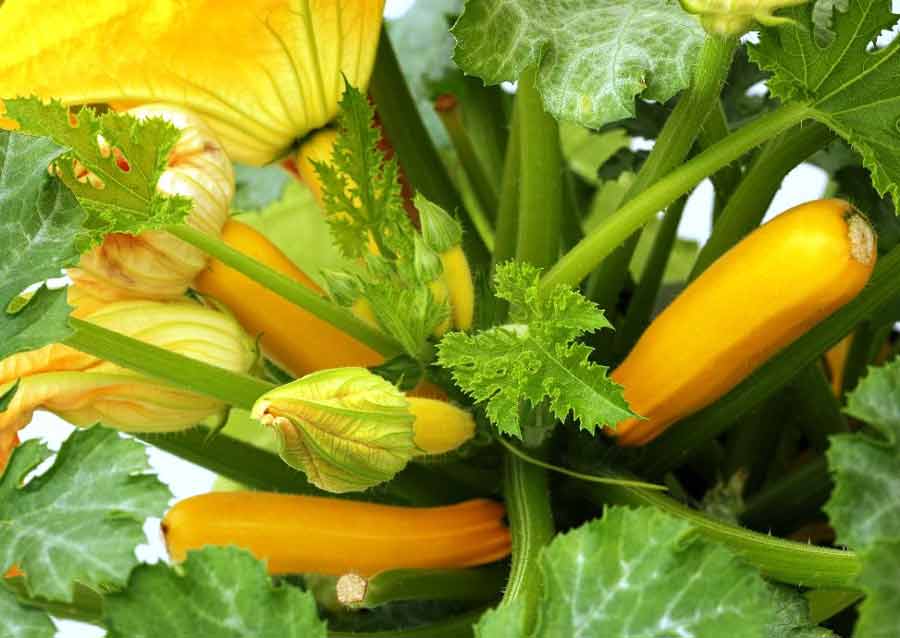
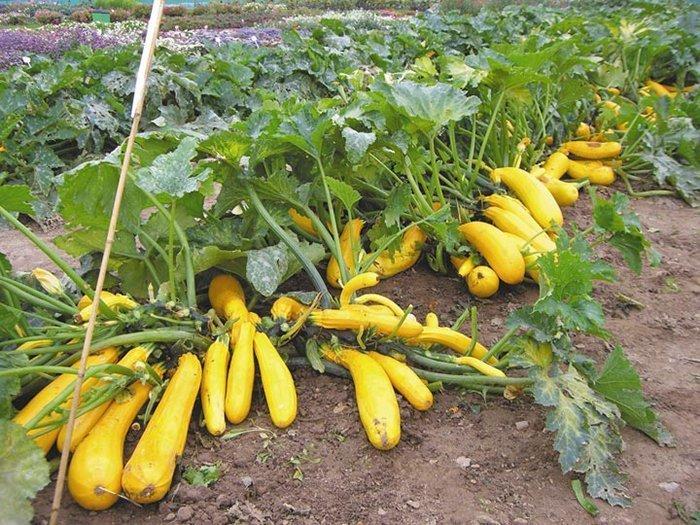
Among the high-yielding varieties Yellow-fruited zucchini is popular This variety is distinguished by its bright yellow fruits with a slight orange tint. This plant should not be grown in a greenhouse, as it produces its best fruit outdoors.
Winter beauty
A bush vegetable with compact, densely foliated plants. Winter Beauty's foliage is green, with light spots visible on its surface. With proper care, its fruits can weigh over one and a half kilograms.
Russian size
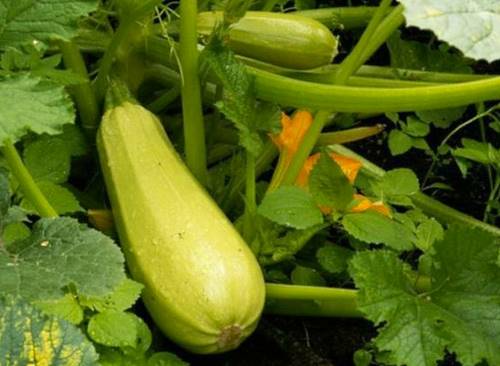
Lovers of large-fruited vegetables can plant the "Russian Size" variety in their garden. When ripe, the harvest reaches 80-90 centimeters in length and weighs 20-30 kilograms. Among the advantages of the "Russian Size" variety are its pleasant sweet flavor and frost resistance.
Take a look Also
Chaklun
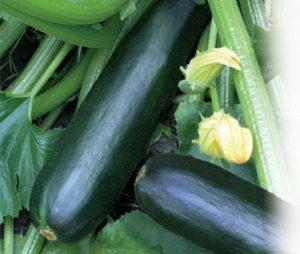
A mid-early bush plant that thrives in greenhouses and outdoors. Despite its compact size, Chaklun produces a huge number of fruit ovaries. A square meter yields 10-15 kilograms of fruit.
Charisma F1
An ultra-early vegetable that completes fruiting within 35 days of emergence. The greenish fruits are cylindrical, weighing an average of 550-600 grams. This hybrid variety is resistant to fungal diseases and pests.
Starling
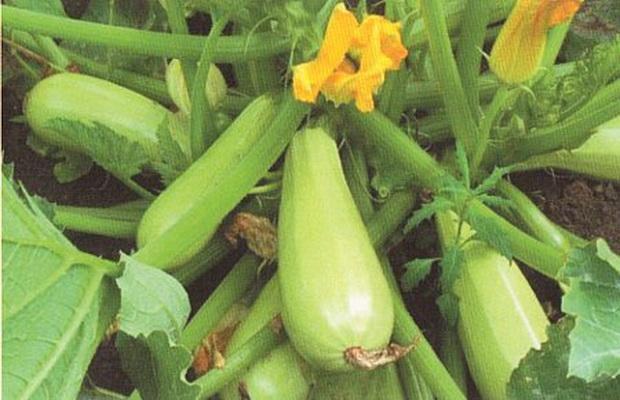
An early-maturing plant, reaching technical maturity within 45 days. Skvorushka bushes bear numerous female flowers, which results in numerous ovaries. The ripe fruit is cylindrical in shape, with slight ribbing visible on the surface. The average zucchini weighs one and a half kilograms.
Kuand
A high-yielding vegetable, yielding over 20 kilograms of fruit from just 2-3 bushes. This high yield is achieved because each ripe zucchini weighs 1800-1900 grams. Kuand is resistant to diseases and also copes well with drought and frost.
Aral F1
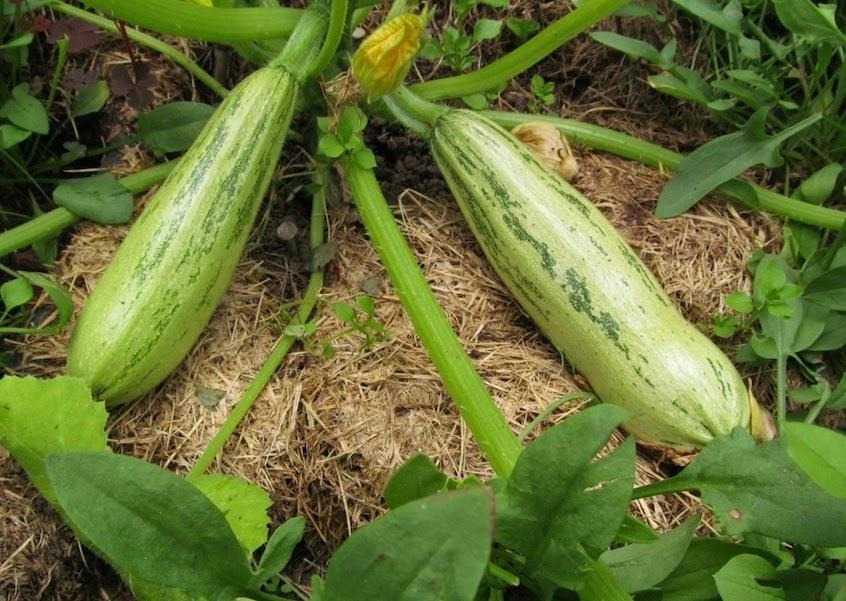
This hybrid variety begins bearing fruit six weeks after sowing the squash seeds. The hybrid's advantages include:
- resistance to temperature changes;
- the size of the zucchini, which grows up to 21 centimeters;
- yield of 15 kilograms of vegetables per square meter.
Mountain
A relatively new variety, developed by domestic breeders in the early 2000s, the Mountain Zucchini is considered to be characterized by its stable yield, which does not deteriorate even when grown in unfavorable climatic conditions.
Pascal
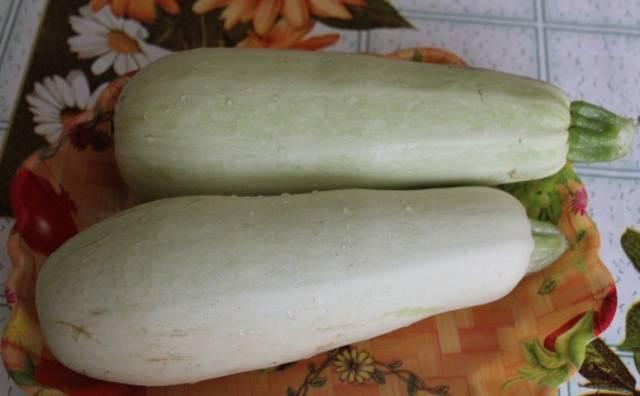
An ultra-early and productive vegetable grown by many gardeners, Pascal's fruits are greenish in color and resistant to whitening and premature rot. Pascal's adaptability to various climates and grows well in open ground.
Belogor
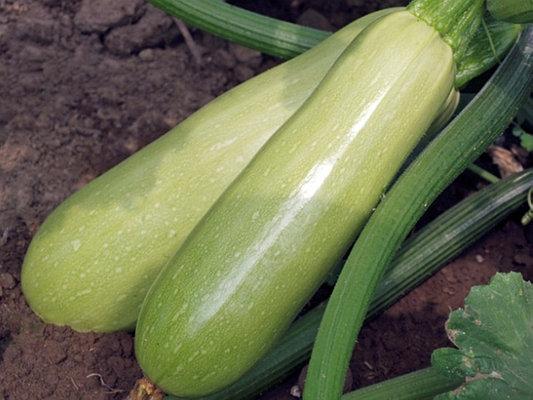
A mid-early plant that requires seedlings. Belogor produces compact bushes 25-30 centimeters tall. The cylindrical zucchini begin to ripen in mid-July, weighing 600-850 grams.
Recommendations for choosing the best
Before planting zucchini seeds, you need to choose the variety you'll be growing. When choosing, consider the following:
- Yield. When choosing a variety, pay attention to its yield. It's recommended to plant high-yielding vegetables, as they produce more fruit.
- Fruit size. Another factor to consider when choosing is the size of the mature vegetables. Large-fruited zucchini are grown for fresh consumption, while smaller-fruited varieties are planted for canning.
- Frost resistance. If the plant is to be grown outdoors, it's important to choose a vegetable that's resistant to low temperatures.
Features of hybrids
Many people planning to grow zucchini are interested in the characteristics of hybrid plants. The main characteristics of hybrids include the following:
- High yield. The main characteristic of most hybrid zucchini is their high yield, allowing each plant to yield at least 7-10 kilograms.
- Strengthened immunity. Hybrid seedlings have a robust immune system that protects them from insect attacks, dangerous diseases, and low temperatures.
- Long fruiting period. Many hybrids bear fruit for 3-4 weeks.
Regional features
When planning the planting of zucchini, consider the regional characteristics of the area in which they will grow:
- Central climate. Gardeners living in the central climate zone should transplant zucchini seedlings no earlier than May. If the vegetable is grown in a greenhouse, planting can begin a month earlier, in April.
- Northern regions. Residents of Siberia and the Urals should plant zucchini using seedlings. For germinating seedlings, seeds are sown a month before transplanting. The grown seedlings should be planted outdoors in late May or early June.
Recommendations for growing different types
To grow the plant correctly, you need to familiarize yourself with the cultivation features of different types of zucchini.
Early ripening
Early-ripening zucchini varieties are recommended to be planted in compost beds, as they will grow slowly and produce poor fruit in ordinary soil. The compost bed should be built in two layers:
- First layer. First, a hole is dug, the bottom of which is lined with wilted potato tops and dried plant debris.
- Second layer. Add some of last year's compost on top.
Mid-season
Mid-season zucchini plants require additional feeding to promote fruiting. The plants should be fed periodically with mineral and organic fertilizers containing magnesium, nitrogen, and calcium.
Late-ripening
To speed up the ripening of late-ripening vegetables, they need to be fed and watered more frequently. Water should be warmed to room temperature. Potassium nitrate and superphosphate are used as fertilizers.
Reviews of the most delicious
Antonina, 40: "I've been growing zucchini at my garden for quite some time now. At first, I didn't pay much attention to the varieties I grew. However, over the past few years, I've been more careful about choosing the varieties I plant. I try to choose vegetables with excellent flavor. Personally, I prefer Aral, Belogor, Zolotinka, and Spaghetti."
Sergey, 40: "I recently decided to plant zucchini in my garden at home to make preserves for the winter. I spent a lot of time choosing the most delicious varieties. I decided to plant several hybrid zucchini at once: Iskander, Karizma, and Aral. I was pleased with the results, as I was able to make delicious preserves."
Andrey, 47: "I bought a dacha and couldn't decide for a long time what to grow in the garden. However, I eventually decided to plant cucumbers, tomatoes, and zucchini. I had some difficulty choosing zucchini, as I don't know much about this plant. After reading reviews online, I decided to plant Zebra and Sangrum. It turned out I made the right choice, as I've never tasted zucchini so delicious before."
Conclusion
Many people with gardens grow zucchini. Before planting this vegetable, it's important to familiarize yourself with the main varieties and planting and growing recommendations.
Related posts:
 Description of the best pepper varieties for greenhouses and open ground in 2025
 How to properly plant zucchini in open ground, cultivation technology and care
 Description and properties of the 50 best varieties of asparagus beans, benefits and harms
 The best grape varieties for growing in the Urals, planting and care rules in summer
 Description of blight-resistant tomato varieties for open ground and greenhouses
 Description of the best varieties of cluster tomatoes and growing rules
 Proper cultivation and care of zucchini in open ground, how to increase the yield
 What varieties of tomatoes are best to plant in a polycarbonate greenhouse?