
- Features and technical characteristics of cluster tomato hybrids
- Advantages and disadvantages of culture
- Popular varieties with descriptions
- Early varieties
- Slot F1
- Children's sweet cream
- Broody
- Gulliver
- Grape F1
- Sweet bunch
- Mid-season varieties of cluster tomatoes
- Mushroom basket
- Strawberry tree
- Gigolo
- Sweet tooth
- King of Kings
- French grape
- Large-fruited
- Red red F1
- Maryina Roshcha F1
- Martez F1
- Spasskaya Tower F1
- Medium-fruited
- Red Guard F1
- Forte Orange F1
- Natus F1
- Small-fruited tomatoes
- Mandarin duck
- Potted orange
- Chocolate beads
- Tomatoes for greenhouses
- Moneybags
- Casady's Madness
- Jalpa
- Red Star F1
- Cluster tomatoes: Siberian varieties
- Siberian Abundant
- Rugby
- King of Siberia
- Bull's forehead
- Growing and caring for brush varieties
- Watering
- Loosening the soil
- Top dressing
- Conclusion
Many gardeners grow cluster tomatoes, which differ from other varieties in that their fruits ripen in clusters. This characteristic of the plants has a positive impact on their yield. Before you begin growing tomatoes, it's important to familiarize yourself with popular cluster tomato varieties and their characteristics.
Features and technical characteristics of cluster tomato hybrids
To better understand the characteristics of cluster tomatoes, you need to familiarize yourself with their technical characteristics.
The main characteristic of this crop is the ripening of the harvest in small clusters, which can contain approximately 10-20 tomatoes. All cluster varieties are divided into three subgroups, which differ in the size of the clusters containing ripe tomatoes:
- large-fruited, weighing about 900-1000 grams;
- medium-sized, which grow up to 500 grams;
- small brushes weighing 250-300 grams.
The fruits of many cluster varieties are covered with a strong, durable skin that resists cracking. The tomatoes are usually small, weighing 50-60 grams. They are used in cooking for preserves and vegetable salads.
Advantages and disadvantages of culture
People who previously planted cluster vegetables often encountered uneven ripening of the crop. However, breeders have now developed varieties that ripen at the same time.
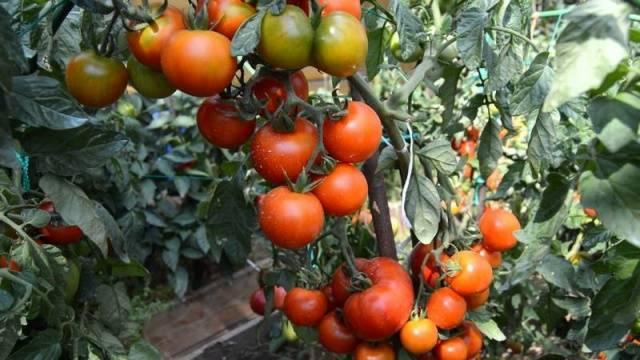
Many modern brush hybrids have the following advantages:
- High-quality fruits. The main characteristic of this variety is that ripe tomatoes retain their marketability and flavor for a long time. A ripe bunch can hang on the bush for several months without overripening.
- Tomatoes are firmly attached to the trusses. Tomatoes don't fall off the trusses because they are securely attached. Experienced gardeners recommend harvesting whole trusses, as they will have a longer shelf life.
- Uniform tomato size. All tomatoes growing on a single cluster are the same size. Adjacent clusters may grow larger or smaller tomatoes.
- Crack resistance. Cluster tomatoes do not crack after harvesting or when grown in unfavorable conditions. This significantly increases the shelf life of the harvest.
- Disease Resistance. Hybrid tomatoes are resistant to pests and common diseases that can kill tomato plants.
However, these tomatoes also have certain drawbacks that should be considered. The main drawback of these varieties is their high maintenance requirements.
Popular varieties with descriptions
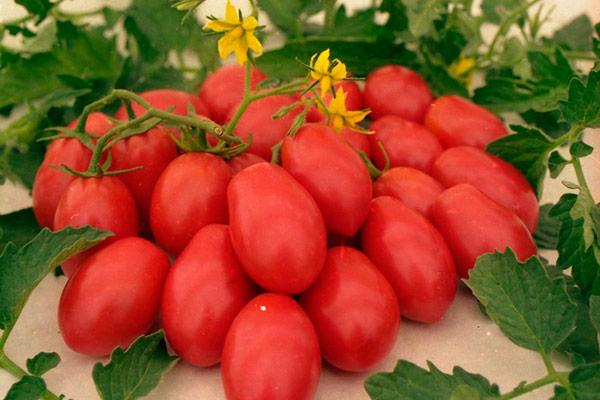
There are several popular varieties that are suitable not only for greenhouses, but also for open ground.
Early varieties
People who want to harvest a ripe crop earlier should pay attention to tomatoes with early ripening periods.
Slot F1
A mid-early, cluster-type hybrid that fully matures within 2-3 months. Slot is classified as a determinate vegetable crop, as its bushes grow up to 125 centimeters.
The variety is resistant to night-time temperature drops and can therefore be planted outdoors.
Slot's fruits are small, weighing 50-60 grams. With proper care, the planted bushes yield 10-12 kilograms per square meter.
Children's sweet cream
An early cluster variety, suitable for planting and growing outdoors. Slivka produces small clusters, each containing 5-6 tomatoes weighing 25-35 grams. The tomato plants grow to 40-50 centimeters and therefore don't require support. The harvest is ideal for canning.
Broody
A mid-early variety with low-growing bushes 55-65 centimeters tall. The main distinguishing feature of the Klusha is the clusters of fruit located in the center of the bush, under the leaves. Ripe fruits weigh 100-120 grams and have a pleasant, sweet flavor.
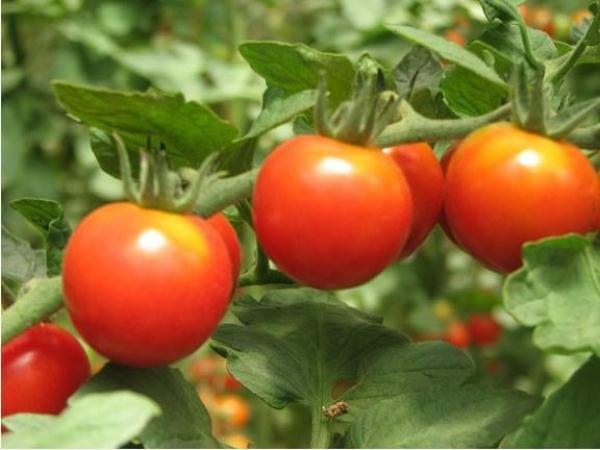
Gulliver
A variety developed by Russian breeders for planting in glass or polycarbonate greenhouses. Gulliver can only be grown outdoors in southern regions where nighttime temperatures do not drop below zero degrees Celsius. The advantages of this tomato include:
- productivity;
- ease of cultivation;
- taste qualities of the harvest;
- disease resistance.
Grape F1
An early-ripening hybrid tomato whose fruits ripen within 100 days. Grozdevoy produces fairly large clusters, which can hold more than ten tomatoes weighing 70-95 grams. The variety is resistant to sudden temperature changes and therefore does not necessarily need to be planted in a greenhouse.
Sweet bunch
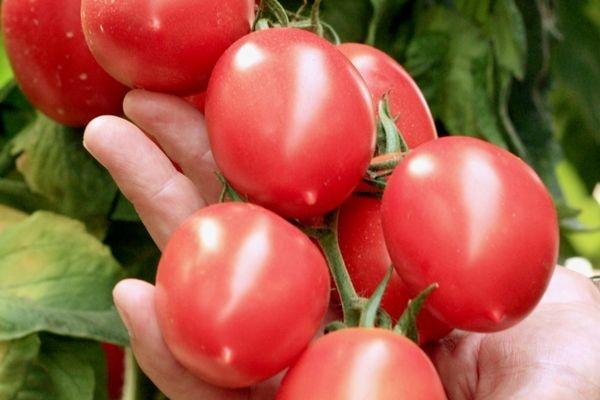
A tall plant with an early ripening season. Sweet Bunch bushes grow up to two and a half meters and require support. This variety produces excellent yields, with each bush yielding 5-8 kilograms of tomatoes per season.
Mid-season varieties of cluster tomatoes
There are several mid-season cluster varieties that are popular among vegetable growers.
Mushroom basket
An indeterminate vegetable with tall bushes that grow up to two meters. The variety is poorly protected from frost, so in northern and temperate regions it is grown in greenhouses. A distinctive feature of the Mushroom Basket is its large fruits, weighing 300 grams.
Strawberry tree
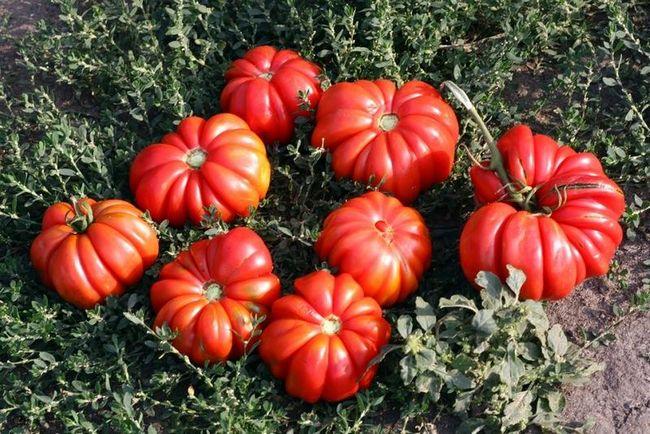
A new cluster tomato variety recently developed by Russian breeders, the Strawberry Tree has good frost resistance and is resistant to common diseases. The main difference between this tomato and other cluster tomatoes is its heart-shaped fruits.
Gigolo
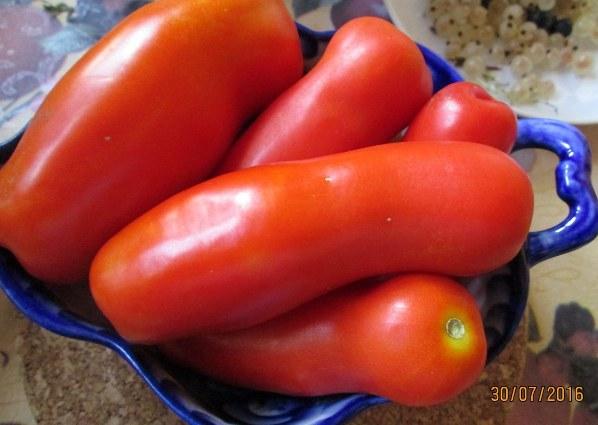
Standard Gigalo bushes don't grow taller than fifty centimeters. They don't require side-shoots or periodic tying to supports. Gigalo clusters are small and contain 3-4 fruits. Ripe tomatoes are elongated and cylindrical in shape and weigh 80-100 grams.
Sweet tooth
The plant doesn't cope well with low temperatures, so gardeners recommend planting it under plastic covers. In greenhouse conditions, the bushes grow up to 125 centimeters. During cultivation, they produce huge clusters containing 25-30 tomatoes weighing 40 grams each. Ripe tomatoes have a sugary flesh with a sweet flavor.
King of Kings
A tall, medium-leaved plant, reaching a height of 2-2.5 meters. When growing the King of Kings, all bushes will need to be tied to sturdy support arches or poles. This tomato is considered a late-ripening vegetable, as the harvest will only ripen three and a half months after sowing.
French grape
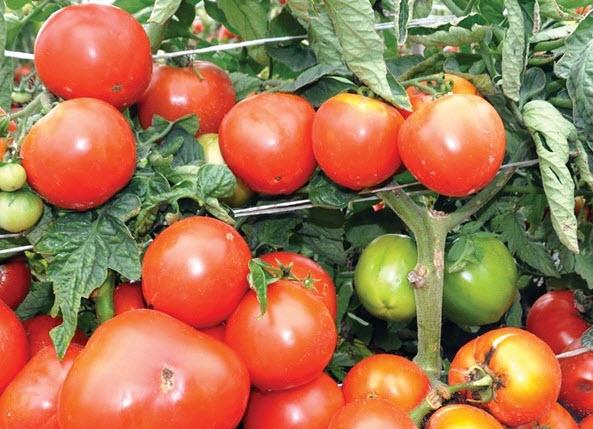
A mid-late, high-yielding vegetable intended for planting in heated greenhouses. French grape tomato It has large clusters that produce 10-15 fruits. With proper feeding and watering, a single bush can yield 20-25 kilograms of ripe tomatoes.
Large-fruited
Some gardeners prefer to grow tomatoes with large fruits. To choose the best large-fruited tomatoes, it's important to familiarize yourself with these varieties in more detail.
Red red F1
An indeterminate, high-yielding hybrid grown both outdoors and in greenhouses. A distinctive feature of this tomato is its high yield, allowing for a yield of 10-15 kilograms per square meter of garden per season. Each fruit weighs 200-300 grams.
Maryina Roshcha F1
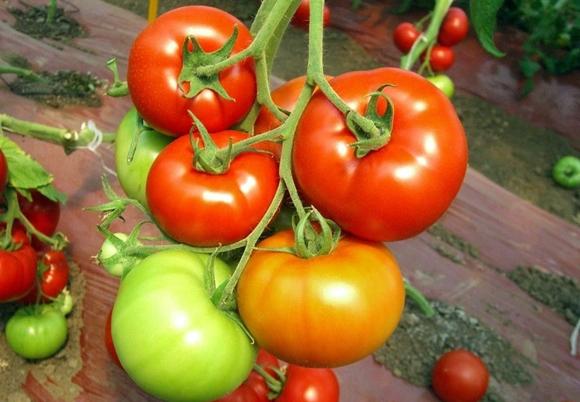
A plant with strong stems that don't require support. This variety should be planted in greenhouses, as outdoors, the bushes are often attacked by pests. Maryina Roshcha's fruits are rounded with a small beak at the tip. With proper care, they can weigh up to 250 grams.
Martez F1
People who prefer to grow tomatoes under plastic covers often plant Martez F1. Among the plant's advantages are its high yield, resistance to pests, and many diseases. The red tomatoes are oval in shape and weigh 200-250 grams.
Spasskaya Tower F1
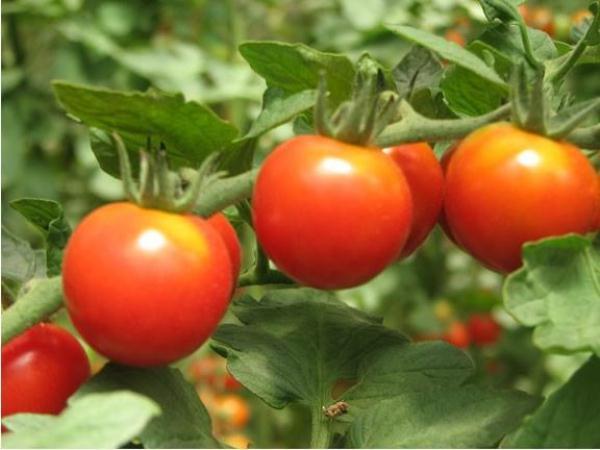
Fans of large-fruited varieties often grow Spasskaya Bashnya in their gardens. This determinate plant grows up to one meter in height. Six weeks after planting, clusters of reddish fruits weighing up to 550 grams appear on the bushes. They have a sweetish flavor and a pleasant aroma.
Medium-fruited
To ensure that the grown tomatoes are not too small or too large, it is necessary to plant medium-fruited cluster hybrids.
Red Guard F1
The most popular medium-fruited The Red Guard is considered a tomatoThe vegetable's advantages include its resistance to frost, pests, and diseases. Red Guard bushes do not need pinching, as they grow slowly.
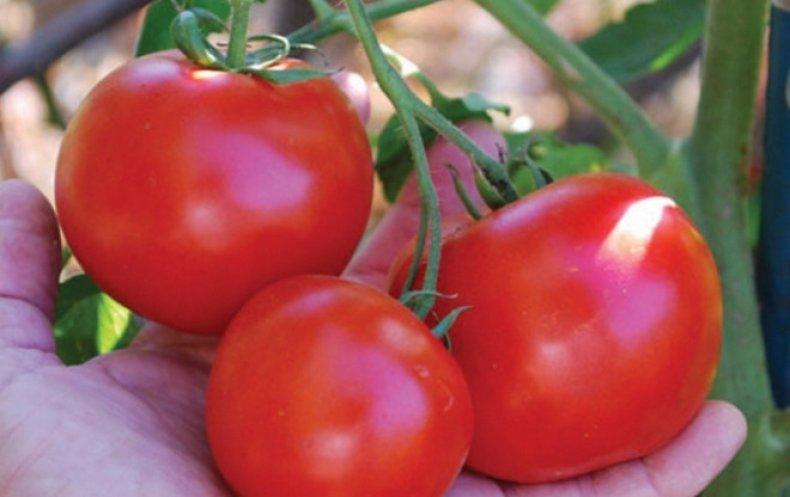
Ripe tomatoes are covered with red ribbed skin surface. The average weight is 180-190 grams.
Forte Orange F1
An early-ripening, cluster-type tomato hybrid grown in greenhouses. Experienced gardeners recommend training Forte Orange into two stems to increase yield. This method yields 3-4 kilograms of vegetables per seedling.
Ripe tomatoes are round in shape and covered with smooth orange skin. They weigh only 70-80 grams, making them popular for canning whole tomatoes.
Natus F1
This hybrid was developed by Russian breeders specifically for planting and growing in regions with harsh climates. It is resistant to frost, disease, dampness, and insect attacks. Natus grows tall, reaching up to three meters. They need to be tied to supports to prevent them from breaking under the weight of the clusters.
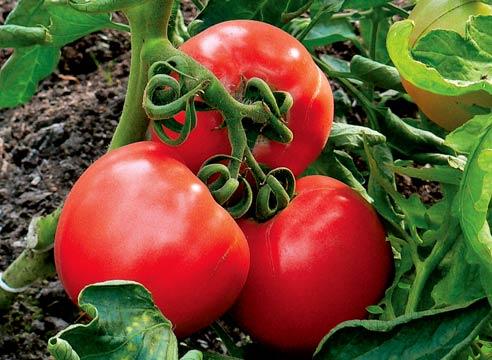
The ripe crop is covered with a glossy, thin skin and weighs 100-120 grams.
Small-fruited tomatoes
Those who love small tomatoes should grow small-fruited tomato varieties.
Mandarin duck
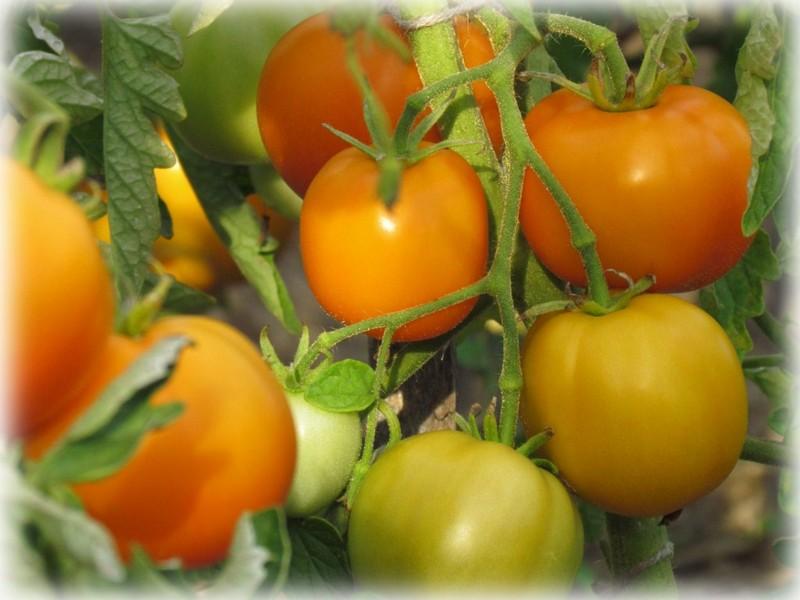
This variety is suitable for those planning to grow early-ripening tomatoes in their garden. Mandarinka tomatoes ripen two months after planting. The variety's advantages include a pleasant flavor, cold tolerance, and high yield.
Mandarinka differs from other small-fruited vegetables by its bright orange fruits. Each bush yields 5-8 kilograms.
Potted orange
An early-ripening, superdeterminate plant, reaching a height of no more than twenty centimeters. The compact size of the bushes allows them to be grown in small pots. The tomatoes are also small, weighing only 30-40 grams. They are used in canning and vegetable salads.
Chocolate beads
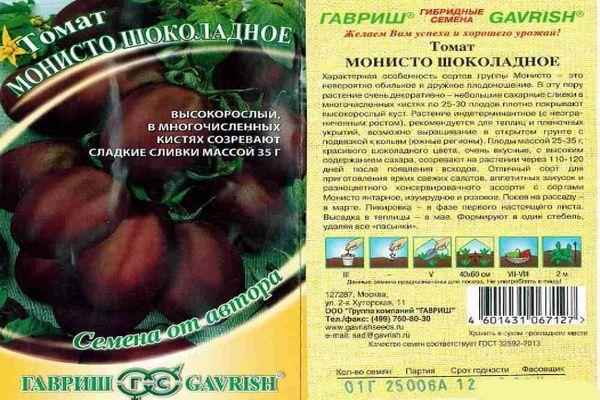
An indeterminate vegetable with tall bushes reaching 2-3 meters. The bush doesn't require side shoots, as it forms into a single stem on its own. When grown, the seedlings produce small clusters containing 15-25 small tomatoes weighing 35 grams each. They have a pleasant sweet flavor, somewhat reminiscent of plums.
Tomatoes for greenhouses
Not all cluster tomatoes are suitable for greenhouse planting. There are several varieties that can be grown in greenhouses.
Moneybags
The plant is considered an early-maturing greenhouse vegetable, reaching maturity within 100 days. Advantages of Money Bag include high germination rates and resistance to late blight.The fruits of this vegetable have a perfectly round shape. They are most often used in canning and creating vegetable salads.
Casady's Madness
Another common greenhouse vegetable is Casady's Madness. This is a productive tomato that, with proper care, grows up to one and a half meters. When growing this variety, you'll need to train the bushes to ensure optimal fruit production. The tomatoes are oblong in shape, weighing an average of 150-250 grams.
Jalpa
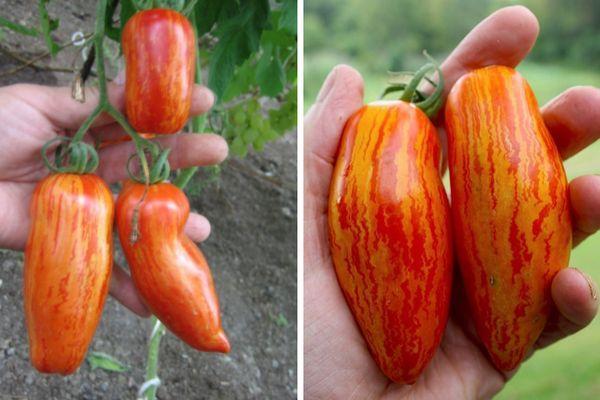
A vegetable with standard bushes that don't require pinching or staking, as they reach only 40-45 centimeters in height. The fruits are borne in clusters of six.
The fruits have an oblong shape, giving them a bell pepper-like appearance. Distinguishing features of ripe tomatoes include their ease of transport and resistance to skin cracking.
Red Star F1
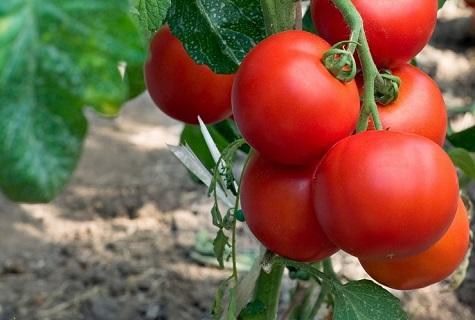
Some gardeners choose the Red Star variety for growing in plastic greenhouses. This cluster-type hybrid produces juicy and fleshy tomatoes weighing 85-95 grams. Red Star is grown to make tomato juice, ketchup, and for eating raw.

Cluster tomatoes: Siberian varieties
The Siberian series of vegetables is suitable for planting and growing tomato bushes in harsh climatic conditions.
Siberian Abundant
Vegetable growers living in the Urals and Siberia often plant Siberian Abundant TomatoThe plant's main advantage is its fruits, which contain numerous vitamins. The harvest is suitable for pickling in barrels and preparing preserves for the winter.
Siberian Izobilny produces indeterminate bushes 1.8-1.9 meters tall. To ensure proper growth, they require pruning, leaving two main stems. To speed up ripening, side shoots are removed, and any unneeded leaves and shoots are removed.
Rugby
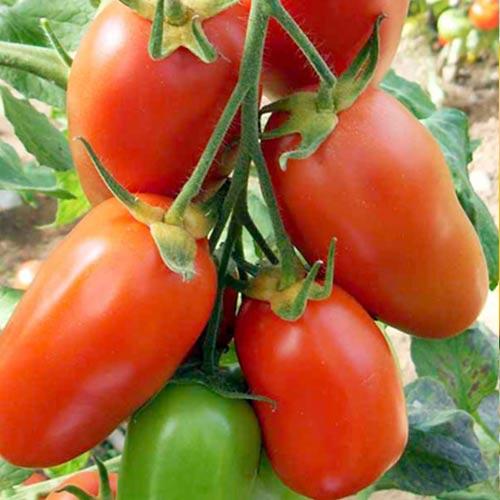
A young hybrid variety developed by Russian breeders for planting in both protected and open ground. Rugby is considered an early vegetable variety, ripening within three months of the first shoots sprouting. The determinate bushes grow up to three meters and therefore require support.
Rugby produces simple, small clusters, each containing seven fruits weighing 150 grams. They are easy to transport and have excellent flavor.
King of Siberia
Among Siberian varieties, the King of Siberia is popular. This tall vegetable grows up to one and a half meters in open ground and up to two meters in greenhouses.
To achieve high yields, the bushes will have to be trained into a single stem.
The weight of the fruits depends on where they are located on the bush. For example, tomatoes on the lower clusters are larger, weighing 600-700 grams. Fruit on the top of the clusters can weigh up to 450 grams.
Bull's forehead
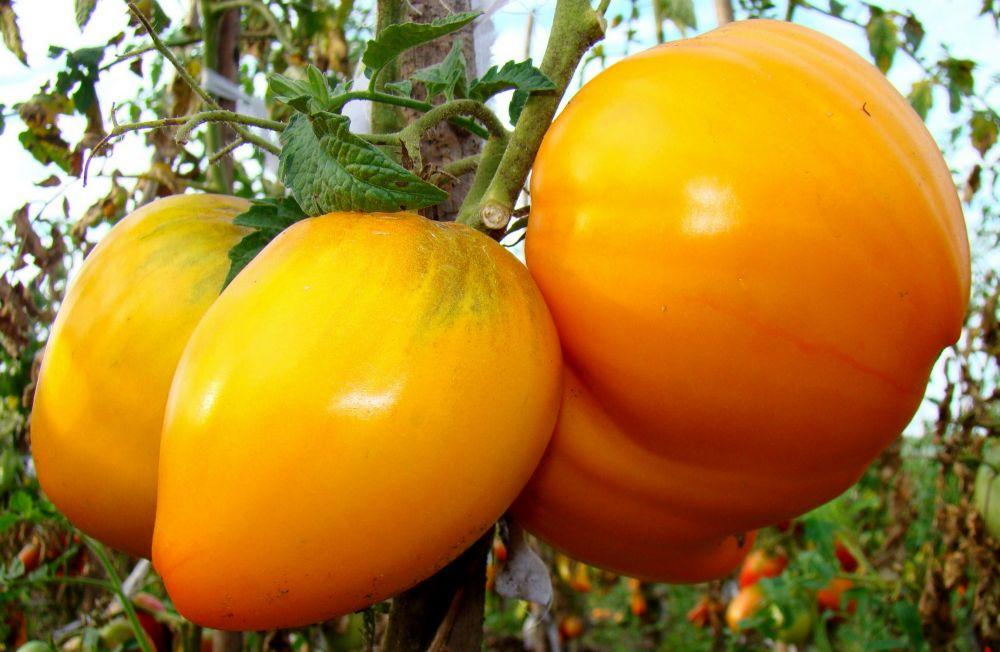
This variety is suitable for vegetable growers who prefer vegetables with fleshy, juicy fruits. The average tomato weight is 700-800 grams. They ripen 125 days after the first shoots emerge. During cultivation, you will need to tie up not only the fruit branches but also the stems. Failure to do so may cause the tomato plant to break under its weight.
Experienced gardeners recommend planting Bull's forehead in greenhouses to get a larger harvest.
Growing and caring for brush varieties
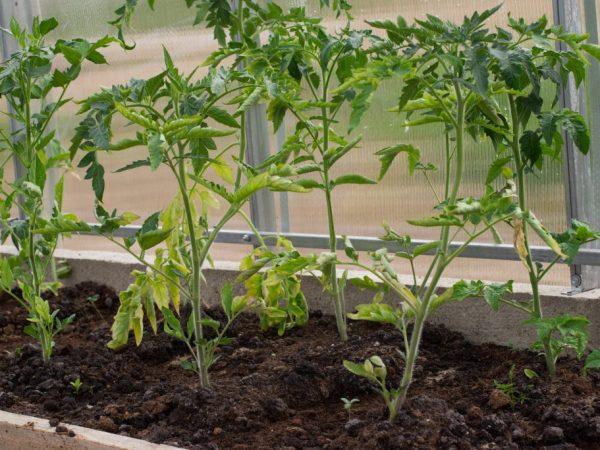
Brush varieties, like other types of tomatoes, require proper care.

Watering
For the first few weeks after transplanting, do not water the seedlings. Give them some time to adjust to their new location and establish themselves.
Tomatoes require intensive watering in the summer, when temperatures rise to 25-30 degrees Celsius. During these periods, the soil should be moistened daily. It is not recommended to suddenly stop watering, as the sudden change in humidity can cause the fruit to crack.
Loosening the soil
After each watering, loosen the soil around the seedlings. This procedure removes weeds and improves the soil's absorption properties. When the seedlings are young, the soil is loosened to a depth of 3-5 centimeters. Then, the loosening depth is gradually increased to 7-10 centimeters.
Top dressing
To improve tomato fruiting, you'll need to fertilize them periodically. Experienced gardeners recommend using bird droppings, which are considered the best balanced fertilizer. They contain all the beneficial micronutrients tomatoes need. To prepare a nutrient solution, mix the bird droppings with heated water at a ratio of one part to ten. Use five liters of the solution per plant.
Conclusion
Some gardeners plant cluster tomato varieties. Before planting, it's important to familiarize yourself with the most popular tomato varieties and their care requirements.
Related posts:
 The best grape varieties for growing in the Urals, planting and care rules in summer
 What varieties of tomatoes are best to plant in a polycarbonate greenhouse?
 Description of blight-resistant tomato varieties for open ground and greenhouses
 Description of the best pepper varieties for greenhouses and open ground in 2025
 Which tomato varieties are best for open ground?
 Descriptions of the 20 best cherry varieties for the Moscow region, their planting and care
 Description and characteristics of the 45 best types of peaches, growing rules
 Rules for growing tomatoes in open ground, choosing a variety, planting and care