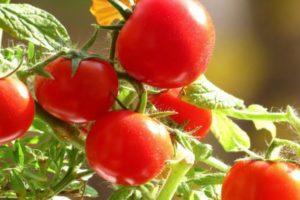
The Siberian Izobilny tomato, whose characteristics and variety description highlight its superior consumer qualities, is intended for greenhouse cultivation. This tomato is popular among vegetable growers due to its early ripening, high productivity, and disease resistance.
Benefits of Tomatoes
The Siberian Izobilny tomato variety is recommended for growing in open ground in southern regions and greenhouses.
This tomato is distinguished by its early fruiting, requiring 90-110 days from germination to harvest. The indeterminate bush reaches a height of 180-200 cm during the growing season.
Proper development of the crop is achieved by training the bush into 2-3 stems and tying them to trellises with cords. To ensure uniform fruit ripening throughout the growing season, remove excess shoots from the leaf axils.
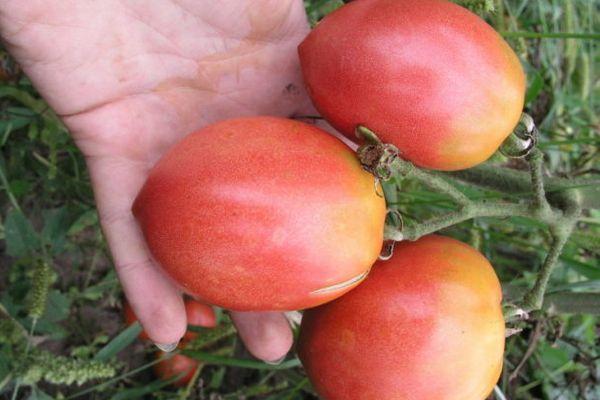
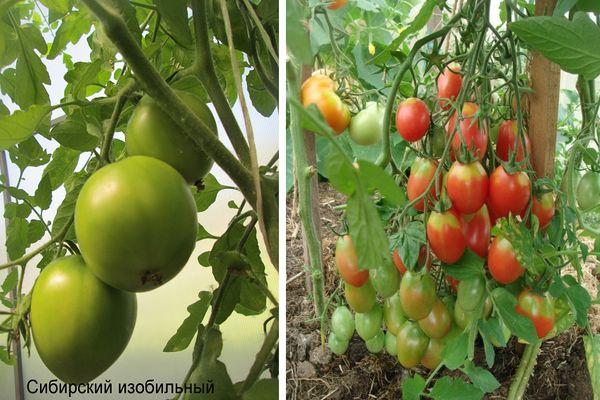
Unripe tomatoes of the Siberian Abundant variety have a red color with an orange tint; when ripe, they acquire an intense crimson color.
The tomatoes are oval-heart-shaped with a slightly pointed tip. The fruits have a smooth, glossy surface, firm flesh, and a sweet taste. They weigh 100-200 g. The yield per bush is 6 kg.
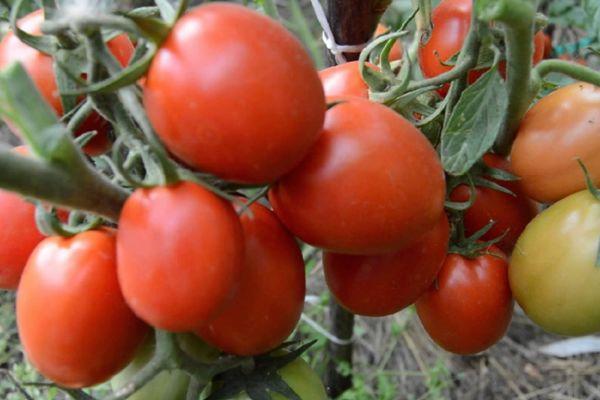
The first flower stalks appear at the level of the 6th or 7th leaf, and subsequent clusters form at intervals of every other leaf. Each cluster produces 8-10 fruits. Bushes grown according to proper agricultural practices can produce up to 7 clusters.
Vegetable growers' reviews indicate early and abundant harvesting, as well as stable, long-term fruiting. This tomato variety is popular among gardeners in Siberia, the Urals, and the Volga region due to its adaptability to challenging weather conditions.
In cooking, the fruits are used fresh, as ingredients in various dishes. When canned and pickled, tomatoes retain their shape.
Cultivation techniques
Sow seeds for seedlings 60-65 days before the expected planting date. To do this, fill the container with prepared soil mixture, lightly compact it, and water with warm water.
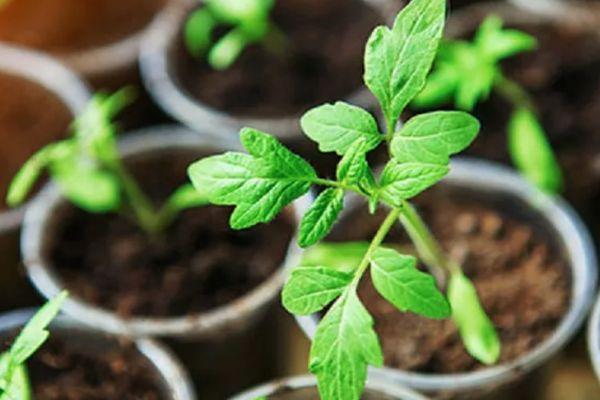
Seeds treated with an aqueous solution of potassium permanganate and a growth stimulant are planted at a depth of 1 cm. The container is covered with plastic wrap until the sprouts emerge. Once the seedlings emerge uniformly, the plastic wrap is removed.
Plants require a constant, optimal temperature of 23 to 25°C. Lighting is provided by supplemental illumination with fluorescent lamps.
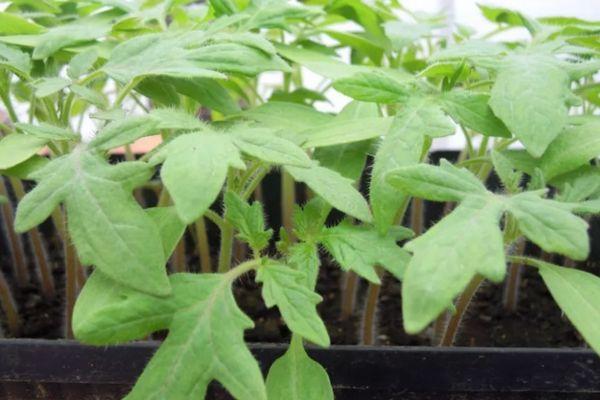
The seedlings are transferred to the greenhouse at the end of April, provided the daytime temperature is maintained at 24°C. At night, the temperature can be lowered to 18–20°C. The main requirement for seedlings is the presence of a formed first brush.
Under these conditions, the first harvest from the bush can be collected in early June. When planting in the ground, seedlings are spaced in two rows per square meter. The distance between bushes should be 40 cm, and the path width should be 70 cm.
To ensure that plants are able to provide all the nutrients they need for fruit production, organic fertilizers are recommended. Mineral fertilizers containing nitrogen, potassium, and phosphorus are applied to the roots.
Bush care involves periodic loosening of the soil to maintain moisture balance and ensure air access to the root system. Drip irrigation is achieved by mulching the soil with black non-woven fiber.
Using straw, last year's grass, and leaves as mulch provides additional organic nutrition for plants. Mulching the soil minimizes weed control.
Related posts:
 The best eggplant varieties for growing in a polycarbonate greenhouse: planting and care
 Methods for planting and propagating cherries at home
 The best grape varieties for growing in the Urals, planting and care rules in summer
 Description of varieties of sowing peas and cultivation, to which family they belong
 The health benefits and contraindications of black currants
 How to control carrot flies with medications and folk remedies
 The health benefits and harms of cherries, rules of consumption, and their effects on the body
 Top 40 DIY New Year's Baking Recipes for 2020